

 Предпросмотр
 Поделиться
 Поделиться
 Детали произведения

 Скачать
 Похожие работы
 Рентгенография
 Слайд-шоу
 Статистика
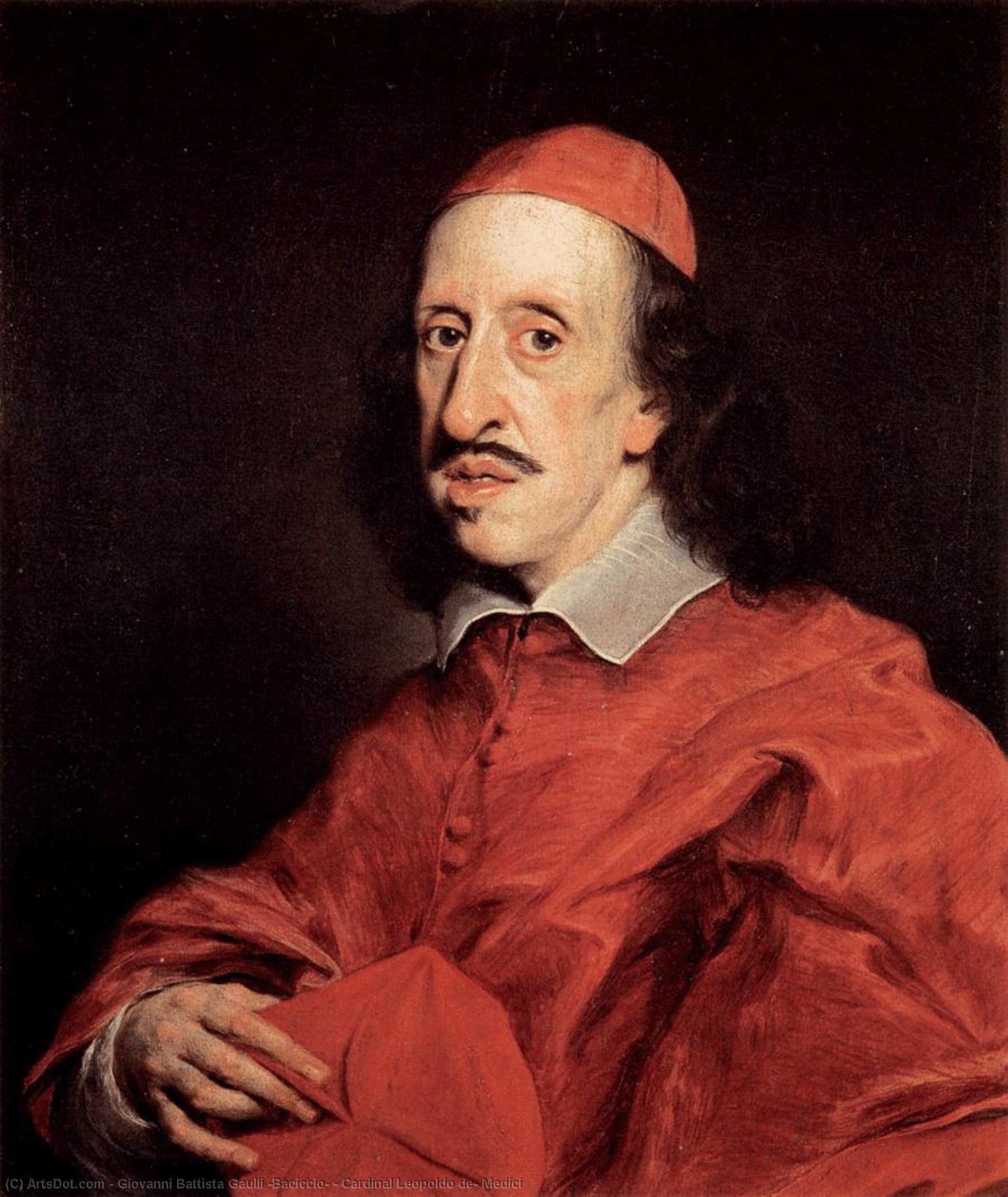
Cardinal Leopoldo de' Medici
 Oil On Canvas
- WallArt
- Baroque
 1667
1667 73.0 x 60.0 cm
 Галерея Уффици
 Читать далее
Приобретите цифровое изображение высокого разрешения в улучшенном качестве, которое значительно превосходит онлайн-превью.
Каждый файл тщательно подготавливается нашими специалистами с использованием передовых инструментов и экспертной ручной ретуши. Мы гарантируем исключительную четкость, точную цветопередачу и детальную проработку каждого изображения.
Финальный файл доставляется по электронной почте в течение 72 часов и оптимизирован для немедленного использования в профессиональной среде, при верстке и печати. Это тот же уровень качества, которому доверяют ведущие дизайнерские студии, издательства и галереи.
Цифровое изображение
Скачайте файл высокого разрешения для личного использования, печати и творческих проектов. ( Перейти к печати Купить картину ручной работы)
Включено в каждый заказ цифровых изображений
Гарантия экспертной цифровой доставки
Выбирая ArtsDot.com, вы получаете не просто изображение — вы приобретаете профессионально обработанное цифровое произведение искусства, созданное с безупречной точностью и под защитой гарантии качества. Вот всё, что автоматически входит в ваш заказ:

Мгновенная доставка по e-mail
Ваш цифровой файл в высоком разрешении будет отправлен вам по электронной почте в течение 72 часов после оформления заказа — и сразу станет доступен для использования.

Цифровой файл с ИИ-улучшением
Ваше произведение искусства проходит профессиональную оптимизацию с использованием передовых инструментов ИИ и ручной обработки, что гарантирует максимальную детализацию, четкость и точность цветопередачи.

Бессрочная бесплатная повторная доставка
Случайно удалили или потеряли файл? Не беспокойтесь — мы отправим его вам повторно в любое время и совершенно бесплатно.

Без импортных пошлин — навсегда
Наслаждайтесь вашим произведением искусства мгновенно без таможенных пошлин, сборов или затрат на доставку — цифровые загрузки всегда не облагаются налогом.

Гарантия точности цветопередачи
Мы гарантируем, что ваше цифровое изображение максимально точно передает оригинальные цвета благодаря использованию профессиональных инструментов и систем управления цветом.

Гарантия удовлетворенности 100 дней
Если вы не будете удовлетворены своим цифровым изображением, мы внесем правки или вернем 100% стоимости в течение 100 дней — без лишних вопросов.

100% Гарантия возврата средств
Не удовлетворены покупкой? Получите полный возврат средств в течение 100 дней после получения цифрового файла — без лишних вопросов.

Скидки на оптовые заказы
Купите 3 изображения, сэкономьте 10% — Купите 5, сэкономьте 15% — Купите 10+, сэкономьте 20%. Отличное решение для творческих проектов, галерей и агентств.
The Grandeur of Baroque Authority
To gaze upon Giovanni Battista Gaulli's depiction of Cardinal Leopoldo de' Medici is to step directly into the opulent, dramatic heart of 17th-century Rome. This portrait is not merely a likeness; it is a carefully constructed statement of power, piety, and intellectual weight. The subject, clad in the unmistakable crimson robes and pristine white collar of a high-ranking cleric, commands attention with an inherent dignity. Gaulli, known by his evocative nickname "Detto Baciccio," masterfully captures the very essence of Baroque authority. One senses the gravity of ecclesiastical life emanating from the painted figure, whose steady gaze seems to penetrate the veil of centuries, connecting the viewer immediately to the solemn rituals and profound influence wielded by such men during the Counter-Reformation era.
Mastery in Oil: Technique and Illusion
The technical brilliance displayed here is a testament to Gaulli's unparalleled skill as an illusionist. Executed in oil on canvas, the paint seems to breathe with a palpable depth that only the finest Baroque masters could achieve. Observe the handling of the drapery; the rich folds of the cardinal’s robe are rendered with such convincing weight and texture that they appear almost sculptural, echoing the monumental ambitions of his contemporary, Bernini. Gaulli manipulates light not just as an illuminator, but as a character in itself—it catches the sheen of the velvet, highlights the subtle contours of the beard, and lends an ethereal glow to the white linen. This sophisticated interplay between deep shadow and brilliant highlight is the hallmark of High Baroque painting, drawing the eye deeper into the narrative space.
Symbolism of Status and Scholarship
Every element within this composition speaks volumes about the sitter's station. The cardinal’s attire immediately situates him within the highest echelons of the Church hierarchy. Yet, it is the object held delicately in his hand—perhaps a book or a piece of sacred cloth—that directs our contemplation toward scholarship and spiritual devotion. This juxtaposition is key: the worldly power symbolized by the rich robes is tempered and elevated by the promise of divine knowledge represented by the object. It suggests that true authority, in the eyes of the Church, flows not just from rank, but from profound learning and unwavering faith.
Bringing Baroque Drama Home
For the collector or designer seeking to infuse a space with historical resonance and dramatic flair, this piece offers unparalleled depth. Reproducing such a work allows one to curate an atmosphere of cultivated grandeur. The emotional impact is one of awe mixed with reverence; it demands that the viewer pause, consider the weight of history, and appreciate the sheer artistry involved in capturing such potent human character. Owning a reproduction of Gaulli’s hand is not merely decorating a wall; it is commissioning a conversation piece steeped in the drama, color, and masterful technique of one of art history's most vibrant periods.
Похожие произведения




Биография художника
The Architect of Illusion: The Life and Legacy of Giovanni Battista Gaulli
In the grand, theatrical theater of the Roman Baroque, few names command as much awe as Giovanni Battista Gaulli. Known affectionately to his contemporaries and history as Baciccio—a Genoese diminutive meaning “the little painter”—Gaulli did not merely paint surfaces; he dissolved them. Born in Genoa on May 8, 1639, his early life was shaped by the vibrant artistic currents of Northern Italy, yet it was his migration to Rome in 1657 that would forever alter the trajectory of Western art. This move placed him at the very heart of the Counter-Reformation's visual propaganda, where the goal of art was to overwhelm the senses and transport the soul toward the divine.
The foundation of Gaulli’s genius was laid within the orbit of the legendary Gian Lorenzo Bernini. Immersing himself in Bernini’s atelier, Gaulli absorbed the principles of sculptural grandeur and theatrical illusionism that defined the High Baroque. He learned to view a canvas not as a flat plane, but as a window into an infinite, celestial space. This profound influence is evident in his mastery of chiaroscuro, where the dramatic interplay between deep shadow and piercing light serves to sculpt figures with a weight and presence that rivals marble. By blending the painterly richness of masters like Rubens and Van Dyck with the structural drama of Bernini, Gaulli developed a style that prioritized emotional resonance and spiritual ecstasy over mere anatomical precision.
A Master of Celestial Spectacle
Gaulli’s most enduring achievements are found in his monumental frescoes, works that transformed the ceilings of Rome into portals to the heavens. His ability to execute quadratura—the technique of painting architectural perspectives that appear to extend the real space of a building—reached its zenith in the great churches of the city. Perhaps most breathtaking is his work in the Il Gesù church, specifically the Adoration of the Name of Jesus. In this masterpiece, Gaulli achieved a dizzying sense of movement; clouds seem to spill over the edges of the frame, and saints and angels appear to tumble through the very air of the nave, bathed in a holy, radiant light that blurs the line between the earthly and the eternal.
Beyond these vast ceiling compositions, Gaulli’s talent extended to more intimate, yet equally powerful, devotional works. His St John the Baptist, created around 1676, demonstrates his ability to capture intense human emotion through a realistic lens, utilizing vibrant colors and dynamic poses to engage the viewer's empathy. Whether working on a massive scale for papal commissions or crafting poignant altarpieces, his hand was always recognizable by its energy, its luminous palette, and an almost restless sense of motion.
Historical Significance and Artistic Triumph
The career of Baciccio represents the pinnacle of the High Baroque era, acting as a bridge between the heavy, muscular drama of the mid-17th century and the lighter, more decorative flourishes of the early Rococo. His ability to manipulate light and space left an indelible mark on the Roman school of painting, influencing generations of artists who sought to capture the sublime. As he moved through the late 17th century, his works became increasingly complex, pushing the boundaries of what could be achieved with pigment and plaster.
When Gaulli passed away in Rome on April 2, 1709, he left behind a legacy that continues to haunt the corridors of Italy's most sacred basilicas. To study his work is to witness the triumph of illusion; he remains an artist who understood that the true purpose of art was not just to show the world as it is, but to reveal the magnificent, unseen glory of the divine.

detto baciccio giovanni battista gaulli
1639 - 1709
Основные сведения
- Artistic Movement Or Style: High Baroque
- Artists Or Movements Influenced By This Artist: Baroque art
- Artists Who Influenced This Artist: Gian Lorenzo Bernini
- Date Of Birth: May 8, 1639
- Date Of Death: 1709
- Full Name: Giovanni Battista Gaulli (detto baciccio)
- Nationality: Italian
- Notable Artworks:
- St. Agnes is received into heaven
- The continence of Scipio
- Cupola decoration
- Place Of Birth: Genoa, Italy