

 Предпросмотр
 Поделиться
 Поделиться
 Детали произведения

 Скачать
 Похожие работы
 Рентгенография
 Слайд-шоу
 Статистика
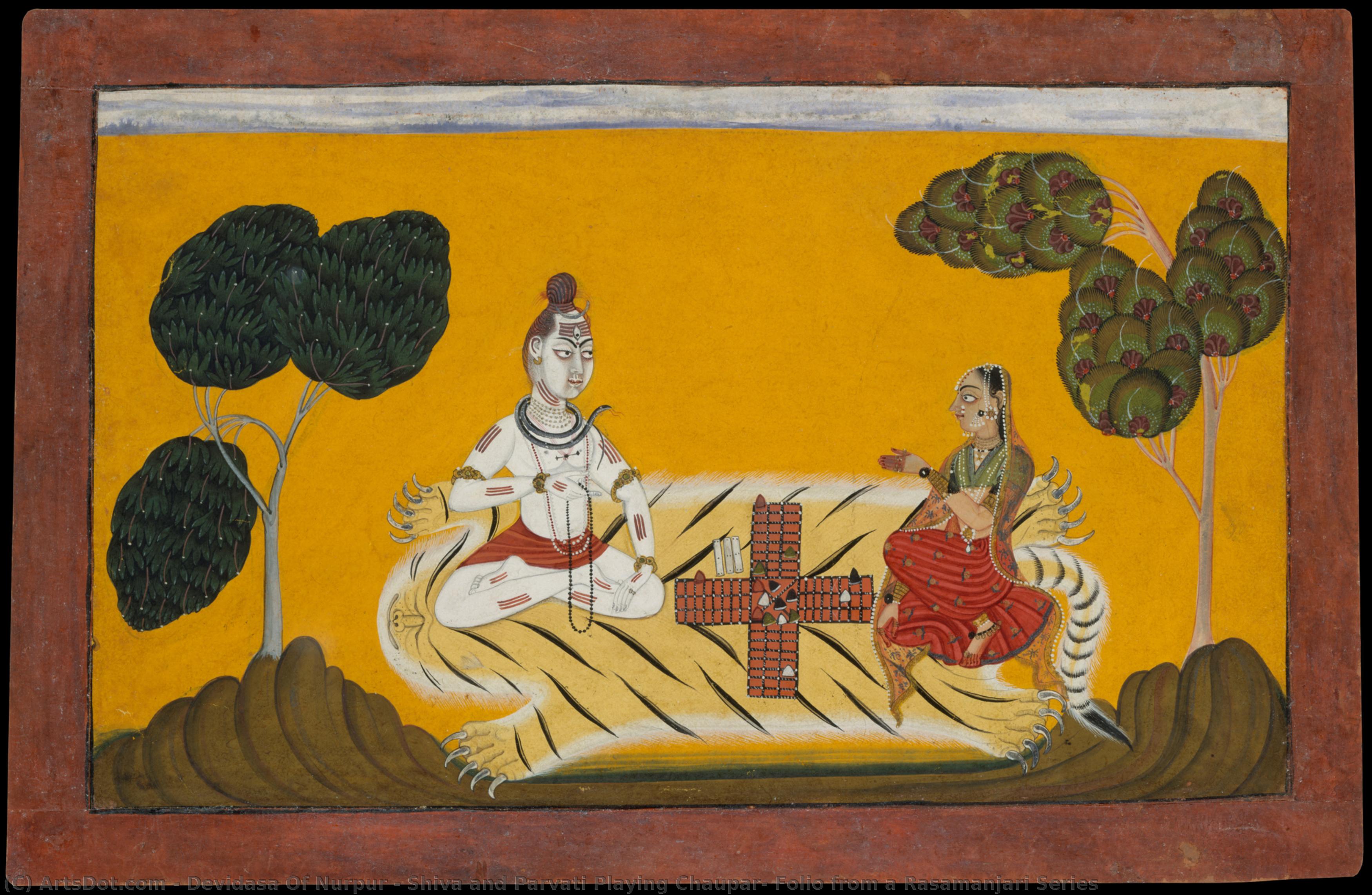
Shiva and Parvati Playing Chaupar: Folio from a Rasamanjari Series
 1694
1694 17.0 x 28.0 cm
 Читать далее
Масляная репродукция ручной работы
Картина маслом на холсте в выбранном вами размере и раме, написанная на заказ нашими художниками. ( Перейти к печати Перейти к цифровым изображениям)




































Выберите один из наших стандартных размеров, соответствующих оригинальным пропорциям произведения искусства.

Вы можете указать собственные размеры, чтобы картина идеально вписалась в выбранную раму или пространство. Если выбранный вами размер не соответствует пропорциям оригинала, мы либо обрежем полотно, либо расширим его за счет дополнительных элементов, написанных вручную. Цифровой макет будет отправлен вам на утверждение перед началом производства.
Обратите внимание, что предварительный просмотр на экране не отражает фактическую обрезку или расширение. Только макет точно покажет окончательную композицию.
Хотя доступны индивидуальные размеры, мы рекомендуем выбирать вариант из предопределенного списка, чтобы сохранить исходные пропорции.
После оформления заказа команда ArtsDot.com свяжется с клиентом по электронной почте для уточнения деталей и предоставит предварительный макет
Доставка по всему миру () за 3–4 недели вместо стандартных 5 недель. (12 Сентябрь). Без компромиссов в качестве.

Бесплатная экспресс-доставка по всему миру

Высококачественный льняной холст

Полное страхование доставки

Гарантия возмещения таможенных пошлин

Гарантия точного соответствия цветов

100-дневная политика возврата (только при обнаружении дефектов)

Гарантия возврата 100% средств

Предложение оптовых скидок
 Вариант со стеклом доступен только для размеров менее 110 см

Shiva and Parvati Playing Chaupar: Folio from a Rasamanjari Series
Техника репродукции
Размер репродукции
-


Итоговая стоимость
$ 263
Похожие произведения



Биография художника
The Lineage of Nurpur
Devidasa of Nurpur emerged from the vibrant artistic traditions of the Punjab Hills during a transformative era in Indian art history. Active between approximately 1680 and 1720, his life was deeply intertwined with the familial workshop culture that defined the period. He was the son of Kripal, a master artist whose influence shaped the foundation of the family's creative output. Growing up within this lineage, Devidasa was immersed from a young age in the rigorous training required to master the Pahari style. This apprenticeship allowed him to inherit not just technical skill, but a profound understanding of the cultural and spiritual narratives that would become the heartbeat of his work. His development was a seamless continuation of a legacy, blending the ancestral techniques of his father with his own burgeoning mastery of color and form.A Symphony of Color and Form
The aesthetic essence of Devidasa’s work lies in its breathtaking ability to balance abstraction with intricate detail. His paintings are quintessential examples of the Pahari school, characterized by a striking use of bright, saturated pigments and a deliberate sense of flatness that elevates the subject matter beyond mere representation. Through delicate, flowing lines, he captured the ethereal beauty of Hindu mythology and the intimate nuances of everyday life. There is a captivating tension in his compositions, where the refined, sophisticated influence of Mughal painting meets the bold, emotive energy of the Rajput tradition. This synthesis allowed him to create scenes that felt both structurally precise and spiritually resonant, using color not just as decoration, but as a tool to evoke deep emotional responses from the viewer.Masterpieces and Enduring Legacy
The brilliance of Devidasa’s artistry is most vividly realized in his celebrated series, such as the Rasamanjari. His masterpiece, Shiva and Parvati playing chaupar, stands as a testament to his ability to render divine intimacy through masterful composition. Other notable works, including the poignant Sanehi ragini and depictions of lovers caught in the throes of quarrel, showcase his skill in portraying complex human emotions through stylized forms. The historical significance of his work is preserved in some of the world's most esteemed galleries, with his paintings held in the permanent collections of the Metropolitan Museum of Art in New York and the Museum of Fine Arts, Boston. Beyond his individual achievements, Devidasa’s stylistic innovations left an indelible mark on the trajectory of Indian miniature painting, influencing subsequent masters such as Nainsukh and Sajnu, ensuring that his vision remains a vital part of the global art canon.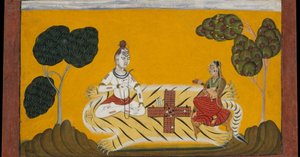
devidasa of nurpur
India
Основные сведения
- Artistic Movement Or Style: World Goes Pop
- Artists Or Movements Influenced By This Artist: ['Influenced by pop art movement']
- Artists Who Influenced This Artist: ['Influenced by diverse artists in The World Goes Pop exhibition']
- Date Of Death: Living
- Notable Artworks: ['Various works featured in The World Goes Pop exhibition']
- Place Of Birth: WahooArt