


 Предпросмотр
 Поделиться
 Поделиться
 Детали произведения

 Скачать
 Похожие работы
 Рентгенография
 Слайд-шоу
 Статистика
Leto Giving Birth to Apollo and Diana on the Island of Delos
 Engraving
- Renaissance engraving
 1560
1560- Renaissance
 407.0 x 560.0 cm
 Национальная галерея искусств
 Читать далее
Жикле / Арт-принт
Печать (жикле) или холст музейного качества с быстрыми сроками изготовления и широким выбором вариантов отделки. ( Купить картину ручной работы Перейти к цифровым изображениям)




P118B $10

P118H $10

P118W $10

P438Z $10

P508JH $12

P508YH $12

P805H $10

P805Z $10

P919BZ $10

P919G $10

P919XJ $10

P959ZH $10

P968JZ $12

W106C $8

W218G $10

W218JH $8

W218Y $10

W307PJ $10

W316G $10

W316PJ $8

W316Y $10

W398PJ $8

W4111J $10

W500HY $15

W500JH $15

W692G $12

W849H $8

W940BG $15

W953PJ $8
Выберите один из наших стандартных размеров, соответствующих оригинальным пропорциям произведения искусства.

Вы можете указать свои собственные размеры, чтобы репродукция идеально подошла под конкретную раму или пространство. Если выбранный вами размер не будет соответствовать пропорциям оригинала, мы либо обрежем произведение, либо дополним изображение зеркальным отражением краев или однотонной заливкой. Перед началом производства вам будет отправлен цифровой макет для утверждения.
Пожалуйста, обратите внимание, что предварительный просмотр на экране не отображает фактическую обрезку или расширение изображения. Только макет точно покажет финальную композицию.
Несмотря на возможность заказа индивидуальных размеров, мы рекомендуем выбирать размер из предопределенного списка, чтобы сохранить оригинальные пропорции.
Доставка по всему миру () за 2 недели вместо стандартных 4/5 недель. (15 Сентябрь)

Бесплатная экспресс-доставка по всему миру

Высококачественный льняной холст

Полное страхование доставки

Гарантия возмещения таможенных пошлин

Гарантия точного соответствия цветов

100-дневная политика возврата (только при обнаружении дефектов)

Гарантия возврата 100% средств

Предложение оптовых скидок
 Вариант со стеклом доступен только для размеров менее 110 см

Leto Giving Birth to Apollo and Diana on the Island of Delos
Жикле / Арт-принт
Размер репродукции
-


Итоговая стоимость
$ 62
A Divine Arrival in Monochrome: The Birth of Apollo and Diana
In the quiet, intricate lines of this 1560 engraving by the pioneering Italian artist Diana Scultori Ghisi, we are transported to the mythical shores of Delos. The scene captures a moment of profound cosmic significance: the birth of the twin deities Apollo and Diana. Through the masterful use of black and white etching, Scultology breathes life into a classical narrative, presenting a composition that feels both monumental and intimately human. At the heart of the work, Leto is depicted in the throes of labor, surrounded by a tableau of figures that ground this divine event in a sense of earthly reality. The presence of attendants, men standing watch, and even the subtle inclusion of animals like a horse in the periphery, creates a layered world where the sacred and the mundane intersect seamlessly.
The artistry of Scultori lies in her ability to translate the grandeur of Renaissance sculpture and painting into the delicate medium of printmaking. As a reproductive engraver, she possessed an extraordinary eye for detail, capturing the textures of fabric, the weight of classical vessels, and the subtle musculature of the human form. In this piece, the interplay of light and shadow—achieved through meticulous hatching and cross-hatching—gives the figures a sculptural presence that honors her influences, such as Giulio Romano. Every line serves to guide the viewer's eye across the landscape of Delos, from the elegant vases positioned near the edges to the central drama of the newborn gods, creating a rhythmic movement that keeps the observer captivated by the unfolding myth.
Beyond its technical brilliance, this engraving offers a rich tapestry of symbolism for the discerning collector. The birth of Apollo, the god of light and music, and Diana, the goddess of the moon and the hunt, represents a fundamental balance of natural forces. The objects scattered throughout the scene—the bowls, the vases, and the classical pottery—are not merely decorative; they act as anchors to the ancient Greek tradition, suggesting a world governed by ritual and divine order. For an interior designer or art enthusiast, this piece serves as a sophisticated focal point, bringing a sense of historical depth and intellectual curiosity to any space. It is more than a mere depiction of myth; it is an invitation to contemplate the enduring power of classical legends through the lens of one of the Renaissance's most remarkable female masters.
Похожие произведения


Биография художника
Diana Scultori: A Pioneering Renaissance Engraver
Early Life and Family Background
- Born: Approximately 1547 in Mantua, Italy.
- Family of Artists: Diana Scultori came from a family deeply rooted in the artistic world. Her father, Giovanni Battista Scultori (also known as Mantovano), was a respected sculptor and engraver who worked alongside Giulio Romano at the Palazzo del Tè.
- Training: She received her initial training in engraving from her father, an uncommon practice for women during the Renaissance. This early exposure laid the foundation for her future career.
Artistic Development and Influences
- Early Influences: Beyond her father, Diana was significantly influenced by Giulio Romano, whose style and subject matter would later appear in her engravings.
- Style & Technique: Scultori primarily worked as a reproductive engraver, meaning she created prints based on existing paintings, drawings, and sculptures. Her skill lay in accurately translating these works into the engraving medium.
- Vasari’s Recognition: She gained early recognition when Giorgio Vasari mentioned her talent in the second edition of his *Lives of the Artists* (1568), a significant acknowledgment for a female artist of that era.
Life in Rome and Marriage to Francesco da Volterra
- Move to Rome: In 1575, Diana married the architect Francesco da Volterra (also known as Capriani) and moved with him to Rome.
- Business Acumen: Once in Rome, she skillfully used her understanding of the art world to promote her husband’s career. She actively sought opportunities for him and leveraged her own artistic talents to support his endeavors.
- Papal Privilege: A pivotal moment was receiving a Papal Privilege on June 5, 1575. This rare authorization allowed her to legally produce and sell her engravings independently, protecting her work from unauthorized reproduction – an unusual step for a woman at the time.
Major Achievements and Artistic Output
- Engraving Focus: Diana’s engravings often featured religious and mythological subjects, frequently based on works by Raphael, Giulio Romano, and ancient Roman sculptures.
- Architectural Prints: She created a series of prints detailing architectural elements – column capitals, volutes, moldings – likely intended for architects and students. These demonstrate her keen eye for detail and understanding of design principles.
- Signature & Dating: Diana consistently signed and dated her work, emphasizing her authorship and establishing a clear record of her artistic production.
- Last Known Print: Her last known print dates to 1588, suggesting she may have shifted focus after this point, potentially dedicating more time to supporting her husband’s career or managing family affairs.
Historical Significance and Legacy
- Pioneering Female Artist: Diana Scultori stands as one of the earliest documented female printmakers, breaking barriers in a male-dominated field.
- Renaissance Context: Her career reflects the changing social landscape of the Renaissance, where women were gaining limited but increasing opportunities to pursue artistic endeavors.
- Business Savvy: She was not only a talented artist but also a shrewd businesswoman who understood how to navigate the art market and protect her interests.
- Lasting Impact: Diana Scultori’s work provides valuable insight into Renaissance artistic practices, printmaking techniques, and the lives of women artists during this period.
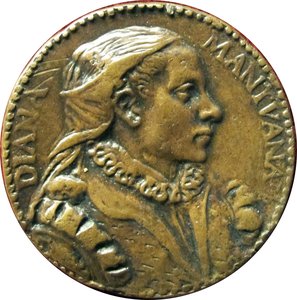
diana scultori ghisi
1547 - 1612 , Italy
Основные сведения
- Birth Date: 1547
- Birth Place: Mantua, Italy
- Death Date: 1612
- Influenced By:
- Giovanni Battista Scultori
- Giulio Romano
- Movement: Renaissance
- Name: Diana Scultori
- Nationality: Italian
- Notable Works:
- Christ Making Peter Head of the Church
- Leto Giving Birth to Apollo and Diana on the Island of Delos
- Christ and the Woman Taken in Adultery
Похожие статьи

Monochrome Visions: Exploring the Aesthetic & Historical Significance of Black & White Photography
Explore the rich history & artistic power of black and white photography. From early techniques to iconic masters like Ansel Adams, discover why monochrome continues to captivate art lovers today. Expert insights for collectors.
Engraving: A Historical Survey of Technique, Artistic Expression & Enduring Legacy
Explore the rich history of engraving with ArtsDot. Discover techniques, iconic artists like Dürer & Callot, collecting tips, and expert guidance for preserving your art investment. Learn about intaglio printing & more!
10 шедевров гравюры, изменивших искусство навсегда | ArtsDot
Откройте для себя 10 легендарных шедевров гравюры от Дюрера, Гойи и Рембрандта! Узнайте историю создания этих культовых работ и их влияние на искусство. Репродукции высокого качества для вашего интерьера – ArtsDot.

Топ-10 знаменитых картин в черных тонах: шедевры искусства для вашего интерьера
Погрузитесь в мир темных шедевров! Топ-10 знаменитых картин в черных тонах от Гойи, Рембрандта и Мунка. История искусства, техники живописи и вдохновение для вашего интерьера. Купите репродукции высокого качества на ArtsDot.com

Белые шедевры: 10 знаменитых картин, покоривших мир (репродукции, декор)
Откройте для себя 10 знаменитых картин, где белый цвет – главный герой! Моне, Дега и другие мастера. История искусства, техники живописи и вдохновение для вашего интерьера. Репродукции высокого качества на ArtsDot.com