

 Предпросмотр
 Поделиться
 Поделиться
 Детали произведения

 Скачать
 Похожие работы
 Рентгенография
 Слайд-шоу
 Статистика
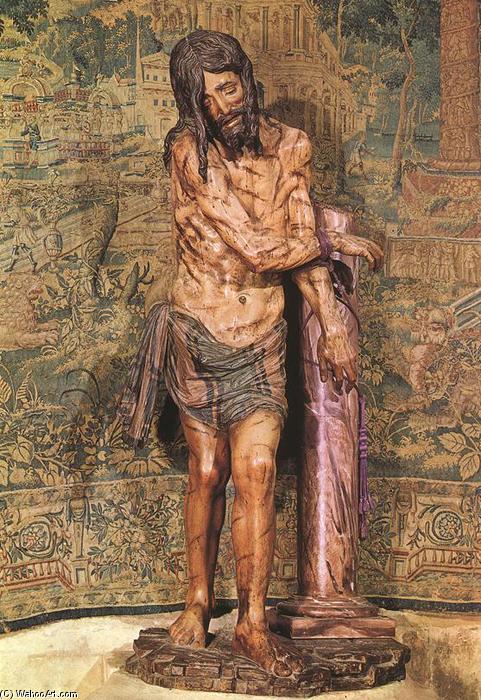
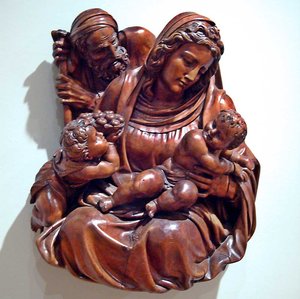
Christ at the Column


 Читать далее
Приобретите цифровое изображение высокого разрешения в улучшенном качестве, которое значительно превосходит онлайн-превью.
Каждый файл тщательно подготавливается нашими специалистами с использованием передовых инструментов и экспертной ручной ретуши. Мы гарантируем исключительную четкость, точную цветопередачу и детальную проработку каждого изображения.
Финальный файл доставляется по электронной почте в течение 72 часов и оптимизирован для немедленного использования в профессиональной среде, при верстке и печати. Это тот же уровень качества, которому доверяют ведущие дизайнерские студии, издательства и галереи.
Цифровое изображение
Скачайте файл высокого разрешения для личного использования, печати и творческих проектов. ( Перейти к печати Купить картину ручной работы)
Включено в каждый заказ цифровых изображений
Гарантия экспертной цифровой доставки
Выбирая ArtsDot.com, вы получаете не просто изображение — вы приобретаете профессионально обработанное цифровое произведение искусства, созданное с безупречной точностью и под защитой гарантии качества. Вот всё, что автоматически входит в ваш заказ:

Мгновенная доставка по e-mail
Ваш цифровой файл в высоком разрешении будет отправлен вам по электронной почте в течение 72 часов после оформления заказа — и сразу станет доступен для использования.

Цифровой файл с ИИ-улучшением
Ваше произведение искусства проходит профессиональную оптимизацию с использованием передовых инструментов ИИ и ручной обработки, что гарантирует максимальную детализацию, четкость и точность цветопередачи.

Бессрочная бесплатная повторная доставка
Случайно удалили или потеряли файл? Не беспокойтесь — мы отправим его вам повторно в любое время и совершенно бесплатно.

Без импортных пошлин — навсегда
Наслаждайтесь вашим произведением искусства мгновенно без таможенных пошлин, сборов или затрат на доставку — цифровые загрузки всегда не облагаются налогом.

Гарантия точности цветопередачи
Мы гарантируем, что ваше цифровое изображение максимально точно передает оригинальные цвета благодаря использованию профессиональных инструментов и систем управления цветом.

Гарантия удовлетворенности 100 дней
Если вы не будете удовлетворены своим цифровым изображением, мы внесем правки или вернем 100% стоимости в течение 100 дней — без лишних вопросов.

100% Гарантия возврата средств
Не удовлетворены покупкой? Получите полный возврат средств в течение 100 дней после получения цифрового файла — без лишних вопросов.

Скидки на оптовые заказы
Купите 3 изображения, сэкономьте 10% — Купите 5, сэкономьте 15% — Купите 10+, сэкономьте 20%. Отличное решение для творческих проектов, галерей и агентств.
Похожие произведения







Биография художника
The Architect of the Renaissance Soul
Diego de Siloe stands as a pivotal figure in the artistic landscape of Spain during the Renaissance, recognized primarily for his groundbreaking contributions to sculpture and architecture. As the progenitor of the Granadan school of sculpture, he orchestrated a profound stylistic shift that would redefine the visual identity of southern Spain. Born in Burgos around 1495, Siloe was likely the son of Gil de Siloé, a prominent Gothic sculptor whose established presence in Flanders provided Diego with a rich, inherited connection to the intricate traditions of Northern Europe. This familial lineage, rooted in the delicate and ornate Gothic aesthetic, served as the foundation upon which Siloe would build his revolutionary synthesis of styles, blending the structural rigor of Italian Classicism with the lingering elegance of the Mudéjar and Gothic heritencies.
The evolution of Siloe’s artistic vision was deeply shaped by his travels and exposure to the burgeoning humanist ideals sweeping across the continent. His journey to Naples around 1517 proved transformative, as he encountered the monumental innovations championed by masters such as Donato Bramante and Filippo Brunelleschi. These architects, who were actively reshaping Roman grandeur into a new, balanced humanism, instilled in Siloe a lifelong reverence for classical proportions and architectural harmony. This period of discovery allowed him to transcend his Burgundian roots, integrating the rhythmic complexity of Spanish tradition with the disciplined grace of the Italian Renaissance.
A Legacy Carved in Stone and Spirit
Siloe’s early career in Burgos serves as a breathtaking testament to his ability to navigate disparate artistic languages. The monumental staircase of Burgos Cathedral, completed in 1519, remains one of his most evocative achievements. In this structure, one witnesses a bold departure from traditional cathedral design; it is a space where soaring Gothic verticality meets a new, sophisticated ornamentation. Adorned with intricate carvings of cherubs, heraldic coats of arms, and lush vegetal motifs, the staircase defies the conventional limitations of its location on the city's northern flank. Through innovative structural solutions, Siloe created a sense of movement and grandeur that bridged the gap between the medieval past and the classical future.
As his career progressed, Siloe’s influence moved southward, eventually establishing him as the master of Granada. His most enduring legacy lies in his monumental designs for the Granada Cathedral and the Monastery of Saint Jerome. In these projects, he did not merely build; he sculpted space itself. By weaving together the delicate textures of the Plateresque style with the robust dignity of Renaissance architecture, he created a unique aesthetic that felt both profoundly Spanish and cosmopolitally modern. His work in Granada became the cornerstone of a new regional identity, ensuring that his name would be forever etched into the very fabric of Spanish history.
The significance of Diego de Siloe extends far beyond the physical structures he left behind. He was an artist of transition, a bridge-builder who understood that true innovation requires a deep respect for tradition. His ability to harmonize the following elements defines his historical importance:
- Gothic Intricacy: The preservation of detailed, ornamental storytelling inherited from his father's lineage.
- Italian Classicism: The adoption of mathematical proportion, symmetry, and Roman-inspired grandeur.
- Mudéjar Influence: The integration of the unique, decorative Moorish-influenced patterns characteristic of the Iberian Peninsula.
- Plateresque Elegance: A mastery of silver-like, highly detailed surface ornamentation that defines the Spanish Renaissance.
Diego de Siloe
1495 - 1563 , Spain
Основные сведения
- Artistic Movement Or Style: Renaissance, Plateresque
- Artists Or Movements Influenced By This Artist: Filippo Brunelleschi
- Artists Who Influenced This Artist: Gil de Siloé
- Date Of Birth: ca. 1495
- Date Of Death: 1563
- Full Name: Diego de Siloe
- Nationality: Spanish
- Notable Artworks:
- Burgos Cathedral Staircase
- Granada Cathedral
- Monastery of Saint Jerome
- Place Of Birth: Burgos, Spain