

 Предпросмотр
 Поделиться
 Поделиться
 Детали произведения

 Скачать
 Похожие работы
 Рентгенография
 Слайд-шоу
 Статистика
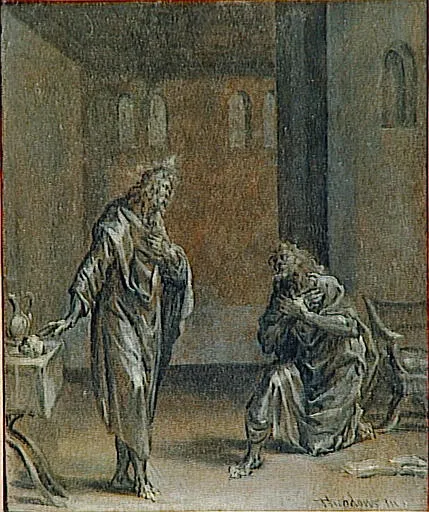
JESUS APPARAIT A SAINT PIERRE


 Читать далее
Приобретите цифровое изображение высокого разрешения в улучшенном качестве, которое значительно превосходит онлайн-превью.
Каждый файл тщательно подготавливается нашими специалистами с использованием передовых инструментов и экспертной ручной ретуши. Мы гарантируем исключительную четкость, точную цветопередачу и детальную проработку каждого изображения.
Финальный файл доставляется по электронной почте в течение 72 часов и оптимизирован для немедленного использования в профессиональной среде, при верстке и печати. Это тот же уровень качества, которому доверяют ведущие дизайнерские студии, издательства и галереи.
Цифровое изображение
Скачайте файл высокого разрешения для личного использования, печати и творческих проектов. ( Перейти к печати Купить картину ручной работы)
Включено в каждый заказ цифровых изображений
Гарантия экспертной цифровой доставки
Выбирая ArtsDot.com, вы получаете не просто изображение — вы приобретаете профессионально обработанное цифровое произведение искусства, созданное с безупречной точностью и под защитой гарантии качества. Вот всё, что автоматически входит в ваш заказ:

Мгновенная доставка по e-mail
Ваш цифровой файл в высоком разрешении будет отправлен вам по электронной почте в течение 72 часов после оформления заказа — и сразу станет доступен для использования.

Цифровой файл с ИИ-улучшением
Ваше произведение искусства проходит профессиональную оптимизацию с использованием передовых инструментов ИИ и ручной обработки, что гарантирует максимальную детализацию, четкость и точность цветопередачи.

Бессрочная бесплатная повторная доставка
Случайно удалили или потеряли файл? Не беспокойтесь — мы отправим его вам повторно в любое время и совершенно бесплатно.

Без импортных пошлин — навсегда
Наслаждайтесь вашим произведением искусства мгновенно без таможенных пошлин, сборов или затрат на доставку — цифровые загрузки всегда не облагаются налогом.

Гарантия точности цветопередачи
Мы гарантируем, что ваше цифровое изображение максимально точно передает оригинальные цвета благодаря использованию профессиональных инструментов и систем управления цветом.

Гарантия удовлетворенности 100 дней
Если вы не будете удовлетворены своим цифровым изображением, мы внесем правки или вернем 100% стоимости в течение 100 дней — без лишних вопросов.

100% Гарантия возврата средств
Не удовлетворены покупкой? Получите полный возврат средств в течение 100 дней после получения цифрового файла — без лишних вопросов.

Скидки на оптовые заказы
Купите 3 изображения, сэкономьте 10% — Купите 5, сэкономьте 15% — Купите 10+, сэкономьте 20%. Отличное решение для творческих проектов, галерей и агентств.
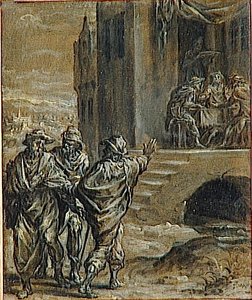
Jésus apparaissant à saint Pierre – Une Étreinte Divine Capturée dans la Lumière du Nord
La peinture intitulée « Jésus apparaissant à saint Pierre » attribuée à Dirck Barendsz, réalisée vers 1580-1585, offre une fenêtre fascinante sur les préoccupations esthétiques et spirituelles de l’École néerlandaise du Nord au XVIe siècle. Cette œuvre remarquable, aujourd'hui conservée au musée du Louvre dans le cadre des nouvelles acquisitions du département des peintures (RF 1986-50), témoigne d'une maîtrise exceptionnelle de la lumière et de l'ombre – une caractéristique emblématique du style nordique qui cherchait à évoquer la beauté intérieure et la profondeur émotionnelle.- Subject Matter: La scène représente un événement biblique fondamental : l’apparition de Jésus Christ à Saint Pierre après sa résurrection, comme rapporté dans le quatrième évangile de Luc (XXIV, 34-35). Cette rencontre divine est au cœur du récit chrétien et incarne la foi et la révélation.
- Style: L'œuvre appartient au mouvement baroque nordique, bien qu’elle soit dépourvue des excès flamboyants propres à cette période. Elle partage avec les autres peintres de cette école une volonté d'obtenir une représentation réaliste et expressive du monde naturel et humain, tout en utilisant des effets dramatiques pour communiquer une émotion puissante.
- Technique: Barendsz utilise une technique raffinée basée sur la méthode du dessin grisaille – une approche innovatrice qui permettait de créer des peintures à l'huile avec une profondeur et une richesse chromatique remarquable. Les couleurs sont appliquées en couches fines et translucides, créant une atmosphère douce et lumineuse où les formes sont définies avec précision grâce à une étude minutieuse du clair-obscur.
- Historical Context: Cette peinture est née dans un contexte religieux intense marqué par la Réforme protestante et l’influence de la pensée humaniste. Les artistes étaient préoccupés par la recherche d'une beauté idéale inspirée par les valeurs chrétiennes et cherchaient à exprimer leur propre sensibilité artistique au travers des œuvres qu’ils produisaient.
- Symbolism & Emotional Impact: La posture humble et reverente de Saint Pierre souligne sa dévotion et son désir de communion avec Dieu, tandis que la lumière éclatante illuminant le visage de Jésus évoque sa puissance divine et son amour universel. L'ensemble crée une atmosphère chargée d’émotions où le spectateur est invité à contempler la beauté intérieure et la profondeur spirituelle de cette scène sacrée.
Похожие произведения
Биография художника
Antonio Allegri da Correggio: A Pioneer of Illusion and Emotion
Antonio Allegri da Correggio, born in the small town of Correggio in Emilia-Romagna around 1489 and tragically dying there in 1534, remains one of the most enigmatic and profoundly influential figures of the Italian Renaissance. Often simply known as “Correggio,” his name evokes a sense of both mystery and breathtaking artistic achievement. While much about his early life remains shrouded in speculation – he wasn’t a self-taught artist, but rather benefited from an uncle's painting skills and likely received foundational training in Mantua under the tutelage of the great Andrea Mantegna – Correggio quickly transcended his origins to become a revolutionary force in the visual arts. His legacy isn’t defined by meticulously rendered portraits or grand historical narratives; instead, it lies in his audacious manipulation of space, light, and color, creating an intensely emotional and immersive experience for the viewer. He was a master of illusionism, pushing the boundaries of what was considered possible within the confines of fresco painting and laying crucial groundwork for the Baroque era to come.Early Influences and Artistic Development
Correggio’s artistic journey began in his hometown, where he honed his skills under his uncle Lorenzo Allegri. However, it's widely believed that a formative period occurred in Mantua around 1506, where he encountered the profound influence of Andrea Mantegna. The meticulous detail, classical references, and dramatic use of perspective evident in Correggio’s early works – such as the *Adoration of the Child with St. Elizabeth and John* (c. 1505-1508) – clearly demonstrate this debt to his mentor. Following Mantua, he spent time in Modena, absorbing the stylistic elements of Lorenzo Costa and Francesco Francia, artists known for their rich colors and dramatic lighting. This diverse exposure created a unique synthesis within Correggio’s artistic vocabulary. He wasn't simply imitating these masters; he was actively integrating their techniques into his own distinctive style, adding an unprecedented dynamism and sensuality. Crucially, around 1514-1515, he began working on the *Virgin of St Francis* for the church of S. Francesco in Correggio – a painting that showcased his burgeoning understanding of optics and perspective, foreshadowing the revolutionary techniques he would later employ.The Frescoes of Parma: A Revolutionary Approach
Correggio’s most significant achievements unfolded during his decade-long residency in Parma (1520-1534). Here, he was commissioned to decorate three monumental fresco cycles within the city's cathedral and other important buildings – the Camera di San Paolo, the dome of San Giovanni Evangelista, and the dome of the Cathedral itself. These works represent a radical departure from traditional Renaissance painting and established Correggio as a true innovator. The *Vision of St John the Evangelist on Patmos* (1520-1524) in the Camera di San Paolo is particularly noteworthy for its innovative use of grisaille – monochromatic figures painted against a light-colored background – to create an illusion of sculpted relief, mimicking the architectural forms of the lunettes. The dome of San Giovanni Evangelista further explored this concept, depicting heroic figures within a dynamic, almost theatrical space. However, it was the fresco on the dome of Parma Cathedral that cemented Correggio’s reputation as a visionary artist. The *Assumption of the Virgin* (1526-1530) is arguably his masterpiece – an audacious feat of illusionism where the dome transforms into a gateway to heaven, with figures seemingly ascending through a vortex of light and color. Correggio employed techniques like foreshortening—extending lines dramatically into space—to create a sense of overwhelming depth and movement, drawing the viewer directly into the scene. This daring manipulation of perspective was unprecedented in Western art and profoundly influenced generations of artists to come.Mythological Visions and Lasting Influence
Beyond his architectural frescoes, Correggio also produced a series of smaller, intensely emotional paintings – altarpieces, devotional panels, and mythological scenes. Works like *Jupiter and Io* (c. 1528) and *Venus and Cupid with a Satyr* (c. 1523-1525) exemplify his masterful use of color, composition, and psychological insight. These paintings are characterized by their sensuality, dynamism, and dramatic lighting—qualities that would become hallmarks of the Baroque style. His influence extended far beyond his own lifetime. Artists like Giovanni Battista Crespi, Paolo Veronese, and even Michelangelo himself were deeply indebted to Correggio’s innovations in perspective, color theory, and emotional expression. Correggio's pioneering use of foreshortening, dynamic composition, and illusionistic space paved the way for the dramatic intensity and theatricality that would define the Baroque era. His legacy is not simply one of technical mastery but also of a profound shift in the way artists approached representation—a move towards creating immersive experiences that engaged the viewer’s emotions and imagination.A Legacy of Illusion and Emotion
Despite his untimely death at the age of 44, Antonio Allegri da Correggio left an indelible mark on the history of art. His innovative techniques and emotionally charged compositions continue to captivate viewers centuries later. The *Assumption of the Virgin* in Parma remains a testament to his genius—a breathtaking spectacle of illusionism that challenges our perception of space and time. Correggio’s work serves as a powerful reminder of the transformative potential of artistic vision, demonstrating how a single artist can reshape the course of art history through daring experimentation and profound emotional expression.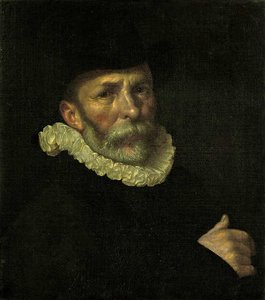
dirck barendsz
1534 - 1592
Основные сведения
- Artistic Movement Or Style: High Renaissance, Mannerism
- Artists Or Movements Influenced By This Artist:
- Baroque
- Rococo
- Artists Who Influenced This Artist:
- Mantegna
- Leonardo da Vinci
- Costa
- Francia
- Date Of Birth: August 1489
- Date Of Death: March 5, 1534
- Full Name: Antonio Allegri da Correggio
- Nationality: Italian
- Notable Artworks:
- Assumption of the Virgin
- Jupiter and Io
- School of Love
- Place Of Birth: Correggio, Italy