

 Предпросмотр
 Поделиться
 Поделиться
 Детали произведения

 Скачать
 Похожие работы
 Рентгенография
 Слайд-шоу
 Статистика
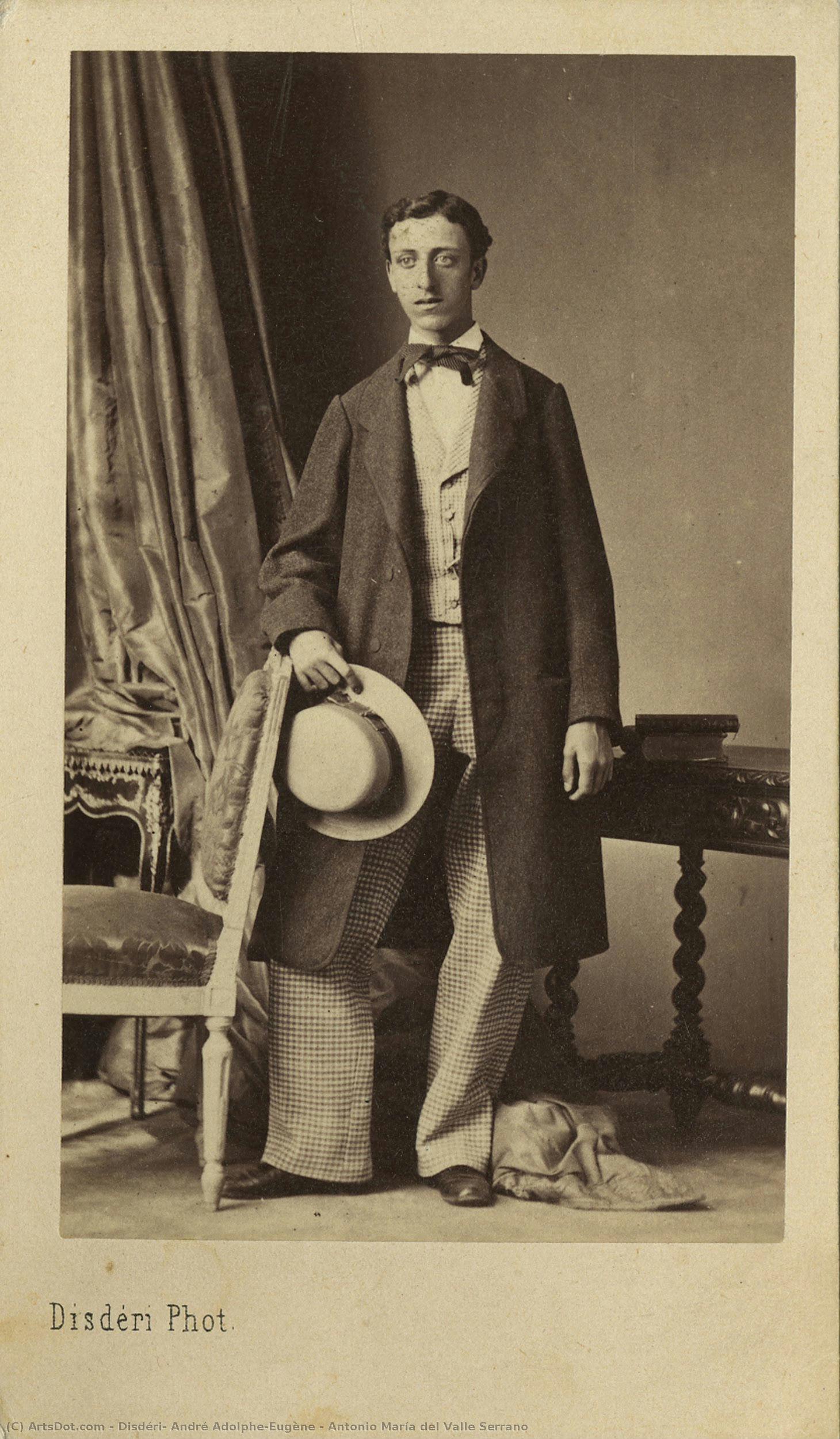
Antonio María del Valle Serrano


 Читать далее
Приобретите цифровое изображение высокого разрешения в улучшенном качестве, которое значительно превосходит онлайн-превью.
Каждый файл тщательно подготавливается нашими специалистами с использованием передовых инструментов и экспертной ручной ретуши. Мы гарантируем исключительную четкость, точную цветопередачу и детальную проработку каждого изображения.
Финальный файл доставляется по электронной почте в течение 72 часов и оптимизирован для немедленного использования в профессиональной среде, при верстке и печати. Это тот же уровень качества, которому доверяют ведущие дизайнерские студии, издательства и галереи.
Цифровое изображение
Скачайте файл высокого разрешения для личного использования, печати и творческих проектов. ( Перейти к печати Купить картину ручной работы)
Включено в каждый заказ цифровых изображений
Гарантия экспертной цифровой доставки
Выбирая ArtsDot.com, вы получаете не просто изображение — вы приобретаете профессионально обработанное цифровое произведение искусства, созданное с безупречной точностью и под защитой гарантии качества. Вот всё, что автоматически входит в ваш заказ:

Мгновенная доставка по e-mail
Ваш цифровой файл в высоком разрешении будет отправлен вам по электронной почте в течение 72 часов после оформления заказа — и сразу станет доступен для использования.

Цифровой файл с ИИ-улучшением
Ваше произведение искусства проходит профессиональную оптимизацию с использованием передовых инструментов ИИ и ручной обработки, что гарантирует максимальную детализацию, четкость и точность цветопередачи.

Бессрочная бесплатная повторная доставка
Случайно удалили или потеряли файл? Не беспокойтесь — мы отправим его вам повторно в любое время и совершенно бесплатно.

Без импортных пошлин — навсегда
Наслаждайтесь вашим произведением искусства мгновенно без таможенных пошлин, сборов или затрат на доставку — цифровые загрузки всегда не облагаются налогом.

Гарантия точности цветопередачи
Мы гарантируем, что ваше цифровое изображение максимально точно передает оригинальные цвета благодаря использованию профессиональных инструментов и систем управления цветом.

Гарантия удовлетворенности 100 дней
Если вы не будете удовлетворены своим цифровым изображением, мы внесем правки или вернем 100% стоимости в течение 100 дней — без лишних вопросов.

100% Гарантия возврата средств
Не удовлетворены покупкой? Получите полный возврат средств в течение 100 дней после получения цифрового файла — без лишних вопросов.

Скидки на оптовые заказы
Купите 3 изображения, сэкономьте 10% — Купите 5, сэкономьте 15% — Купите 10+, сэкономьте 20%. Отличное решение для творческих проектов, галерей и агентств.
Похожие произведения
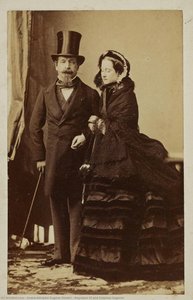
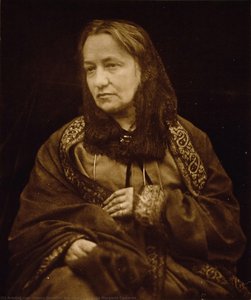
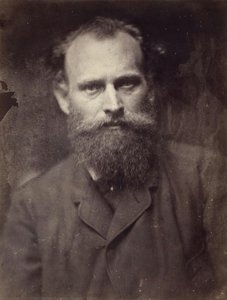
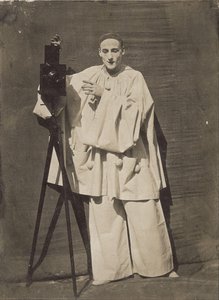
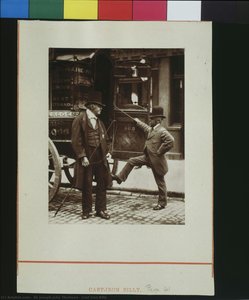
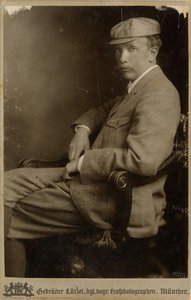
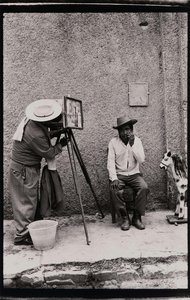
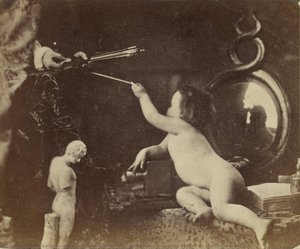
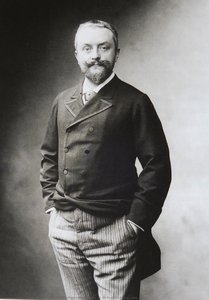
Биография художника
André-Adolphe-Eugène Disdéri: The Architect of the Snapshot Age
André-Adolphe-Eugène Disdéri’s name is inextricably linked to a pivotal moment in photographic history – the rise of mass portraiture. Born in Paris in 1819, Disdéri wasn't initially destined for the world of images; his early life involved various occupations, including working as a clerk and even a stagehand. However, a fascination with art and a burgeoning interest in the nascent technology of photography led him to embrace the medium, beginning his career as a daguerreotypist – a process known for its exquisite detail but also its cumbersome nature and high cost. It was this initial experience that ultimately fueled his ambition: to democratize portraiture and make it accessible to the masses.
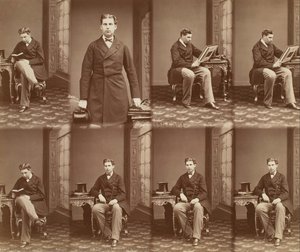
Disdéri’s breakthrough came with the invention of the carte de visite, a small photographic image mounted on a card – roughly the size of a modern business card. This innovation was revolutionary. Previously, portraits were largely the domain of the wealthy, requiring lengthy sittings and expensive prints. The carte de visite system allowed for multiple images to be produced from a single negative, dramatically reducing costs and making portrait photography a viable option for a wider audience. His meticulous approach to lighting and composition, combined with his understanding of mass production techniques, ensured that these small portraits were not merely reproductions but carefully crafted works of art.
The Rise of the “Temple of Photography”
Disdéri’s system quickly gained traction across Europe and America. His studio in Paris became legendary – dubbed by one visitor as “the Temple of Photography.” The atmosphere was opulent, reflecting the immense popularity of his service. He understood that presentation was key; he employed a team of assistants to dress subjects in fashionable attire, arrange elaborate backgrounds, and ensure a polished experience for each client. This theatrical approach elevated portraiture beyond a simple recording of likenesses, transforming it into a social event.
Crucially, Disdéri’s invention wasn't simply about replicating existing images; he actively promoted the format through clever marketing and strategic partnerships. He recognized the potential for mass distribution and collaborated with printing firms to streamline production. His meticulous attention to detail extended beyond the photographic process itself – he even designed the cards themselves, ensuring a consistent aesthetic that reinforced the carte de visite’s status as a fashionable collectible.
Technological Innovation and the Twin-Lens Reflex
Beyond the carte de visite, Disdéri was a prolific inventor. He developed several significant photographic techniques, including a system for producing multiple prints from a single negative – a crucial step in enabling mass production. However, his most enduring legacy may be the invention of the twin-lens reflex camera (TLR) in 1856. This revolutionary device, which allowed photographers to see the image they were composing through the lens before taking the shot, fundamentally altered the way photographs were made and influenced countless subsequent cameras.
The TLR offered a level of control and precision previously unavailable, allowing for greater artistic expression. Disdéri’s design was remarkably intuitive and adaptable, contributing significantly to its widespread adoption by both professional photographers and amateurs alike. It stands as a testament to his inventive spirit and his deep understanding of photographic principles.
A Legacy of Popularization
Despite his immense success, Disdéri's life ended in relative obscurity and poverty. The ease with which his system could be copied led to a flood of imitators, eroding his profits and diminishing his reputation. He died in 1889, a victim of the very innovation he had pioneered – a poignant reminder of the challenges faced by early pioneers in any technological field.
Nevertheless, André-Adolphe-Eugène Disdéri’s contribution to photography is undeniable. He didn't just capture images; he fundamentally changed how people viewed and interacted with them. He democratized portraiture, popularized the carte de visite, and invented a camera that would shape the future of photographic practice. His legacy endures not only in the countless portraits preserved as cartes de visite but also in the enduring influence of his innovations on the art form itself. He truly architected the snapshot age, forever altering our relationship with visual representation.
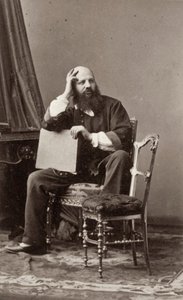
disdéri, andré adolphe-eugène
1819 - 1889 , France
Основные сведения
- Artistic Movement Or Style: Photography (Carte de visite)
- Artists Or Movements Influenced By This Artist: ['Carte de visite craze']
- Artists Who Influenced This Artist: ['Daguerre']
- Date Of Birth: 1819, Paris, France
- Date Of Death: 1889
- Full Name: André-Adolphe-Eugène Disdéri
- Nationality: French
- Notable Artworks:
- Portrait of Adolphe Crémieux
- Antonio María del Valle Serrano
- Place Of Birth: Paris, France