

 Предпросмотр
 Поделиться
 Поделиться
 Детали произведения

 Скачать
 Похожие работы
 Рентгенография
 Слайд-шоу
 Статистика
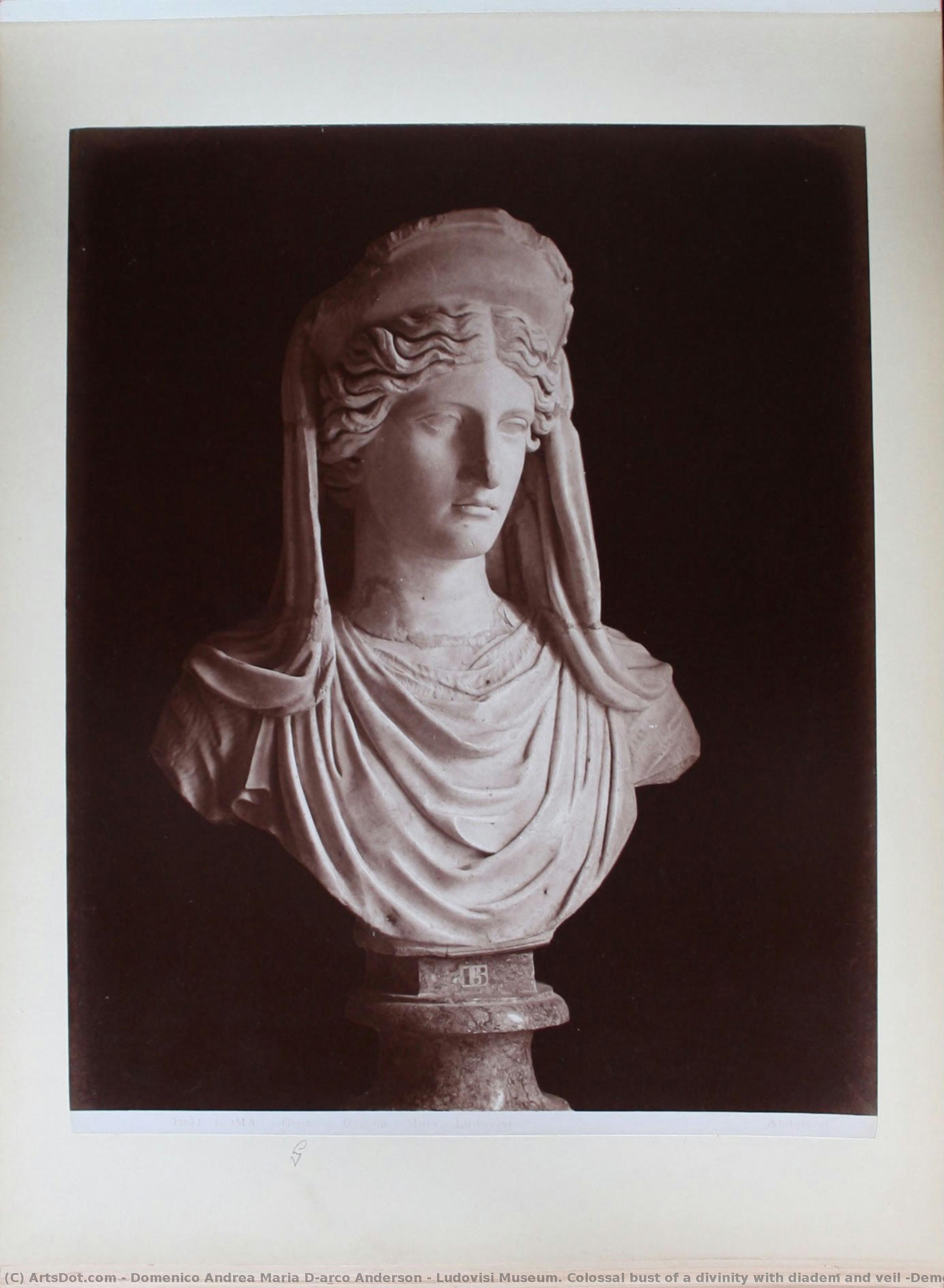
Ludovisi Museum. Colossal bust of a divinity with diadem and veil (Demeter?)

 Читать далее
Приобретите цифровое изображение высокого разрешения в улучшенном качестве, которое значительно превосходит онлайн-превью.
Каждый файл тщательно подготавливается нашими специалистами с использованием передовых инструментов и экспертной ручной ретуши. Мы гарантируем исключительную четкость, точную цветопередачу и детальную проработку каждого изображения.
Финальный файл доставляется по электронной почте в течение 72 часов и оптимизирован для немедленного использования в профессиональной среде, при верстке и печати. Это тот же уровень качества, которому доверяют ведущие дизайнерские студии, издательства и галереи.
Цифровое изображение
Скачайте файл высокого разрешения для личного использования, печати и творческих проектов. ( Перейти к печати Купить картину ручной работы)
Включено в каждый заказ цифровых изображений
Гарантия экспертной цифровой доставки
Выбирая ArtsDot.com, вы получаете не просто изображение — вы приобретаете профессионально обработанное цифровое произведение искусства, созданное с безупречной точностью и под защитой гарантии качества. Вот всё, что автоматически входит в ваш заказ:

Мгновенная доставка по e-mail
Ваш цифровой файл в высоком разрешении будет отправлен вам по электронной почте в течение 72 часов после оформления заказа — и сразу станет доступен для использования.

Цифровой файл с ИИ-улучшением
Ваше произведение искусства проходит профессиональную оптимизацию с использованием передовых инструментов ИИ и ручной обработки, что гарантирует максимальную детализацию, четкость и точность цветопередачи.

Бессрочная бесплатная повторная доставка
Случайно удалили или потеряли файл? Не беспокойтесь — мы отправим его вам повторно в любое время и совершенно бесплатно.

Без импортных пошлин — навсегда
Наслаждайтесь вашим произведением искусства мгновенно без таможенных пошлин, сборов или затрат на доставку — цифровые загрузки всегда не облагаются налогом.

Гарантия точности цветопередачи
Мы гарантируем, что ваше цифровое изображение максимально точно передает оригинальные цвета благодаря использованию профессиональных инструментов и систем управления цветом.

Гарантия удовлетворенности 100 дней
Если вы не будете удовлетворены своим цифровым изображением, мы внесем правки или вернем 100% стоимости в течение 100 дней — без лишних вопросов.

100% Гарантия возврата средств
Не удовлетворены покупкой? Получите полный возврат средств в течение 100 дней после получения цифрового файла — без лишних вопросов.

Скидки на оптовые заказы
Купите 3 изображения, сэкономьте 10% — Купите 5, сэкономьте 15% — Купите 10+, сэкономьте 20%. Отличное решение для творческих проектов, галерей и агентств.
Похожие произведения









Биография художника
The Visionary Lens of Domenico Anderson
In the mid-19th century, as the world stood on the precipice of a photographic revolution, Domenico Andrea Maria d'Arco Anderson emerged as a pioneering light in the Italian art scene. Born in Rome in 1827, Anderson was more than just a chronicler of his era; he was an artist who mastered the delicate alchemy of the calotype process. His journey into the heart of visual documentation began with a profound connection to the technical advancements of his time, specifically through the mentorship of the Scottish photographer James Simpson. This early exposure to the calotype method—a paper-based process that offered a softer, more painterly texture than the sharper daguerreotypes—allowed Anderson to infuse his images with a unique, atmospheric quality that bridged the gap between traditional lithography and the burgeoning medium of photography.
By 1854, Anderson had established his own studio in the eternal city of Rome, a space that became a crucible for capturing the soul of Italy. His work was characterized by an extraordinary clarity and a meticulous attention to detail, yet it never lost its sense of romantic composition. He possessed a rare ability to frame the monumental architecture of Rome not merely as static stone, but as living history. Through his lens, the Colosseum and the Roman Forum were transformed into evocative studies of light and shadow, providing a window into a period of profound historical transition. His talent for capturing both the grandeur of landscapes and the intimate nuances of portraiture earned him significant acclaim among his contemporaries, leading to collaborations with other luminaries of the photographic world, such as Robert Macpherson and Gustave Le Gray.
Technical Mastery and Artistic Legacy
The significance of Anderson's contribution lies in his dual mastery of photography and lithography. While his photographs documented the physical reality of 19th-century Italy, his lithographic works demonstrated a sophisticated technical skill that resonated with the fine arts community. This versatility allowed him to participate in the most prestigious international stages of his time, including the Paris International Exhibition of 1855 and the London International Exhibition of 1862. His ability to translate the textures of the Italian countryside and the intricate details of Roman monuments into reproducible art forms ensured that his vision reached an audience far beyond the borders of Italy.
Though his life was tragically short, ending in Florence in 1861, the impact of his work remains etched in the annals of photographic history. His archives serve as a vital historical record, preserved today in some of the world's most esteemed institutions:
- The National Gallery of Art in Washington D.C., where his ability to capture light is celebrated.
- The Metropolitan Museum of Art in New York, housing works that showcase his architectural precision.
- The Victoria and Albert Museum in London, recognizing his role in the evolution of photographic technique.
Today, we look back at Domenico Anderson not merely as a technician of the calotype, but as a true pioneer who helped define the aesthetic language of Italian photography. His work remains a testament to the power of the lens to capture the eternal essence of culture, history, and the sublime beauty of the natural world.
domenico andrea maria d'arco anderson
1827 - 1861