 Предпросмотр
 Поделиться
 Поделиться
 Детали произведения

 Скачать
 Похожие работы
 Рентгенография
 Слайд-шоу
 Статистика
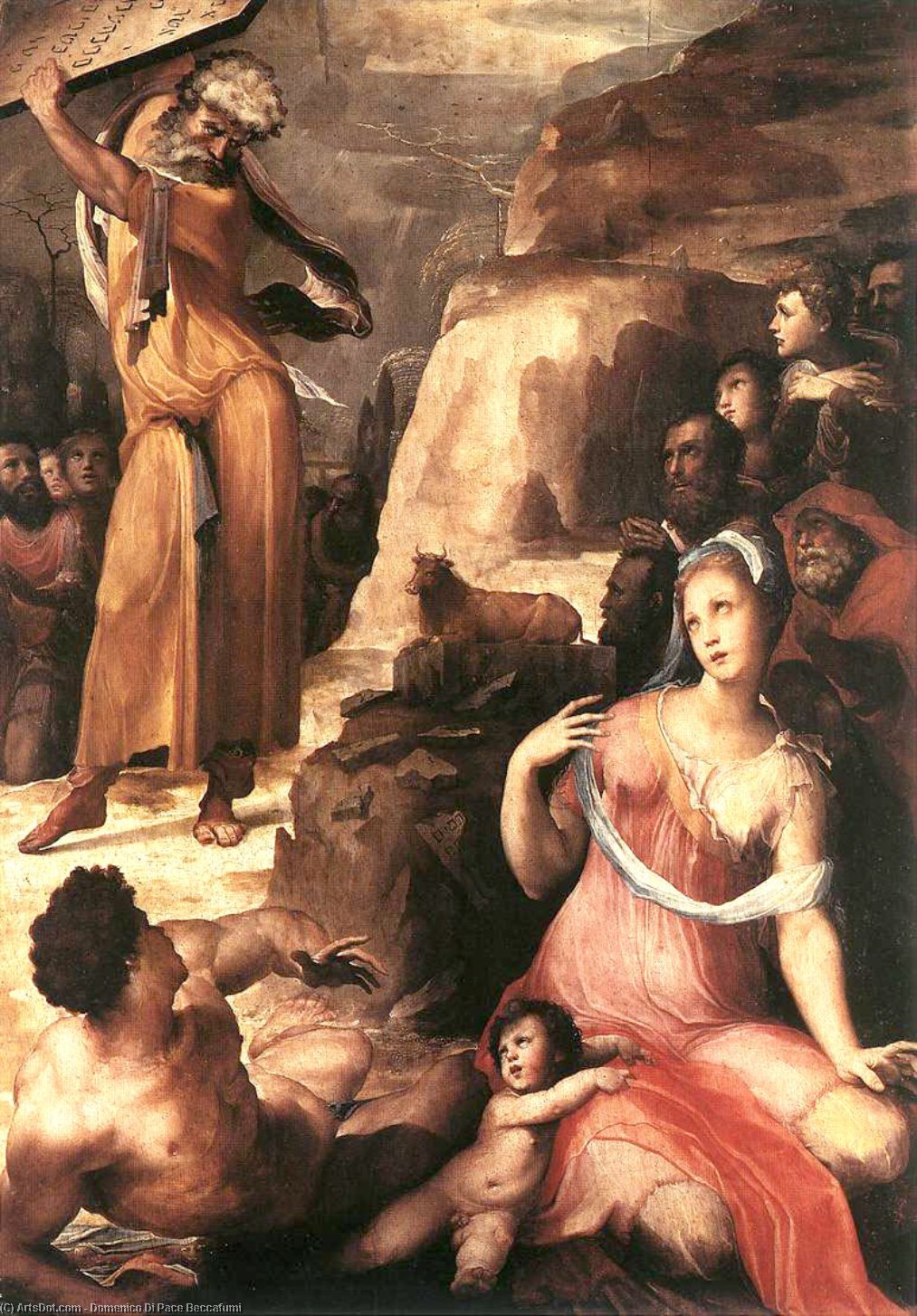
Moses and the Golden Calf
 Acrylic On Canvas
- WallArt
- Italian Mannerism
 1536
1536 197.0 x 139.0 cm
 Museo dell'Opera del Duomo
 Читать далее
Жикле / Арт-принт
Печать (жикле) или холст музейного качества с быстрыми сроками изготовления и широким выбором вариантов отделки. ( Купить картину ручной работы Перейти к цифровым изображениям)




P118B $10

P118H $10

P118W $10

P438Z $10

P508JH $12

P508YH $12

P805H $10

P805Z $10

P919BZ $10

P919G $10

P919XJ $10

P959ZH $10

P968JZ $12

W106C $8

W218G $10

W218JH $8

W218Y $10

W307PJ $10

W316G $10

W316PJ $8

W316Y $10

W398PJ $8

W4111J $10

W500HY $15

W500JH $15

W692G $12

W849H $8

W940BG $15

W953PJ $8




Выберите один из наших стандартных размеров, соответствующих оригинальным пропорциям произведения искусства.

Вы можете указать свои собственные размеры, чтобы репродукция идеально подошла под конкретную раму или пространство. Если выбранный вами размер не будет соответствовать пропорциям оригинала, мы либо обрежем произведение, либо дополним изображение зеркальным отражением краев или однотонной заливкой. Перед началом производства вам будет отправлен цифровой макет для утверждения.
Пожалуйста, обратите внимание, что предварительный просмотр на экране не отображает фактическую обрезку или расширение изображения. Только макет точно покажет финальную композицию.
Несмотря на возможность заказа индивидуальных размеров, мы рекомендуем выбирать размер из предопределенного списка, чтобы сохранить оригинальные пропорции.
Доставка по всему миру () за 2 недели вместо стандартных 4/5 недель. (12 Сентябрь)

Бесплатная экспресс-доставка по всему миру

Высококачественный льняной холст

Полное страхование доставки

Гарантия возмещения таможенных пошлин

Гарантия точного соответствия цветов

100-дневная политика возврата (только при обнаружении дефектов)

Гарантия возврата 100% средств

Предложение оптовых скидок
 Вариант со стеклом доступен только для размеров менее 110 см

Moses and the Golden Calf
Жикле / Арт-принт
Размер репродукции
-


Итоговая стоимость
$ 62
Domenico Beccafumi’s Moses and the Golden Calf: A Symphony of Drama and Faith
Domenico di Pace Beccafumi (1486-1551), though overshadowed by the titans of Florentine Mannerism, stands as a singular voice within the artistic landscape of his era—a Sienese visionary who wrestled with profound theological questions while forging an intensely personal visual language. His masterpiece, “Moses and the Golden Calf,” executed in 1536, exemplifies this duality perfectly: it’s not merely a depiction of biblical narrative but a carefully constructed meditation on obedience, idolatry, and the enduring power of divine law. The painting resides within the Palazzo Pubblico of Siena, serving as one of the monumental frescoes adorning its Salone dei Cinquecento—a space dedicated to civic pride and commemorating significant historical events.- Subject Matter: The scene portrays Moses confronting Aaron and the Israelites after Aaron had fashioned a golden calf to worship in defiance of God’s commandment at Mount Sinai. This pivotal moment from Exodus recounts the Israelites' initial lapse into idolatry following Moses’ ascension to receive divine law, highlighting the fragility of faith and the temptation to abandon spiritual principles for earthly comforts.
- Style: Beccafumi’s style is firmly rooted in Mannerism—a reaction against the idealized beauty of High Renaissance art. Unlike the harmonious compositions favored by artists like Raphael or Michelangelo, “Moses” embraces dynamism and distortion. Figures are rendered with exaggerated musculature and contorted poses, conveying intense emotion and psychological turmoil. The artist deliberately eschews classical proportions, prioritizing expressive gesture over anatomical accuracy.
Technique: Orchestrating Color and Texture
Beccafumi’s masterful technique is characterized by a meticulous layering of pigments—a hallmark of Mannerist painting—that creates astonishing depth and luminosity. He employed tempera on plaster, a medium known for its brilliance and permanence. The artist meticulously blended shades of ochre, crimson, and ultramarine to achieve a rich tapestry of color that captures the dramatic lighting conditions of the scene. Furthermore, Beccafumi utilized impasto—thickly applied paint—to sculpt textural surfaces, particularly in Moses’ robe and Aaron’s face, emphasizing the physicality of the figures and amplifying their emotional impact. The artist's attention to detail extends beyond mere pigment; he painstakingly rendered folds of drapery and musculature with astonishing precision.- Historical Context: Siena during Beccafumi’s lifetime was a city grappling with religious upheaval—the Protestant Reformation posed a significant challenge to papal authority. The Palazzo Pubblico's commission for “Moses” reflects the civic desire to reaffirm faith and moral virtue amidst turbulent times. It served as a powerful visual statement of Siena’s commitment to orthodox Christianity.
- Symbolism: The golden calf itself embodies idolatry—the worship of false idols—representing humanity’s tendency to abandon divine devotion for material pursuits. Moses' unwavering gaze and forceful posture symbolize moral fortitude and the steadfast adherence to God’s law. The painting underscores the importance of humility before God and warns against succumbing to worldly temptations.
Emotional Impact: A Portrait of Spiritual Struggle
“Moses and the Golden Calf” transcends mere narrative illustration; it is a visceral portrayal of psychological drama—a depiction of Moses’ internal conflict as he confronts Aaron's transgression. Beccafumi succeeds in conveying the profound anguish experienced by Moses, capturing his determination to uphold divine law despite the allure of compromise. The artist’s masterful use of color and texture contributes to the painting’s emotional resonance, immersing viewers in the scene’s atmosphere of tension and moral reckoning. It remains a testament to Beccafumi's ability to transform biblical narrative into an enduring symbol of spiritual struggle—a timeless meditation on faith, obedience, and the human condition.Похожие произведения

Биография художника
Domenico Beccafumi (The J. Paul Getty Museum Collection)
Domenico di Pace Beccafumi, a name that resonates less immediately than those of his Florentine contemporaries, nonetheless occupies a pivotal position in the narrative of Italian Renaissance art. Born around 1486 in Montaperto, near Siena, Beccafumi’s artistic journey was one of remarkable development, culminating in a style that bridged the High Renaissance and the burgeoning complexities of Mannerism. His story isn't simply about technical skill; it is about a deeply individual vision—a sensibility steeped in the traditions of his Sienese heritage yet boldly reaching towards new expressive possibilities. His origins were humble: the son of Giacomo di Pace, a peasant who worked on the estate of Lorenzo Beccafumi. Seeing his talent for drawing, Lorenzo adopted him and commended him to learn painting from Mechero, a local Sienese artist. This early grounding in the Sienese school would prove foundational, even as he ventured beyond its established conventions. The Sienese tradition, already diverging from the classical ideals embraced elsewhere in Italy, fostered an environment where emotional intensity and decorative detail were valued, qualities that would become hallmarks of Beccafumi’s unique style.Rome and the Forging of a Unique Style
Around 1509, Beccafumi journeyed to Rome, a transformative moment exposing him to the artistic ferment of the papal city. He encountered the groundbreaking works of Raphael and Michelangelo, absorbing their innovations in composition, anatomy, and dramatic expression. However, unlike many artists who sought to directly emulate these masters, Beccafumi synthesized these influences through his own distinct lens. He didn’t simply *copy* the Roman style; he filtered it through a pre-existing Sienese aesthetic—one characterized by a certain provincialism, an emphasis on decorative detail, and a lingering medieval sensibility. Upon returning to Siena, this synthesis began to manifest in a style increasingly his own. It was a style marked by irrationality, emotional intensity, and a captivating visual experience achieved through discordant colors and hallucinatory settings. His paintings weren’t merely representations of reality; they were explorations of inner states, imbued with a sense of unease and psychological depth. This departure from the harmonious balance of High Renaissance ideals signaled his embrace of Mannerism, though he remained distinctly apart from its more widespread trends. He skillfully blended the decorative elements and emotional intensity of the Sienese school with the emerging stylistic features of Mannerism—a fusion that would define his artistic legacy.Masterworks and Artistic Innovations
Beccafumi’s output was diverse, encompassing painting, sculpture, mosaic design, and printmaking. Among his most celebrated achievements are the frescoes in the Oratory of St. Benedict in Siena, a testament to his narrative skill and expressive power. The Trinity Triptych, housed in the Pinacoteca Nazionale di Siena, showcases his mastery of oil painting and his ability to convey religious devotion with both grandeur and intimacy. The Annunciation, also at the Pinacoteca Nazionale, exemplifies his distinctive use of color and composition, creating a scene that is both serene and subtly unsettling. However, perhaps his most ambitious undertaking was his direction of the pavement for Siena Cathedral between 1517 and 1544. This monumental project involved intricate designs inlaid with marble and mosaics, depicting scenes from biblical stories—Ahab, Elijah, Melchisedec, Abraham, and Moses among them. Beccafumi not only designed these scenes but also innovated the technical processes used in their creation, demonstrating his remarkable versatility as an artist and craftsman. His skill extended to printmaking, where he excelled in both engraving and woodcut, furthering disseminating his style and ideas beyond Siena’s borders. These prints allowed for wider dissemination of his style and ideas, influencing artists across Italy.Critical Assessment and Legacy
Compared to the equilibrated compositions favored by Raphael and Michelangelo, Beccafumi's paintings stand apart—embracing instead a sense of emotional tension, instability, and expressive distortion. This willingness to challenge conventional norms foreshadowed later trends in art, influencing subsequent generations with its innovative techniques and psychological depth. He remains a compelling figure, a testament to the enduring power of individual vision within the broader currents of art history. His work is characterized by misty, non-linear quality—forms appearing to dissolve into a hazy atmosphere—jagged lines and primal coloration—bold, unconventional use of color that departed from the more balanced palettes of his contemporaries—and emotional tension—a pervasive sense of unease reflecting a departure from classical ideals. Domenico Beccafumi’s contribution to Italian Renaissance art is undeniable; he solidified Sienese artistic traditions while simultaneously pushing boundaries toward Mannerist innovation. He died in Siena in 1551, marking the symbolic end of his era and cementing his place as one of the last undiluted representatives of the Sienese school—a legacy that continues to inspire admiration and scholarly study today.- Key Characteristics of Beccafumi’s Style:
- Misty, Non-Linear Quality: His paintings often possess an ethereal quality, with forms appearing to dissolve into a hazy atmosphere.
- Jagged Lines and Primal Coloration: Beccafumi favored sharp, angular lines and a bold, unconventional use of color that departed from the more balanced palettes of his contemporaries.
- Emotional Tension and Instability: A pervasive sense of unease and psychological complexity characterizes his work, reflecting a departure from classical ideals of harmony and proportion.
- Sienese Tradition with Mannerist Influences: He skillfully blended the decorative elements and emotional intensity of the Sienese school with the emerging stylistic features of Mannerism.
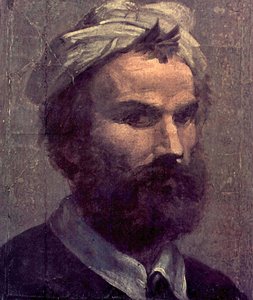
domenico di pace beccafumi
1486 - 1551 , Италия
Основные сведения
- Artistic Movement Or Style: Мannerизм, Ренессанс
- Artists Who Influenced This Artist:
- Рафаэль
- Микеланджело
- Date Of Birth: c. 1486
- Date Of Death: May 18, 1551
- Full Name: Domenico di Pace Beccafumi
- Nationality: Итальянский
- Notable Artworks:
- Триптих Троицы
- Аннунциато
- Переход Девы Марии
- Place Of Birth: Montaperto, Italy
Похожие статьи
Nicolaes Berchem: Dutch Golden Age Pastoralism & the Evolution of Landscape Painting
Explore the captivating world of Nicolaes Berchem, a leading Dutch Golden Age painter. Discover his idyllic landscapes, masterful technique & lasting influence on art history. Learn more at ArtsDot.
Mario Sironi: A Poetic of Modern Italian Identity Through Symbolism & Social Commentary
Explore the profound works of Mario Sironi, a key figure in Italian Modernism. Discover his evolution from Futurism to Metaphysical painting and his powerful social commentary. Learn about his legacy at ArtsDot.
Giovanni Fattori: Realism, Identity & the Tuscan Landscape – A Macchiaioli Master
Explore the life & art of Giovanni Fattori, a leading figure of the Macchiaioli movement. Discover his revolutionary realism, captivating Tuscan landscapes, and lasting impact on Italian painting. Learn more at ArtsDot.

Золотой век Голландии: 10 шедевров, изменивших искусство | ArtsDot.com
Погрузитесь в эпоху Золотого века Нидерландов! 10 шедевров Рембрандта, Вермеера и других мастеров. Узнайте истории создания культовых картин и вдохновитесь для интерьера. Репродукции музейного качества на ArtsDot.com.
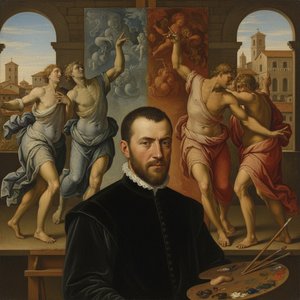
Domenico Beccafumi: A Sienese Master Between Mannerism & Baroque Anticipation
Explore the captivating world of Domenico Beccafumi, a pivotal figure bridging Mannerism & Baroque art. Discover his unique style, religious masterpieces, and lasting legacy with ArtsDot.