 Предпросмотр
 Поделиться
 Поделиться
 Детали произведения

 Скачать
 Похожие работы
 Рентгенография
 Слайд-шоу
 Статистика
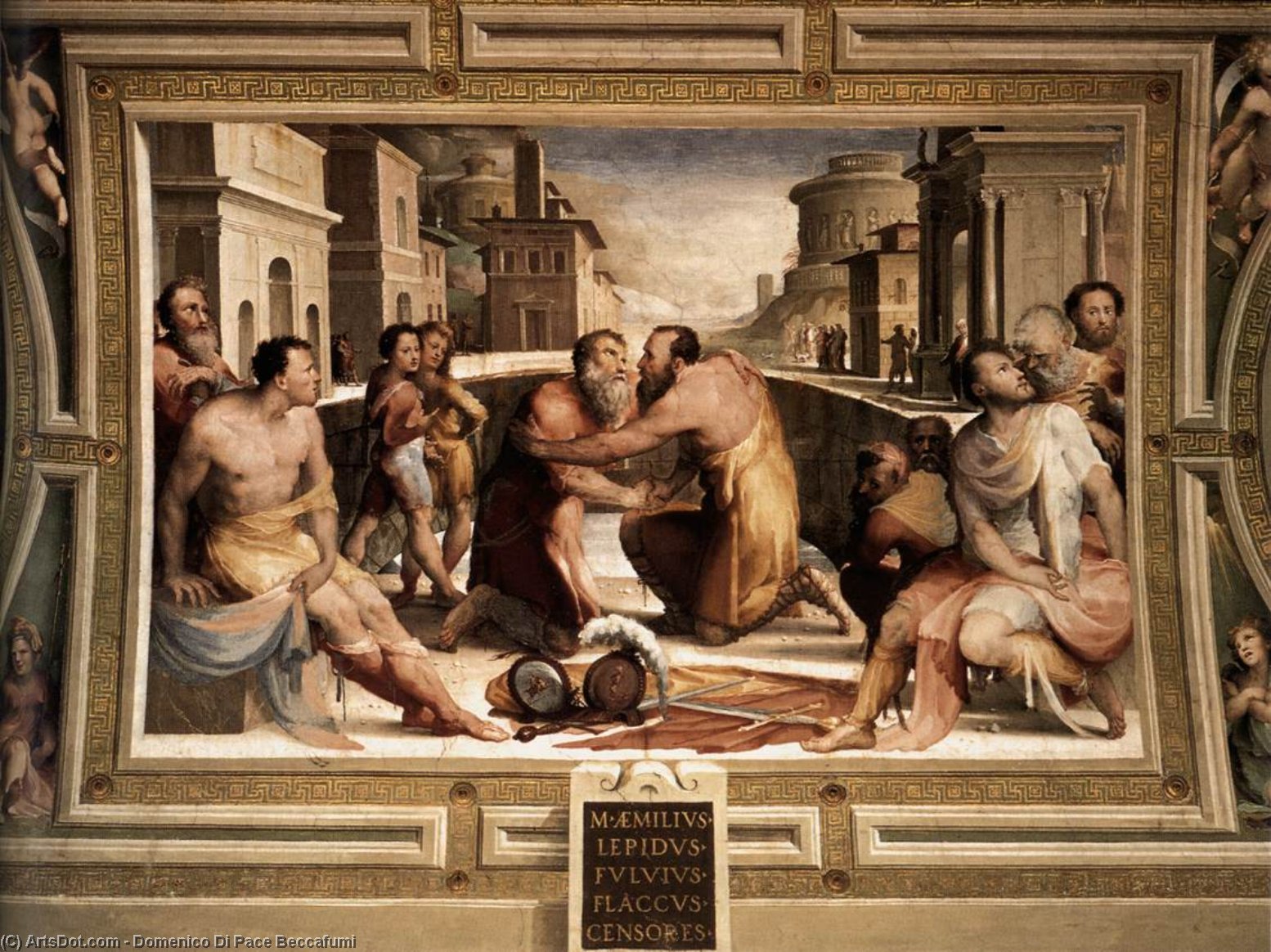
The Reconciliation of Marcus Emilius Lepidus and Fulvius Flaccus


 Читать далее
Масляная репродукция ручной работы
Картина маслом на холсте в выбранном вами размере и раме, написанная на заказ нашими художниками. ( Перейти к печати Перейти к цифровым изображениям)




P118B $10

P118H $10

P118W $10

P438Z $10

P508JH $12

P508YH $12

P805H $10

P805Z $10

P919BZ $10

P919G $10

P919XJ $10

P959ZH $10

P968JZ $12

W106C $8

W218G $10

W218JH $8

W218Y $10

W307PJ $10

W316G $10

W316PJ $8

W316Y $10

W398PJ $8

W4111J $10

W500HY $15

W500JH $15

W692G $12

W849H $8

W940BG $15

W953PJ $8




Выберите один из наших стандартных размеров, соответствующих оригинальным пропорциям произведения искусства.

Вы можете указать собственные размеры, чтобы картина идеально вписалась в выбранную раму или пространство. Если выбранный вами размер не соответствует пропорциям оригинала, мы либо обрежем полотно, либо расширим его за счет дополнительных элементов, написанных вручную. Цифровой макет будет отправлен вам на утверждение перед началом производства.
Обратите внимание, что предварительный просмотр на экране не отражает фактическую обрезку или расширение. Только макет точно покажет окончательную композицию.
Хотя доступны индивидуальные размеры, мы рекомендуем выбирать вариант из предопределенного списка, чтобы сохранить исходные пропорции.
После оформления заказа команда ArtsDot.com свяжется с клиентом по электронной почте для уточнения деталей и предоставит предварительный макет
Доставка по всему миру () за 3–4 недели вместо стандартных 5 недель. (13 Сентябрь). Без компромиссов в качестве.

Бесплатная экспресс-доставка по всему миру

Высококачественный льняной холст

Полное страхование доставки

Гарантия возмещения таможенных пошлин

Гарантия точного соответствия цветов

100-дневная политика возврата (только при обнаружении дефектов)

Гарантия возврата 100% средств

Предложение оптовых скидок
 Вариант со стеклом доступен только для размеров менее 110 см

The Reconciliation of Marcus Emilius Lepidus and Fulvius Flaccus
Техника репродукции
Размер репродукции
-


Итоговая стоимость
$ 263
The Reconciliation of Marcus Emilius Lepidus and Fulvius Flaccus: A Sienese Vision in Fresco
Domenico di Pace Beccafumi’s “The Reconciliation of Marcus Emilius Lepidus and Fulvius Flaccus,” painted in 1529-1535, is more than a historical depiction; it's a vibrant testament to the enduring power of diplomacy and the complexities of Roman politics rendered with the distinctive vision of a Sienese artist. This fresco, currently housed at the Web Gallery of Art (WGA), offers a captivating glimpse into a pivotal moment – the reconciliation between two powerful figures embroiled in conflict – framed within a meticulously constructed narrative that speaks to themes of justice, peace, and the precarious balance of power.
Beccafumi’s style, rooted deeply in the traditions of Siena yet boldly embracing the burgeoning Mannerist movement, is immediately striking. Unlike the polished clarity of Florentine Renaissance art, Beccafumi's work possesses a raw energy, an almost unsettling intensity. The figures are not idealized; they are rendered with a palpable sense of emotion – the weary resignation of Lepidus, kneeling in supplication, and the earnest plea of Flaccus. Notice the subtle shifts in their postures, the delicate play of light and shadow that emphasizes their individual states of mind. This isn’t simply a record of an event; it's an exploration of human psychology, captured with remarkable sensitivity.
A Window into Roman History and Political Intrigue
The subject itself – the reconciliation between Marcus Emilius Lepidus and Quintus Fulvius Flaccus – is rich in historical significance. Lepidus, a former triumvir, and Flaccus, a prominent consul, had been locked in a bitter dispute following the collapse of the First Triumvirate. Their rivalry threatened to destabilize the Roman Republic, and their eventual reconciliation was crucial for maintaining order. Beccafumi’s fresco doesn't offer a straightforward account of this event; instead, it focuses on the *moment* of resolution – the palpable shift from conflict to understanding. The scene unfolds within what appears to be an urban setting, possibly a public forum or courtyard, suggesting that this reconciliation was not merely a private affair but one with significant political ramifications.
The details surrounding the event are subtly integrated into the composition. Observe the expressions on the faces of the onlookers – some displaying cautious optimism, others lingering skepticism. The architectural backdrop, though somewhat stylized, hints at Roman grandeur and reinforces the importance of the occasion. This careful attention to detail elevates the fresco beyond a simple narrative illustration; it becomes a microcosm of Roman society grappling with political uncertainty.
Symbolism and Artistic Technique
Beccafumi’s masterful use of color is particularly noteworthy. He employs a rich, earthy palette – ochres, siennas, and umbers – that evokes the textures of stone and earth, grounding the scene in its historical context. The figures themselves are rendered with a remarkable degree of realism, yet Beccafumi doesn't shy away from exaggeration and distortion to convey emotion. The drapery is voluminous and dynamic, swirling around the figures like currents of air, further emphasizing their emotional states.
Furthermore, the fresco’s technique—fresco secco—contributes significantly to its visual impact. This method involves applying pigments directly to wet plaster, creating a durable and luminous surface. The resulting colors are exceptionally vibrant and possess a remarkable depth of texture. The layering of paint creates an illusion of three-dimensionality, drawing the viewer into the scene and inviting them to contemplate the complexities of the reconciliation.
A Legacy of Visionary Art
Domenico di Pace Beccafumi’s “The Reconciliation of Marcus Emilius Lepidus and Fulvius Flaccus” stands as a powerful example of Sienese Renaissance art—a synthesis of regional tradition and innovative artistic expression. It's a work that rewards careful observation, inviting viewers to delve into the nuances of its composition, symbolism, and historical context. Reproductions of this fresco offer an exceptional opportunity to bring this captivating scene into any space, serving as both a beautiful piece of art and a poignant reminder of the enduring human capacity for reconciliation and understanding. The painting’s emotional depth and technical brilliance continue to resonate with audiences today, solidifying Beccafumi's place as one of the most significant artists of his time.
Похожие произведения
Биография художника
Domenico Beccafumi (The J. Paul Getty Museum Collection)
Domenico di Pace Beccafumi, a name that resonates less immediately than those of his Florentine contemporaries, nonetheless occupies a pivotal position in the narrative of Italian Renaissance art. Born around 1486 in Montaperto, near Siena, Beccafumi’s artistic journey was one of remarkable development, culminating in a style that bridged the High Renaissance and the burgeoning complexities of Mannerism. His story isn't simply about technical skill; it is about a deeply individual vision—a sensibility steeped in the traditions of his Sienese heritage yet boldly reaching towards new expressive possibilities. His origins were humble: the son of Giacomo di Pace, a peasant who worked on the estate of Lorenzo Beccafumi. Seeing his talent for drawing, Lorenzo adopted him and commended him to learn painting from Mechero, a local Sienese artist. This early grounding in the Sienese school would prove foundational, even as he ventured beyond its established conventions. The Sienese tradition, already diverging from the classical ideals embraced elsewhere in Italy, fostered an environment where emotional intensity and decorative detail were valued, qualities that would become hallmarks of Beccafumi’s unique style.Rome and the Forging of a Unique Style
Around 1509, Beccafumi journeyed to Rome, a transformative moment exposing him to the artistic ferment of the papal city. He encountered the groundbreaking works of Raphael and Michelangelo, absorbing their innovations in composition, anatomy, and dramatic expression. However, unlike many artists who sought to directly emulate these masters, Beccafumi synthesized these influences through his own distinct lens. He didn’t simply *copy* the Roman style; he filtered it through a pre-existing Sienese aesthetic—one characterized by a certain provincialism, an emphasis on decorative detail, and a lingering medieval sensibility. Upon returning to Siena, this synthesis began to manifest in a style increasingly his own. It was a style marked by irrationality, emotional intensity, and a captivating visual experience achieved through discordant colors and hallucinatory settings. His paintings weren’t merely representations of reality; they were explorations of inner states, imbued with a sense of unease and psychological depth. This departure from the harmonious balance of High Renaissance ideals signaled his embrace of Mannerism, though he remained distinctly apart from its more widespread trends. He skillfully blended the decorative elements and emotional intensity of the Sienese school with the emerging stylistic features of Mannerism—a fusion that would define his artistic legacy.Masterworks and Artistic Innovations
Beccafumi’s output was diverse, encompassing painting, sculpture, mosaic design, and printmaking. Among his most celebrated achievements are the frescoes in the Oratory of St. Benedict in Siena, a testament to his narrative skill and expressive power. The Trinity Triptych, housed in the Pinacoteca Nazionale di Siena, showcases his mastery of oil painting and his ability to convey religious devotion with both grandeur and intimacy. The Annunciation, also at the Pinacoteca Nazionale, exemplifies his distinctive use of color and composition, creating a scene that is both serene and subtly unsettling. However, perhaps his most ambitious undertaking was his direction of the pavement for Siena Cathedral between 1517 and 1544. This monumental project involved intricate designs inlaid with marble and mosaics, depicting scenes from biblical stories—Ahab, Elijah, Melchisedec, Abraham, and Moses among them. Beccafumi not only designed these scenes but also innovated the technical processes used in their creation, demonstrating his remarkable versatility as an artist and craftsman. His skill extended to printmaking, where he excelled in both engraving and woodcut, furthering disseminating his style and ideas beyond Siena’s borders. These prints allowed for wider dissemination of his style and ideas, influencing artists across Italy.Critical Assessment and Legacy
Compared to the equilibrated compositions favored by Raphael and Michelangelo, Beccafumi's paintings stand apart—embracing instead a sense of emotional tension, instability, and expressive distortion. This willingness to challenge conventional norms foreshadowed later trends in art, influencing subsequent generations with its innovative techniques and psychological depth. He remains a compelling figure, a testament to the enduring power of individual vision within the broader currents of art history. His work is characterized by misty, non-linear quality—forms appearing to dissolve into a hazy atmosphere—jagged lines and primal coloration—bold, unconventional use of color that departed from the more balanced palettes of his contemporaries—and emotional tension—a pervasive sense of unease reflecting a departure from classical ideals. Domenico Beccafumi’s contribution to Italian Renaissance art is undeniable; he solidified Sienese artistic traditions while simultaneously pushing boundaries toward Mannerist innovation. He died in Siena in 1551, marking the symbolic end of his era and cementing his place as one of the last undiluted representatives of the Sienese school—a legacy that continues to inspire admiration and scholarly study today.- Key Characteristics of Beccafumi’s Style:
- Misty, Non-Linear Quality: His paintings often possess an ethereal quality, with forms appearing to dissolve into a hazy atmosphere.
- Jagged Lines and Primal Coloration: Beccafumi favored sharp, angular lines and a bold, unconventional use of color that departed from the more balanced palettes of his contemporaries.
- Emotional Tension and Instability: A pervasive sense of unease and psychological complexity characterizes his work, reflecting a departure from classical ideals of harmony and proportion.
- Sienese Tradition with Mannerist Influences: He skillfully blended the decorative elements and emotional intensity of the Sienese school with the emerging stylistic features of Mannerism.
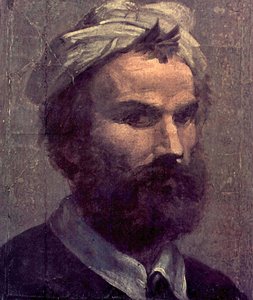
domenico di pace beccafumi
1486 - 1551 , Италия
Основные сведения
- Artistic Movement Or Style: Мannerизм, Ренессанс
- Artists Who Influenced This Artist:
- Рафаэль
- Микеланджело
- Date Of Birth: c. 1486
- Date Of Death: May 18, 1551
- Full Name: Domenico di Pace Beccafumi
- Nationality: Итальянский
- Notable Artworks:
- Триптих Троицы
- Аннунциато
- Переход Девы Марии
- Place Of Birth: Montaperto, Italy
Похожие статьи
The Enduring Legacy of Fresco: Technique, History & Artistic Expression
Explore the rich history & enduring artistry of fresco painting. Discover techniques from Giotto to Michelangelo, conservation efforts, & modern applications. Learn how ArtsDot brings this timeless art form to your home.

The Enduring Legacy of Fresco: Technique, History & Artistic Expression Across Cultures
Explore the rich history & enduring legacy of fresco painting! Discover ancient techniques, Giotto's masterpieces, and modern applications. Expert insights for art lovers & professionals.
Искусство, живущее с вами: эмоциональная сила индивидуальной интерьерной фрески
Узнайте о фресках в интерьере: история, технологии, выбор и уход. Создайте уникальный дизайн с экспертами! Качество и индивидуальный подход гарантированы.

The Enduring Legacy of Fresco Painting: Techniques, History & Contemporary Relevance
Explore the rich history & enduring artistry of fresco painting – from Giotto to Michelangelo! Discover techniques, conservation efforts, & modern applications. Learn how ArtsDot brings this timeless art form to your home.

Фреска как Семейное Наследие: Сохранение Истории в Искусстве Стен
Узнайте о фресках как семейном наследии! История, техника создания, реставрация и сохранение. Экспертные советы и вдохновение для вашего дома. .