

 Предпросмотр
 Поделиться
 Поделиться
 Детали произведения

 Скачать
 Похожие работы
 Рентгенография
 Слайд-шоу
 Статистика
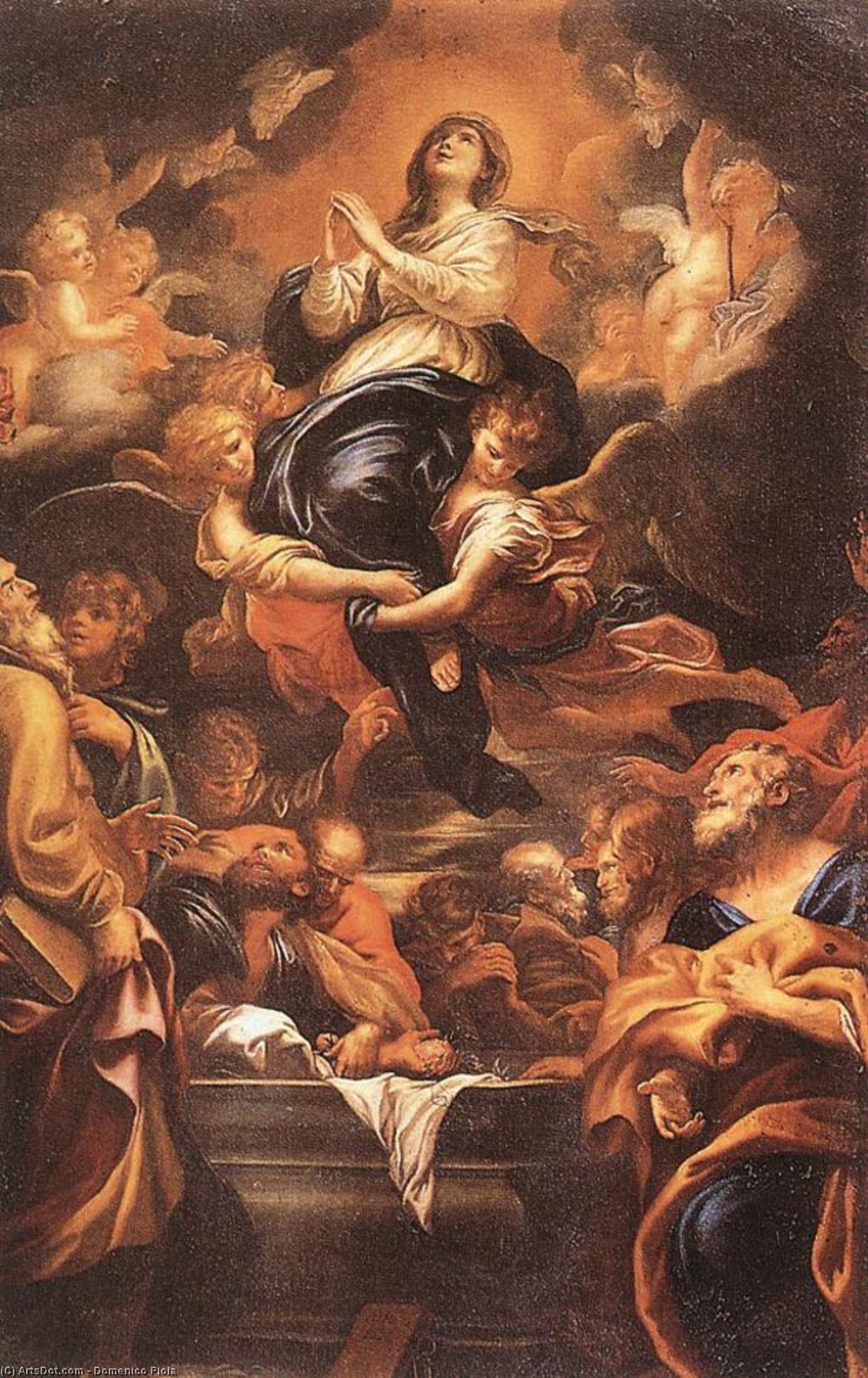
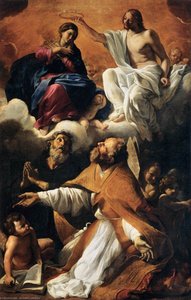
Assumption of the Virgin
 Oil On Canvas
- WallArt
- Baroque
 1676
1676- Early Modern
 294.0 x 194.0 cm
 Church of St John the Baptist
 Читать далее
Жикле / Арт-принт
Печать (жикле) или холст музейного качества с быстрыми сроками изготовления и широким выбором вариантов отделки. ( Купить картину ручной работы Перейти к цифровым изображениям)




P118B $10

P118H $10

P118W $10

P438Z $10

P508JH $12

P508YH $12

P805H $10

P805Z $10

P919BZ $10

P919G $10

P919XJ $10

P959ZH $10

P968JZ $12

W106C $8

W218G $10

W218JH $8

W218Y $10

W307PJ $10

W316G $10

W316PJ $8

W316Y $10

W398PJ $8

W4111J $10

W500HY $15

W500JH $15

W692G $12

W849H $8

W940BG $15

W953PJ $8




Выберите один из наших стандартных размеров, соответствующих оригинальным пропорциям произведения искусства.

Вы можете указать свои собственные размеры, чтобы репродукция идеально подошла под конкретную раму или пространство. Если выбранный вами размер не будет соответствовать пропорциям оригинала, мы либо обрежем произведение, либо дополним изображение зеркальным отражением краев или однотонной заливкой. Перед началом производства вам будет отправлен цифровой макет для утверждения.
Пожалуйста, обратите внимание, что предварительный просмотр на экране не отображает фактическую обрезку или расширение изображения. Только макет точно покажет финальную композицию.
Несмотря на возможность заказа индивидуальных размеров, мы рекомендуем выбирать размер из предопределенного списка, чтобы сохранить оригинальные пропорции.
Доставка по всему миру () за 2 недели вместо стандартных 4/5 недель. (12 Сентябрь)

Бесплатная экспресс-доставка по всему миру

Высококачественный льняной холст

Полное страхование доставки

Гарантия возмещения таможенных пошлин

Гарантия точного соответствия цветов

100-дневная политика возврата (только при обнаружении дефектов)

Гарантия возврата 100% средств

Предложение оптовых скидок
 Вариант со стеклом доступен только для размеров менее 110 см

Assumption of the Virgin
Жикле / Арт-принт
Размер репродукции
-


Итоговая стоимость
$ 62
A Celestial Ascent: The Divine Drama of Domenico Piola
In the grand tradition of the Genoese Baroque, Domenico Piola captures a moment of profound spiritual transcendence in his masterpiece, Assumption of the Virgin. Created in 1676, this monumental oil on canvas serves as a breathtaking window into the heavens, inviting the viewer to witness a divine intersection between the earthly and the celestial. The painting is not merely a depiction of a religious event; it is a choreographed dance of light, shadow, and motion. As the eye travels upward, it follows a pyramidal composition that leads toward the Virgin Mary, who sits at the apex of this sacred movement, surrounded by a swirling vortex of angels and onlookers whose very presence vibrates with awe and reverence.
The technique employed by Piola is a masterclass in chiaroscuro, utilizing dramatic, directional lighting to sculpt figures out of the surrounding atmosphere. Light emanates from an unseen divine source above, casting deep, velvety shadows that provide a sense of immense volume and weight to the drapery and flesh of the subjects. This interplay of light and dark does more than create depth; it heightens the emotional stakes of the scene, pulling the viewer into the tension between the heavy, terrestrial realm and the weightless, golden glow of the heavens. The brushwork, characterized by layered textures and occasional impasto, lends a tactile quality to the clouds and the flowing silks, making the divine energy feel almost tangible.
Symbolism and the Baroque Spirit
Every element within this composition is steeped in symbolic significance, designed to guide the faithful through a journey of contemplation. The presence of an angel holding a lily serves as a poignant emblem of purity and the immaculate nature of the Virgin, while the upward-sweeping diagonals of the figures' limbs create a sense of kinetic energy that mimics the soul's aspiration toward God. The background, a tapestry of swirling clouds and radiant gold, dissolves the boundaries of physical space, suggesting that the event taking place is one that transcends human understanding.
For the discerning collector or interior designer, this artwork offers more than just historical value; it provides a commanding focal point for any sophisticated space. The sheer scale of the piece—measuring an impressive 294 x 194 cm—allows it to anchor a room with its monumental presence. Whether placed in a grand hall or a curated gallery setting, the painting’s rich palette and dynamic movement evoke a sense of timeless luxury and spiritual depth. It is a work that demands attention, offering a profound emotional impact that resonates long after the initial encounter, making it an incomparable choice for those seeking to infuse their surroundings with the dramatic elegance of the Italian Baroque.
Похожие произведения





Биография художника
The Master of the Genoese Baroque
In the golden age of the seventeenth century, few names resonated through the grand halls and sacred sanctuaries of Genoa as powerfully as Domenico Piola. A titan of the Baroque period, Piola was not merely a painter but the beating heart of a vast, creative ecosystem known as Casa Piola. Born in Genoa in 1627, his life was inextricably linked to the flourishing maritime republic, where his brushwork helped define the very visual language of the era. His journey began under the tutelage of his brother-in-law, Stefano Camogli, and continued through the guidance of Pellegrino Piola, eventually leading him to study under Giovanni Domenico Cappellino. This rigorous foundation allowed him to emerge as a versatile virtuoso, capable of navigating the complexities of draughtsmanship, printmaking, and design with unparalleled grace.
The essence of Piola’s artistry lies in his ability to transform architectural spaces into celestial realms. As the leading figure of the Genoese school in the latter half of the 17th century, he specialized in the breathtaking medium of ceiling frescoes. These works were not merely decorations but immersive experiences designed to draw the viewer's gaze upward toward the divine. Working alongside contemporaries like Gregorio De’ Ferrari, Piola executed monumental cycles for prestigious locations such as the Palazzo Rosso. In these grand commissions, his ability to balance the heavy drama of the Baroque with a certain lyrical lightness—inspired by the works of Giovanni Benedetto Castiglione—created a sense of movement and light that seemed to dissolve the very boundaries of stone and plaster.
The Legacy of Casa Piola
What truly distinguished Domenico Piola from his peers was the sheer scale of his influence, facilitated by the prolific nature of his family studio. Casa Piola functioned as a highly organized workshop that streamlined the production of complex decorative schemes, ensuring that the aesthetic of Genoa remained cohesive and magnificent for nearly a century. This collaborative spirit allowed the studio to extend its reach far beyond the canvas, providing essential designs for sculptors and master craftsmen working in wood, ceramics, and metalwork. Through this multidisciplinary approach, Piola’s vision permeated every facet of Genoese aristocratic life, from the intimate details of private collections to the public grandeur of church interiors.
His travels further expanded his artistic horizons, as he carried the Genoese style to cities such as Milan, Piacenza, and Bologna. In Piacenza, his work in the Casa Baldini showcased his ability to adapt his dynamic compositions to different architectural contexts. Throughout his career, Piola remained a master of the interplay between light and shadow, utilizing a palette that could evoke both the somber gravity of religious devotion and the exuberant joy of seasonal celebrations. His historical significance is cemented not only by his individual masterpieces but by his role as the architect of a stylistic era, leaving behind a legacy where art, architecture, and craftsmanship were woven into a single, magnificent tapestry of Baroque splendor.
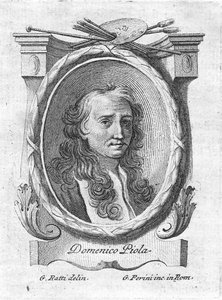
domenico piola
1627 - 1703 , Italy
Основные сведения
- Artistic Movement Or Style: Baroque
- Artists Who Influenced This Artist:
- Stefano Camogli
- Pellegro Piola
- Giovanni Domenico Cappellino
- Giovanni Benedetto Castiglione
- Date Of Birth: 1627
- Date Of Death: 1703
- Full Name: Domenico Piola
- Nationality: Italian
- Notable Artworks:
- Communion of Clare of Montefalco
- Autumn and Winter (Palazzo Rosso)
- Place Of Birth: Genoa, Italy
Похожие статьи

Baroque Classicism: Reconciling Drama & Order in 17th-Century Art
Explore the captivating world of Baroque Classicism! Discover its history, key artists like Caravaggio & Rubens, and defining characteristics. Expert insights & high-quality reproductions at ArtsDot.

Барочная драма: Искусство величия в современном интерьере
Погрузитесь в мир роскоши и величия барокко! Узнайте об истории стиля, ключевых элементах интерьера и архитектуре. Вдохновляйтесь с и создайте свой неповторимый дизайн.

The Dramatic Flourish: Exploring the Baroque Movement's Enduring Legacy in Art History
Explore the dramatic world of Baroque art! Discover iconic artists like Caravaggio & Rubens, defining techniques, and its lasting impact on art history. Expert insights for collectors & enthusiasts at ArtsDot.
Decoding Baroque Grandeur: A Guide to the Drama and Emotion of 17th-Century Art
Explore the breathtaking drama of 17th-century Baroque art. Our expert guide decodes the use of chiaroscuro, emotional intensity, and historical grandeur to help you appreciate and curate timeless masterpieces for your collection.

10 Шедевров Барокко: Искусство, изменившее мир | ArtsDot.com
Погрузитесь в мир барокко! 10 шедевров Караваджо, Рембрандта и других великих художников. Узнайте историю создания культовых картин и найдите идеальную репродукцию для вашего интерьера на ArtsDot.com