

 Предпросмотр
 Поделиться
 Поделиться
 Детали произведения

 Скачать
 Похожие работы
 Рентгенография
 Слайд-шоу
 Статистика
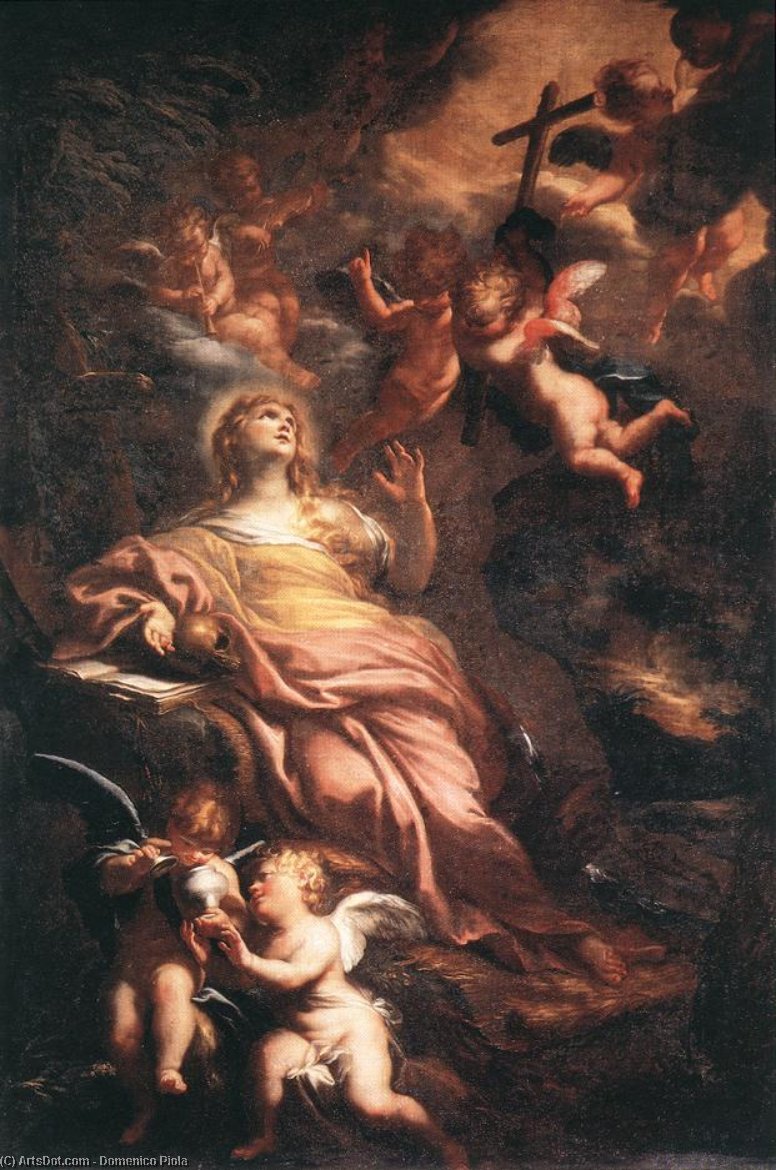
Magdalene in the Desert
 1674
1674 300.0 x 198.0 cm
 Oratorio di Santa Maria Maddalena
 Читать далее
Жикле / Арт-принт
Печать (жикле) или холст музейного качества с быстрыми сроками изготовления и широким выбором вариантов отделки. ( Купить картину ручной работы Перейти к цифровым изображениям)




































Выберите один из наших стандартных размеров, соответствующих оригинальным пропорциям произведения искусства.

Вы можете указать свои собственные размеры, чтобы репродукция идеально подошла под конкретную раму или пространство. Если выбранный вами размер не будет соответствовать пропорциям оригинала, мы либо обрежем произведение, либо дополним изображение зеркальным отражением краев или однотонной заливкой. Перед началом производства вам будет отправлен цифровой макет для утверждения.
Пожалуйста, обратите внимание, что предварительный просмотр на экране не отображает фактическую обрезку или расширение изображения. Только макет точно покажет финальную композицию.
Несмотря на возможность заказа индивидуальных размеров, мы рекомендуем выбирать размер из предопределенного списка, чтобы сохранить оригинальные пропорции.
Доставка по всему миру () за 2 недели вместо стандартных 4/5 недель. (11 Сентябрь)

Бесплатная экспресс-доставка по всему миру

Высококачественный льняной холст

Полное страхование доставки

Гарантия возмещения таможенных пошлин

Гарантия точного соответствия цветов

100-дневная политика возврата (только при обнаружении дефектов)

Гарантия возврата 100% средств

Предложение оптовых скидок
 Вариант со стеклом доступен только для размеров менее 110 см

Magdalene in the Desert
Жикле / Арт-принт
Размер репродукции
-


Итоговая стоимость
$ 62
The Artist and His Style
Domenico Piola was a prominent Italian painter of the Baroque period, known for his vivid and expressive works. His style is marked by the use of chiaroscuro, a technique that emphasizes contrasts between light and dark to create a sense of depth and volume. In Magdalene in the Desert, Piola's use of chiaroscuro adds a dramatic effect to the scene, drawing the viewer's attention to the central figure of Mary Magdalene.The Painting's Symbolism
The painting depicts Mary Magdalene in a desert landscape, surrounded by cherubs and holding a skull, which symbolizes mortality and the fleeting nature of life. The dark sky filled with clouds adds a sense of drama and tension to the scene, underscoring the spiritual journey that Mary Magdalene is undertaking. The use of symbolism in the painting invites the viewer to reflect on the themes of redemption and spiritual growth.- The painting's composition and use of color create a sense of harmony and balance, drawing the viewer's eye to the central figure of Mary Magdalene.
- The cherubs surrounding Mary Magdalene add a sense of innocence and purity to the scene, highlighting her spiritual transformation.
- The skull held by Mary Magdalene serves as a reminder of the transience of life and the importance of spiritual reflection.
The painting Magdalene in the Desert by Domenico Piola is a masterpiece of Baroque art, offering a glimpse into the spiritual and emotional world of the 17th century. Its use of symbolism, chiaroscuro, and composition creates a powerful and thought-provoking work that continues to inspire art lovers today.
Похожие произведения
Биография художника
The Master of the Genoese Baroque
In the golden age of the seventeenth century, few names resonated through the grand halls and sacred sanctuaries of Genoa as powerfully as Domenico Piola. A titan of the Baroque period, Piola was not merely a painter but the beating heart of a vast, creative ecosystem known as Casa Piola. Born in Genoa in 1627, his life was inextricably linked to the flourishing maritime republic, where his brushwork helped define the very visual language of the era. His journey began under the tutelage of his brother-in-law, Stefano Camogli, and continued through the guidance of Pellegrino Piola, eventually leading him to study under Giovanni Domenico Cappellino. This rigorous foundation allowed him to emerge as a versatile virtuoso, capable of navigating the complexities of draughtsmanship, printmaking, and design with unparalleled grace.
The essence of Piola’s artistry lies in his ability to transform architectural spaces into celestial realms. As the leading figure of the Genoese school in the latter half of the 17th century, he specialized in the breathtaking medium of ceiling frescoes. These works were not merely decorations but immersive experiences designed to draw the viewer's gaze upward toward the divine. Working alongside contemporaries like Gregorio De’ Ferrari, Piola executed monumental cycles for prestigious locations such as the Palazzo Rosso. In these grand commissions, his ability to balance the heavy drama of the Baroque with a certain lyrical lightness—inspired by the works of Giovanni Benedetto Castiglione—created a sense of movement and light that seemed to dissolve the very boundaries of stone and plaster.
The Legacy of Casa Piola
What truly distinguished Domenico Piola from his peers was the sheer scale of his influence, facilitated by the prolific nature of his family studio. Casa Piola functioned as a highly organized workshop that streamlined the production of complex decorative schemes, ensuring that the aesthetic of Genoa remained cohesive and magnificent for nearly a century. This collaborative spirit allowed the studio to extend its reach far beyond the canvas, providing essential designs for sculptors and master craftsmen working in wood, ceramics, and metalwork. Through this multidisciplinary approach, Piola’s vision permeated every facet of Genoese aristocratic life, from the intimate details of private collections to the public grandeur of church interiors.
His travels further expanded his artistic horizons, as he carried the Genoese style to cities such as Milan, Piacenza, and Bologna. In Piacenza, his work in the Casa Baldini showcased his ability to adapt his dynamic compositions to different architectural contexts. Throughout his career, Piola remained a master of the interplay between light and shadow, utilizing a palette that could evoke both the somber gravity of religious devotion and the exuberant joy of seasonal celebrations. His historical significance is cemented not only by his individual masterpieces but by his role as the architect of a stylistic era, leaving behind a legacy where art, architecture, and craftsmanship were woven into a single, magnificent tapestry of Baroque splendor.
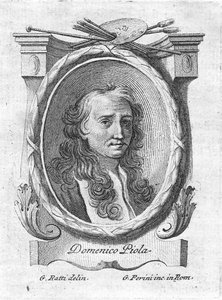
domenico piola
1627 - 1703 , Italy
Основные сведения
- Artistic Movement Or Style: Baroque
- Artists Who Influenced This Artist:
- Stefano Camogli
- Pellegro Piola
- Giovanni Domenico Cappellino
- Giovanni Benedetto Castiglione
- Date Of Birth: 1627
- Date Of Death: 1703
- Full Name: Domenico Piola
- Nationality: Italian
- Notable Artworks:
- Communion of Clare of Montefalco
- Autumn and Winter (Palazzo Rosso)
- Place Of Birth: Genoa, Italy