

 Предпросмотр
 Поделиться
 Поделиться
 Детали произведения

 Скачать
 Похожие работы
 Рентгенография
 Слайд-шоу
 Статистика
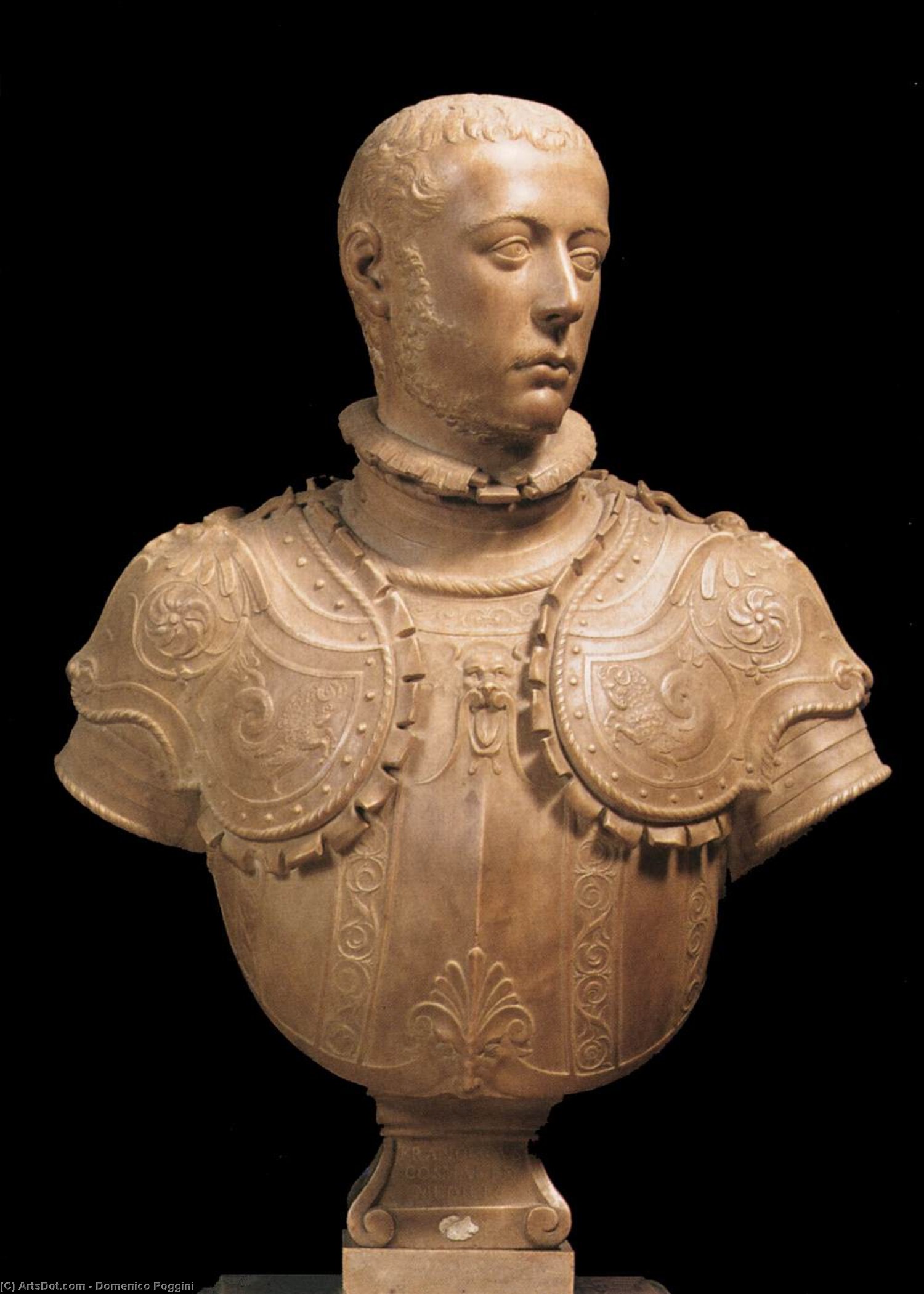
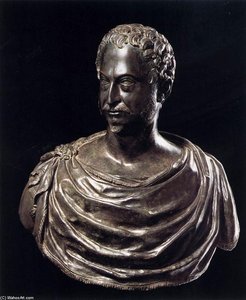
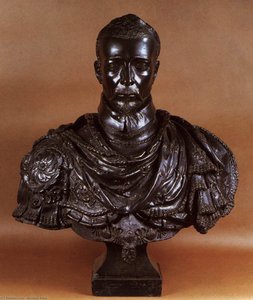
Bust of Francesco I de' Medici


 Читать далее
Масляная репродукция ручной работы
Картина маслом на холсте в выбранном вами размере и раме, написанная на заказ нашими художниками. ( Перейти к печати Перейти к цифровым изображениям)




































Выберите один из наших стандартных размеров, соответствующих оригинальным пропорциям произведения искусства.

Вы можете указать собственные размеры, чтобы картина идеально вписалась в выбранную раму или пространство. Если выбранный вами размер не соответствует пропорциям оригинала, мы либо обрежем полотно, либо расширим его за счет дополнительных элементов, написанных вручную. Цифровой макет будет отправлен вам на утверждение перед началом производства.
Обратите внимание, что предварительный просмотр на экране не отражает фактическую обрезку или расширение. Только макет точно покажет окончательную композицию.
Хотя доступны индивидуальные размеры, мы рекомендуем выбирать вариант из предопределенного списка, чтобы сохранить исходные пропорции.
После оформления заказа команда ArtsDot.com свяжется с клиентом по электронной почте для уточнения деталей и предоставит предварительный макет
Доставка по всему миру () за 3–4 недели вместо стандартных 5 недель. (13 Сентябрь). Без компромиссов в качестве.

Бесплатная экспресс-доставка по всему миру

Высококачественный льняной холст

Полное страхование доставки

Гарантия возмещения таможенных пошлин

Гарантия точного соответствия цветов

100-дневная политика возврата (только при обнаружении дефектов)

Гарантия возврата 100% средств

Предложение оптовых скидок
 Вариант со стеклом доступен только для размеров менее 110 см

Bust of Francesco I de' Medici
Техника репродукции
Размер репродукции
-


Итоговая стоимость
$ 263
Похожие произведения





Биография художника
Domenico Poggini: Florentine Master of the Renaissance
Domenico Poggini, born in Florence around 1520 and passing away in Rome in 1590, stands as a pivotal figure within the artistic landscape of the late Italian Renaissance. More than simply a sculptor or engraver, he was a multifaceted artist – a goldsmith, medallist, poet, and die-engraver – whose career spanned significant shifts in Florentine and Roman art history. His legacy is one of technical mastery interwoven with a deep understanding of classical ideals and religious iconography, leaving behind a body of work that continues to fascinate scholars and collectors alike. Poggini’s family background further shaped his artistic trajectory; his father, Michele Poggini, was a renowned gem-engraver, and his brother, Giampaolo Poggini, also pursued a career in art, creating a familial network of creative talent that undoubtedly influenced Domenico's development.Early Career and Florentine Patronage
Poggini’s early artistic training likely began within the family workshop, absorbing techniques from his father and brother. By 1556, he secured a prestigious appointment as diecutter for the Florentine Mint – a position of considerable importance in the economic and political life of the city. This role provided him with invaluable experience in engraving and metalworking, skills that would become central to his artistic practice. During this period, Poggini’s work began to attract attention from prominent patrons, most notably Francesco I de' Medici, Grand Duke of Tuscany. He created a series of medals and other objects for the Medici court, demonstrating his burgeoning skill in capturing likenesses and conveying complex narratives through miniature relief. A particularly notable example is the medal commemorating Bindo Altoviti (1540), now housed at the Metropolitan Museum of Art, showcasing Poggini’s ability to blend realistic portraiture with symbolic elements – a hallmark of his style. This piece exemplifies his growing independence as an artist, moving beyond mere technical execution towards a more personal and expressive approach.Rome and Papal Commissions
A significant turning point in Poggini's career arrived in 1588 when he was appointed chief engraver at the mint in Rome by Pope Sixtus V. This move marked a shift from Florentine artistic circles to the heart of papal patronage, offering him unprecedented opportunities for commissions and exposure. Under papal auspices, Poggini produced a vast array of medals, coins, and decorative objects, many of which celebrated the papacy’s achievements and religious figures. His work during this period reflects the grandeur and opulence associated with the Roman court, often incorporating elaborate designs and meticulous detail. The medal depicting Francesco de' Medici (1564), held in the collection of the Victoria and Albert Museum, is a prime example of his refined style during this phase – a testament to his ability to capture the dignity and authority of the Grand Duke while adhering to Renaissance artistic conventions.Technique and Style
Poggini’s artistic style can be characterized by a remarkable blend of technical precision and expressive dynamism. His engravings, in particular, are renowned for their clarity of line, subtle shading, and meticulous attention to detail. He skillfully employed the techniques of intaglio engraving to create intricate portraits and scenes, capturing both the physical likenesses and the psychological nuances of his subjects. His medals, similarly, demonstrate a mastery of relief sculpture, utilizing fine details and carefully chosen compositions to convey complex narratives within limited spaces. While deeply rooted in Renaissance traditions – particularly those of antiquity – Poggini’s work also reveals a subtle sense of innovation and personal style. His use of light and shadow, his dynamic poses, and his ability to imbue his subjects with a sense of life and movement distinguish him from many of his contemporaries.Legacy and Recognition
Domenico Poggini's contribution to the art world is secured through his works held in prestigious collections worldwide, most notably at the British Museum. His legacy extends beyond individual masterpieces; he represents a crucial link between the artistic traditions of Florence and Rome during a period of profound transformation. His work continues to be studied by historians and art enthusiasts alike, offering valuable insights into the cultural and political dynamics of 16th-century Italy. The enduring appeal of Poggini’s art lies in its ability to seamlessly blend technical skill with artistic vision, creating works that are both aesthetically pleasing and historically significant. His life's work stands as a testament to his dedication, talent, and the vibrant spirit of the Renaissance.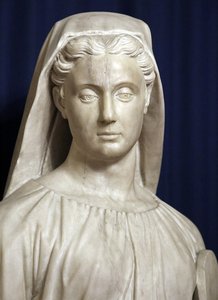
Domenico Poggini
1520 - 1590 , Italy
Основные сведения
- Artistic Movement Or Style: Renaissance
- Artists Or Movements Influenced By This Artist: ["Francesco I de' Medici"]
- Artists Who Influenced This Artist: ['Michele Poggini']
- Date Of Birth: 1520
- Date Of Death: 1590
- Full Name: Domenico Poggini
- Nationality: Italian
- Notable Artworks:
- Bacchus
- Medal of Bindo Altoviti
- Francesco de' Medici Medal
- Place Of Birth: Florence, Italy