

 Поделиться
 Поделиться
 Детали произведения

 Скачать
 Похожие работы
 Слайд-шоу
 Статистика
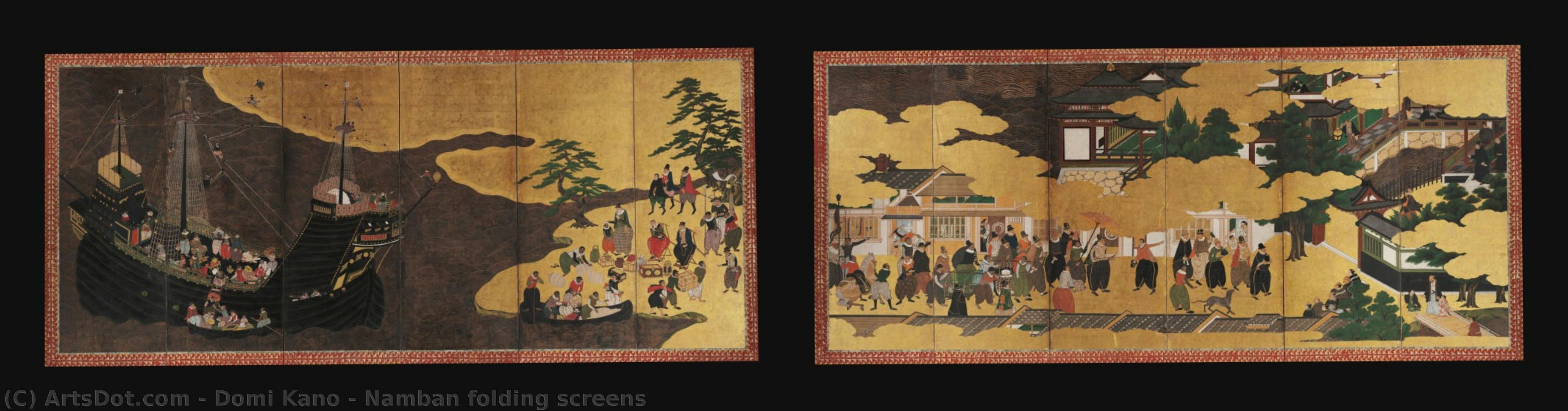
Namban folding screens
 Gold Leaf
- Sculpture
- Kano School
 1600
1600- Early Modern
 172.0 x 380.0 cm
 Национальный музей древнего искусства
 Читать далее
Масляная репродукция ручной работы
Картина маслом на холсте в выбранном вами размере и раме, написанная на заказ нашими художниками. ( Перейти к печати Перейти к цифровым изображениям)




































Выберите один из наших стандартных размеров, соответствующих оригинальным пропорциям произведения искусства.

Вы можете указать собственные размеры, чтобы картина идеально вписалась в выбранную раму или пространство. Если выбранный вами размер не соответствует пропорциям оригинала, мы либо обрежем полотно, либо расширим его за счет дополнительных элементов, написанных вручную. Цифровой макет будет отправлен вам на утверждение перед началом производства.
Обратите внимание, что предварительный просмотр на экране не отражает фактическую обрезку или расширение. Только макет точно покажет окончательную композицию.
Хотя доступны индивидуальные размеры, мы рекомендуем выбирать вариант из предопределенного списка, чтобы сохранить исходные пропорции.
После оформления заказа команда ArtsDot.com свяжется с клиентом по электронной почте для уточнения деталей и предоставит предварительный макет
Доставка по всему миру () за 3–4 недели вместо стандартных 5 недель. (11 Сентябрь). Без компромиссов в качестве.

Бесплатная экспресс-доставка по всему миру

Высококачественный льняной холст

Полное страхование доставки

Гарантия возмещения таможенных пошлин

Гарантия точного соответствия цветов

100-дневная политика возврата (только при обнаружении дефектов)

Гарантия возврата 100% средств

Предложение оптовых скидок
 Вариант со стеклом доступен только для размеров менее 110 см

Namban folding screens
Техника репродукции
Размер репродукции
-


Итоговая стоимость
$ 263
A Golden Window into the Age of Discovery
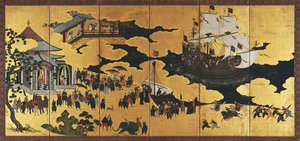
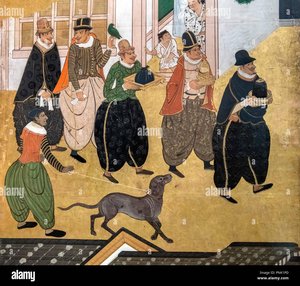
In the twilight of the sixteenth century, as the world began to shrink through the daring voyages of European explorers, a profound cultural collision unfolded on the shores of Japan. The Namban folding screens, masterfully executed by the renowned Kano School artist Domi Kano around 1600, serve as a breathtaking visual chronicle of this transformative era. These monumental works do not merely depict a historical event; they capture the very essence of curiosity, wonder, and the electric atmosphere that accompanied the arrival of the Portuguese vessels in the port of Nagasaki. Through the shimmering medium of gold leaf and meticulous brushwork, Kano invites us to witness the "black ships" of the namban jin—the southern barbarians—as they brought with them not just exotic cargo, but a new way of seeing the world.
The artistry of these screens is a testament to the refined elegance of the Kano School, a lineage of painters celebrated for their ability to harmonize traditional Japanese aesthetics with burgeoning external influences. As one traverses the expansive, hinged leaves of these screens, a narrative unfolds with cinematic fluidity. The composition moves from the bustling maritime activity of the docks to the intimate, social vignettes of village life and mountainous landscapes. Each scene is imbued with a sense of movement; figures gather in festive clusters, merchants negotiate their valuable goods, and Jesuit missionaries navigate the complex social landscape of a Japan on the brink of significant change. The use of gold leaf provides more than just luxury; it creates a luminous, ethereal backdrop that makes the figures appear to float within a divine, eternal moment, catching the light and drawing the viewer into the heart of the spectacle.
Technique and the Splendor of the Kano School
To behold these screens is to appreciate the pinnacle of Japanese decorative painting. Domi Kano utilized a sophisticated technique that blended the structural strength of traditional ink wash with the opulent brilliance of gold leaf. The scale of the work—stretching an incredible 172 by 380 centimeters—demands an immersive experience, making it an ideal centerpiece for any grand interior. The meticulous detail found in the depiction of the Portuguese vessels, the textures of the imported fabrics, and the expressive gestures of the Japanese onlookers reveals a level of craftsmanship that borders on the miraculous. This attention to detail serves a dual purpose: it functions as a historical document of immense value and as a triumph of pure aesthetic beauty.
For the discerning collector or interior designer, a high-quality reproduction of these screens offers more than just decoration; it offers a piece of living history. The interplay of light and shadow across the gilded surfaces provides a dynamic energy to a room, capable of transforming a contemporary space into a sanctuary of cultural depth. These works evoke a sense of nostalgia for an age of exploration and a profound respect for the delicate balance between tradition and innovation. Owning such a piece is an invitation to contemplate the enduring power of human connection and the timeless beauty found in the meeting of disparate worlds.
Похожие произведения



Биография художника
biography of a renowned artist
domi kano, also known as kano domi, was a japanese painter born in kyoto in 1562 and died in 1624. he was a member of the kano school, one of the most important and influential schools of japanese painting, which was founded in the 15th century and continued to produce masterpieces until the 19th century.the kano school style
the kano school was known for its refined and elegant style, which combined traditional japanese techniques with chinese and western influences. domi kano was the son of kano eitoku, the most famous artist of the kano school, and he continued his father's legacy by becoming the head of the school and producing many works of art that are still admired today.notable works
* namban folding screens (1600) - these screens depict the arrival of the first european traders and missionaries in japan, and are considered one of the masterpieces of japanese art. * landscape with gold leaf - characterized by its use of gold leaf, which gives his paintings a rich and luxurious look.artistic style and influence
domi kano's style is characterized by its use of gold leaf, which was a novelty in japanese art at the time. he was also known for his mastery of the perspective technique, which added depth to his paintings. his work has had a profound influence on japanese art, and he is considered one of the greatest artists of his time.- view domi kano's artworks on ArtsDot
- explore the kanō school style art movement on ArtsDot
- learn more about the kano school on wikipedia
domi kano
1562 - 1624 , Japan
Основные сведения
- Artistic Movement Or Style: Northern Mannerism
- Artists Or Movements Influenced By This Artist:
- Frans Hals
- Haarlem Mannerists
- Artists Who Influenced This Artist:
- Pieter Pietersz
- Gillis Coignet
- Date Of Birth: 1562
- Date Of Death: 1638
- Full Name: Cornelis Cornelisz. van Haarlem
- Nationality: Dutch
- Notable Artworks:
- The Banquet of the Haarlem Civic Guard
- Mythological subjects
- Biblical scenes
- Place Of Birth: Haarlem, Netherlands
Похожие статьи

25 Шедевров Густава Климта: Искусство, Декор и Золотой Век Австрийского Модерна
Погрузитесь в мир Густава Климта! 25 шедевров австрийского модерна, символизма и золотой живописи. Узнайте истории создания знаменитых картин Климта и вдохновитесь для декора интерьера. Репродукции музейного качества на ArtsDot.com.
The Hague School: Realism, Atmosphere & the Dawn of Dutch Impressionism
Explore the Hague School's pivotal role in Dutch art history. Discover realism, atmospheric landscapes & its influence on Impressionism. Learn about key artists like Mauve & Maris with ArtsDot.
The Allure of Gold in Art History: Symbolism, Technique & Cultural Significance
Explore the rich history of gold in art! Discover symbolism, techniques & cultural significance from ancient civilizations to Klimt's masterpieces. Expert insights for collectors at ArtsDot.

Золото в Искусстве: 10 Шедевров с Позолотой для Вашего Интерьера
Погрузитесь в мир золота и искусства! 10 знаменитых картин с позолотой – от Климта до византийских шедевров. Узнайте истории, техники и вдохновитесь для создания роскошного интерьера. Репродукции высокого качества на ArtsDot.com
Golden Glow: How to Use Metallic Gold Artworks to Elevate Your Home Decor with Timeless Luxury
Discover how to elevate your home with the timeless elegance of metallic gold artworks. From sculptural metal pieces to gilded oil paintings, learn expert interior design tips for integrating luxurious gold accents into your space with sophistication and grace.