

 Предпросмотр
 Поделиться
 Поделиться
 Детали произведения

 Скачать
 Похожие работы
 Рентгенография
 Слайд-шоу
 Статистика
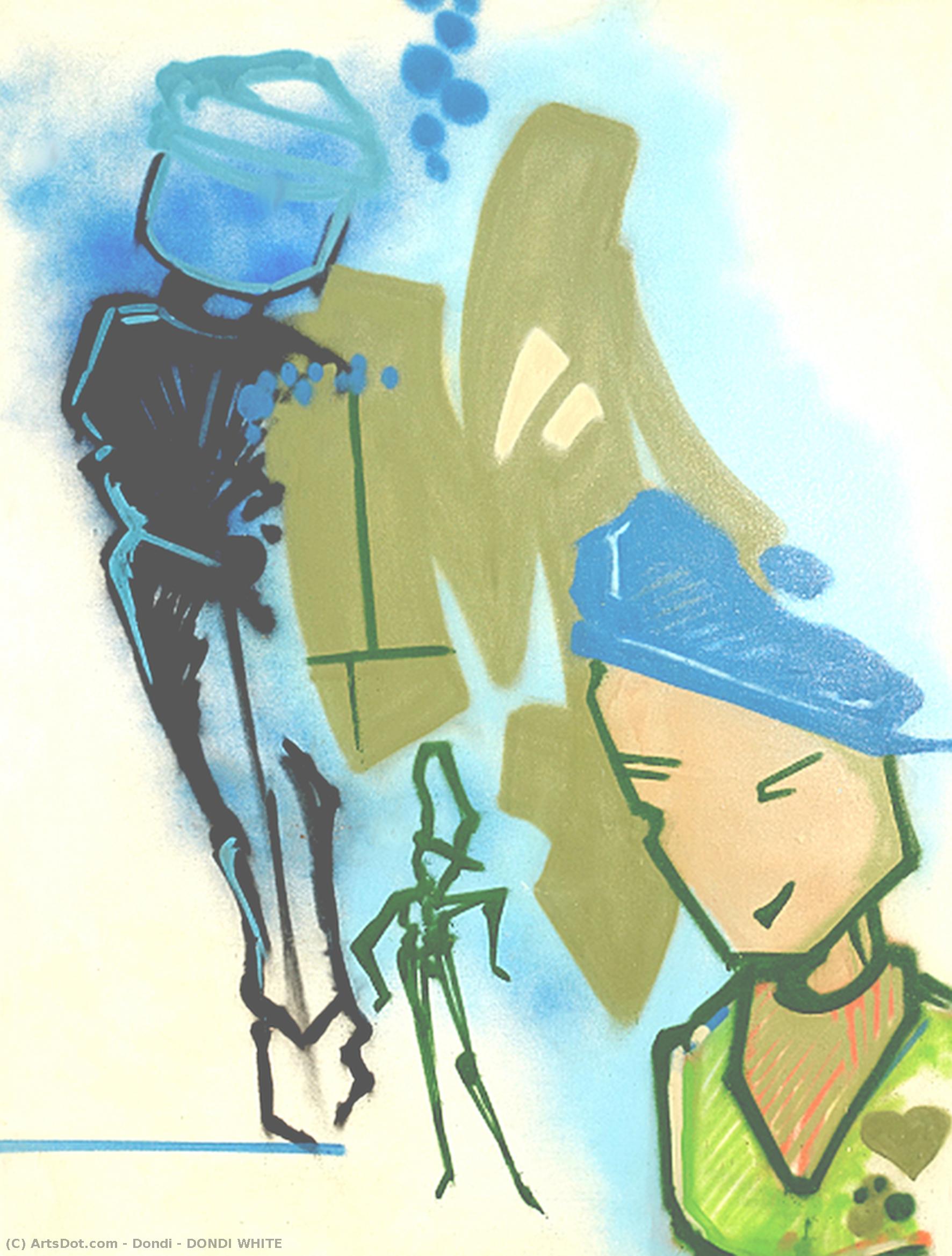
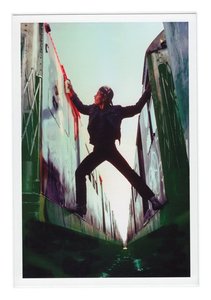
DONDI WHITE

 Читать далее
Приобретите цифровое изображение высокого разрешения в улучшенном качестве, которое значительно превосходит онлайн-превью.
Каждый файл тщательно подготавливается нашими специалистами с использованием передовых инструментов и экспертной ручной ретуши. Мы гарантируем исключительную четкость, точную цветопередачу и детальную проработку каждого изображения.
Финальный файл доставляется по электронной почте в течение 72 часов и оптимизирован для немедленного использования в профессиональной среде, при верстке и печати. Это тот же уровень качества, которому доверяют ведущие дизайнерские студии, издательства и галереи.
Цифровое изображение
Скачайте файл высокого разрешения для личного использования, печати и творческих проектов. ( Перейти к печати Купить картину ручной работы)
Включено в каждый заказ цифровых изображений
Гарантия экспертной цифровой доставки
Выбирая ArtsDot.com, вы получаете не просто изображение — вы приобретаете профессионально обработанное цифровое произведение искусства, созданное с безупречной точностью и под защитой гарантии качества. Вот всё, что автоматически входит в ваш заказ:

Мгновенная доставка по e-mail
Ваш цифровой файл в высоком разрешении будет отправлен вам по электронной почте в течение 72 часов после оформления заказа — и сразу станет доступен для использования.

Цифровой файл с ИИ-улучшением
Ваше произведение искусства проходит профессиональную оптимизацию с использованием передовых инструментов ИИ и ручной обработки, что гарантирует максимальную детализацию, четкость и точность цветопередачи.

Бессрочная бесплатная повторная доставка
Случайно удалили или потеряли файл? Не беспокойтесь — мы отправим его вам повторно в любое время и совершенно бесплатно.

Без импортных пошлин — навсегда
Наслаждайтесь вашим произведением искусства мгновенно без таможенных пошлин, сборов или затрат на доставку — цифровые загрузки всегда не облагаются налогом.

Гарантия точности цветопередачи
Мы гарантируем, что ваше цифровое изображение максимально точно передает оригинальные цвета благодаря использованию профессиональных инструментов и систем управления цветом.

Гарантия удовлетворенности 100 дней
Если вы не будете удовлетворены своим цифровым изображением, мы внесем правки или вернем 100% стоимости в течение 100 дней — без лишних вопросов.

100% Гарантия возврата средств
Не удовлетворены покупкой? Получите полный возврат средств в течение 100 дней после получения цифрового файла — без лишних вопросов.

Скидки на оптовые заказы
Купите 3 изображения, сэкономьте 10% — Купите 5, сэкономьте 15% — Купите 10+, сэкономьте 20%. Отличное решение для творческих проектов, галерей и агентств.
Похожие произведения



Биография художника
Rembrandt Gladys Schmitt: A Pioneer of Color and Form in the Early 1960s
Rembrandt Gladys Schmitt (1961-1998) emerged as a strikingly original voice within the vibrant, experimental art scene of early 1960s America. Though her career was tragically cut short at the age of thirty-seven, Schmitt’s intensely personal and powerfully expressive paintings left an indelible mark on the development of Abstract Expressionism and Color Field painting, demonstrating a unique synthesis of gestural energy and carefully considered chromatic relationships. Her work, largely unseen during her lifetime, is now recognized for its emotional depth, formal innovation, and quiet defiance against prevailing artistic norms. Schmitt’s formative years were spent in rural Pennsylvania, steeped in the traditions of folk art and imbued with a deep connection to the natural world. This early exposure profoundly shaped her approach to painting – she eschewed traditional academic training, instead developing her technique through self-directed study and relentless experimentation. Influenced by the gestural abstraction of Jackson Pollock and the color explorations of Mark Rothko, Schmitt quickly moved beyond mere imitation, forging a distinctly individual style characterized by layered washes of pigment, dynamic brushwork, and an almost sculptural quality to her surfaces. She was particularly drawn to the work of Helen Frankenthaler and Morris Louis, appreciating their innovative use of thin paint applied to unprimed canvas, allowing for spontaneous drips and blooms that created luminous, atmospheric effects. However, unlike these artists, Schmitt’s process remained firmly rooted in a deliberate, controlled application of color, meticulously building up layers of translucent hues to achieve complex visual textures. The early 1960s witnessed a period of intense artistic ferment in Los Angeles, where Schmitt established herself as a key figure within the burgeoning experimental art community. She participated in numerous group exhibitions alongside other pioneering artists such as Jim Dine, Elaine de Kooning, and Bernice Bing, contributing to a dynamic environment that fostered radical ideas and challenged conventional notions of representation. Her work during this period – often characterized by swirling vortexes of color, fragmented forms, and a palpable sense of movement – reflected the anxieties and uncertainties of the era while simultaneously expressing a profound yearning for beauty and transcendence. Notably, her paintings frequently incorporated elements of landscape and memory, hinting at personal experiences and emotional states through evocative color combinations and gestural marks. The influence of Surrealism is also evident in her work, particularly in the dreamlike quality of some of her compositions and the symbolic use of imagery. Schmitt’s artistic development during this period was significantly shaped by a series of pivotal encounters with other artists and intellectuals. Her friendship with artist and critic Charles Umlauf proved particularly influential, providing her with invaluable feedback and encouragement. Furthermore, she engaged in stimulating dialogues with figures associated with Fluxus, a loosely organized movement that challenged traditional art practices through performance, happenings, and conceptual works. While not formally affiliated with Fluxus, Schmitt’s embrace of process-oriented approaches and her willingness to experiment with unconventional materials resonated deeply with the movement's ethos. Her exploration of color as a primary means of expression aligned perfectly with Fluxus’s interest in exploring the sensory experience of art. Despite facing significant challenges – including limited access to galleries and critical recognition during her lifetime – Schmitt continued to produce a remarkable body of work throughout the 1960s and early 1970s. Her paintings, often characterized by their intense emotionality and formal complexity, began to attract increasing attention from collectors and curators in the late 1980s and early 1990s. Today, Rembrandt Gladys Schmitt is recognized as a vital and underappreciated figure in American art history, her work offering a compelling glimpse into the creative spirit of a generation grappling with profound social and cultural shifts. Her legacy lies not only in her innovative use of color and form but also in her unwavering commitment to artistic experimentation and her courageous pursuit of personal expression.Key Characteristics & Techniques
- Color Field Approach:** Schmitt’s paintings are fundamentally rooted in the Color Field aesthetic, utilizing large areas of saturated color to create immersive visual experiences. However, unlike many Color Field painters, she avoided a purely passive or meditative approach, instead imbuing her fields with dynamic brushwork and gestural marks.
- Layered Pigment Application:* She employed a meticulous layering technique, building up translucent washes of pigment to achieve complex visual textures and subtle shifts in color. This process created a sense of depth and luminosity that was both captivating and emotionally resonant.
- Gestural Energy:** Despite her emphasis on color, Schmitt’s paintings retain a strong element of gestural energy, evident in the dynamic brushwork and swirling patterns that dominate many of her compositions. This reflects her early influence by Jackson Pollock and her ongoing engagement with the expressive potential of paint.
- Fragmented Forms:* Her figures and forms are often fragmented or obscured, suggesting a sense of psychological complexity and emotional ambiguity. These fragments can be interpreted as echoes of personal memories, dreams, or anxieties.
donald joseph white
1961 - 1998 , United States of America
Основные сведения
- Artists Or Movements Influenced By This Artist:
- Fluxus
- Yves Klein
- Artists Who Influenced This Artist:
- Ad Reinhardt
- Faeq Hassan
- Marc Chagall
- Cy Twombly
- Elaine de Kooning
- Jim Dine
- Bernice Bing
- Charmion von Wiegand
- Date Of Birth: 1961
- Notable Artworks:
- Abstract Painting no. 4
- Bedouins Weaving
- Chloe's Judgement
- Duo
- Force
- Head of a Man
- Mona Lisa
- Mist
- Untitled
- Velasquez Family
- Place Of Birth: WahooArt