

 Предпросмотр
 Поделиться
 Поделиться
 Детали произведения

 Скачать
 Похожие работы
 Рентгенография
 Слайд-шоу
 Статистика
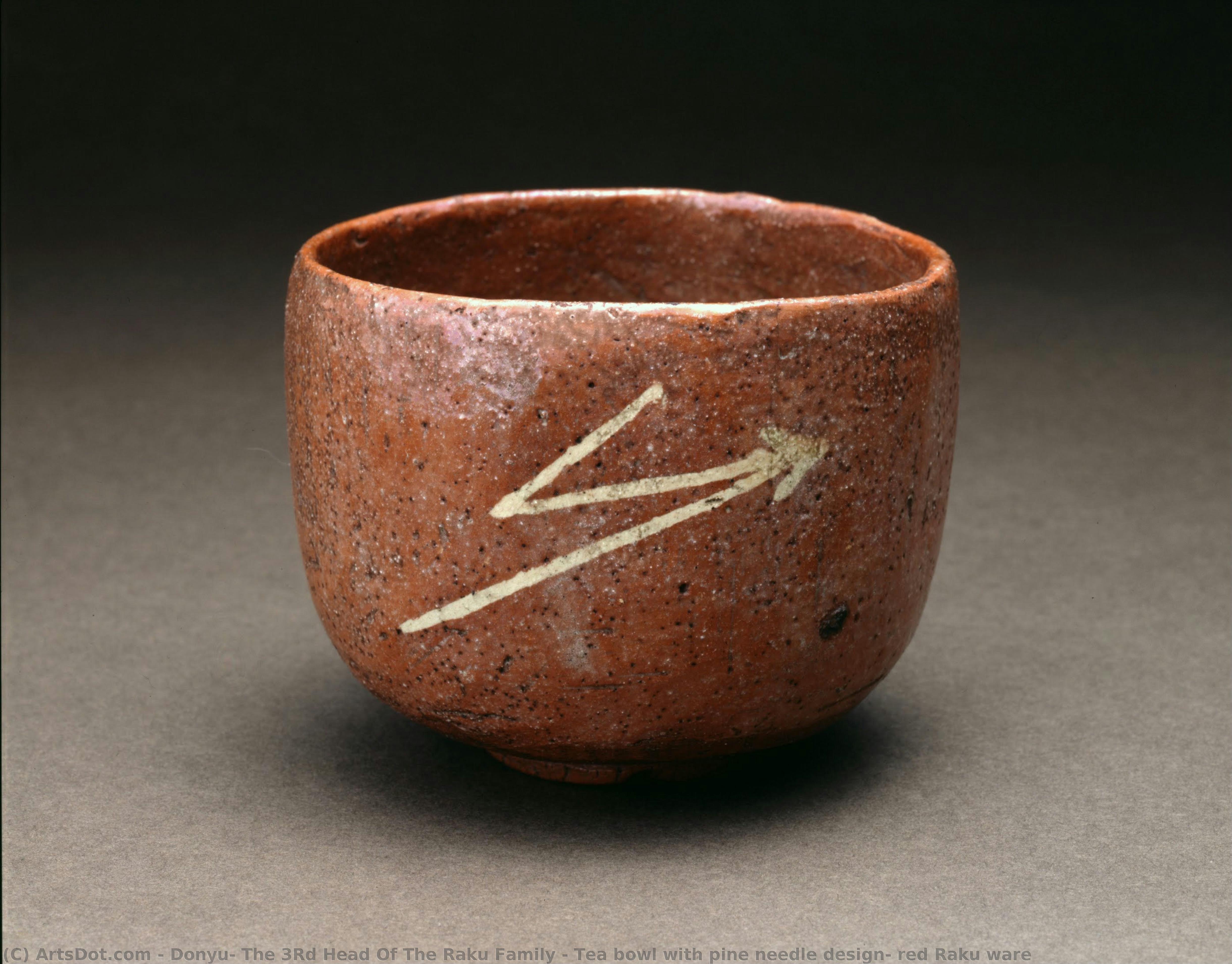
Tea bowl with pine needle design, red Raku ware


 Читать далее
Приобретите цифровое изображение высокого разрешения в улучшенном качестве, которое значительно превосходит онлайн-превью.
Каждый файл тщательно подготавливается нашими специалистами с использованием передовых инструментов и экспертной ручной ретуши. Мы гарантируем исключительную четкость, точную цветопередачу и детальную проработку каждого изображения.
Финальный файл доставляется по электронной почте в течение 72 часов и оптимизирован для немедленного использования в профессиональной среде, при верстке и печати. Это тот же уровень качества, которому доверяют ведущие дизайнерские студии, издательства и галереи.
Цифровое изображение
Скачайте файл высокого разрешения для личного использования, печати и творческих проектов. ( Перейти к печати Купить картину ручной работы)
Включено в каждый заказ цифровых изображений
Гарантия экспертной цифровой доставки
Выбирая ArtsDot.com, вы получаете не просто изображение — вы приобретаете профессионально обработанное цифровое произведение искусства, созданное с безупречной точностью и под защитой гарантии качества. Вот всё, что автоматически входит в ваш заказ:

Мгновенная доставка по e-mail
Ваш цифровой файл в высоком разрешении будет отправлен вам по электронной почте в течение 72 часов после оформления заказа — и сразу станет доступен для использования.

Цифровой файл с ИИ-улучшением
Ваше произведение искусства проходит профессиональную оптимизацию с использованием передовых инструментов ИИ и ручной обработки, что гарантирует максимальную детализацию, четкость и точность цветопередачи.

Бессрочная бесплатная повторная доставка
Случайно удалили или потеряли файл? Не беспокойтесь — мы отправим его вам повторно в любое время и совершенно бесплатно.

Без импортных пошлин — навсегда
Наслаждайтесь вашим произведением искусства мгновенно без таможенных пошлин, сборов или затрат на доставку — цифровые загрузки всегда не облагаются налогом.

Гарантия точности цветопередачи
Мы гарантируем, что ваше цифровое изображение максимально точно передает оригинальные цвета благодаря использованию профессиональных инструментов и систем управления цветом.

Гарантия удовлетворенности 100 дней
Если вы не будете удовлетворены своим цифровым изображением, мы внесем правки или вернем 100% стоимости в течение 100 дней — без лишних вопросов.

100% Гарантия возврата средств
Не удовлетворены покупкой? Получите полный возврат средств в течение 100 дней после получения цифрового файла — без лишних вопросов.

Скидки на оптовые заказы
Купите 3 изображения, сэкономьте 10% — Купите 5, сэкономьте 15% — Купите 10+, сэкономьте 20%. Отличное решение для творческих проектов, галерей и агентств.
Похожие произведения








Биография художника
Diego Velázquez: The Master of Light and Observation
Diego Rodríguez de Silva y Velázquez (1599-1660) stands as a towering figure in the history of Western art, an artist whose profound understanding of human nature and mastery of technique continue to captivate audiences centuries after his death. Often considered the greatest European painter of his time, and arguably one of the greatest of all time, Velázquez’s legacy rests not just on the beauty of his paintings but also on their revolutionary approach to representation – a commitment to capturing reality with an unprecedented level of detail, psychological insight, and atmospheric depth. His life was inextricably linked to the Spanish court, serving as the King's personal painter for much of his career, a position that afforded him unparalleled access to the royal family and shaped the trajectory of his artistic development.
Born in Seville in 1599, Velázquez’s early life remains somewhat shrouded in mystery. His father, Juan Rodríguez de Silva, was a Portuguese merchant who had settled in Seville, and his mother, Jerónima Velázquez, was of Spanish descent. He received his initial artistic training under the tutelage of Francisco Pacheco, a respected painter and art theorist who operated as an informal academy. Pacheco’s studio provided Velázquez with a solid foundation in traditional techniques – drawing, painting, still life, and portraiture – but it was also a space where he encountered the innovative ideas of contemporary artists like Caravaggio, whose dramatic use of light and shadow profoundly influenced Velázquez's early work.
Velázquez’s artistic journey began with meticulously rendered religious paintings and “bodegones” – genre scenes depicting everyday objects. These works demonstrated his technical skill and attention to detail, but they also reveal a nascent desire to move beyond the idealized representations prevalent in much of 17th-century art. A pivotal moment arrived in 1623 when he was summoned to Madrid to paint a portrait of young King Philip IV. This commission proved transformative, catapulting Velázquez into the heart of the Spanish court and establishing him as the King’s official painter. The success of this early portrait cemented his position and provided him with access to the royal collection – a treasure trove of Italian paintings that would profoundly shape his artistic vision.
The Court Painter: A World of Observation
Velázquez's role as court painter was far more complex than simply producing flattering portraits. He served as an advisor to the King, managing the royal wardrobe and overseeing various administrative tasks within the palace. This multifaceted position afforded him unparalleled access to the royal family – Philip IV, his wife Mariana of Austria, their numerous children, and a colorful cast of courtiers, dwarfs, and jesters. It was through these intimate encounters that Velázquez developed his distinctive style, one characterized by an extraordinary ability to capture not just physical likeness but also the personalities and inner lives of his subjects.
His portraits are renowned for their psychological depth and subtle nuances of expression. He eschewed the conventional pose and formal arrangement favored by many of his contemporaries, instead creating scenes that felt remarkably naturalistic – as if he were simply observing a moment in everyday life. This approach is particularly evident in works like *Las Meninas* (1656), often considered his masterpiece. The painting’s complex composition and ambiguous narrative invite multiple interpretations, challenging the viewer to actively engage with the scene and decipher the relationships between the figures within it. Velázquez's use of light and shadow – a technique known as chiaroscuro – further enhances the drama and emotional impact of his portraits, creating a sense of depth and atmosphere that is both captivating and unsettling.
Technique and Innovation
Velázquez’s artistic innovations extended beyond his approach to portraiture. He was a master of *sfumato*, a technique developed by Leonardo da Vinci that involves softening outlines and blending colors to create an atmospheric effect. He employed this technique with remarkable skill, particularly in his landscapes – creating hazy, dreamlike vistas that seem to dissolve into the distance. His brushwork is equally distinctive: loose, expressive strokes that capture the texture of fabrics, the sheen of metal, and the subtle variations in skin tone. Unlike many of his contemporaries who worked on a meticulously detailed scale, Velázquez often applied paint with rapid, confident gestures, creating a sense of immediacy and spontaneity.
Velázquez’s influence on subsequent generations of artists is undeniable. He paved the way for Impressionism by prioritizing observation over idealization, capturing fleeting moments of light and color with unprecedented accuracy. Artists like Édouard Manet, Claude Monet, and Pablo Picasso were deeply inspired by his work, studying his techniques and emulating his innovative approach to representation. The National Gallery in London holds a remarkable collection of Velázquez’s paintings, including *Christ at Emmaus*, *Saint John the Evangelist on Patmos*, and *The Toilette of Venus*, which offer invaluable insights into the evolution of his artistic style.
Legacy and Historical Significance
Diego Velázquez died in Madrid in 1660, leaving behind a vast and influential body of work. His paintings are housed primarily in the Museo del Prado in Madrid, where they remain among the most prized possessions of the Spanish national collection. Beyond his artistic achievements, Velázquez’s career is also notable for its political intrigue and personal struggles. He faced periods of hardship and uncertainty, often relying on the patronage of the royal court to secure his livelihood. Despite these challenges, he remained a steadfast artist, dedicated to his craft until his final days.
Velázquez's legacy extends far beyond the realm of art history. His work offers a unique window into the world of 17th-century Spain – a society marked by wealth, power, and religious fervor. His portraits capture not just the physical appearance of his subjects but also their social status, political affiliations, and personal aspirations. By studying Velázquez’s paintings, we gain a deeper understanding of the complexities of human nature and the enduring power of art to illuminate the past.
donyu, the 3rd head of the raku family
1599 - 1656