

 Предпросмотр
 Поделиться
 Поделиться
 Детали произведения

 Скачать
 Похожие работы
 Рентгенография
 Слайд-шоу
 Статистика
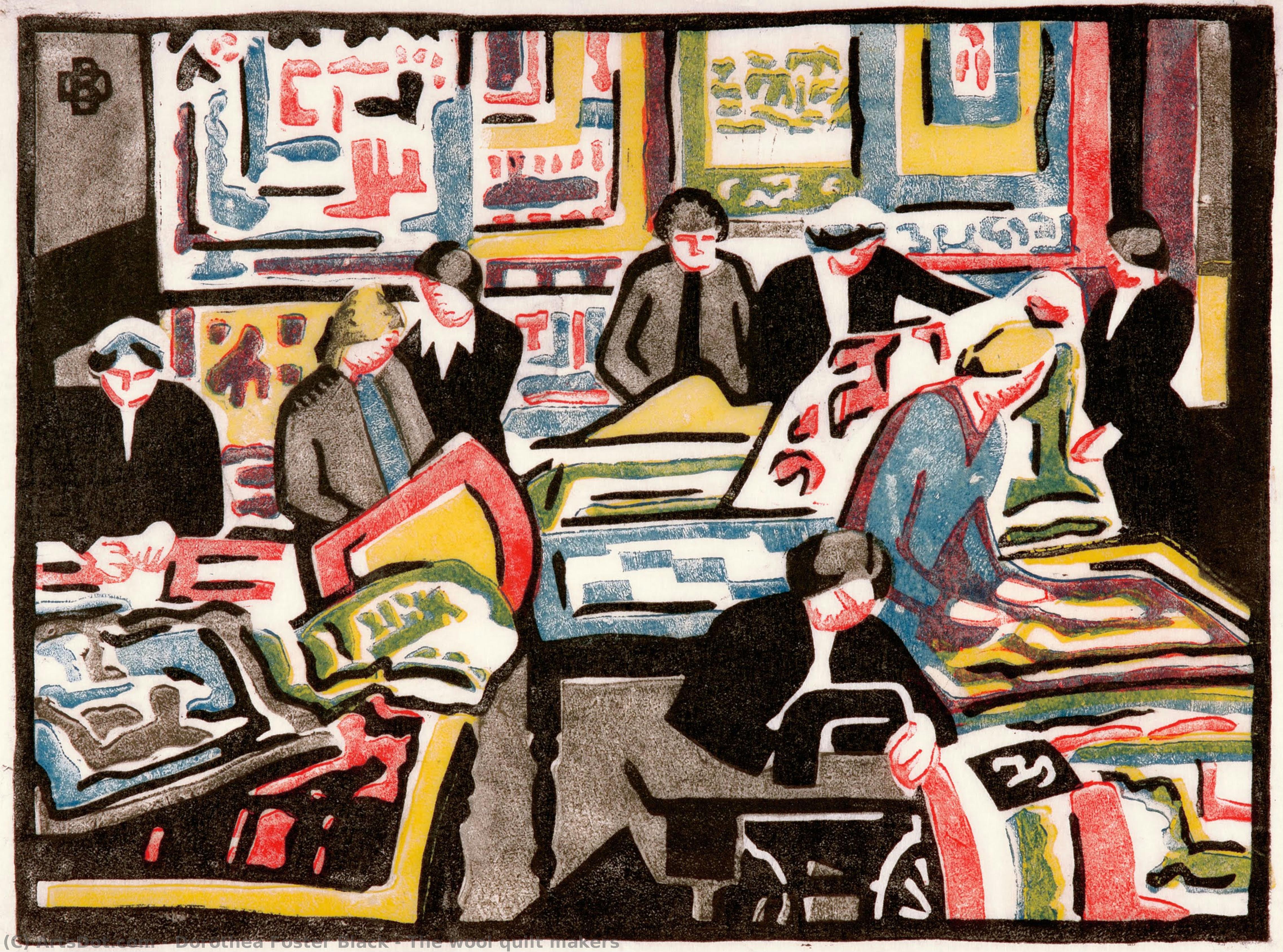
The wool quilt makers
 Painting
- Cubism
 1940
1940- Modern
 31.0 x 23.0 cm
 Art Gallery of South Australia
 Читать далее
Жикле / Арт-принт
Печать (жикле) или холст музейного качества с быстрыми сроками изготовления и широким выбором вариантов отделки. ( Купить картину ручной работы Перейти к цифровым изображениям)




P118B $10

P118H $10

P118W $10

P438Z $10

P508JH $12

P508YH $12

P805H $10

P805Z $10

P919BZ $10

P919G $10

P919XJ $10

P959ZH $10

P968JZ $12

W106C $8

W218G $10

W218JH $8

W218Y $10

W307PJ $10

W316G $10

W316PJ $8

W316Y $10

W398PJ $8

W4111J $10

W500HY $15

W500JH $15

W692G $12

W849H $8

W940BG $15

W953PJ $8




Выберите один из наших стандартных размеров, соответствующих оригинальным пропорциям произведения искусства.

Вы можете указать свои собственные размеры, чтобы репродукция идеально подошла под конкретную раму или пространство. Если выбранный вами размер не будет соответствовать пропорциям оригинала, мы либо обрежем произведение, либо дополним изображение зеркальным отражением краев или однотонной заливкой. Перед началом производства вам будет отправлен цифровой макет для утверждения.
Пожалуйста, обратите внимание, что предварительный просмотр на экране не отображает фактическую обрезку или расширение изображения. Только макет точно покажет финальную композицию.
Несмотря на возможность заказа индивидуальных размеров, мы рекомендуем выбирать размер из предопределенного списка, чтобы сохранить оригинальные пропорции.
Доставка по всему миру () за 2 недели вместо стандартных 4/5 недель. (12 Сентябрь)

Бесплатная экспресс-доставка по всему миру

Высококачественный льняной холст

Полное страхование доставки

Гарантия возмещения таможенных пошлин

Гарантия точного соответствия цветов

100-дневная политика возврата (только при обнаружении дефектов)

Гарантия возврата 100% средств

Предложение оптовых скидок
 Вариант со стеклом доступен только для размеров менее 110 см

The wool quilt makers
Жикле / Арт-принт
Размер репродукции
-


Итоговая стоимость
$ 62
A Glimpse into a Shared Craft
In the quiet, monochromatic depths of Dorothea Foster Black’s 1940 masterpiece, The Wool Quilt Makers, we are invited to step into a world where community and industry intertwine. This evocative painting captures a bustling interior, likely a workshop or a communal gathering space, teeming with the rhythmic energy of human connection. At first glance, the eye is drawn to the sheer density of life within the frame; at least twelve figures populate the room, their forms woven into a tapestry of social and manual labor. Some figures stand in contemplative stillness, while others are deeply immersed in the tactile processes of their craft. The composition is rich with the domesticity of furniture—sturdy chairs, dining tables, and soft couches—creating a sense of a lived-in, functional sanctuary where the boundaries between work and social life blur into a single, harmonious existence.
The atmosphere of the piece is one of industrious warmth. Despite the absence of color, the painting breathes with a lively, almost musical cadence. There is a profound sense of shared purpose as people gather to talk, observe, and collaborate. The presence of small, intimate details—a book resting on a surface, a solitary cup, or a bowl placed carefully upon a table—servates as an anchor to reality, grounding the larger social scene in the quiet moments of individual existence. For the collector, this work offers more than just a depiction of a historical moment; it provides a window into the soul of a community, making it a poignant addition to any collection focused on themes of heritage and human connection.
Modernist Precision and the Beauty of Monochrome
Technically, The Wool Quilt Makers showcases Black’s sophisticated command over light and shadow. As an artist deeply influenced by the Cubist and Modernist movements, her approach to this scene avoids mere photographic realism in favor of a structured, almost architectural arrangement of figures and objects. The use of black and white allows the viewer to focus entirely on the interplay of tonal values and the geometric rhythm of the room. The light does not merely illuminate; it sculptively defines the edges of the furniture and the silhouettes of the workers, creating a sense of depth that pulls the observer into the heart of the workshop.
The artist’s training under masters like Claude Flight and her exposure to the Parisian avant-garde are subtly felt in the way she organizes the crowded space. There is a controlled complexity here; even with many figures present, the composition never feels chaotic. Instead, it feels balanced and intentional. For interior designers, this piece serves as a sophisticated focal point. Its neutral palette and structural elegance allow it to integrate seamlessly into diverse decor styles—from contemporary minimalist settings to more traditional, classic interiors—adding a layer of intellectual depth and historical gravity to a room.
A Legacy of Australian Modernism
To understand the emotional weight of this work, one must consider the historical context of Dorrit Black’s career. As a pioneer who established the first gallery in Australia dedicated to modernism, Black was a trailblazer for women in the arts. The Wool Quilt Makers reflects a period where the tension between traditional craftsmanship and the encroaching modern world was palpable. The painting celebrates the enduring value of manual skill—the making of quilts, the handling of wool—while utilizing a visual language that looks toward the future.
Investing in a high-quality reproduction of this work is an opportunity to preserve a piece of Australian art history. It is a tribute to the spirit of collaboration and the beauty found in the everyday. Whether displayed in a quiet study or a grand living space, the painting radiates a sense of stability and communal warmth, reminding us that even in our most industrious moments, there is a profound beauty in being part of something larger than ourselves.
Похожие произведения
![Black Circle [1913] State Russian Museum, — Казимир Малевич, Suprematism](/media/artworks/images-thumb/62/67/6267e452b0c8476772a6511e19ce1616.jpg)


Биография художника
early life and training
dorrit black, an australian painter and printmaker, was born on december 23, 1891, in burnside, australia. she attended the south australian school of arts and crafts in about 1909 and later studied at the julian ashton art school in sydney in 1915.career and influences
black's work was influenced by the modernist and cubist art movements. she experimented with colour linocut printing while studying under claude flight at the grosvenor school of modern art in london (1927). black also studied at andré lhote's academy in paris (1928) and briefly worked with albert gleizes (1929).the modern art centre, margaret street, sydney
in 1931, black established the modern art centre in margaret street, sydney, the first gallery in australia to devote itself to modernism. this pioneering effort made her a trailblazer for women in australian modernism.notable works and recognition
black created most of her linocuts in the 1930s. her notable works include:- air travel 3: the pineapple plantation, a lino-print showcasing her abstract style.
- the bridge (1930), a cubist landscape of the sydney harbour bridge, painted in jewel-like colours.
- mirmande (1928), purchased by the art gallery of south australia in 1940.
- the bridge, a cubist landscape of the sydney harbour bridge.
- the wool quilt makers, a print showcasing her modernist style.
legacy
dorrit black died in a car accident on september 13, 1951, at the age of 59. her legacy as a pioneer of australian modernism continues to inspire artists and art enthusiasts alike.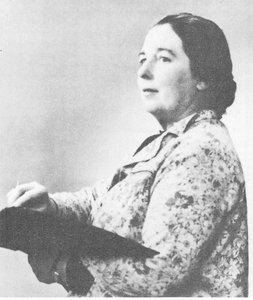
dorothea foster black
1891 - 1951 , Australia
Основные сведения
- Artistic Movement Or Style: Regionalism
- Artists Or Movements Influenced By This Artist: ['American Regionalism']
- Artists Who Influenced This Artist: ['Paul Gauguin']
- Date Of Birth: February 13, 1891
- Date Of Death: 1951
- Full Name: Grant Wood
- Nationality: American
- Notable Artworks:
- Shrine Quartet
- July Fifteenth
- Tree Planting
- Place Of Birth: Anamosa, Iowa, USA
Похожие статьи

The Subtleties of White: Exploring Absence, Light & Symbolism in Art History
Explore the profound symbolism & history of white in art! From ancient purity to modern abstraction, discover how artists have used absence & light. Expert insights from ArtsDot.

Топ-10 знаменитых картин в черных тонах: шедевры искусства для вашего интерьера
Погрузитесь в мир темных шедевров! Топ-10 знаменитых картин в черных тонах от Гойи, Рембрандта и Мунка. История искусства, техники живописи и вдохновение для вашего интерьера. Купите репродукции высокого качества на ArtsDot.com

Белые шедевры: 10 знаменитых картин, покоривших мир (репродукции, декор)
Откройте для себя 10 знаменитых картин, где белый цвет – главный герой! Моне, Дега и другие мастера. История искусства, техники живописи и вдохновение для вашего интерьера. Репродукции высокого качества на ArtsDot.com

Топ-10 шедевров в оттенках черного: искусство, история и декор с ArtsDot
Погрузитесь в мир великих шедевров, где черный цвет – символ страсти и драмы. От Караваджо до Мунка, откройте историю искусства с ArtsDot. Купите репродукции картин онлайн и преобразите свой интерьер! Explore the full collection on ArtsDot.com

Monochrome Visions: Exploring the Aesthetic & Historical Significance of Black & White Photography
Explore the rich history & artistic power of black and white photography. From early techniques to iconic masters like Ansel Adams, discover why monochrome continues to captivate art lovers today. Expert insights for collectors.