

 Предпросмотр
 Поделиться
 Поделиться
 Детали произведения

 Скачать
 Похожие работы
 Рентгенография
 Слайд-шоу
 Статистика
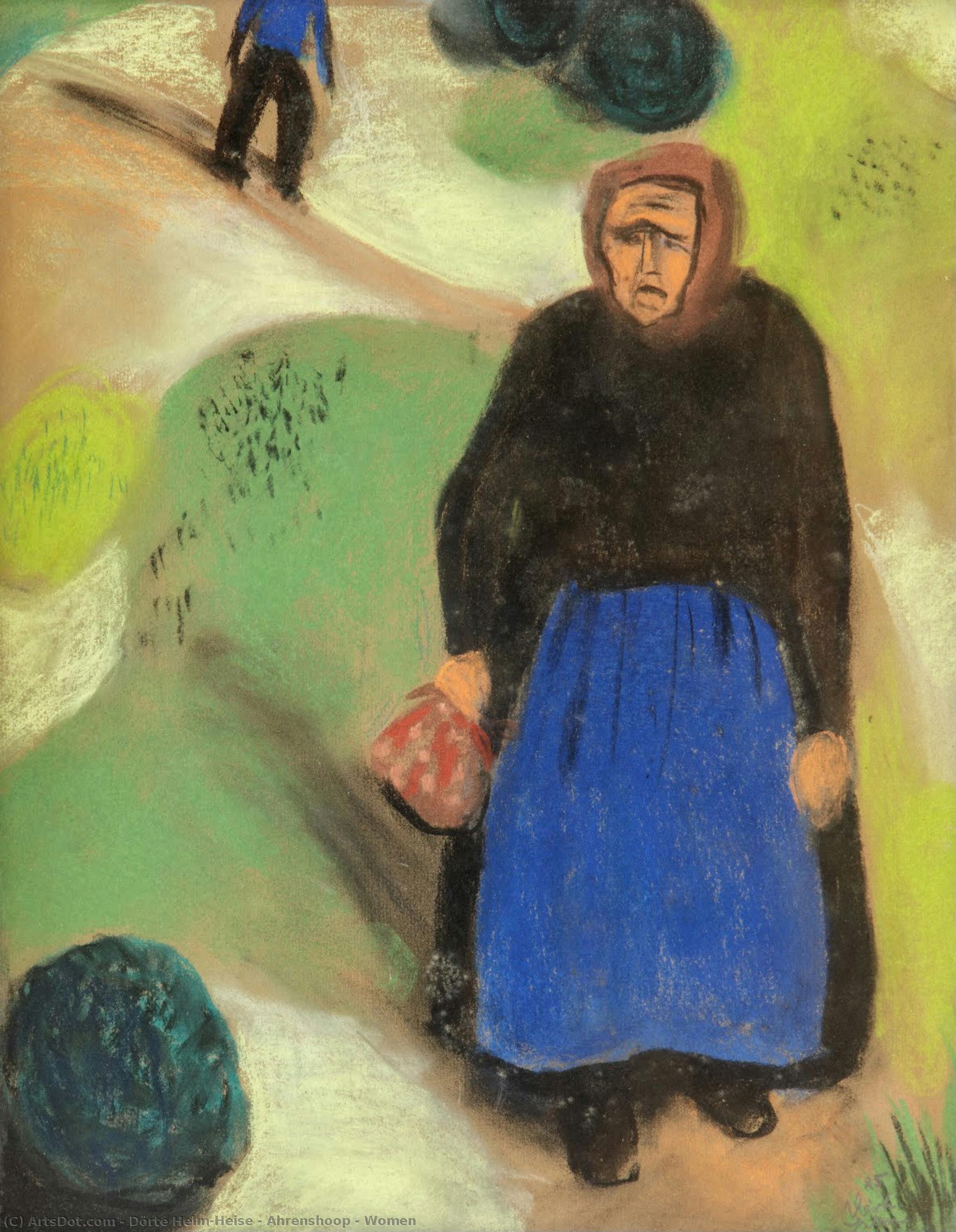
Ahrenshoop – Women


 Читать далее
Жикле / Арт-принт
Печать (жикле) или холст музейного качества с быстрыми сроками изготовления и широким выбором вариантов отделки. ( Купить картину ручной работы Перейти к цифровым изображениям)




































Выберите один из наших стандартных размеров, соответствующих оригинальным пропорциям произведения искусства.

Вы можете указать свои собственные размеры, чтобы репродукция идеально подошла под конкретную раму или пространство. Если выбранный вами размер не будет соответствовать пропорциям оригинала, мы либо обрежем произведение, либо дополним изображение зеркальным отражением краев или однотонной заливкой. Перед началом производства вам будет отправлен цифровой макет для утверждения.
Пожалуйста, обратите внимание, что предварительный просмотр на экране не отображает фактическую обрезку или расширение изображения. Только макет точно покажет финальную композицию.
Несмотря на возможность заказа индивидуальных размеров, мы рекомендуем выбирать размер из предопределенного списка, чтобы сохранить оригинальные пропорции.
Доставка по всему миру () за 2 недели вместо стандартных 4/5 недель. (11 Сентябрь)

Бесплатная экспресс-доставка по всему миру

Высококачественный льняной холст

Полное страхование доставки

Гарантия возмещения таможенных пошлин

Гарантия точного соответствия цветов

100-дневная политика возврата (только при обнаружении дефектов)

Гарантия возврата 100% средств

Предложение оптовых скидок
 Вариант со стеклом доступен только для размеров менее 110 см

Ahrenshoop – Women
Жикле / Арт-принт
Размер репродукции
-


Итоговая стоимость
$ 62
Похожие произведения
Биография художника
Early Life and Education
Dörte Helm, born December 3, 1898, in Berlin-Wilmersdorf, Germany, was the daughter of classical philologist Rudolf Helm (1872–1966) and Alice Caroline Bauer (1873–1947), who immigrated to Rostock in 1910. Rudolf Helm held a professorship at the University of Rostock since 1907, fostering an intellectual environment that profoundly shaped Dörte’s formative years. She attended Rostock Lyceum until 1913 and subsequently studied at the School of Applied Arts, laying the groundwork for her artistic pursuits. Her early education instilled in her a deep appreciation for both humanist scholarship and craftsmanship—a duality that would characterize her entire career.Training and Bauhaus Influence
From 1915 to 1918, Dörte pursued her studies at Kunsthochschule Kassel, immersing herself in the burgeoning artistic landscape of Weimar. Notably, she studied under Johannes Itten, Lyonel Feininger, Oskar Schlemmer, Georg Muche, and Walter Gropius—luminaries who championed a revolutionary approach to art education centered on experimentation and psychological insight. This intensive training at the Bauhaus profoundly impacted her artistic sensibilities, introducing her to principles of geometric abstraction and fostering a collaborative spirit crucial to the movement’s ethos. The Bauhaus's emphasis on uniting art and technology resonated deeply with Dörte’s vision for artistic expression.Career Highlights: Painting and Graphic Design
Dörte Helm quickly established herself as a versatile artist, embracing diverse mediums—painting, drawing, graphic design, and textile art—all informed by Bauhaus ideals. Her paintings, such as “Untitled,” showcased her distinctive style, characterized by bold colors and simplified forms that captured the expressive power of abstraction. Simultaneously, she excelled in graphic design, crafting innovative visual communications for publications and exhibitions, reflecting the Bauhaus’s commitment to clarity and functionality. The tapestry "Haus Sommerfeld" stands as a testament to her mastery of weaving techniques and her ability to translate geometric concepts into tactile artistry.Textile Art and Bauhaus Legacy
Dörte Helm's contribution to textile art was particularly noteworthy. Inspired by Bauhaus principles, she created stunning tapestries that explored the interplay between color, texture, and pattern—demonstrating her profound understanding of material properties and artistic expression. Her work on the Bauhaus exhibition’s signet and the interior design of Walter Butzek’s Kurhaus Warnemünde cemented her reputation as a pioneer in combining art and architecture. Dörte Helm's legacy extends far beyond her individual creations; she embodies the spirit of innovation and collaboration that defined the Bauhaus movement, influencing generations of artists and designers who sought to reshape artistic practice.Later Life and Recognition
Dörte Helm married Heinrich Heise in 1930 and moved to Hamburg-Fuhlsbüttel. Facing challenges stemming from her Jewish heritage during the Nazi era, she persevered with literary endeavors, adopting a pseudonym to safeguard her privacy. Tragically, Dörte Helm succumbed to illness in February 1941. Her funeral oration delivered by Hugo Sieker honored her artistic achievements and underscored her enduring contribution to German art history. Despite the devastation of World War II, Dörte Helm’s work continues to inspire admiration for its boldness, simplicity, and unwavering commitment to Bauhaus ideals.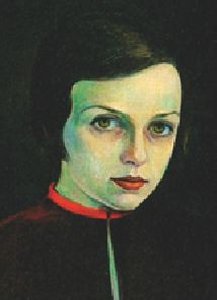
dörte helm-heise
1898 - 1941 , Germany
Основные сведения
- Artistic Movement Or Style: Bauhaus
- Artists Or Movements Influenced By This Artist: ['Expressionism']
- Artists Who Influenced This Artist:
- Johannes Itten
- Lyonel Feininger
- Oskar Schlemmer
- Walter Gropius
- Date Of Birth: December 3, 1898
- Date Of Death: February 24, 1941
- Full Name: Dörte Helm-Heise
- Nationality: German
- Notable Artworks:
- Untitled
- Ahrenshoop – Women
- Place Of Birth: Berlin, Germany
Похожие статьи

The Visceral Cry of a Nation: Exploring Emotion & Distortion in German Expressionism
Explore the powerful world of German Expressionism with ArtsDot. Discover Kirchner, Nolde & Die Brücke's emotive masterpieces. Learn about this pivotal art movement and its lasting impact on modern art.
10 Шедевров Немецкого Экспрессионизма: Искусство Эмоций и Вдохновения | ArtsDot
Погрузитесь в мир немецкого экспрессионизма! Узнайте истории создания шедевров Мунка, Кирхнера, Кандинского и других великих художников. Репродукции картин высокого качества для вашего интерьера на ArtsDot.com. Откройте всю коллекцию онлайн!
The Subdued Radiance of Pastel: Exploring Nuance & Emotion in Art
Explore the nuanced world of pastel art! Discover its history, techniques & emotional power with expert insights from ArtsDot.com. Find museum-quality reproductions and learn about collecting this delicate medium.
The Subdued Radiance of Pastel Palettes: Exploring Emotional Resonance in Art History
Explore the emotional power of pastel palettes in art history! Discover Impressionism, Post-Impressionism & color psychology insights. Find museum-quality reproductions at ArtsDot.
The Subtleties of Pastel: A Comprehensive Exploration of Technique, History & Emotional Resonance
Explore the captivating world of pastel art! Discover its rich history, Impressionistic masters like Degas, emotional power & unique techniques. Find museum-quality reproductions at ArtsDot.