

 Поделиться
 Поделиться
 Детали произведения

 Скачать
 Похожие работы
 Слайд-шоу
 Статистика
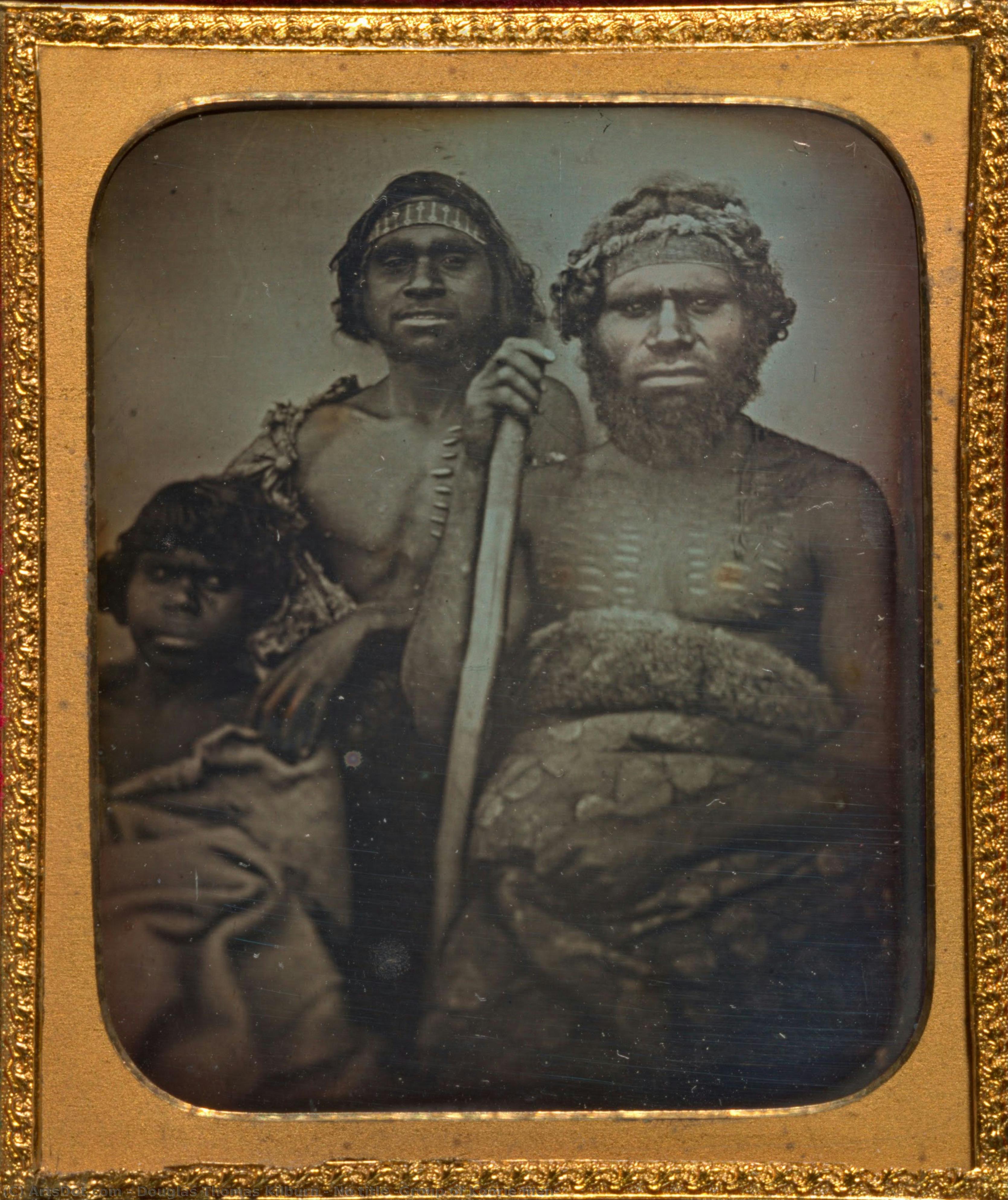
No title (Group of Koorie men)
 Black and White Photography
- Photo
- Victorian Portrait Photography
 1847
1847- 19th Century
 7.0 x 6.0 cm
 Национальная галерея Виктории
 Читать далее
Приобретите цифровое изображение высокого разрешения в улучшенном качестве, которое значительно превосходит онлайн-превью.
Каждый файл тщательно подготавливается нашими специалистами с использованием передовых инструментов и экспертной ручной ретуши. Мы гарантируем исключительную четкость, точную цветопередачу и детальную проработку каждого изображения.
Финальный файл доставляется по электронной почте в течение 72 часов и оптимизирован для немедленного использования в профессиональной среде, при верстке и печати. Это тот же уровень качества, которому доверяют ведущие дизайнерские студии, издательства и галереи.
Цифровое изображение
Скачайте файл высокого разрешения для личного использования, печати и творческих проектов. ( Перейти к печати Купить картину ручной работы)
Включено в каждый заказ цифровых изображений
Гарантия экспертной цифровой доставки
Выбирая ArtsDot.com, вы получаете не просто изображение — вы приобретаете профессионально обработанное цифровое произведение искусства, созданное с безупречной точностью и под защитой гарантии качества. Вот всё, что автоматически входит в ваш заказ:

Мгновенная доставка по e-mail
Ваш цифровой файл в высоком разрешении будет отправлен вам по электронной почте в течение 72 часов после оформления заказа — и сразу станет доступен для использования.

Цифровой файл с ИИ-улучшением
Ваше произведение искусства проходит профессиональную оптимизацию с использованием передовых инструментов ИИ и ручной обработки, что гарантирует максимальную детализацию, четкость и точность цветопередачи.

Бессрочная бесплатная повторная доставка
Случайно удалили или потеряли файл? Не беспокойтесь — мы отправим его вам повторно в любое время и совершенно бесплатно.

Без импортных пошлин — навсегда
Наслаждайтесь вашим произведением искусства мгновенно без таможенных пошлин, сборов или затрат на доставку — цифровые загрузки всегда не облагаются налогом.

Гарантия точности цветопередачи
Мы гарантируем, что ваше цифровое изображение максимально точно передает оригинальные цвета благодаря использованию профессиональных инструментов и систем управления цветом.

Гарантия удовлетворенности 100 дней
Если вы не будете удовлетворены своим цифровым изображением, мы внесем правки или вернем 100% стоимости в течение 100 дней — без лишних вопросов.

100% Гарантия возврата средств
Не удовлетворены покупкой? Получите полный возврат средств в течение 100 дней после получения цифрового файла — без лишних вопросов.

Скидки на оптовые заказы
Купите 3 изображения, сэкономьте 10% — Купите 5, сэкономьте 15% — Купите 10+, сэкономьте 20%. Отличное решение для творческих проектов, галерей и агентств.
A Glimpse Through Time: The Dignity of Early Australian Portraiture
To stand before this remarkable daguerreotype is to confront a moment suspended in amber—a fragile echo from the nascent days of Melbourne. Created in 1847 by Douglas Thomas Kilburn, these images are not merely photographs; they are primary documents of encounter, capturing the lives and presence of Aboriginal people from the surrounding tribes. The composition itself draws the eye immediately to the grouping: three commanding men standing sentinel beside a cluster of seated children. The black and white medium inherently lends an air of solemnity, forcing us to look past the technical limitations of early photography and into the enduring spirit captured within the frame.
Technique and Historical Context
Kilburn’s pioneering work as a daguerreotypist placed him at the very intersection of burgeoning colonial enterprise and deep-rooted Indigenous culture. The process itself—the meticulous chemistry required to fix an image onto polished metal plates—speaks volumes about the scientific curiosity of the mid-nineteenth century. While Kilburn intended these images perhaps as ethnographic studies, the resulting portraits transcend such categorization. Notice the details: the traditional attire worn by the men, the spear held with practiced ease, and even the incongruous presence of an umbrella near the center—these elements anchor the piece firmly in its time while simultaneously suggesting a narrative richness that resists simple labeling.
Symbolism and Enduring Presence
What resonates most profoundly is the palpable dignity emanating from the sitters. Despite the historical context, which involved approaches described as requiring bribery to secure cooperation, the subjects project an undeniable self-possession. They are not merely objects of study; they are individuals asserting their continuity. For contemporary viewers, these daguerreotypes have evolved into powerful symbols of survival and resilience. The gaze captured here is direct, meeting the lens—and thus, the viewer—with an unwavering acknowledgment of existence.
Bringing History Home: Decorating with Memory
For the discerning collector or designer seeking art that carries weight, history, and narrative depth, this reproduction offers a unique focal point. Imagine this piece rendered in exquisite detail within a sophisticated interior space. It does not shout for attention; rather, it invites contemplation. Its muted tones and profound subject matter lend themselves beautifully to rooms aiming for an atmosphere of cultured gravitas or historical reverence. Owning a high-quality reproduction allows one to participate in the dialogue between past and present, honoring both the pioneering artistry of Kilburn and the enduring culture represented.
Похожие произведения

Биография художника
The Convergence of Light and Line
In the mid-19th century, as the colonial frontiers of Australia were being etched into the global consciousness, a singular talent arrived from the heart of London to capture the essence of a changing world. Douglas Thomas Kilburn, an artist initially trained in the delicate nuances of watercolor, brought with him more than just brushes and pigments; he carried the burgeoning magic of the daguerreotype. Arriving in Melbourne between 1847 and 1849, Kilburn stood at the precipice of a photographic revolution, bridging the gap between the romanticized traditions of classical painting and the stark, unyielding truth of the silvered plate.His transition from the fluid, expressive strokes of watercolor to the precise, chemical alchemy of early photography marked a pivotal moment in Australian art history. This evolution allowed him to document the landscape and its people with an unprecedented level of clarity, capturing the ephemeral light of a colonial dawn through a medium that was as much science as it was art.
A Portrait of Human Dignity
Kilburn’s true mastery lay not merely in his technical proficiency with the chemical complexities of early photography, but in his profound empathy for his subjects. While many of his contemporaries often approached the Indigenous populations of Australia through a lens of caricature or colonial curiosity, Kilburn sought something far more enduring and respectful. His celebrated series of daguerreotypes featuring the Koori people are renowned for their remarkable dignity and humanity.Through the meticulous use of light and shadow, he rendered portraits that transcended mere documentation, offering a soulful gaze that commanded respect from the viewer. Each image, captured on the fragile, mirror-like surface of the daguerreotype, serves as a window into a moment of profound connection, where the subject's presence is felt with an almost tactile intensity. In these portraits, the subjects are not mere specimens of study, but individuals possessing a quiet, commanding strength.
A Lasting Visual Legacy
The significance of Kilburn’s work extends far beyond the aesthetic beauty of his early photographic experiments. As one of the true pioneers of photography in Australia, his contributions laid the groundwork for a medium that would eventually redefine how history is recorded and perceived. His ability to blend the vastness of the Australian landscape with the intimate, focused detail of human portraiture created a visual archive of unparalleled historical importance.Today, we look back at Kilburn not just as a photographer, but as a vital chronicler of a pivotal era. His work remains an indispensable part of the Australian artistic and historical tapestry, preserving the faces and landscapes of a period that might otherwise have faded into the shadows of time. His legacy is etched in every highlight and shadow of those early plates, reminding us of the power of the lens to preserve the dignity of the human spirit against the relentless passage of history.
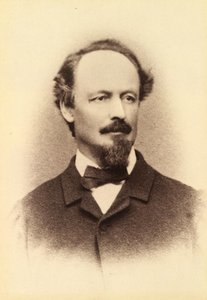
douglas thomas kilburn
1813 - 1871 , United Kingdom
Основные сведения
- Artistic Movement Or Style: Watercolour and daguerreotype
- Date Of Birth: 1813
- Date Of Death: 1871
- Full Name: Douglas Thomas Kilburn
- Nationality: English
- Notable Artworks: ['Daguerreotypes of Koori people']
- Place Of Birth: London, United Kingdom