

 Предпросмотр
 Поделиться
 Поделиться
 Детали произведения

 Скачать
 Похожие работы
 Рентгенография
 Слайд-шоу
 Статистика
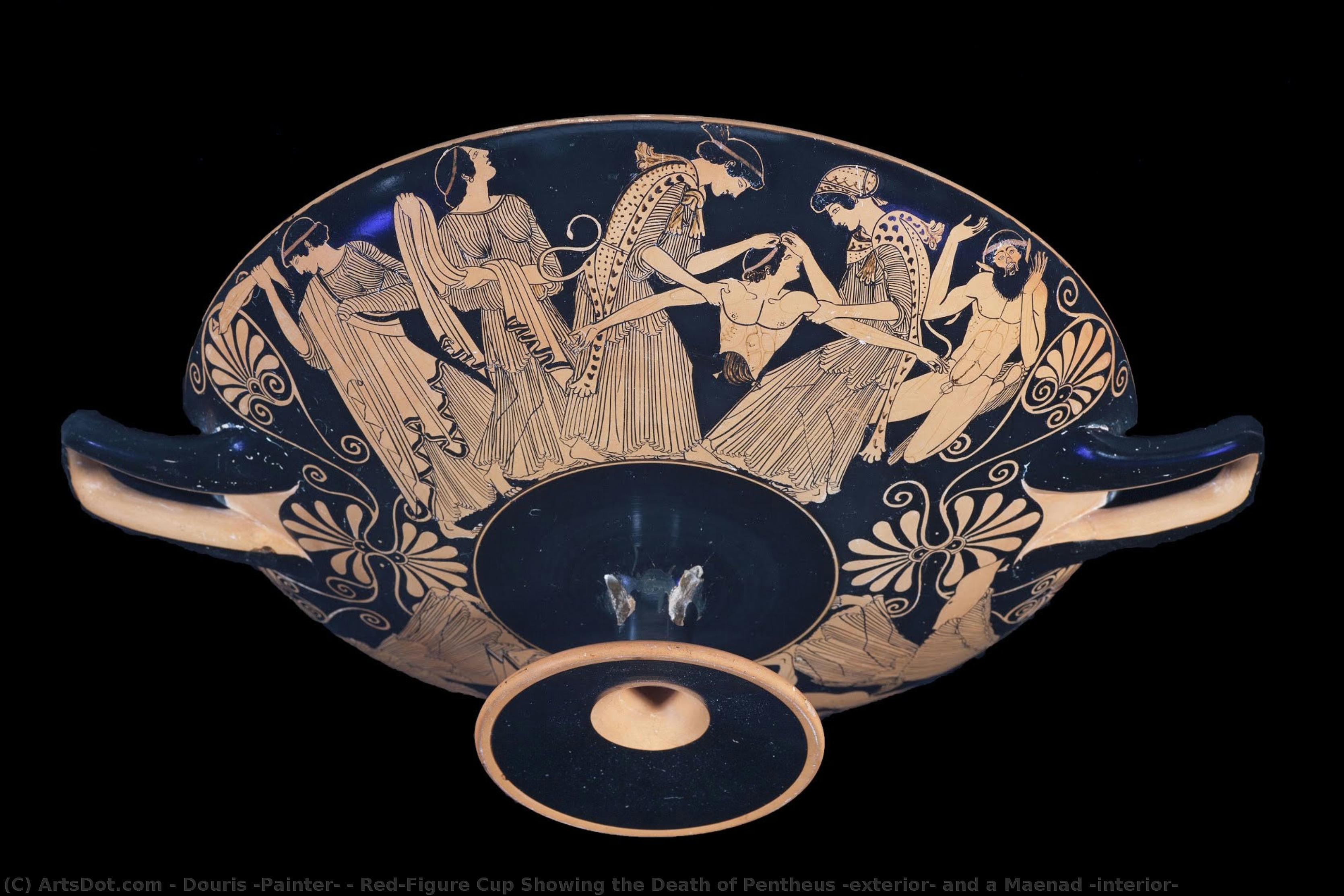
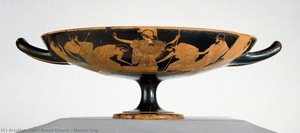
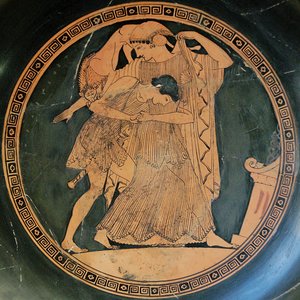
Red-Figure Cup Showing the Death of Pentheus (exterior) and a Maenad (interior)

 Читать далее
Приобретите цифровое изображение высокого разрешения в улучшенном качестве, которое значительно превосходит онлайн-превью.
Каждый файл тщательно подготавливается нашими специалистами с использованием передовых инструментов и экспертной ручной ретуши. Мы гарантируем исключительную четкость, точную цветопередачу и детальную проработку каждого изображения.
Финальный файл доставляется по электронной почте в течение 72 часов и оптимизирован для немедленного использования в профессиональной среде, при верстке и печати. Это тот же уровень качества, которому доверяют ведущие дизайнерские студии, издательства и галереи.
Цифровое изображение
Скачайте файл высокого разрешения для личного использования, печати и творческих проектов. ( Перейти к печати Купить картину ручной работы)
Включено в каждый заказ цифровых изображений
Гарантия экспертной цифровой доставки
Выбирая ArtsDot.com, вы получаете не просто изображение — вы приобретаете профессионально обработанное цифровое произведение искусства, созданное с безупречной точностью и под защитой гарантии качества. Вот всё, что автоматически входит в ваш заказ:

Мгновенная доставка по e-mail
Ваш цифровой файл в высоком разрешении будет отправлен вам по электронной почте в течение 72 часов после оформления заказа — и сразу станет доступен для использования.

Цифровой файл с ИИ-улучшением
Ваше произведение искусства проходит профессиональную оптимизацию с использованием передовых инструментов ИИ и ручной обработки, что гарантирует максимальную детализацию, четкость и точность цветопередачи.

Бессрочная бесплатная повторная доставка
Случайно удалили или потеряли файл? Не беспокойтесь — мы отправим его вам повторно в любое время и совершенно бесплатно.

Без импортных пошлин — навсегда
Наслаждайтесь вашим произведением искусства мгновенно без таможенных пошлин, сборов или затрат на доставку — цифровые загрузки всегда не облагаются налогом.

Гарантия точности цветопередачи
Мы гарантируем, что ваше цифровое изображение максимально точно передает оригинальные цвета благодаря использованию профессиональных инструментов и систем управления цветом.

Гарантия удовлетворенности 100 дней
Если вы не будете удовлетворены своим цифровым изображением, мы внесем правки или вернем 100% стоимости в течение 100 дней — без лишних вопросов.

100% Гарантия возврата средств
Не удовлетворены покупкой? Получите полный возврат средств в течение 100 дней после получения цифрового файла — без лишних вопросов.

Скидки на оптовые заказы
Купите 3 изображения, сэкономьте 10% — Купите 5, сэкономьте 15% — Купите 10+, сэкономьте 20%. Отличное решение для творческих проектов, галерей и агентств.
Похожие произведения






Биография художника
Douris: The Silent Master of Athenian Red-Figure
The world of ancient Greek vase painting often feels shrouded in mystery, a realm populated by enigmatic figures and elusive signatures. Among the most celebrated – and yet still somewhat obscure – of these artists stands Douris (c. 500-460 BCE), an Athenian red-figure potter whose work offers a remarkable glimpse into the vibrant social and artistic life of classical Athens. While his name, like that of many contemporary painters, remains largely absent from surviving inscriptions, the sheer volume and exceptional quality of his vases – kylixes, psykters, and hydriai, primarily – speak volumes about his profound influence and technical mastery.
Douris’s career unfolded during a period of remarkable artistic innovation. He began his apprenticeship under Kleophrades and Euphronios, two giants of the red-figure style, absorbing their techniques and sensibilities. However, it was his long collaboration with the potter Python that truly defined his distinctive approach. This partnership, spanning several decades, allowed Douris to develop a unique visual language, characterized by elegant figures, dynamic compositions, and an unparalleled attention to detail. His signature, often appearing as ‘Douris’ or ‘Δοῦρις,’ became increasingly prevalent on his work, cementing his reputation as one of the foremost vase painters of his time.
The Evolution of a Style: Four Distinct Periods
Art historians have meticulously divided Douris's career into four distinct periods, each marked by subtle shifts in style and subject matter. The first period, roughly encompassing the years 500-470 BCE, is characterized by a lavish ornamentation – a veritable explosion of decorative motifs adorning the vases’ borders. Scenes from symposiums (gatherings of drinking companions), komoi (processions of drunken revelers), and heroic battles dominated his output, reflecting the central role of social life and mythology in Athenian culture. The kalos-inscription ‘Chairestratos,’ a popular epithet denoting beauty and excellence, frequently appeared on these early works, suggesting a close association with the renowned sculptor Chares.
As Douris transitioned into his second period (470-460 BCE), he moved away from Kleophrades and began collaborating exclusively with Python. The kalos-inscription ‘Hippodamas’ became increasingly common, while the decorative elements on the vases themselves began to recede in prominence. This shift reflected a growing emphasis on the figures themselves – youthful athletes, gods, and heroes rendered with remarkable grace and anatomical accuracy. The characteristic “hook” at the inner end of the collarbone, a subtle but distinctive feature of Douris’s style, became firmly established during this era.
Douris's third period (460-450 BCE) is often considered his most idiosyncratic. The edges of the medallions on his vases are defined by an alternating pattern of meanders and squares – a bold and innovative technique that set him apart from his contemporaries. Palmettes adorned the handles of the cups, creating intricate and visually arresting designs. The kalos-inscription ‘Hippodamas’ continued to appear, alongside less frequent inscriptions such as ‘HIketes.’ This period showcases Douris's willingness to experiment with form and decoration, pushing the boundaries of red-figure technique.
Finally, in his fourth and final period (450-440 BCE), Douris returned to a more restrained and opulent style. The borders of his vases often retained elements reminiscent of the previous period – the ‘Hippodamas’ border – but gradually reverted to more conventional patterns. His signature disappeared entirely, and the kalos-inscriptions became less frequent. This final phase reflects a decline in Douris's artistic energy, yet it also demonstrates his enduring mastery of the red-figure technique.
Subjects and Symbolism: A Window into Athenian Life
Douris’s vases offer an unparalleled window into the social, religious, and cultural life of ancient Athens. The scenes depicted – symposiums, athletic competitions, mythological narratives, and depictions of daily life – provide invaluable insights into Athenian values, beliefs, and customs. The frequent portrayal of symposiums, for example, reveals the importance of communal drinking and conversation in Athenian society, while the scenes of athletic contests highlight the value placed on physical prowess and competition.
Furthermore, Douris’s work is replete with symbolic imagery. The figures themselves are often imbued with meaning, representing gods, heroes, and moral ideals. The use of specific colors – red for flesh tones, black for outlines and drapery – also carried symbolic weight, contributing to the overall narrative and emotional impact of the scenes depicted. For instance, depictions of Dionysus, the god of wine and revelry, frequently featured vibrant reds and yellows, symbolizing his association with intoxication and ecstasy.
Legacy and Influence
Despite the scarcity of surviving inscriptions, Douris’s influence on subsequent generations of vase painters is undeniable. His elegant figures, dynamic compositions, and innovative techniques set a new standard for red-figure pottery, inspiring countless artists to emulate his style. His work continues to be studied and admired by art historians and collectors around the world, serving as a testament to his enduring artistic legacy. Douris’s vases are not merely beautiful objects; they are invaluable historical documents, offering a rare and intimate glimpse into the vibrant world of ancient Athens.
douris (painter)
Greece
Основные сведения
- Artistic Movement Or Style: Red-figure pottery
- Artists Or Movements Influenced By This Artist:
- Onesimos
- Red-figure pottery
- Artists Who Influenced This Artist:
- Kleophrades
- Euphronios
- Python
- Date Of Birth: c. 500-460 BCE
- Date Of Death: Living
- Full Name: Douris (c. 500-460 BCE)
- Nationality: Athenian Greek
- Notable Artworks:
- Thetis and Peleus
- Symposium scenes
- Kylix painter
- Place Of Birth: Athens, Greece