


 Предпросмотр
 Поделиться
 Поделиться
 Детали произведения

 Скачать
 Похожие работы
 Рентгенография
 Слайд-шоу
 Статистика
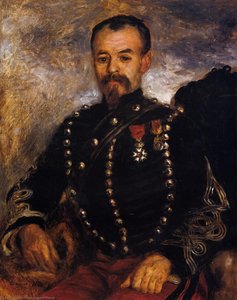
AUGUSTIN DANIEL BELLIARD, CAPITAINE AU 1ER BATAILLON DE LA VENDEE EN 1792 (1769 1832)

 Читать далее
Приобретите цифровое изображение высокого разрешения в улучшенном качестве, которое значительно превосходит онлайн-превью.
Каждый файл тщательно подготавливается нашими специалистами с использованием передовых инструментов и экспертной ручной ретуши. Мы гарантируем исключительную четкость, точную цветопередачу и детальную проработку каждого изображения.
Финальный файл доставляется по электронной почте в течение 72 часов и оптимизирован для немедленного использования в профессиональной среде, при верстке и печати. Это тот же уровень качества, которому доверяют ведущие дизайнерские студии, издательства и галереи.
Цифровое изображение
Скачайте файл высокого разрешения для личного использования, печати и творческих проектов. ( Перейти к печати Купить картину ручной работы)
Включено в каждый заказ цифровых изображений
Гарантия экспертной цифровой доставки
Выбирая ArtsDot.com, вы получаете не просто изображение — вы приобретаете профессионально обработанное цифровое произведение искусства, созданное с безупречной точностью и под защитой гарантии качества. Вот всё, что автоматически входит в ваш заказ:

Мгновенная доставка по e-mail
Ваш цифровой файл в высоком разрешении будет отправлен вам по электронной почте в течение 72 часов после оформления заказа — и сразу станет доступен для использования.

Цифровой файл с ИИ-улучшением
Ваше произведение искусства проходит профессиональную оптимизацию с использованием передовых инструментов ИИ и ручной обработки, что гарантирует максимальную детализацию, четкость и точность цветопередачи.

Бессрочная бесплатная повторная доставка
Случайно удалили или потеряли файл? Не беспокойтесь — мы отправим его вам повторно в любое время и совершенно бесплатно.

Без импортных пошлин — навсегда
Наслаждайтесь вашим произведением искусства мгновенно без таможенных пошлин, сборов или затрат на доставку — цифровые загрузки всегда не облагаются налогом.

Гарантия точности цветопередачи
Мы гарантируем, что ваше цифровое изображение максимально точно передает оригинальные цвета благодаря использованию профессиональных инструментов и систем управления цветом.

Гарантия удовлетворенности 100 дней
Если вы не будете удовлетворены своим цифровым изображением, мы внесем правки или вернем 100% стоимости в течение 100 дней — без лишних вопросов.

100% Гарантия возврата средств
Не удовлетворены покупкой? Получите полный возврат средств в течение 100 дней после получения цифрового файла — без лишних вопросов.

Скидки на оптовые заказы
Купите 3 изображения, сэкономьте 10% — Купите 5, сэкономьте 15% — Купите 10+, сэкономьте 20%. Отличное решение для творческих проектов, галерей и агентств.
Похожие произведения
Биография художника
A Silent Witness to Turbulent Times
François Dubois remains one of the most enigmatic and haunting figures of the French Renaissance, an artist whose legacy is etched into the very fabric of religious and political tragedy. Born around 1529 in Amiens, Dubois lived through an era defined by profound upheaval, where the spiritual landscape of France was being violently reshaped by the Reformation. As a Huguenot painter, his life and art were inextricably linked to the escalating tensions between Catholics and Protestants. While biographical records from this period are often fragmented, scholarly whispers suggest he may have refined his craft under the tutified influence of Jean Goujon, the celebrated sculptor of the Fontainebleau Palace. This connection likely introduced him to the sophisticated language of Mannerism, a style characterized by its elongated, elegant figures and a dramatic, almost theatrical use of light and shadow that would later serve his most visceral narratives.
The trajectory of Dubois’ life was irrevocably altered by the blood-soaked streets of Paris in 1572. The St. Bartholomew’s Day Massacre, a period of horrific targeted violence against Huguenots, forced him into exile. Seeking refuge in the Protestant Republic of Geneva, he carried with him not only the trauma of his people but also a profound artistic mission. It is believed that while he may not have personally witnessed every horror of the massacre, the loss of kin—specifically his cousin, the surgeon Antoine Dubois—deeply informed the emotional gravity of his work. This personal connection transformed his art from mere historical documentation into a poignant, spiritual lamentation.
The Masterpiece of Memory and Martyrdom
Dubois’ fame rests almost entirely upon a single, monumental achievement: his harrowing depiction of the St. Bartholomew’s Day Massacre. Commissioned by Jean Baptiste Briçonnet, a banker from Lyon who sought to memorialize the fallen Antoine Dubois, this canvas transcends the boundaries of traditional history painting. It is a work of profound psychological realism and symbolic depth, capturing the simultaneous chaos of two distinct yet interconnected episodes of violence. The composition is masterfully structured to guide the viewer through a landscape of terror, where the line between earthly slaughter and divine martyrdom becomes blurred.
In one of the most arresting sequences of the painting, the lifeless body of the Huguenot leader Gaspard de Coligny hangs precariously from a window. This imagery is far from accidental; it serves as a deliberate, somber allusion to the crucifixion of Christ, casting the fallen Protestant leader as a martyr for his faith. Below this suspended figure, the brutal reality of the conflict is laid bare through the depiction of his decapitated head, a chilling symbol of the systematic suppression of the Huguenot cause. To the left, the presence of Catherine de' Medici emerging from the Louvre Palace adds a layer of political intrigue and cold authority to the scene, as she inspects the mounting carnage. Through these meticulously crafted details, Dubois captures the visceral essence of fear, making the viewer an involuntary witness to one of history's most dark and transformative moments.
Legacy within the Fontainebleau School
Beyond his singular masterpiece, Dubois is recognized as a significant contributor to the Fontainebleau School, a movement that brought a unique French flavor to the broader European Mannerist tradition. His ability to weave complex historical and religious themes into a cohesive visual narrative demonstrates a sophisticated understanding of the era's aesthetic demands. While his surviving body of work may be limited, the impact of his vision remains undiminished. He stands as a testament to the power of art to act as a vessel for collective memory, ensuring that the shadows of the 16th century are never truly forgotten.
The historical significance of François Dubois lies in his role as a chronicler of conscience. His work does not merely record facts; it captures the atmosphere of an age defined by conviction and catastrophe. Through his brush, the political struggles of the French Wars of Religion are elevated to the level of universal human tragedy, securing his place in the annals of art history as a painter who dared to look directly into the heart of darkness.
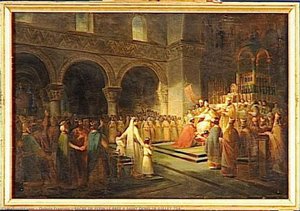
dubois françois
1529 - 1584
Основные сведения
- Artistic Movement Or Style: Fontainebleau School
- Artists Or Movements Influenced By This Artist: ['Renaissance']
- Artists Who Influenced This Artist: ['Jean Goujon']
- Date Of Birth: 1529
- Date Of Death: 1584
- Full Name: François Dubois
- Nationality: French
- Notable Artworks: ['Saint Bartholomew’s Day Massacre']
- Place Of Birth: Amiens, France