![La Divina Commedia / [immagini Di Amos Nattini!] — Durante Di Alighiero Degli Alighieri](/media/artworks/images-full/de/76/de760d6b4a579259f1640fb709e1af4b.jpg)
 Предпросмотр
 Поделиться
 Поделиться
 Детали произведения

 Скачать
 Похожие работы
 Рентгенография
 Слайд-шоу
 Статистика
La Divina Commedia / [immagini di Amos Nattini!]


 Читать далее
Приобретите цифровое изображение высокого разрешения в улучшенном качестве, которое значительно превосходит онлайн-превью.
Каждый файл тщательно подготавливается нашими специалистами с использованием передовых инструментов и экспертной ручной ретуши. Мы гарантируем исключительную четкость, точную цветопередачу и детальную проработку каждого изображения.
Финальный файл доставляется по электронной почте в течение 72 часов и оптимизирован для немедленного использования в профессиональной среде, при верстке и печати. Это тот же уровень качества, которому доверяют ведущие дизайнерские студии, издательства и галереи.
Цифровое изображение
Скачайте файл высокого разрешения для личного использования, печати и творческих проектов. ( Перейти к печати Купить картину ручной работы)
Включено в каждый заказ цифровых изображений
Гарантия экспертной цифровой доставки
Выбирая ArtsDot.com, вы получаете не просто изображение — вы приобретаете профессионально обработанное цифровое произведение искусства, созданное с безупречной точностью и под защитой гарантии качества. Вот всё, что автоматически входит в ваш заказ:

Мгновенная доставка по e-mail
Ваш цифровой файл в высоком разрешении будет отправлен вам по электронной почте в течение 72 часов после оформления заказа — и сразу станет доступен для использования.

Цифровой файл с ИИ-улучшением
Ваше произведение искусства проходит профессиональную оптимизацию с использованием передовых инструментов ИИ и ручной обработки, что гарантирует максимальную детализацию, четкость и точность цветопередачи.

Бессрочная бесплатная повторная доставка
Случайно удалили или потеряли файл? Не беспокойтесь — мы отправим его вам повторно в любое время и совершенно бесплатно.

Без импортных пошлин — навсегда
Наслаждайтесь вашим произведением искусства мгновенно без таможенных пошлин, сборов или затрат на доставку — цифровые загрузки всегда не облагаются налогом.

Гарантия точности цветопередачи
Мы гарантируем, что ваше цифровое изображение максимально точно передает оригинальные цвета благодаря использованию профессиональных инструментов и систем управления цветом.

Гарантия удовлетворенности 100 дней
Если вы не будете удовлетворены своим цифровым изображением, мы внесем правки или вернем 100% стоимости в течение 100 дней — без лишних вопросов.

100% Гарантия возврата средств
Не удовлетворены покупкой? Получите полный возврат средств в течение 100 дней после получения цифрового файла — без лишних вопросов.

Скидки на оптовые заказы
Купите 3 изображения, сэкономьте 10% — Купите 5, сэкономьте 15% — Купите 10+, сэкономьте 20%. Отличное решение для творческих проектов, галерей и агентств.
Похожие произведения
Биография художника
The Florentine Visionary: A Life Dedicated to Verse
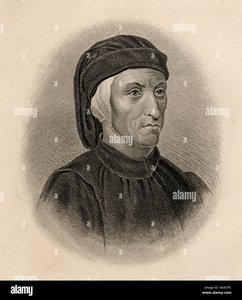
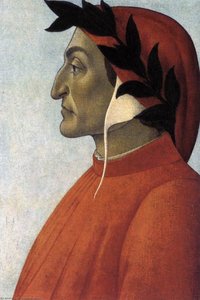
Durante di Alighiero degli Alighieri, known universally as Dante, stands as a monumental figure in the landscape of Western literature. Born in Florence around 1265 – the precise date remains shrouded in the mists of time, though May is widely accepted – his life was inextricably interwoven with the tumultuous political and social currents of medieval Italy. He wasn’t merely a poet; he was a philosopher, a political thinker, and a linguist who fundamentally reshaped the Italian language itself. His family, while possessing noble lineage, occupied a modest position in Florentine society, allowing Dante access to an education that fostered his intellectual curiosity but also exposed him to the realities of civic strife.
Florence during Dante’s youth was a vibrant hub of commerce and culture, yet deeply fractured by internal conflicts between powerful factions – notably the Guelphs and Ghibellines. These divisions would profoundly impact Dante's life, ultimately leading to his exile in 1302. His early literary endeavors, such as *La Vita Nuova* (The New Life), a collection of lyrical poems interwoven with prose narratives celebrating his idealized love for Beatrice Portinari, reveal a burgeoning talent steeped in the traditions of courtly love and the *Dolce Stil Novo*, a poetic movement emphasizing refined emotion and elegant language. However, even in these early works, hints of Dante’s unique philosophical depth and political awareness begin to emerge.
The Divine Comedy: A Journey Through Realms
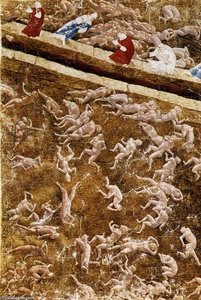
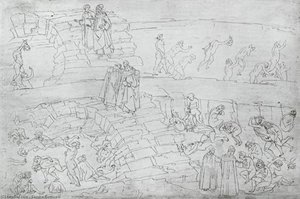
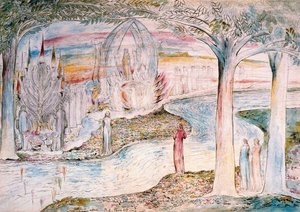
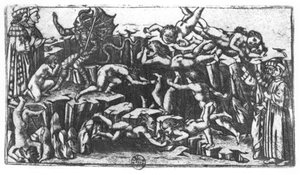
It is, of course, for *La Divina Commedia* (The Divine Comedy) that Dante achieved enduring fame. Composed during his exile – a period marked by hardship, wandering, and profound reflection – this epic poem transcends the boundaries of mere literature; it’s a theological, philosophical, and political masterpiece. The poem chronicles an allegorical journey through Hell (*Inferno*), Purgatory (*Purgatorio*), and Heaven (*Paradiso*), guided first by the Roman poet Virgil and then by Beatrice herself. The sheer scope of Dante's vision is breathtaking, populated with historical figures, mythological creatures, and contemporary personalities, each serving as a vehicle for exploring themes of sin, redemption, justice, and divine love.
What sets *The Divine Comedy* apart isn’t simply its narrative power but also its innovative use of the vernacular – Tuscan dialect. At a time when Latin was the language of scholarship and high culture, Dante boldly chose to write in the language spoken by the people, elevating it to a level of literary sophistication previously unheard of. This decision not only broadened the poem’s accessibility but also laid the foundation for modern Italian as we know it today. His treatise *De vulgari eloquentia* (On Eloquence in the Vernacular) further solidified his commitment to the power and potential of the spoken language, arguing for its legitimacy as a medium for artistic expression.
Influences and Artistic Development
Dante’s intellectual lineage was rich and diverse. He drew inspiration from classical authors like Virgil, whose *Aeneid* served as a structural model for *The Divine Comedy*, and Aristotle, whose philosophical ideas profoundly influenced his worldview. He also absorbed the theological teachings of Thomas Aquinas and the mystical traditions of medieval Christianity. However, Dante wasn’t merely an imitator; he synthesized these influences into something entirely new and uniquely his own.
His early works demonstrate a gradual evolution towards greater complexity and philosophical depth. *La Vita Nuova* showcases his mastery of lyric poetry and his exploration of courtly love themes. Later, in *Convivio* (The Banquet), an unfinished work of philosophical exposition, Dante grapples with complex questions of morality, politics, and the nature of knowledge. These works paved the way for the ambitious scope and profound insights of *The Divine Comedy*, which represents the culmination of his artistic and intellectual development.
A Lasting Legacy: The Father of Italian Literature
Dante’s impact on Western culture is immeasurable. *The Divine Comedy* continues to be studied, analyzed, and celebrated centuries after its completion. His vivid imagery, compelling characters, and profound philosophical insights have inspired countless artists, writers, and thinkers. He is rightfully regarded as the “father” of the Italian language, and his work remains a cornerstone of Italian national identity.
Beyond Italy, Dante’s influence can be seen in the works of Geoffrey Chaucer, John Milton, Alfred Tennyson, and many others. His exploration of universal themes – sin, redemption, love, loss, and the search for meaning – resonates with readers across cultures and generations. The *terza rima*, the interlocking three-line rhyme scheme he pioneered, continues to be employed by poets today. Dante Alighieri wasn’t simply a poet; he was a visionary who transformed literature, language, and our understanding of the human condition.