

 Предпросмотр
 Поделиться
 Поделиться
 Детали произведения

 Скачать
 Похожие работы
 Рентгенография
 Слайд-шоу
 Статистика
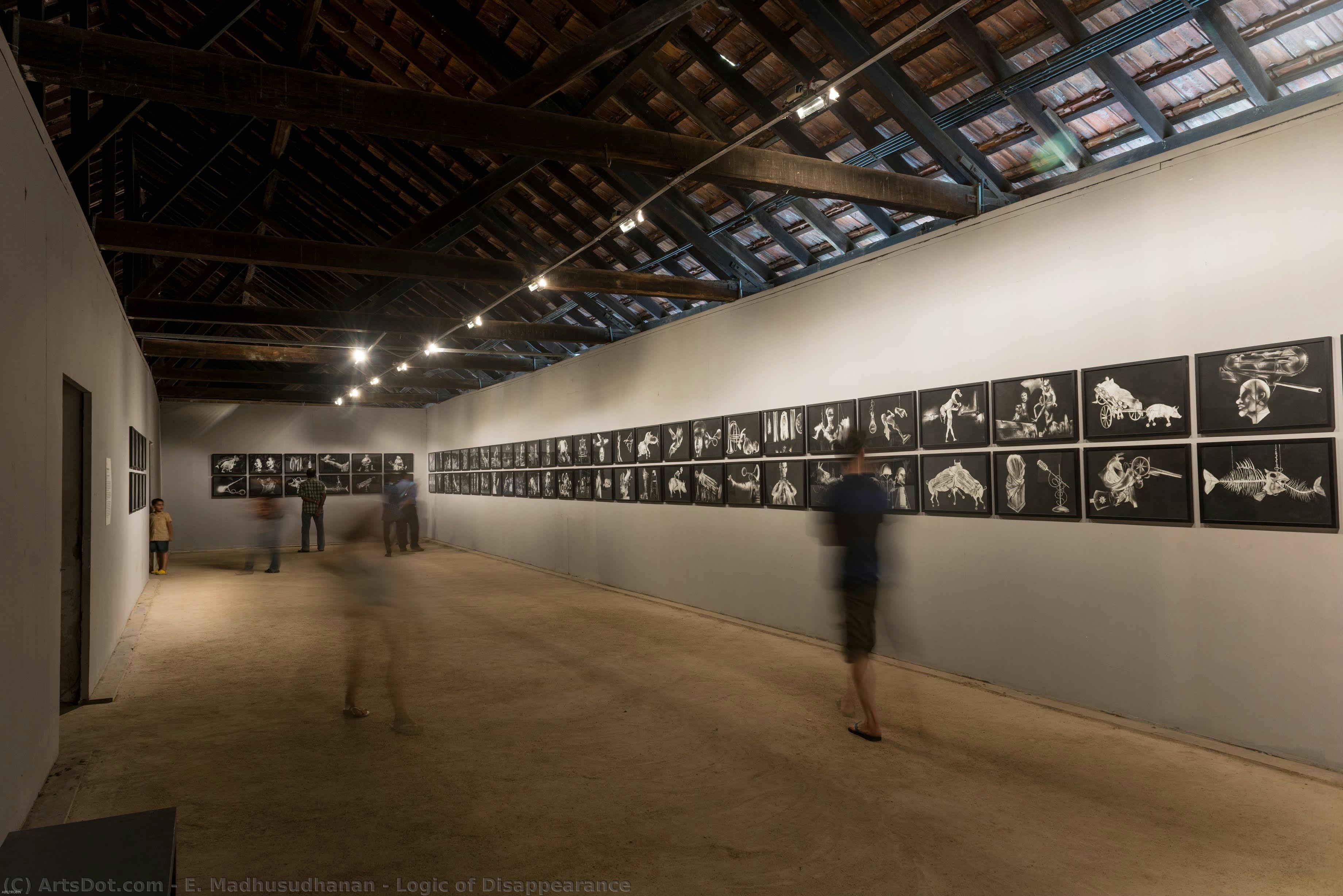
Logic of Disappearance

 Читать далее
Приобретите цифровое изображение высокого разрешения в улучшенном качестве, которое значительно превосходит онлайн-превью.
Каждый файл тщательно подготавливается нашими специалистами с использованием передовых инструментов и экспертной ручной ретуши. Мы гарантируем исключительную четкость, точную цветопередачу и детальную проработку каждого изображения.
Финальный файл доставляется по электронной почте в течение 72 часов и оптимизирован для немедленного использования в профессиональной среде, при верстке и печати. Это тот же уровень качества, которому доверяют ведущие дизайнерские студии, издательства и галереи.
Цифровое изображение
Скачайте файл высокого разрешения для личного использования, печати и творческих проектов. ( Перейти к печати Купить картину ручной работы)
Включено в каждый заказ цифровых изображений
Гарантия экспертной цифровой доставки
Выбирая ArtsDot.com, вы получаете не просто изображение — вы приобретаете профессионально обработанное цифровое произведение искусства, созданное с безупречной точностью и под защитой гарантии качества. Вот всё, что автоматически входит в ваш заказ:

Мгновенная доставка по e-mail
Ваш цифровой файл в высоком разрешении будет отправлен вам по электронной почте в течение 72 часов после оформления заказа — и сразу станет доступен для использования.

Цифровой файл с ИИ-улучшением
Ваше произведение искусства проходит профессиональную оптимизацию с использованием передовых инструментов ИИ и ручной обработки, что гарантирует максимальную детализацию, четкость и точность цветопередачи.

Бессрочная бесплатная повторная доставка
Случайно удалили или потеряли файл? Не беспокойтесь — мы отправим его вам повторно в любое время и совершенно бесплатно.

Без импортных пошлин — навсегда
Наслаждайтесь вашим произведением искусства мгновенно без таможенных пошлин, сборов или затрат на доставку — цифровые загрузки всегда не облагаются налогом.

Гарантия точности цветопередачи
Мы гарантируем, что ваше цифровое изображение максимально точно передает оригинальные цвета благодаря использованию профессиональных инструментов и систем управления цветом.

Гарантия удовлетворенности 100 дней
Если вы не будете удовлетворены своим цифровым изображением, мы внесем правки или вернем 100% стоимости в течение 100 дней — без лишних вопросов.

100% Гарантия возврата средств
Не удовлетворены покупкой? Получите полный возврат средств в течение 100 дней после получения цифрового файла — без лишних вопросов.

Скидки на оптовые заказы
Купите 3 изображения, сэкономьте 10% — Купите 5, сэкономьте 15% — Купите 10+, сэкономьте 20%. Отличное решение для творческих проектов, галерей и агентств.
Похожие произведения








Биография художника
Robert Delaunay: A Pioneer of Color and Rhythm
Robert Delaunay, born Robert-Victor-Felix Delaunay in Paris on April 12, 1885, was a pivotal figure in the early development of modern art. His life, marked by both artistic innovation and personal turmoil, profoundly shaped the trajectory of movements like Orphism and Cubism. Initially apprenticed to a theatrical designer – a surprisingly pragmatic start for an artist destined to revolutionize color theory – Delaunay’s early career laid the groundwork for his later explorations into abstraction. He was deeply influenced by Neo-Impressionism, particularly the work of Paul Gauguin and Georges Seurat, absorbing their emphasis on broken color and meticulous application. However, it wasn't long before he moved beyond mere imitation, seeking a more dynamic and expressive language.The Birth of Orphism
Delaunay’s most significant contribution to the art world is undoubtedly his creation of Orphism – a term he coined alongside his wife, Sonia Delaunay. This movement, emerging in the early 1910s, represented a radical departure from traditional representation. Rather than depicting objects realistically, Delaunay and Sonia focused on capturing the *essence* of color and its inherent rhythms. They employed vibrant, often clashing hues – reds, yellows, blues, greens – arranged in dynamic compositions that evoked feelings of movement, energy, and joy. This was not simply about aesthetics; it was a deliberate attempt to break free from the constraints of objective reality and tap into a more primal, emotional experience. Their studio, “Atelier Pop-Up,” became a hub for experimentation, attracting artists like František Kupka and Robert Duchamp (no relation), further disseminating the principles of Orphism. The influence of this period is evident in works such as *Endless Rhythm* (1913) and *The Eiffel Tower* (1914-15), both characterized by their bold color palettes and geometric forms.Cubist Roots and a Shift Towards Abstraction
While Delaunay’s association with Cubism is often acknowledged, his engagement with the movement was more nuanced than a simple adoption of its techniques. He initially encountered Cubism through his friendship with František Kupka, who had been exposed to Picasso and Braque's work in Paris. Delaunay incorporated some of Cubism’s fragmentation and multiple viewpoints into his compositions, particularly during the period between 1912 and 1914. However, he quickly moved beyond these influences, developing a distinctly personal style that prioritized color and rhythm over form. Following World War I, Delaunay's work became increasingly abstract, with a focus on circular forms, radiating lines, and layered colors. This period saw the creation of his “Disc” series (1912-13), which explored the dynamic relationships between circles and their surrounding space.Later Works and Legacy
In the 1930s, Delaunay’s style evolved further, incorporating elements of Surrealism and exploring new techniques such as collage and lithography. He experimented with large-scale panels and murals, often collaborating with his wife on monumental works that filled entire rooms with vibrant color and rhythmic patterns. During this time he also worked on designs for the Aeronautics pavilion at the 1937 Paris International Exhibition, creating a stunning visual spectacle of colored reliefs. Despite facing challenges during World War II, including the confiscation of his work by the Vichy regime, Delaunay continued to paint until his death in Montpellier on October 25, 1941. Robert Delaunay’s legacy is immense. He fundamentally altered our understanding of color and its expressive potential, paving the way for later abstract artists like Wassily Kandinsky and Paul Klee. His pioneering work in Orphism remains a vibrant testament to the power of pure color and rhythm, continuing to inspire artists and viewers alike. His influence can be seen not only in his own paintings but also in the works of subsequent generations who embraced abstraction and sought new ways to communicate through visual language. He is remembered as a true innovator, a fearless explorer of color, and a key figure in the birth of modern art.
e. madhusudhanan
1941 - 2021 , India
Основные сведения
- Artistic Movement Or Style:
- Divisionism
- Cubism
- Orphic Cubism
- Simultanism
- Artists Or Movements Influenced By This Artist:
- Klee
- Marc
- Artists Who Influenced This Artist:
- Cézanne
- Neo-Impressionism
- Date Of Birth: 1885-04-12
- Date Of Death: 1941-10-25
- Full Name: Robert Delaunay
- Nationality: French
- Notable Artworks:
- Endless Rhythm
- The Eiffel Tower
- Cityscapes
- Place Of Birth: Paris, France