

 Предпросмотр
 Поделиться
 Поделиться
 Детали произведения

 Скачать
 Похожие работы
 Рентгенография
 Слайд-шоу
 Статистика
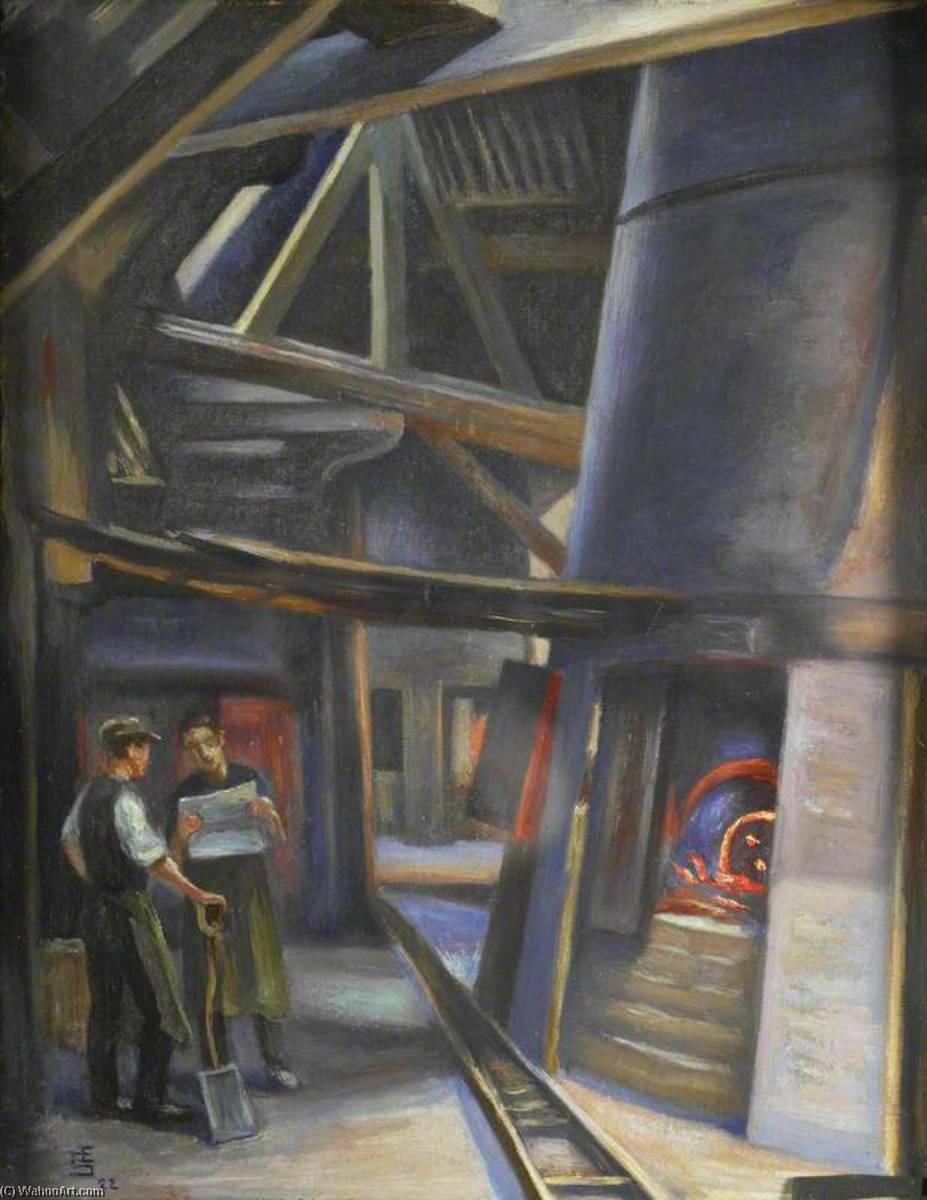
Whitefriars Glass Works, the Glass House
 1922
1922 46.0 x 35.0 cm
 Читать далее
Приобретите цифровое изображение высокого разрешения в улучшенном качестве, которое значительно превосходит онлайн-превью.
Каждый файл тщательно подготавливается нашими специалистами с использованием передовых инструментов и экспертной ручной ретуши. Мы гарантируем исключительную четкость, точную цветопередачу и детальную проработку каждого изображения.
Финальный файл доставляется по электронной почте в течение 72 часов и оптимизирован для немедленного использования в профессиональной среде, при верстке и печати. Это тот же уровень качества, которому доверяют ведущие дизайнерские студии, издательства и галереи.
Цифровое изображение
Скачайте файл высокого разрешения для личного использования, печати и творческих проектов. ( Перейти к печати Купить картину ручной работы)
Включено в каждый заказ цифровых изображений
Гарантия экспертной цифровой доставки
Выбирая ArtsDot.com, вы получаете не просто изображение — вы приобретаете профессионально обработанное цифровое произведение искусства, созданное с безупречной точностью и под защитой гарантии качества. Вот всё, что автоматически входит в ваш заказ:

Мгновенная доставка по e-mail
Ваш цифровой файл в высоком разрешении будет отправлен вам по электронной почте в течение 72 часов после оформления заказа — и сразу станет доступен для использования.

Цифровой файл с ИИ-улучшением
Ваше произведение искусства проходит профессиональную оптимизацию с использованием передовых инструментов ИИ и ручной обработки, что гарантирует максимальную детализацию, четкость и точность цветопередачи.

Бессрочная бесплатная повторная доставка
Случайно удалили или потеряли файл? Не беспокойтесь — мы отправим его вам повторно в любое время и совершенно бесплатно.

Без импортных пошлин — навсегда
Наслаждайтесь вашим произведением искусства мгновенно без таможенных пошлин, сборов или затрат на доставку — цифровые загрузки всегда не облагаются налогом.

Гарантия точности цветопередачи
Мы гарантируем, что ваше цифровое изображение максимально точно передает оригинальные цвета благодаря использованию профессиональных инструментов и систем управления цветом.

Гарантия удовлетворенности 100 дней
Если вы не будете удовлетворены своим цифровым изображением, мы внесем правки или вернем 100% стоимости в течение 100 дней — без лишних вопросов.

100% Гарантия возврата средств
Не удовлетворены покупкой? Получите полный возврат средств в течение 100 дней после получения цифрового файла — без лишних вопросов.

Скидки на оптовые заказы
Купите 3 изображения, сэкономьте 10% — Купите 5, сэкономьте 15% — Купите 10+, сэкономьте 20%. Отличное решение для творческих проектов, галерей и агентств.
Похожие произведения








Биография художника
The Dual Legacy of Edgar Seligman: Artistry and Olympic Might
In the grand tapestry of early twentieth-century history, few figures possess a legacy as strikingly dualistic as Edgar Isaac Seligman. A man whose life was defined by both the delicate precision of the paintbrush and the lightning-fast reflexes of the fencing foil, Seligman navigated two vastly different arenas with equal distinction. Born in San Francisco in 1867 to German-American parents, his journey eventually led him from the vibrant landscapes of the United States to the heart of London’s artistic and sporting circles. While many remember him as a formidable Olympian, it is through his evocative canvases that we truly encounter the soul of an artist dedicated to documenting the rhythmic pulse of the industrial age.
Seligman’s artistic formation was rooted in the prestigious Slade School of Fine Art in London, where he refined his technique under the watchful eyes of masters such as Frederic Leighton. This rigorous training instilled in him a profound respect for classical structure, yet his creative spirit gravitated toward a more modern, atmospheric sensibility. His style emerged as a captivating blend of realism and impressionism, a method that allowed him to capture not just the physical dimensions of his subjects, but the very essence of light, smoke, and motion. He possessed a rare ability to find beauty in the grit of progress, transforming the soot-stained environments of factories into scenes of profound dignity and cinematic drama.
A Chronicler of the Industrial Spirit
The true heart of Seligman’s oeuvre lies in his unflinching gaze upon the industrial landscape. At a time when the world was being reshaped by steel, steam, and mass production, Seligman chose to act as a visual historian for the working class. He did not merely paint machines; he painted the human spirit intertwined with them. His works, such as “Making Aeroplanes”, serve as poignant windows into the wartime effort of 1918, capturing the intense focus and collective purpose of factory employees engaged in the monumental task of aircraft construction. Through his brush, the labor of the many becomes a heroic narrative of individual excellence.
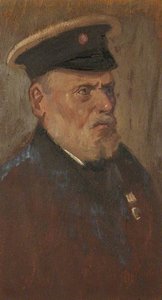
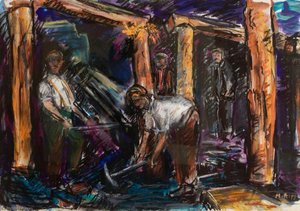
This fascination with the mechanics of life extended to his meticulous depictions of specialized trades. In “Whitefriars Glass Works,” Seligman showcases his mastery of light and texture, documenting the delicate art of glass engraving with such precision that one can almost feel the heat of the furnace and the fragility of the medium. Similarly, his paintings of the Belgian Steel Factory, including “The Luncheon Hour” and “Men at Work,” offer a breathtaking look into the interior lives of laborers. He utilized dramatic chiaroscuro to highlight the interplay between shadow and molten light, presenting the factory floor not as a place of drudgery, but as a cathedral of modern industry where every movement was imbued with significance.
The Spirit of Competition and Enduring Significance
Beyond the studio, Seligman’s life was characterized by an extraordinary athletic prowess that mirrored his artistic discipline. As a competitive fencer, he achieved what few could dream of, competing in five Olympiads and securing a silver medal in team épée. His mastery over the three weapons—épée, foil, and sabre—was so complete that he became the only person to win the British title in each weapon at least twice. Serving as the Captain of the British fencing team from 1912 to 1924, he embodied the Victorian ideal of the gentleman-athlete, bringing the same strategic intensity to the fencing piste as he did to the canvas.
The historical significance of Edgar Seligman lies in this rare intersection of disciplines. He was a man who could capture the stillness of a glasswork studio and the explosive energy of an Olympic bout with equal mastery. His work remains a vital record of a transformative era, preserving the dignity of the industrial worker and the grandeur of early twentieth-century progress. Today, his paintings stand as much more than mere reproductions; they are emotional conduits to a lost world of craftsmanship, labor, and the relentless pursuit of excellence in both art and sport.
edgar seligman
1867 - 1958
Основные сведения
- Artistic Movement Or Style: Industrial Painting
- Artists Or Movements Influenced By This Artist: ['']
- Artists Who Influenced This Artist: ['']
- Date Of Birth: 1867
- Date Of Death: 1958
- Full Name: Edgar Isaac Seligman
- Nationality: British
- Notable Artworks:
- Making Aeroplanes
- Whitefriars Glass Works
- The Luncheon Hour
- Place Of Birth: London, England