

 Поделиться
 Поделиться
 Детали произведения

 Скачать
 Похожие работы
 Слайд-шоу
 Статистика
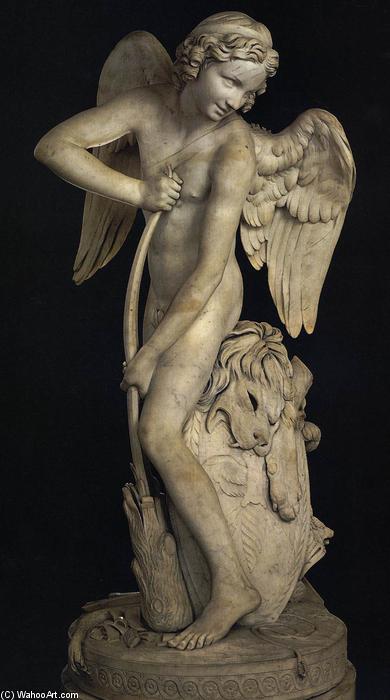
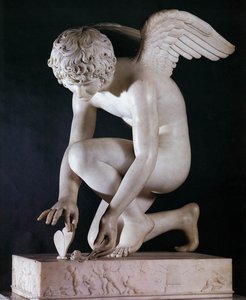
Cupid Making a Bow out of the Club of Hercules


 Читать далее
Приобретите цифровое изображение высокого разрешения в улучшенном качестве, которое значительно превосходит онлайн-превью.
Каждый файл тщательно подготавливается нашими специалистами с использованием передовых инструментов и экспертной ручной ретуши. Мы гарантируем исключительную четкость, точную цветопередачу и детальную проработку каждого изображения.
Финальный файл доставляется по электронной почте в течение 72 часов и оптимизирован для немедленного использования в профессиональной среде, при верстке и печати. Это тот же уровень качества, которому доверяют ведущие дизайнерские студии, издательства и галереи.
Цифровое изображение
Скачайте файл высокого разрешения для личного использования, печати и творческих проектов. ( Перейти к печати Купить картину ручной работы)
Включено в каждый заказ цифровых изображений
Гарантия экспертной цифровой доставки
Выбирая ArtsDot.com, вы получаете не просто изображение — вы приобретаете профессионально обработанное цифровое произведение искусства, созданное с безупречной точностью и под защитой гарантии качества. Вот всё, что автоматически входит в ваш заказ:

Мгновенная доставка по e-mail
Ваш цифровой файл в высоком разрешении будет отправлен вам по электронной почте в течение 72 часов после оформления заказа — и сразу станет доступен для использования.

Цифровой файл с ИИ-улучшением
Ваше произведение искусства проходит профессиональную оптимизацию с использованием передовых инструментов ИИ и ручной обработки, что гарантирует максимальную детализацию, четкость и точность цветопередачи.

Бессрочная бесплатная повторная доставка
Случайно удалили или потеряли файл? Не беспокойтесь — мы отправим его вам повторно в любое время и совершенно бесплатно.

Без импортных пошлин — навсегда
Наслаждайтесь вашим произведением искусства мгновенно без таможенных пошлин, сборов или затрат на доставку — цифровые загрузки всегда не облагаются налогом.

Гарантия точности цветопередачи
Мы гарантируем, что ваше цифровое изображение максимально точно передает оригинальные цвета благодаря использованию профессиональных инструментов и систем управления цветом.

Гарантия удовлетворенности 100 дней
Если вы не будете удовлетворены своим цифровым изображением, мы внесем правки или вернем 100% стоимости в течение 100 дней — без лишних вопросов.

100% Гарантия возврата средств
Не удовлетворены покупкой? Получите полный возврат средств в течение 100 дней после получения цифрового файла — без лишних вопросов.

Скидки на оптовые заказы
Купите 3 изображения, сэкономьте 10% — Купите 5, сэкономьте 15% — Купите 10+, сэкономьте 20%. Отличное решение для творческих проектов, галерей и агентств.
A Symphony of Marble: The Grace of Bouchardon’s Cupid
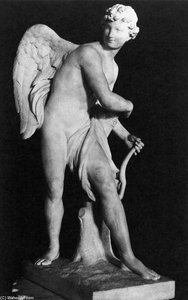
In the quiet, luminous presence of Edmé Bouchardon’s “Cupid Making a Bow out of the Club of Hercules,” one encounters a profound moment of artistic alchemy. Created in 1750, this marble masterpiece serves as a breathtaking bridge between two eras, capturing the swirling, emotive grandeur of the Baroque and the disciplined, serene clarity of the burgeoning Neoclassical movement. To behold this sculpture is to witness a master at the height of his powers, navigating the shifting cultural tides of the Enlightenment with unparalleled grace. The work does not merely represent a mythological scene; it embodies a philosophical dialogue, inviting the viewer into a world where strength is transformed into beauty, and raw power is refined by divine intention.
The subject matter itself is a poetic study in contrasts. Here, the youthful, ethereal Cupid—the personification of desire and passion—is engaged in a delicate task: fashioning a bow from the rugged, formidable club of Hercules. This juxtaposition is deeply symbolic, reflecting the Enlightenment preoccupation with reconciling opposing forces. The heavy, textured wood of the hero's weapon, representing masculine virtue and indomitable strength, is being repurposed by the soft, winged deity into an instrument of love. It is a visual metaphor for the tempering of emotion with reason, and the idea that even the most formidable aspects of existence can be shaped by the gentle touch of beauty.
Mastery of Form and Materiality
Bouchardon’s technical virtuosity is nothing short of extraordinary, particularly in his ability to breathe life into cold, white marble. Through meticulous carving, he achieves a sensory experience that transcends the medium. One can almost feel the contrast between the supple, velvet-like smoothness of Cupid’s youthful skin and the rough, weathered grain of the Herculean club. The artist utilizes subtle shading and precise anatomical detail to create an illusion of depth and movement, where light dances across the marble surfaces, casting soft shadows that accentuate the musculature of the young god and the intricate, feather-like textures of his wings.
For the discerning collector or interior designer, this sculpture offers a timeless elegance that elevates any space. The delicate drapery that cascades around Cupid’s form adds a sense of rhythmic motion, making the piece feel alive even in its stillness. Whether placed as a focal point in a sunlit gallery or as a sophisticated accent in a classical study, the work radiates an aura of intellectual depth and aesthetic refinement. It is more than a reproduction of a historical treasure; it is an invitation to surround oneself with the enduring values of harmony, balance, and the sublime beauty of the human spirit.
Похожие произведения
Биография художника
The Sculptor of Truth: The Life and Legacy of Edmé Bouchardon
Edmé Bouchardon stands as a monumental figure in the tapestry of French art, a master who navigated the turbulent transition between the opulent, swirling energy of the Baroque era and the disciplined, restrained clarity of Neoclassicism. Born in 1698 in the serene landscape of Chaumont-sur-Loire, his artistic journey was predestined by blood; he was the son of Jean-Baptiste Bouchardon, a sculptor and architect whose influence instilled in the young Edmé a profound reverence for classical form and structural integrity. This early immersion in the principles of architecture and sculpture provided the foundation upon which Bouchardon would build a career defined by an unwavering commitment to anatomical truth and aesthetic harmony. His formal education, shaped by the rigorous teachings of Guillaume Coustou, emphasized a meticulous approach to observation. This dedication to accuracy was further refined during his transformative years in Rome, following his prestigious acquisition of the Prix de Rome in 1722. In the heart of the Eternal City, Bouchardon did not merely study the ancients; he communed with them. While many of his contemporaries were swept away by the whimsical and often superficial excesses of the Rococo style, Bouchardon sought a deeper, more permanent resonance. He looked past the decorative surface to find the skeletal strength and emotional gravity of classical antiquity, earning him the respect of critics like the Comte Caylus, who noted his unique ability to rediscover nature through the lens of ancient mastery.A Mastery of Form and the Pursuit of Naturalism
The evolution of Bouchardon’s technique is most vividly captured in his ability to marry monumental scale with startlingly intimate realism. His Roman apprenticeship bore fruit in works of immense technical difficulty, such as his celebrated sculpture of Pope Benedict XIII, a commission that showcased his capacity for capturing both the dignity of office and the subtle nuances of human character. However, it was his later works that truly signaled a departure from the idealized, often saccharine representations of his era. One of his most provocative achievements, Cupid fashioning a bow out of the club of Hercules (1746), serves as a manifesto for his artistic philosophy. In this piece, Bouchardon challenged the prevailing conventions by introducing an unsettling, raw realism to mythological subjects. By presenting figures that felt grounded in physical reality rather than mere fantasy, he paved the way for a new era of naturalism. His work often featured:- Anatomical Precision: A relentless focus on the underlying structure of the human body to convey weight and movement.
- Classical Restraint: The rejection of unnecessary ornamentation in favor of clean lines and balanced proportions.
- Architectural Integration: A seamless blending of sculptural elements with larger structural designs, most notably seen in his contributions to the Fontaine des Quatre-Saisons.
Historical Significance and Artistic Endurance
Bouchardon’s influence extended far beyond the medium of stone and marble. He was a versatile designer whose eye for detail graced everything from intricate medals to grand urban monuments. His ability to translate the grandeur of the Baroque into the disciplined language of Neoclassicism made him a bridge between two worlds, providing a necessary link that allowed French art to evolve without losing its connection to classical heritage. As we reflect on his life, which concluded in 1762, we see an artist who refused to succumb to the fleeting trends of fashion. Instead, he pursued a timelessness found in the balance of nature and the rigor of antiquity. His legacy remains etched in the very fabric of French sculptural history, reminding us that true beauty is found not in decoration, but in the honest representation of form, strength, and the enduring human spirit.
Edmé Bouchardon
1698 - 1762 , France
Основные сведения
- Artistic Movement Or Style: Neoclassical & Baroque
- Artists Or Movements Influenced By This Artist: ['Classical Art']
- Artists Who Influenced This Artist: ['Guillaume Coustou']
- Date Of Birth: 1698
- Date Of Death: 1762
- Full Name: Edmé Bouchardon
- Nationality: French
- Notable Artworks:
- Cupid fashioning a bow out of the club of Hercules
- Fontaine des quatre-saisons
- Louis XV equestrian statue
- Place Of Birth: Chaumont-sur-Loire, France