

 Предпросмотр
 Поделиться
 Поделиться
 Детали произведения

 Скачать
 Похожие работы
 Рентгенография
 Слайд-шоу
 Статистика
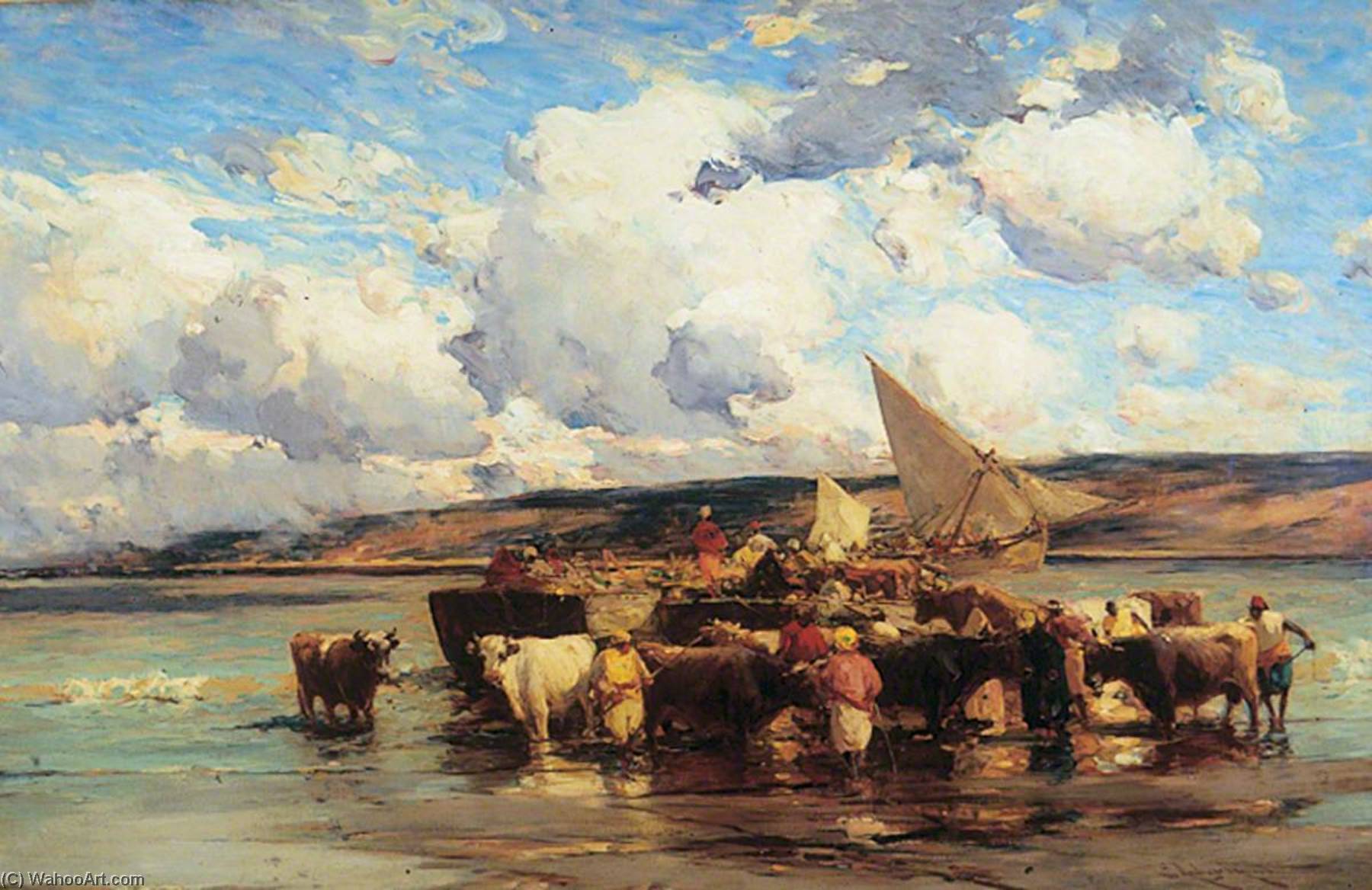
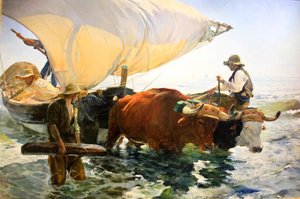
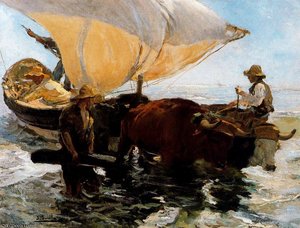
Embarking Cattle, Morocco
 Impressionism
 132.0 x 203.0 cm
 Leeds Art Gallery
 Читать далее
Жикле / Арт-принт
Печать (жикле) или холст музейного качества с быстрыми сроками изготовления и широким выбором вариантов отделки. ( Купить картину ручной работы Перейти к цифровым изображениям)




































Выберите один из наших стандартных размеров, соответствующих оригинальным пропорциям произведения искусства.

Вы можете указать свои собственные размеры, чтобы репродукция идеально подошла под конкретную раму или пространство. Если выбранный вами размер не будет соответствовать пропорциям оригинала, мы либо обрежем произведение, либо дополним изображение зеркальным отражением краев или однотонной заливкой. Перед началом производства вам будет отправлен цифровой макет для утверждения.
Пожалуйста, обратите внимание, что предварительный просмотр на экране не отображает фактическую обрезку или расширение изображения. Только макет точно покажет финальную композицию.
Несмотря на возможность заказа индивидуальных размеров, мы рекомендуем выбирать размер из предопределенного списка, чтобы сохранить оригинальные пропорции.
Доставка по всему миру () за 2 недели вместо стандартных 4/5 недель. (11 Сентябрь)

Бесплатная экспресс-доставка по всему миру

Высококачественный льняной холст

Полное страхование доставки

Гарантия возмещения таможенных пошлин

Гарантия точного соответствия цветов

100-дневная политика возврата (только при обнаружении дефектов)

Гарантия возврата 100% средств

Предложение оптовых скидок
 Вариант со стеклом доступен только для размеров менее 110 см

Embarking Cattle, Morocco
Жикле / Арт-принт
Размер репродукции
-


Итоговая стоимость
$ 62
Похожие произведения
Биография художника
Edmund Aubrey Hunt: Bridging Landscapes and Exotic Horizons
Born in the coastal town of Weymouth, Massachusetts, on February 17th, 1855, Edmund Aubrey Hunt embarked upon a remarkable artistic journey that spanned continents and embraced diverse stylistic approaches. While his American origins initially shaped his formative years, Hunt’s passion for art swiftly propelled him toward Europe, specifically the vibrant hubs of London and Hastings, East Sussex, where he would ultimately reside until his passing in November 1922. His oeuvre stands as a profound testament to an artist deeply attuned to both the serene beauty of rural England and the vibrant, sun-drenched allure of Oriental landscapes—a duality that defines his unique artistic vision.
Hunt’s early training provided him with a rigorous grounding in traditional academic painting techniques. After graduating from college, he briefly entered the prominent architectural firm of Emerson and Fehmer, but the call of the canvas proved irresistible. He sought higher mastery at the prestigious École des Beaux-Arts in Paris, studying for five years under the renowned instructor Jean-Léon Gérôme. This classical foundation allowed him to master the precision of form, yet he would soon find himself transcending these rigid conventions. Gravitating toward the Impressionistic influences championed by masters like Claude Monet and Pierre-Auguste Renoir, Hunt began to prioritize the ephemeral qualities of light and atmosphere over strict anatomical or architectural accuracy.
This stylistic evolution is masterfully captured in works such as “A Swim Headed Barge in a Breeze,” where Hunt skillfully depicts the dynamism of a sailing vessel battling turbulent winds. Through the use of impasto texture and sophisticated atmospheric perspective, he exemplifies the Impressionist preoccupation with capturing fleeting moments. His brushwork became increasingly confident and expressive, adding a sense of energy and movement to his maritime scenes. Beyond mere replication of nature, Hunt sought to infuse his canvases with symbolic resonance. Recurring motifs—particularly depictions of rivers and boats—suggested deeper themes of pilgrimage, transformation, and the eternal interplay between humanity and the natural world.
A Journey Through Light and Culture
The trajectory of Hunt’s life was marked by significant personal and geographical shifts that directly informed his creative output. His marriage to Agnes Fitzgibbon in 1878 brought him to London, where he began exhibiting at prestigious venues such as the Royal Academy and the Walker Art Gallery. During this period, his travels through France, the Low Countries, and Italy expanded his visual vocabulary, yet it was his encounter with North Africa that would spark a new chapter in his career. Following his marriage to Maude Chadwick in 1892, Hunt settled in Tangier for ten years, a period of profound inspiration that birthed his celebrated Orientalist works.
In the golden light of Morocco, Hunt perfected a style that blended his academic training with an evocative, impressionistic sensibility. His paintings from this era, such as “Embarking Cattle, Morocco,” capture the rhythmic pulse of rural life and the exotic textures of the landscape. These works are characterized by:
- Dynamic Brushwork: A technique that conveys the heat and movement of the North African environment.
- Luminous Color Palettes: An ability to balance warm, earthy tones with the brilliant light of the Maghreb.
- Cultural Observation: A respectful yet artistic gaze upon the traditions and daily rituals of the region.
Ultimately, Edmund Aubrey Hunt remains a significant figure in late 19th and early 20th-century art, representing a bridge between the structured traditions of the Academy and the emotive freedom of Impressionism. Whether capturing the bustling river scenes of England or the tranquil, sun-soaked vistas of Tangier, his work continues to resonate with a timeless sense of wonder and a deep, spiritual connection to the landscapes he inhabited.
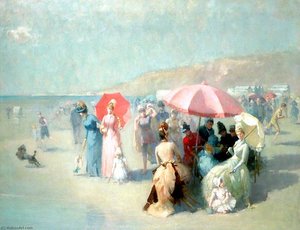
edmund aubrey hunt
1855 - 1922
Основные сведения
- Artistic Movement Or Style: Landscape Painting
- Artists Or Movements Influenced By This Artist: ['Impressionism']
- Artists Who Influenced This Artist: ['George Frederic Watts']
- Date Of Birth: 17 February 1855
- Full Name: Edmund Aubrey Hunt
- Nationality: American
- Notable Artworks:
- River Scene with Shipping
- A Swim Headed Barge
- Place Of Birth: Weymouth, Massachusetts
Похожие статьи

Cultivating Visions: A Historical Journey Through Rural Landscapes in Art
Explore the rich history of rural landscape painting with ArtsDot. Discover Impressionist masterpieces, key artists & movements. Find your perfect serene artwork and bring nature's beauty home.

Топ-10 шедевров импрессионизма: пейзажи, изменившие искусство | ArtsDot
Погрузитесь в мир импрессионизма! Откройте 10 шедевров Моне, Ренуара и других великих художников. Узнайте историю создания культовых пейзажей и вдохновитесь для декора вашего дома. Репродукции картин высокого качества на ArtsDot.com.

Джон Констебль: 25 шедевров английского пейзажа для вашего интерьера
Погрузитесь в мир английского пейзажа с Джоном Констеблом! 25 шедевров романтизма, история создания картин и вдохновение для вашего интерьера. Репродукции высокого качества на ArtsDot.com – искусство для ценителей.
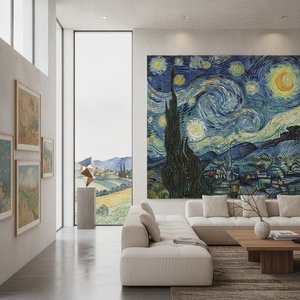
Beyond the Horizon: A Curated Guide to Integrating Post-Impressionist Landscapes into Modern Interiors
Transform your home with the emotive power of Post-Impressionist landscapes. Discover expert tips on selecting hand-painted oil reproductions to create a soulful, vibrant interior that reflects your unique style and connection to nature.

Топ-10 шедевров импрессионизма: пейзажи, изменившие искусство | ArtsDot
Погрузитесь в мир импрессионизма! Откройте топ-10 шедевров Моне, Ренуара и других великих художников. Узнайте историю создания культовых пейзажей и вдохновитесь для декора интерьера. Репродукции картин высокого качества на ArtsDot.com