

 Предпросмотр
 Поделиться
 Поделиться
 Детали произведения

 Скачать
 Похожие работы
 Рентгенография
 Слайд-шоу
 Статистика
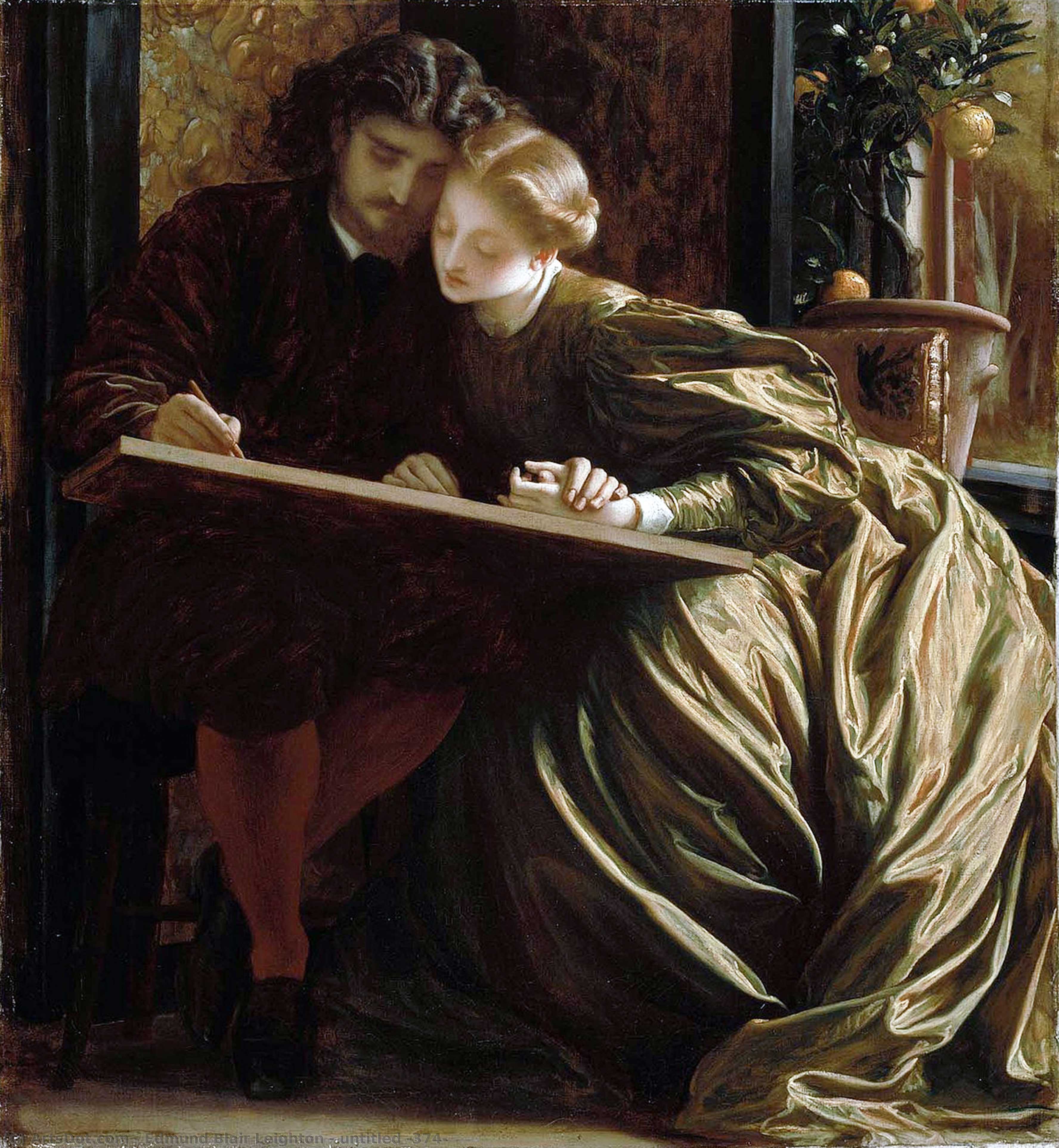
untitled (374)


 Читать далее
Масляная репродукция ручной работы
Картина маслом на холсте в выбранном вами размере и раме, написанная на заказ нашими художниками. ( Перейти к печати Перейти к цифровым изображениям)




































Выберите один из наших стандартных размеров, соответствующих оригинальным пропорциям произведения искусства.

Вы можете указать собственные размеры, чтобы картина идеально вписалась в выбранную раму или пространство. Если выбранный вами размер не соответствует пропорциям оригинала, мы либо обрежем полотно, либо расширим его за счет дополнительных элементов, написанных вручную. Цифровой макет будет отправлен вам на утверждение перед началом производства.
Обратите внимание, что предварительный просмотр на экране не отражает фактическую обрезку или расширение. Только макет точно покажет окончательную композицию.
Хотя доступны индивидуальные размеры, мы рекомендуем выбирать вариант из предопределенного списка, чтобы сохранить исходные пропорции.
После оформления заказа команда ArtsDot.com свяжется с клиентом по электронной почте для уточнения деталей и предоставит предварительный макет
Доставка по всему миру () за 3–4 недели вместо стандартных 5 недель. (11 Сентябрь). Без компромиссов в качестве.

Бесплатная экспресс-доставка по всему миру

Высококачественный льняной холст

Полное страхование доставки

Гарантия возмещения таможенных пошлин

Гарантия точного соответствия цветов

100-дневная политика возврата (только при обнаружении дефектов)

Гарантия возврата 100% средств

Предложение оптовых скидок
 Вариант со стеклом доступен только для размеров менее 110 см

untitled (374)
Техника репродукции
Размер репродукции
-


Итоговая стоимость
$ 263
A Quiet Moment Captured in Time
In the delicate brushstrokes of Edmund Blair Leighton, we find ourselves transported to an era of quiet intimacy and refined grace. His work, untitled (374), serves as a profound window into a world where even the most mundane domesticity is elevated to the level of poetry. The scene unfolds with a gentle, narrative pull, presenting a man and a woman seated at a dining table, caught in a shared moment of quiet concentration. As the man leans forward to transcribe thoughts onto paper, the woman sits beside him, her presence adding a layer of soft companionship to the composition. This is not merely a depiction of two people sharing a meal; it is an exploration of connection, focus, and the silent language of togetherness.
Leighton, a master storyteller of the late Victorian and Edwardian periods, possessed a unique ability to weave themes of romance and nostalgia into his canvases. While many of his contemporaries sought the grandiosity of historical battles or epic legends, Leighton found his muse in the subtle nuances of everyday life. In this particular piece, the arrangement of elements—the two potted plants framing the scene, the solitary vase, and the humble presence of apples upon the table—creates a sense of grounded reality that makes the emotional weight of the subjects feel even more poignant. The composition draws the eye inward, toward the center of the table where the act of writing occurs, making the viewer a silent witness to this private, unhurried ritual.
The Mastery of Light and Texture
Technically, untitled (374) showcases the artist's exceptional command over light and shadow, a hallmark of his Pre-Raphaelite-inspired style. The way light falls across the table, illuminating the texture of the paper and the soft contours of the figures, creates an atmosphere of warmth and safety. There is a palpable sense of depth achieved through meticulous detail; one can almost feel the weight of the ceramic vase and the organic texture of the greenery. Leighton’s use of color is deliberate and harmonious, employing a palette that evokes a sense of timelessness, far removed from the frantic pace of the modern world.
For the discerning collector or interior designer, this painting offers more than just visual beauty; it offers an emotional anchor for a room. The painting’s ability to transform a simple domestic setting into a work of high art makes it an ideal centerpiece for spaces designed for reflection and tranquility. Whether placed in a sunlit study or a sophisticated dining area, the reproduction of such a masterpiece brings with it a sense of historical continuity and cultured elegance. It invites conversation and provides a focal point that encourages the observer to slow down and appreciate the beauty found in life's quietest intervals.
An Invitation to Timeless Elegance
Owning a piece of this caliber is an opportunity to preserve the legacy of British romanticism. As part of the mission at ArtsDot.com, providing museum-quality oil painting reproductions allows art enthusiasts to surround themselves with the grandeur of the past without the prohibitive costs of original antiquities. Each handmade reproduction is crafted with a deep respect for Leighton's original technique, ensuring that the subtle interplay of light and the tender emotional resonance of the subjects are faithfully captured.
To bring untitled (374) into your home is to invite a sense of peace and historical depth into your personal sanctuary. It is an investment in atmosphere, a way to decorate with intention, and a tribute to the enduring power of classical storytelling through art. Through these meticulous recreations, the spirit of Edmund Blair Leighton continues to breathe life into contemporary spaces, reminding us all of the profound beauty that resides in the simplest of human connections.
Похожие произведения

Биография художника
A Painter of Romance and Chivalry
Edmund Blair Leighton, born in London on September 21st, 1852, was a master storyteller through paint, an artist who breathed life into the romanticized visions of medieval and Regency-era England. Though often associated with the Pre-Raphaelite movement due to his meticulous detail and narrative focus, Leighton carved out a unique space for himself, specializing in scenes that evoked chivalry, courtly love, and moments of poignant drama. His paintings weren’t simply historical recreations; they were carefully constructed emotional landscapes designed to stir the imagination and transport viewers to worlds of bygone elegance and heroic deeds. The son of artist Charles Blair Leighton and Caroline Boosey, Edmund experienced early hardship with his father's untimely death in 1855, leaving his mother to raise their family. This experience perhaps instilled a sensitivity that would later permeate his work, imbuing it with a sense of longing and nostalgia. After an initial foray into the world of commerce – a practical necessity following his father’s passing – Leighton pursued formal artistic training at the Royal Academy Schools, dedicating himself to honing his skills in draftsmanship and composition. He initially supplemented his income through illustrations for publications like Cassell's Magazine, further refining his skills in composition and storytelling before fully committing to oil painting.Developing a Distinctive Style
Leighton’s artistic development was shaped by a confluence of influences. The Pre-Raphaelites, with their unwavering commitment to accuracy of detail, vibrant color palettes inspired by medieval manuscripts, and literary subject matter drawn from Arthurian legends and Shakespearean dramas, undeniably served as foundational inspiration. However, Leighton distinguished himself from the more overtly symbolic and socially conscious members of that brotherhood through his singular preoccupation with narrative clarity and emotional resonance. He eschewed grand pronouncements about moral philosophy or political ideology; rather, he sought to capture fleeting instants of human experience—a knight’s solemn vow before embarking on a perilous quest, a princess accepting a heartfelt declaration of love—transforming them into visually arresting compositions that captivated audiences across social strata. His early canvases – pieces like A Flaw in the Title (1874) and Witness My Act and Seal – immediately garnered acclaim for their technical virtuosity and palpable romanticism, establishing him as a rising star within London’s burgeoning artistic community. These successes propelled him toward sustained engagement with the Royal Academy Schools, where he diligently cultivated his mastery of draughtsmanship and compositional technique—skills that would prove indispensable to his subsequent oeuvre.The Height of Popularity: Themes and Masterpieces
By the late 19th and early 20th centuries, Leighton had ascended to the pinnacle of artistic achievement. His paintings became synonymous with romantic historical genre, resonating deeply within the sensibilities of collectors and art enthusiasts alike. Recurring motifs in his artwork included scenes of courtly romance—a nobleman serenading his beloved beneath a moonlit sky—chivalrous knights upholding noble ideals—a warrior accepting a royal accolade—and dramatic confrontations imbued with psychological depth—a princess bravely defying societal constraints. Works such as Godspeed (1900), depicting a knight receiving blessings before embarking on a perilous journey, and The Accolade (1901)—arguably his most celebrated masterpiece—became iconic representations of the era’s fascination with medieval chivalry and heroic virtue. Leighton's unparalleled ability to imbue his figures with life and emotion—captured through subtle gestures and expressive facial expressions—transported viewers into the very heart of each narrative, fostering a profound connection between artist and audience. Beyond these monumental achievements, other notable canvases include Tristan and Isolde (1907)—a hauntingly beautiful portrayal of the tragic love story—and The Dedication (1908)—a solemn depiction of religious ceremony reflecting Leighton’s deep spiritual convictions.A Lasting Legacy
Despite his consistent participation in exhibitions at the Royal Academy for over forty years, Leighton never achieved formal recognition commensurate with his artistic stature—remaining neither an Academician nor an Associate. This perhaps stemmed from a deliberate rejection of institutional pressures and a steadfast devotion to pursuing artistic excellence independently. Nevertheless, Leighton’s reputation endured throughout his lifetime, securing him a prominent position within the British art world and cementing his legacy as one of the foremost practitioners of romantic historical painting. He was elected to the Royal Institute of Oil Painters in 1887—a testament to his exceptional skill and unwavering dedication to mastering the medium—acknowledging the widespread admiration for his artistic vision. Leighton’s influence extended beyond the confines of fine art, permeating popular culture through countless reproductions and adaptations of his iconic images—inspiring generations of artists and captivating audiences worldwide. He passed away peacefully on September 1st, 1922, leaving behind a remarkably prolific body of work that continues to inspire awe and wonder today. His son, Eric James Blair Leighton, followed in his footsteps, perpetuating the family tradition of artistic brilliance and upholding Leighton’s enduring contribution to British art history. Major works include:- A King and a Beggar Maid (1878): A poignant depiction of social contrast and unexpected affection.
- The Dying Copernicus (1880): A dramatic portrayal of the astronomer's final moments, filled with intellectual intensity.
- To Arms! (1888): An energetic scene of a medieval call to battle, brimming with patriotic fervor.
- Lady Godiva (1892): A classic depiction of the legendary tale, emphasizing both vulnerability and defiance.
- The Accolade (1901): Perhaps his most famous work, embodying the ideals of chivalry and honor.

Эдмунд Блэр Лейтън
1852 - 1922 , Великобритания
Основные сведения
- Artistic Movement Or Style: Романтизм и Прерафаэлиты
- Artists Or Movements Influenced By This Artist: ['Последующие исторические художники']
- Artists Who Influenced This Artist: ['Прерафаэлиты']
- Date Of Birth: Сентябрь 21, 1852 г.
- Date Of Death: Сентябрь 1, 1922 г.
- Full Name: Edmund Blair Leighton
- Nationality: Британский
- Notable Artworks:
- А Король и Бедная Дева
- Орден
- Божественная Милость
- Тристан и Изольда
- Place Of Birth: Лондон, Великобритания
Похожие статьи
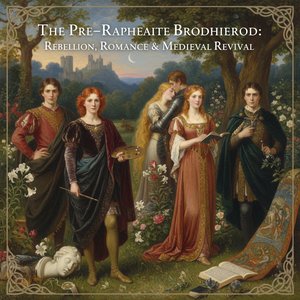
The Pre-Raphaelite Brotherhood: Rebellion, Romance & Medieval Revival
Explore the captivating world of the Pre-Raphaelite Brotherhood! Discover their rebellious spirit, iconic masterpieces & lasting influence on art history. Learn about Rossetti, Millais & more.

Romantic Realism's Finest: 10 Masterpieces for Your Home | ArtsDot
Explore 10 defining masterpieces of Romantic Realism! Discover Courbet, Millet & Daumier's powerful paintings—capturing emotion and social realities. Find museum-quality reproductions for your home at ArtsDot.com.
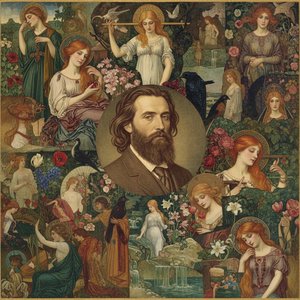
25 Шедевров Данте Габриэля Россетти: Искусство, Символизм и Декор для Вашего Дома
Погрузитесь в мир Данте Габриэля Россетти! 25 шедевров прерафаэлитов, полных символизма и страсти. Узнайте истории создания культовых картин и найдите идеальный декор для вашего дома на ArtsDot.com – музейное качество, вдохновение и искусство онлайн.
Sir John Everett Millais: Pre-Raphaelite Rebellion & Victorian Narrative Detail
Explore the revolutionary art of Sir John Everett Millais & the Pre-Raphaelite Brotherhood. Discover their radical realism, symbolic narratives, and lasting impact on Victorian aesthetics. A deep dive into 19th-century masterpieces.
Arthur Hughes: Pre-Raphaelite Visions of Beauty & Melancholy
Explore the captivating world of Arthur Hughes (1832-1915), a leading Pre-Raphaelite painter. Discover his dreamy landscapes, poetic narratives & iconic Victorian artworks. Learn about his life, style & collecting today.