

 Предпросмотр
 Поделиться
 Поделиться
 Детали произведения

 Скачать
 Похожие работы
 Рентгенография
 Слайд-шоу
 Статистика
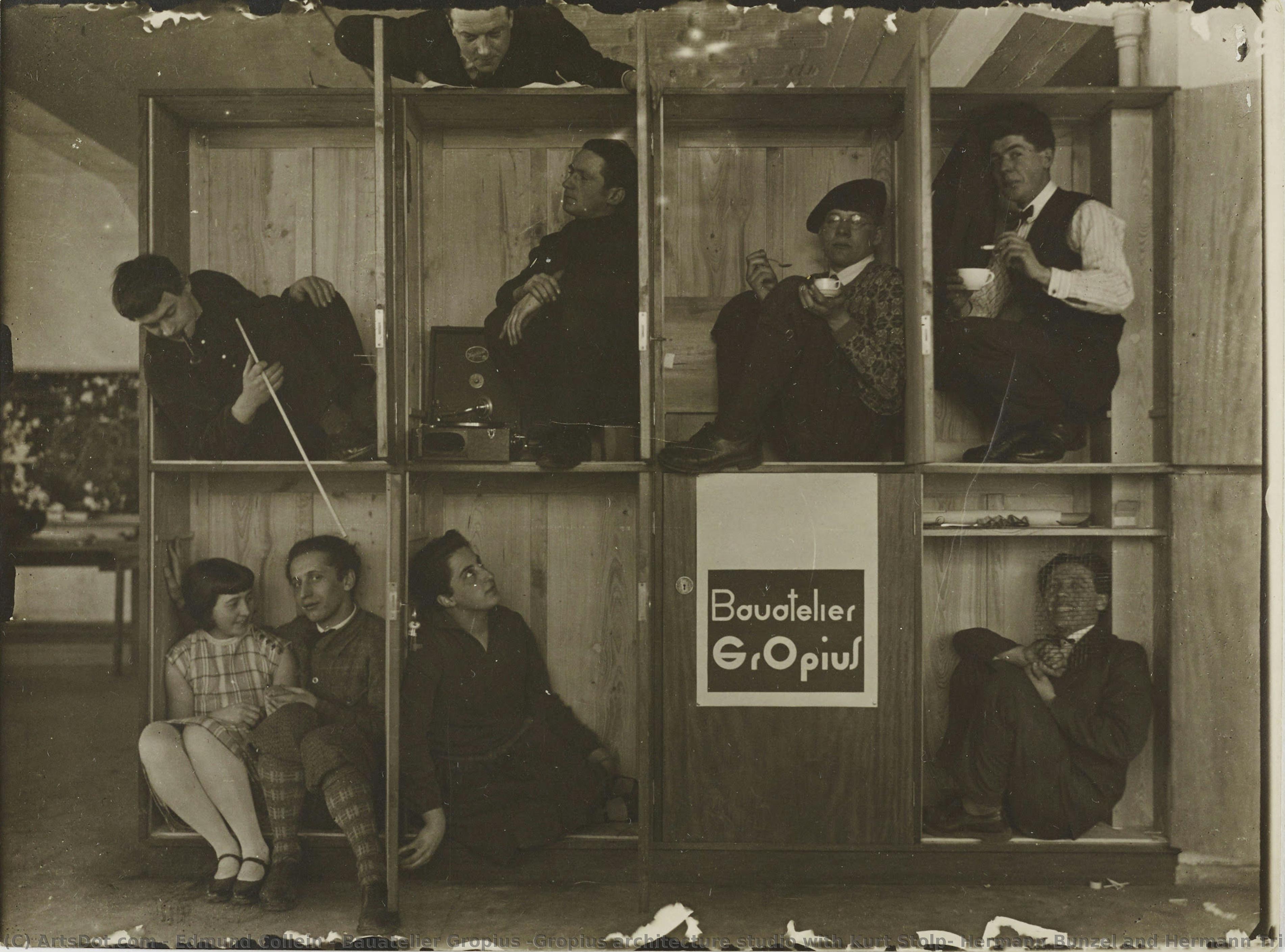
Bauatelier Gropius (Gropius architecture studio with Kurt Stolp, Hermann Bunzel and Hermann Trinkaus)


 Читать далее
Жикле / Арт-принт
Печать (жикле) или холст музейного качества с быстрыми сроками изготовления и широким выбором вариантов отделки. ( Купить картину ручной работы Перейти к цифровым изображениям)




P118B $10

P118H $10

P118W $10

P438Z $10

P508JH $12

P508YH $12

P805H $10

P805Z $10

P919BZ $10

P919G $10

P919XJ $10

P959ZH $10

P968JZ $12

W106C $8

W218G $10

W218JH $8

W218Y $10

W307PJ $10

W316G $10

W316PJ $8

W316Y $10

W398PJ $8

W4111J $10

W500HY $15

W500JH $15

W692G $12

W849H $8

W940BG $15

W953PJ $8




Выберите один из наших стандартных размеров, соответствующих оригинальным пропорциям произведения искусства.

Вы можете указать свои собственные размеры, чтобы репродукция идеально подошла под конкретную раму или пространство. Если выбранный вами размер не будет соответствовать пропорциям оригинала, мы либо обрежем произведение, либо дополним изображение зеркальным отражением краев или однотонной заливкой. Перед началом производства вам будет отправлен цифровой макет для утверждения.
Пожалуйста, обратите внимание, что предварительный просмотр на экране не отображает фактическую обрезку или расширение изображения. Только макет точно покажет финальную композицию.
Несмотря на возможность заказа индивидуальных размеров, мы рекомендуем выбирать размер из предопределенного списка, чтобы сохранить оригинальные пропорции.
Доставка по всему миру () за 2 недели вместо стандартных 4/5 недель. (11 Сентябрь)

Бесплатная экспресс-доставка по всему миру

Высококачественный льняной холст

Полное страхование доставки

Гарантия возмещения таможенных пошлин

Гарантия точного соответствия цветов

100-дневная политика возврата (только при обнаружении дефектов)

Гарантия возврата 100% средств

Предложение оптовых скидок
 Вариант со стеклом доступен только для размеров менее 110 см

Bauatelier Gropius (Gropius architecture studio with Kurt Stolp, Hermann Bunzel and Hermann Trinkaus)
Жикле / Арт-принт
Размер репродукции
-


Итоговая стоимость
$ 62
Bauatelier Gropius: A Window into Weimar’s Architectural Soul
Edmund Collein's “Bauatelier Gropius” – a black and white photograph capturing a pivotal moment in the history of German architecture – transcends mere documentation; it’s a poignant snapshot of collaborative creativity within the heart of the Bauhaus. Executed in 1928, this image offers a rare glimpse into the bustling workspace of the Bauatelier, a studio established by Walter Gropius and his team at the Bauhaus school in Dessau. More than just an architectural project, the Bauatelier represented a radical shift in design philosophy – one prioritizing experimentation, interdisciplinary collaboration, and the integration of art and craft.
The photograph itself is deceptively simple, yet profoundly rich in detail. Nine individuals are depicted within the room, engaged in various activities: some seated at drafting tables, meticulously sketching plans; others standing or kneeling, seemingly absorbed in discussion or material examination. The arrangement isn’t formal; it feels genuinely spontaneous – a testament to the collaborative spirit that defined the Bauhaus ethos. Scattered across the surfaces are books, architectural drawings, and tools, suggesting an environment of constant intellectual and creative exchange. A cup resting near one figure hints at moments of respite amidst the demanding work, underscoring the human element within this revolutionary design institution.
The Significance of Gropius’s Studio
Understanding “Bauatelier Gropius” requires recognizing its context within the broader landscape of early 20th-century architecture and art. Following World War I, Germany was grappling with profound social and economic upheaval. The Bauhaus, founded in 1919, emerged as a direct response to this crisis – an attempt to rebuild society through innovative design and education. Gropius’s vision for the Bauatelier wasn't simply about constructing buildings; it was about fostering a new generation of architects, designers, and artists who would embrace a holistic approach to creation. The studio became a crucible where ideas were tested, techniques refined, and radical concepts brought to life.
The photograph’s composition subtly reinforces this message. The room itself is deliberately uncluttered, emphasizing the focus on the work being done. The lighting, likely natural light streaming through a window (implied by the shadows), creates a sense of openness and transparency – mirroring the Bauhaus's commitment to open-plan design and democratic principles. The inclusion of individuals from diverse backgrounds—architects, artists, craftsmen—highlights the studio’s core value: collaboration across disciplines.
Collein’s Photographic Vision
Edmund Collein’s skill as a photographer is crucial to the photograph's impact. He wasn’t simply documenting an event; he was capturing a mood, a feeling of intellectual energy and creative ferment. His use of black and white photography lends a timeless quality to the image, stripping away superficial details and focusing on form, texture, and light. The subtle gradations of tone create depth and dimension, drawing the viewer into the scene. Collein’s eye for detail is evident in the way he captures the expressions on the faces of the individuals – conveying their concentration, engagement, and perhaps even a hint of excitement.
Furthermore, Collein's background as an architect himself undoubtedly informed his approach to photography. He understood how light interacts with space and how composition can be used to create a powerful narrative. The photograph feels less like a detached observation and more like a carefully considered artistic statement – a visual meditation on the spirit of innovation.
A Legacy of Modern Design
“Bauatelier Gropius” is not merely a historical artifact; it’s a potent symbol of the Bauhaus's legacy. It embodies the school’s core principles of functionalism, experimentation, and social responsibility. The image continues to resonate today as a reminder that great design emerges from collaboration, critical thinking, and a willingness to challenge conventional wisdom. Reproductions of this photograph offer a tangible connection to this pivotal moment in architectural history – a chance to experience the energy and spirit of the Bauatelier firsthand.
As an investment piece, a high-quality reproduction of “Bauatelier Gropius” would not only grace a wall but also serve as a conversation starter—a window into the origins of modern design and a testament to the enduring power of collaborative creativity.
Похожие произведения
Биография художника
**early life and education**
edmund collein, a prominent figure in east german architecture and urban planning, was born on january 10, 1906, in bad kreuznach, germany. his educational background laid the foundation for his future endeavors, studying at the technische hochschule in darmstadt from 1925 to 1927. he later attended the bauhaus art school in dessau from 1927 to 1930, where he was mentored by renowned artists such as lászló moholy-nagy, marcel breuer, and josef albers.**photography and urban planning**
collein's time at the bauhaus not only shaped his architectural skills but also sparked an interest in photography. his photographic works, often exploring light and materials, are a testament to his innovative approach. as a functionary of the sed, the ruling political party of east germany, collein played a pivotal role in shaping the country's socialist building policies during the 1950s and 1960s.**notable contributions**
* **professor of urban planning**: collein served as professor of urban planning at the bauakademie der ddr (building academy of the gdr) and was the academy's inaugural vice-president. * **president of the bund der architekten der ddr**: he led the federation of architects of the gdr from 1966 to 1975, representing east german architects on government bodies and at the international union of architects. * **author of the sixteen principles of urban design**: collein co-authored this primary model for urban planning in the gdr, which was in use from 1950 to 1955.**relevant artworks and collections**
* untitled (material study, josef albers’ preliminary course, bauhaus dessau) - a notable piece showcasing collein's early experimentation with materials. * explore more of collein's works at the museum ostdeutsche galerie, featured on /en/art/show/art-d3aquv-en/ - discovering the museum ostdeutsche galerie (germany). * learn about the art of gelatin silver printing, a technique used by collein, at [https://ArtsDot.com/@@/a@d3cnm7-the-art-of-gelatin-silver-printing](https://ArtsDot.com/@@/a@d3cnm7-the-art-of-gelatin-silver-printing) - the art of gelatin silver printing.**legacy and resources**
* for a comprehensive overview of collein's life and work, visit his wikipedia page:- **key dates:** * january 10, 1906 - born in bad kreuznach, germany * january 21, 1992 - passed away in berlin, germany
- **notable roles:** * professor of urban planning at the bauakademie der ddr * president of the bund der architekten der ddr * author of the sixteen principles of urban design
- **relevant art movements:** * bauhaus * socialist building policies in east germany
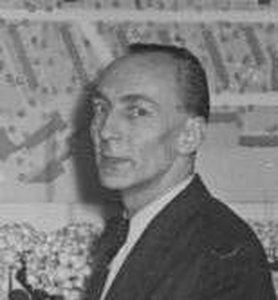
Edmund Collein
1906 - 1992 , Germany
Основные сведения
- Artistic Movement Or Style: Bauhaus
- Artists Or Movements Influenced By This Artist: ['East German Architecture']
- Artists Who Influenced This Artist:
- Josef Albers
- Marcel Breuer
- László Moholy- Nagy
- Date Of Birth: January 10, 1906
- Date Of Death: January 21, 1992
- Full Name: Edmund Collein
- Nationality: German
- Notable Artworks:
- Untitled (Material Study, Josef Albers’ Preliminary Course, Bauhaus Dessau)
- Explore more of Collein's works at the museum ostdeutsche galerie
- Place Of Birth: Darmstadt, Germany
Похожие статьи
Топ-10 шедевров документальной фотографии: искусство, изменившее взгляд на мир | ArtsDot.com
Топ-10 шедевров документальной фотографии, изменивших мир искусства. Узнайте истории культовых фотографов и их работ, вдохновившихся реализмом и социальными темами. Репродукции высокого качества на ArtsDot.com – для вашего интерьера!
Beyond the Lens: Photography's Enduring Influence on Modern & Contemporary Art
Explore photography's pivotal role in shaping modern & contemporary art. Discover key movements, influential artists like Stieglitz, and expert collecting advice from ArtsDot.
Witnessing History Through Lens & Light: Documentary Photography's Enduring Legacy
Explore the powerful history of documentary photography – from its origins to contemporary masters like Gordon Parks & W. Eugene Smith. Discover how this art form shapes our understanding of society and witness pivotal moments in time.
Pictorialism: A Search for Artistic Photography's Soul – Aesthetics, Techniques & Legacy
Explore the captivating world of Pictorialism – a pivotal movement that transformed photography into fine art. Discover key artists like Stieglitz & Käsebier, techniques, and collecting tips from experts.

Monochrome Visions: Exploring the Aesthetic & Historical Significance of Black & White Photography
Explore the rich history & artistic power of black and white photography. From early techniques to iconic masters like Ansel Adams, discover why monochrome continues to captivate art lovers today. Expert insights for collectors.