

 Поделиться
 Поделиться
 Детали произведения

 Скачать
 Похожие работы
 Слайд-шоу
 Статистика
Reclining Figure III


 Читать далее
Масляная репродукция ручной работы
Картина маслом на холсте в выбранном вами размере и раме, написанная на заказ нашими художниками. ( Перейти к печати Перейти к цифровым изображениям)




































Выберите один из наших стандартных размеров, соответствующих оригинальным пропорциям произведения искусства.

Вы можете указать собственные размеры, чтобы картина идеально вписалась в выбранную раму или пространство. Если выбранный вами размер не соответствует пропорциям оригинала, мы либо обрежем полотно, либо расширим его за счет дополнительных элементов, написанных вручную. Цифровой макет будет отправлен вам на утверждение перед началом производства.
Обратите внимание, что предварительный просмотр на экране не отражает фактическую обрезку или расширение. Только макет точно покажет окончательную композицию.
Хотя доступны индивидуальные размеры, мы рекомендуем выбирать вариант из предопределенного списка, чтобы сохранить исходные пропорции.
После оформления заказа команда ArtsDot.com свяжется с клиентом по электронной почте для уточнения деталей и предоставит предварительный макет
Доставка по всему миру () за 3–4 недели вместо стандартных 5 недель. (11 Сентябрь). Без компромиссов в качестве.

Бесплатная экспресс-доставка по всему миру

Высококачественный льняной холст

Полное страхование доставки

Гарантия возмещения таможенных пошлин

Гарантия точного соответствия цветов

100-дневная политика возврата (только при обнаружении дефектов)

Гарантия возврата 100% средств

Предложение оптовых скидок
 Вариант со стеклом доступен только для размеров менее 110 см

Reclining Figure III
Техника репродукции
Размер репродукции
-


Итоговая стоимость
$ 263
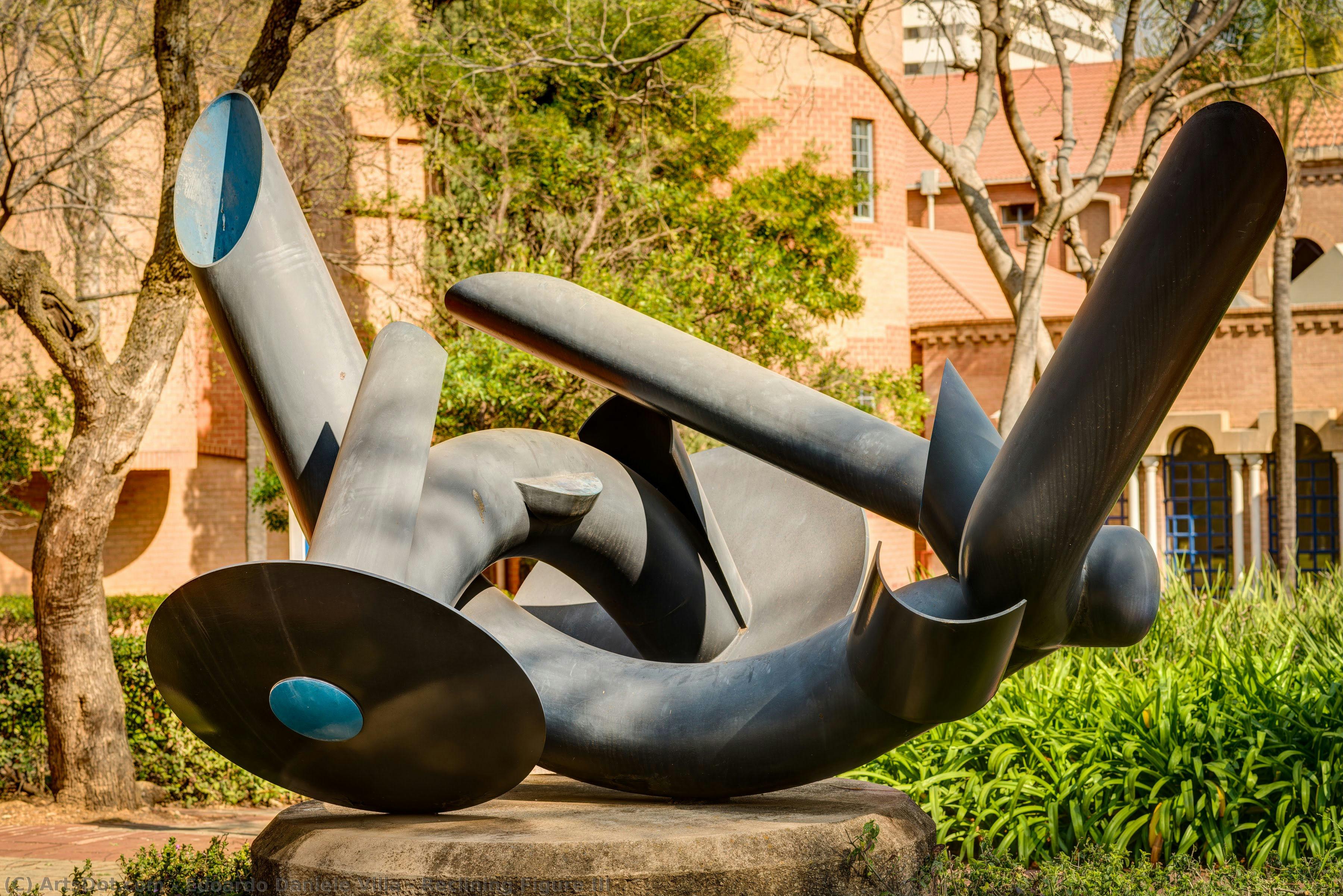
A Symphony of Steel and Memory
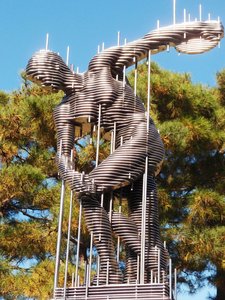
In the quiet intersection of industrial strength and profound vulnerability lies Edoardo Villa’s Reclining Figure III. This masterful sculpture, a painted steel work dating from 1990, serves as a hauntingly beautiful meditation on resilience. At first glance, the viewer is met with an intricate arrangement of geometric forms—circles and interconnected metallic segments that dance in a complex, rhythmic composition. Yet, beneath this abstract, Cubist-inspired exterior lies a deeply personal narrative. The work is not merely an exercise in shape and balance; it is a sculptural poem written in the language of iron and memory, capturing a moment of stillness amidst the echoes of conflict.
The sculpture’s form is intentionally ambiguous, existing in a liminal space between the mechanical and the organic. It possesses the structural silhouette of a stylized artillery cannon, yet it simultaneously evokes the slumped, weary posture of a human figure attempting to find its footing. This duality is the heartbeat of the piece. Through his expert manipulation of steel, Villa creates a tension between the cold, unyielding nature of the medium and the soft, emotive suggestion of a wounded soul. For collectors and designers alike, this work offers a sophisticated focal point that commands attention through its structural complexity and its ability to anchor a space with both weight and grace.
The Echoes of War and Resilience
To truly appreciate Reclining Figure III, one must look into the crucible from which it was forged. The biography of Edoardo Villa is inseparable from the soul of his art. Having served as a captain of an artillery contingent in North Africa during the Second World War, Villa experienced firsthand the devastation of combat. Wounded in Egypt and later held as a prisoner of war in South Africa, his life was marked by the very themes of fragmentation and survival that permeate his "war series." The reclining figures are symbolic manifestations of this history—representing both the damaged machinery of war and the battered soldier struggling to rise.
This historical weight imbues the sculpture with an emotional depth that transcends mere decoration. When placed within a curated collection or a modern interior, the piece acts as a conversation starter, inviting contemplation on the human condition. The way light interacts with the painted steel surfaces creates shifting shadows that mimic the movement of life itself, ensuring that the artwork feels dynamic rather than static. It is a testament to the artist's ability to transform the trauma of his past into a universal symbol of endurance, making it an invaluable acquisition for those who seek art that possesses both intellectual rigor and profound emotional resonance.
A Masterpiece for the Modern Collector
For the discerning interior designer or art enthusiast, Reclining Figure III represents the pinnacle of mid-to-late twentieth-century abstract sculpture. Its Cubist influences allow it to integrate seamlessly into contemporary minimalist settings, while its historical gravity provides a soulful counterpoint to modern glass and stone architectures. The interplay of circular motifs and structural lines offers a visual rhythm that can elevate a gallery, a corporate lobby, or a private study.
Owning a high-quality reproduction of such a significant work allows one to bring the legacy of South African abstraction into their personal environment. It is more than an object of beauty; it is an invitation to reflect on the strength required to remain upright in a changing world. Through Villa's vision, the heavy permanence of steel is transformed into a delicate expression of hope, making this piece a timeless addition to any collection dedicated to the exploration of form, history, and the indomitable human spirit.
Похожие произведения

Биография художника
The Sculptor of Form and Memory
Edoardo Daniele Villa (1915–2011) stands as a singular figure in twentieth-century sculpture, a testament to artistic perseverance and an embodiment of Italian heritage interwoven with the vibrant spirit of African landscapes. Born in the village of Redona, on the outskirts of Bergamo, Italy, his early life was marked by a profound connection to classical aesthetics. Even before reaching twenty, Villa’s talent was recognized through numerous commissions for bas-reliefs in his hometown. However, the trajectory of his life was irrevocably altered by the tides of global conflict. Following his conscription into the Italian Army during World War II, Villa found himself wounded in North Africa and subsequently captured by English forces. His journey led him to the Zonderwater prisoner of war camp in South Africa, a period of profound isolation that would ultimately become the crucible for his artistic rebirth.
It was within the confines of the Zonderwater camp that Villa’s creative spirit refused to be extinguished. Amidst the hardships of captivity, he engaged deeply with his craft, studying the works of masters like Auguste Rodin and working primarily in plaster-of-Paris. This era of emotional realism, shaped by the difficult conditions of war, laid the groundwork for a career that would eventually transcend the boundaries of his European training. Upon his release in 1947, Villa made the pivotal decision to remain in South Africa, finding in the "open space" of the African continent an opportunity to explore territories that felt exhausted by the weight of European tradition.
A Synthesis of Steel and Spirit
As Villa settled in Johannesburg, his artistic language underwent a radical transformation. Moving away from conventional heads and figures, he embraced a decisive turn toward abstract sculpture in the mid-1950s. This evolution was not merely a stylistic choice but a profound philosophical shift; he sought to reject mimetic sculpture in favor of stylized abstractions that could articulate the human condition through geometric purity. His work became a masterful cross-cultural synthesis, blending the structural rigor of Italian heritage with the rhythmic vitality of African art traditions. Influenced by the Cubism of Picasso—who himself had drawn inspiration from African masks—Villa utilized steel and bronze to create works that prioritized form, line, and space over literal representation.
His sculptures often reflect the dramatic essence of the South African Highveld, capturing the interplay of brilliant sun, deep shadows, and rugged rock formations. In pieces such as Mother and Child, one observes a striking verticality and an unbroken geometric flow that evokes the compositional structure of stereometric forms. By prioritizing spherical dimensions and sharp lines over distinguishable facial expressions, Villa achieved a universalist principle, allowing his work to resonate far beyond any specific cultural or geographic boundary. His ability to distill complex psychological states into the permanence of metal solidified his reputation as a pioneer of the abstract movement in South Africa.
Legacy and Artistic Significance
The significance of Edoardo Villa’s oeuvre lies in its ability to bridge disparate worlds. He was a member of the influential art collective Amadlozi, whose mission was to reflect their surroundings through distinctly African-inspired artworks, further cementing his role in the development of a unique South African modernism. His career was marked by prestigious recognitions, including the Medal of Honour from the South African Academy of Science & Art in 1979, and his works continue to be held in esteemed collections such as the SABC Art Collection and the University of Pretoria.
Throughout his long life, Villa remained a sculptor of profound depth, leaving behind a legacy characterized by:
- Material Mastery: An unparalleled command over the industrial strength of steel and the classical elegance of bronze.
- Cultural Synthesis: The seamless integration of European Cubist influences with the aesthetic traditions of Central African art.
- Philosophical Depth: A lifelong pursuit of expressing the universal human condition through the language of abstraction and geometric form.
Today, Villa’s sculptures remain as powerful as ever, standing as enduring monuments to a life that transformed the trauma of war into a soaring celebration of form, memory, and the infinite possibilities of the creative spirit.
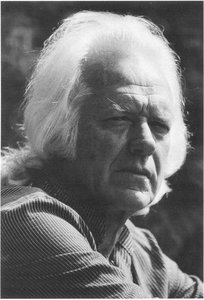
edoardo daniele villa
1915 - 2011 , South Africa
Основные сведения
- Artistic Movement Or Style: Cubism
- Artists Or Movements Influenced By This Artist: ['Edoardo Sanguineti']
- Artists Who Influenced This Artist: ['Tommaso Villa']
- Date Of Birth: May 31, 1915
- Date Of Death: May 1, 2011
- Full Name: Edoardo Daniele Villa
- Nationality: South African
- Notable Artworks:
- The Knot
- Confrontation
- Thrust
- Place Of Birth: Johannesburg, South Africa
Похожие статьи

Геометрическая абстракция: 10 шедевров, изменивших искусство | ArtsDot.com
Погрузитесь в мир геометрической абстракции! От Кандинского до Малевича – 10 шедевров, изменивших искусство. Узнайте историю создания и значение культовых картин. Репродукции музейного качества на ArtsDot.com. Вдохновение для вашего интерьера!

The Enduring Form: Exploring Themes & Techniques in Sculpture Across Historical Periods
Explore the rich history of sculpture from ancient masterpieces to contemporary innovations. Discover key techniques, influential artists & investment potential for discerning art collectors.

10 легендарных бронзовых скульптур, изменивших искусство навсегда | ArtsDot
Погрузитесь в мир великих бронзовых скульптур! От Давида Микеланджело до работ Родена – история искусства, техники и вдохновения. Купите репродукции шедевров для вашего интерьера на ArtsDot.com
Топ-25 шедевров Василия Кандинского: Абстрактное искусство для вашего интерьера
Погрузитесь в мир абстрактного искусства с Василием Кандинским! 25 шедевров экспрессионизма, баухауса и русского авангарда. Репродукции картин Кандинского для вдохновения и декора вашего интерьера. Откройте всю коллекцию на ArtsDot.com
The Enduring Form: Sculpture Across History, Technique & Emotional Resonance
Explore the rich history of sculpture with ArtsDot. Discover key techniques, influential artists & investment potential for discerning collectors. Expert insights into valuing and collecting timeless masterpieces.