

 Предпросмотр
 Поделиться
 Поделиться
 Детали произведения

 Скачать
 Похожие работы
 Рентгенография
 Слайд-шоу
 Статистика
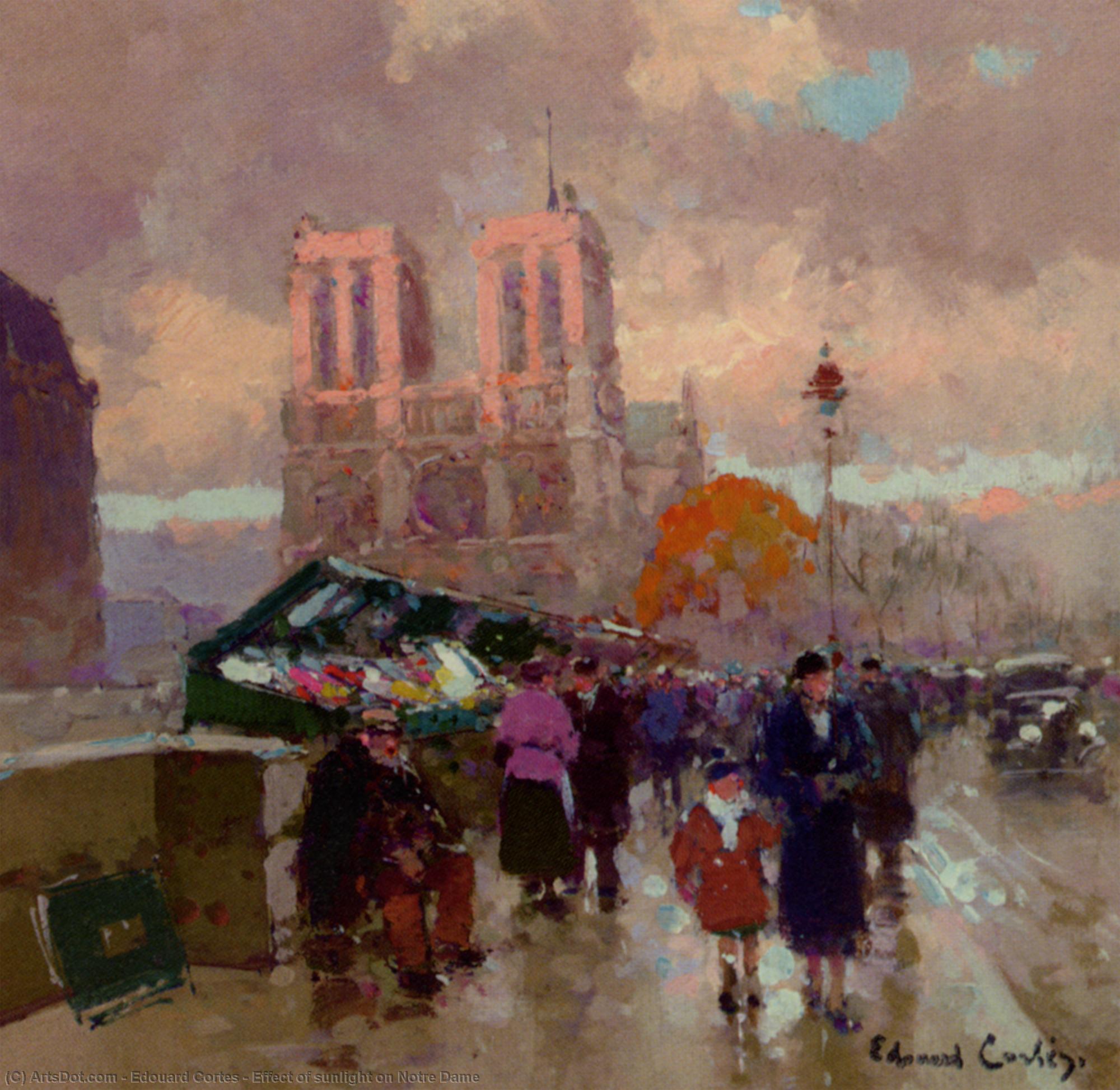
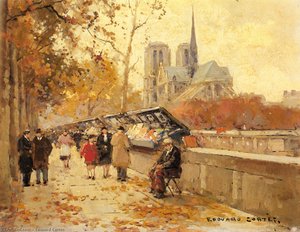
Effect of sunlight on Notre Dame
 Oil On Canvas
- WallArt
- Post-Impressionist Movement
 24.0 x 24.0 cm
 Читать далее
Масляная репродукция ручной работы
Картина маслом на холсте в выбранном вами размере и раме, написанная на заказ нашими художниками. ( Перейти к печати Перейти к цифровым изображениям)




P118B $10

P118H $10

P118W $10

P438Z $10

P508JH $12

P508YH $12

P805H $10

P805Z $10

P919BZ $10

P919G $10

P919XJ $10

P959ZH $10

P968JZ $12

W106C $8

W218G $10

W218JH $8

W218Y $10

W307PJ $10

W316G $10

W316PJ $8

W316Y $10

W398PJ $8

W4111J $10

W500HY $15

W500JH $15

W692G $12

W849H $8

W940BG $15

W953PJ $8




Выберите один из наших стандартных размеров, соответствующих оригинальным пропорциям произведения искусства.

Вы можете указать собственные размеры, чтобы картина идеально вписалась в выбранную раму или пространство. Если выбранный вами размер не соответствует пропорциям оригинала, мы либо обрежем полотно, либо расширим его за счет дополнительных элементов, написанных вручную. Цифровой макет будет отправлен вам на утверждение перед началом производства.
Обратите внимание, что предварительный просмотр на экране не отражает фактическую обрезку или расширение. Только макет точно покажет окончательную композицию.
Хотя доступны индивидуальные размеры, мы рекомендуем выбирать вариант из предопределенного списка, чтобы сохранить исходные пропорции.
После оформления заказа команда ArtsDot.com свяжется с клиентом по электронной почте для уточнения деталей и предоставит предварительный макет
Доставка по всему миру () за 3–4 недели вместо стандартных 5 недель. (11 Сентябрь). Без компромиссов в качестве.

Бесплатная экспресс-доставка по всему миру

Высококачественный льняной холст

Полное страхование доставки

Гарантия возмещения таможенных пошлин

Гарантия точного соответствия цветов

100-дневная политика возврата (только при обнаружении дефектов)

Гарантия возврата 100% средств

Предложение оптовых скидок
 Вариант со стеклом доступен только для размеров менее 110 см

Effect of sunlight on Notre Dame
Техника репродукции
Размер репродукции
-


Итоговая стоимость
$ 263
The Effect of Sunlight on Notre Dame: A Parisian Reverie
Edouard Cortès’s “Effect of sunlight on Notre Dame” is more than just a depiction of a Parisian landmark; it's an immersion into the very soul of the city at twilight. Painted in 19XX, this captivating work embodies the spirit of Post-Impressionism, a movement that sought to move beyond mere representation and capture the subjective experience of light and color. Cortès, known as “Le Poète Parisien de la Peinture,” masterfully translates the ephemeral beauty of the sunset over Notre Dame into a tangible image, inviting the viewer to share in its quiet grandeur.
- Subject Matter: The painting centers on the iconic Notre Dame Cathedral, rendered with remarkable detail and imbued with a sense of timelessness.
- Composition: Cortès skillfully employs a bustling urban scene – pedestrians navigating the streets, a parked car adding to the dynamism – to contextualize the cathedral within the vibrant life of Paris.
- Light & Color: The manipulation of light is central to Cortès’s vision. He expertly uses warm hues—ochres, golds, and reds—to evoke the golden hour, creating an atmosphere of serenity and reflection.
Post-Impressionist Techniques and Artistic Vision
Cortès' approach aligns perfectly with the tenets of Post-Impressionism, a reaction against the strict naturalism favored by Impressionists. While Impressionists sought to capture fleeting moments of light, Cortès delves deeper, imbuing his work with emotional resonance and a degree of distortion. This isn’t a photographic representation; it's an interpretation—a poet’s rendering of a scene. The slightly exaggerated forms and the emphasis on color over precise detail are hallmarks of this style.
The painting’s tempera on canvas technique contributes to its luminous quality, allowing for vibrant colors that retain their intensity even today. Cortès' meticulous attention to brushwork—visible yet controlled—adds texture and depth, further enhancing the realism while maintaining a distinctly artistic flair.
Historical Context and Parisian Symbolism
"The Effect of sunlight on Notre Dame" was created during a pivotal moment in French history – the late 19th century, a period of rapid industrialization and urbanization. The cathedral itself represents more than just a religious building; it’s a symbol of Paris's enduring spirit, its cultural heritage, and its position as a global center. Cortès captures this symbolic weight, presenting the cathedral not merely as an architectural marvel but as a focal point for Parisian life and memory.
The inclusion of everyday details – the pedestrians, the car, the clock – reinforces the painting’s connection to the lived experience of Paris at that time. It's a snapshot of a city in motion, bathed in the warm glow of sunset.
A Timeless Masterpiece: Reproduction and Acquisition
This exceptional artwork is now available as a meticulously crafted hand-painted reproduction by ArtsDot.com. Utilizing high-quality materials and employing traditional techniques, these reproductions faithfully capture the essence of Cortès’s original vision. Whether you are an art enthusiast seeking to add a touch of Parisian elegance to your home or a collector aiming to expand your Post-Impressionist collection, this reproduction offers a stunning opportunity to own a piece of art history.
Похожие произведения
Биография художника
Edouard Leon Cortes: The Parisian Poet of Painting
Édouard Léon Cortès, affectionately known as “Le Poète Parisien de la Peinture” – the Parisian Poet of Painting – wasn’t born into the glittering world he would so vividly capture on canvas. His origins lay in Lagny-sur-Marne, a quiet town east of Paris, where he arrived on August 6th, 1882. Though France was his birthplace, artistic lineage flowed through his veins from his Spanish father, Antonio Cortés, a painter who had once served the Spanish Royal Court. This heritage instilled within young Édouard an early appreciation for artistry and a dedication to honing his skills. He began formal studies at the École des Beaux-Arts in Paris at just seventeen, immersing himself in the techniques of the masters while simultaneously forging his own distinct path. Even then, Cortès possessed a fiercely independent spirit, playfully rebuffing suggestions that he was merely a student of any particular master, declaring himself “a student of myself only.” This self-reliance would become a hallmark of his career and artistic vision.Capturing the Soul of Paris
Cortès’s name became synonymous with Parisian cityscapes. He didn't simply paint buildings; he painted atmospheres – the soft glow of gas lamps on rain-slicked cobblestones, the bustling energy of boulevards teeming with life, the quiet intimacy of a café scene unfolding under a hazy sky. His work wasn’t about grand monuments or historical events, but rather the everyday poetry of Parisian existence. He possessed an uncanny ability to capture fleeting moments – a shaft of sunlight illuminating Notre Dame, the vibrant colors reflected in puddles after a shower, the hushed anticipation before a performance at the Opera. These weren't idealized visions; they were honest portrayals of a city brimming with life, beauty, and a touch of melancholy. His palette favored muted tones, skillfully blended to evoke mood and atmosphere, often employing shades of gray, blue, and ochre that perfectly mirrored the Parisian climate. He wasn’t interested in radical experimentation or abstract forms; his focus remained steadfastly on representing the world as he saw it – beautiful, transient, and deeply evocative. His paintings are not mere depictions of places but rather windows into a specific feeling, a particular moment in time.A Soldier's Brush: War and Resilience
The idyllic world Cortès painted was shattered by the outbreak of World War I. Despite being a committed pacifist, duty called, and at the age of thirty-two, he enlisted in the French Infantry Regiment. The horrors of war profoundly impacted him, yet even amidst the chaos and destruction, his artistic spirit endured. Wounded early in the conflict, he was reassigned to utilize his talent for sketching, tasked with mapping enemy positions. This experience, though harrowing, likely sharpened his observational skills and deepened his appreciation for the fragility of life – themes that would subtly permeate his later work. He refused the Légion d’Honneur offered by the French government, a testament to his unwavering pacifist beliefs. Personal tragedy also struck during this period; his first wife, Fernande Joyeuse, passed away in 1918, leaving him with their daughter, Jacqueline Simone. He later married Fernande’s sister, Lucienne Joyeuse, finding solace and companionship amidst the lingering shadows of war.Influences and Artistic Kinship
While Cortès developed a uniquely personal style, echoes of other masters can be discerned within his work. The atmospheric effects and subtle play of light recall the Impressionists, particularly Camille Pissarro and Alfred Sisley. However, he lacked their focus on pure optical sensation, instead prioritizing narrative and emotional resonance. Post-Impressionist artists like Eugène Boudin also influenced his approach to capturing fleeting moments and atmospheric conditions. *His dedication to depicting everyday life aligns him with Realist painters*, yet his romanticized vision of Paris elevates his work beyond mere documentation. He wasn’t attempting to replicate reality precisely; he was striving to capture its essence, its mood, its poetry. Artists like Frederick Soulacroix and Paul Gauguin, though distinct in their styles, shared Cortès's fascination with capturing the spirit of a place and its people, imbuing their canvases with a sense of atmosphere and emotion. His legacy lies not in revolutionizing painting but in perfecting a particular vision – a deeply personal and profoundly moving portrayal of Paris that continues to resonate with audiences today.Major Achievements and Recognition
Cortès’s career spanned several decades, during which he produced an impressive body of work. He gained recognition early on, making his Salon debut at the age of sixteen in 1899 with the painting *Le Labour,* showing a farmer plowing his field. The critics praised his talent and declared him “a little chap, only so high, who by rights should still be wearing out the seat of his trousers on his school bench, but who, nonetheless, with his light touch, has already entered canvasses for the Salon: a colleague of Jean-Paul Laurens, and rival to Henner.” In 1969, in his final year of life, he received the prestigious Prix Antoine-Quinson from the Salon de Vincennes – a fitting tribute to a lifetime dedicated to artistic expression. His paintings are now held in numerous private collections and museums worldwide, testament to their enduring appeal.A Lasting Legacy
Edouard Léon Cortès died on November 26th, 1969, in Lagny-sur-Marne, leaving behind a vast body of work that continues to captivate art lovers worldwide. A street in his hometown bears his name, a lasting testament to the “Parisian Poet” who immortalized the city’s soul on canvas. His paintings remain highly sought after, not merely as decorative pieces but as windows into a bygone era – glimpses of a Paris that exists now primarily through his evocative and enduring art. His unique ability to capture the atmosphere and emotion of Parisian life ensures that his work will continue to be appreciated for generations to come.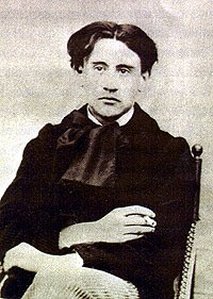
Эдуард Кортес
1882 - 1969 , Франция
Основные сведения
- Artistic Movement Or Style: Пост-импрессионизм
- Artists Or Movements Influenced By This Artist:
- Реализм
- Импрессионизм
- Artists Who Influenced This Artist:
- Моне
- Сислеи
- Date Of Birth: 6 августа 1882
- Date Of Death: 26 ноября 1969
- Full Name: Edouard Leon Cortes
- Nationality: Француз
- Notable Artworks:
- Пейзаж, Лабор
- Букет роз
- Place Of Birth: Лани-сюр-Марн, Франция
Похожие статьи
10 Шедевров Постимпрессионизма, Определивших Эпоху | ArtsDot.com
Погрузитесь в мир постимпрессионизма! Откройте 10 шедевров Ван Гога, Моне, Сезанна и других великих художников. История искусства, техники живописи и вдохновение для вашего интерьера на ArtsDot.com. Изысканные репродукции картин ждут вас!
Beyond Impressionism: Exploring the Emotional Depth of Post-Impressionist Painting
Explore the profound emotional depth & innovative techniques of Post-Impressionism with ArtsDot. Discover Cézanne, Van Gogh, Gauguin & more – and their lasting impact on modern art.
За пределами света и цвета: Импрессионизм против постимпрессионизма для взыскательного коллекционера
Углубленное исследование импрессионизма и постимпрессионизма для ценителей искусства. Анализ ключевых художников, инвестиционный потенциал и коллекционная ценность шедевров.
Édouard Cortès: Capturing Parisian Life – A Comprehensive Study of the 'Painter of Paris'
Explore the captivating world of Édouard Cortès, 'The Painter of Paris'. Discover his iconic street scenes, unique style & lasting legacy. Expert insights for collectors and art enthusiasts.
Beyond Impressionism: Exploring Emotional Depth & Formal Innovation in Post-Impressionist Art
Explore the profound emotional depth & formal innovations of Post-Impressionism with our expert guide. Discover Cézanne, Van Gogh, Gauguin & more. Learn about art history, collecting, and investing in this pivotal movement.