

 Предпросмотр
 Поделиться
 Поделиться
 Детали произведения

 Скачать
 Похожие работы
 Рентгенография
 Слайд-шоу
 Статистика
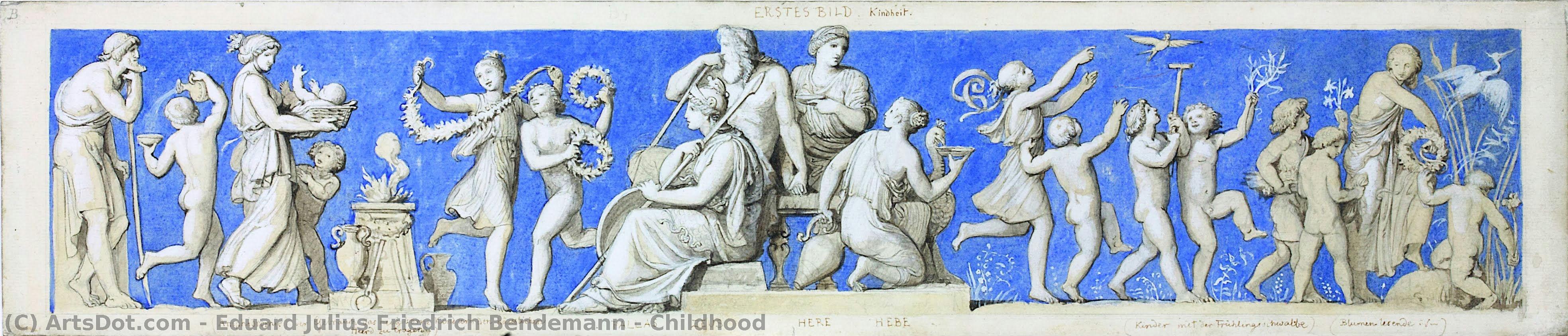
Childhood
 Painting
- Düsseldorf School
 1838
1838- 19th Century
 610.0 x 130.0 cm
 Kunstpalast
 Читать далее
Жикле / Арт-принт
Печать (жикле) или холст музейного качества с быстрыми сроками изготовления и широким выбором вариантов отделки. ( Купить картину ручной работы Перейти к цифровым изображениям)




































Выберите один из наших стандартных размеров, соответствующих оригинальным пропорциям произведения искусства.

Вы можете указать свои собственные размеры, чтобы репродукция идеально подошла под конкретную раму или пространство. Если выбранный вами размер не будет соответствовать пропорциям оригинала, мы либо обрежем произведение, либо дополним изображение зеркальным отражением краев или однотонной заливкой. Перед началом производства вам будет отправлен цифровой макет для утверждения.
Пожалуйста, обратите внимание, что предварительный просмотр на экране не отображает фактическую обрезку или расширение изображения. Только макет точно покажет финальную композицию.
Несмотря на возможность заказа индивидуальных размеров, мы рекомендуем выбирать размер из предопределенного списка, чтобы сохранить оригинальные пропорции.
Доставка по всему миру () за 2 недели вместо стандартных 4/5 недель. (13 Сентябрь)

Бесплатная экспресс-доставка по всему миру

Высококачественный льняной холст

Полное страхование доставки

Гарантия возмещения таможенных пошлин

Гарантия точного соответствия цветов

100-дневная политика возврата (только при обнаружении дефектов)

Гарантия возврата 100% средств

Предложение оптовых скидок
 Вариант со стеклом доступен только для размеров менее 110 см

Childhood
Жикле / Арт-принт
Размер репродукции
-


Итоговая стоимость
$ 62
A Vision of Classical Grace: The Ethereal World of Bendemann
In the sweeping expanse of Eduard Julius Friedrich Bendemann’s Childhood, we are invited into a realm where the boundaries between the mortal and the divine dissolve into a rhythmic, decorative dance. Created in 1838, this monumental frieze serves as a breathtaking testament to the Düsseldorf School's mastery of narrative and form. The work was originally conceived for the grand ballroom and concert hall of the Dresden Schloss, designed to transform a physical space into a celestial stage. Through a delicate interplay of white figures set against a deep, resonant blue ground, Bendemann achieves an illusion of sculptural relief, as if marble figures had been breathed into life upon a midnight sky. This technique does more than merely decorate; it elevates the viewer's gaze, pulling them into a contemplative state where the weight of stone is replaced by the lightness of spirit.
The composition functions as a poetic cycle, tracing the profound trajectory of human existence. From the innocence of birth through the vigor of youth and the triumphs of victory, to the solemnity of death, the frieze captures the Greek ideal of life as a continuous, harmonious motion. There is a deliberate tension held within the brushwork—a balance between calm and motion, between contemplation and dynamic action. As one moves their eyes across the vast 610 x 130 cm canvas, they encounter a world where gods and men mingle casually, creating an intimate sequence of actions that feels both ceremonial and deeply personal. The figures, heavily influenced by Roman models, possess a clear, luminous tone that makes them pop against the azure backdrop, lending the piece a timeless, neoclassical elegance.
A Masterpiece of Historical Romanticism
To behold this work is to witness a pivotal moment in art history, where the historicizing ideals of the past met the burgeoning emotional depth of the Romantic era. Bendemann, under the profound influence of Wilhelm von Schadow, utilized anatomical accuracy and theatrical presentation to tell stories that resonated with the soul. While the subject matter draws from antiquity, there is an unmistakable vitality in the movement of the figures—the tilt of a head, the stride of a horse, or the delicate presence of a bird—that prevents the work from feeling like a mere relic. It is a vibrant, breathing mural that captures the essence of life's transitions with a dignity that is both monumental and tender.
For the discerning collector or interior designer, a reproduction of Childhood offers more than just visual splendor; it provides a focal point of profound intellectual and emotional depth. The piece possesses a unique ability to anchor a room, offering a sense of historical continuity and sophisticated grandeur. Whether placed in a contemporary gallery setting or a classic study, the striking contrast of the white figures against the blue ground creates a dramatic atmosphere that inspires awe. It is an invitation to reflect on the cycle of life, making it a truly transformative addition to any curated collection of fine art.
Похожие произведения

Биография художника
Eduard Bendemann: A Düsseldorf School Pioneer
Eduard Julius Friedrich Bendemann (1811 – 1889) stands as a prominent figure within the Düsseldorf School of Painting, an influential movement that championed academic realism and dramatic storytelling during the Romantic era. Born in Berlin to a family steeped in artistic tradition—his father was a banker and his mother descended from another banking lineage—Bendemann’s upbringing instilled in him a deep appreciation for visual art and nurtured his innate talent for capturing human emotion through meticulous observation and skillful technique. His formative years were spent under the tutelage of Wilhelm von Schadow, arguably Düsseldorf's most celebrated painter, whose teachings profoundly shaped Bendemann’s artistic sensibilities. Schadow’s emphasis on anatomical accuracy, tonal gradation, and theatrical presentation served as a cornerstone for Bendemann’s subsequent oeuvre. This influence is palpable in his paintings, which consistently strive to convey profound psychological depth alongside breathtaking visual splendor. Bendemann's artistic journey commenced with a dedication to studying anatomy and drawing—skills deemed essential for achieving the desired level of realism—before enrolling at Schadow’s academy in Düsseldorf. It was here that he honed his craft and began collaborating closely with fellow artists, fostering an environment conducive to experimentation and innovation within established conventions. Notably, Bendemann's artistic partnership with Franz Xavier Groß depicted biblical scenes, demonstrating a shared commitment to portraying religious narratives with dramatic intensity. Bendemann’s stylistic hallmark is undeniably the Düsseldorf School’s characteristic approach: bold colors juxtaposed against subdued tonal backgrounds, creating an illusion of depth and atmosphere. He skillfully employed chiaroscuro—the interplay of light and shadow—to sculpt figures and imbue his canvases with palpable emotion. His compositions are dynamic and theatrical, mirroring the grandeur of historical events or the solemnity of religious iconography. Among Bendemann’s most celebrated works include “Childhood,” “Wedding,” and “Gymnastic Games”—scenes rendered in meticulous detail that exemplify the Düsseldorf School's commitment to capturing fleeting moments of human experience with remarkable sensitivity. These paintings, currently housed in museums like Kunstpalast Düsseldorf and Bayerisches Nationalmuseum, offer invaluable insights into Bendemann’s artistic vision and his contribution to the broader artistic landscape of 19th-century Germany. His legacy continues to inspire artists today, cementing his place as a pivotal figure in German art history.- Notable Collaborations: Franz Xavier Groß
- Influences: Wilhelm von Schadow
- Style Characteristics: Bold Colors, Dramatic Composition, Chiaroscuro Technique
Major Achievements & Recognition
Bendemann’s artistic reputation grew steadily throughout his career, earning him recognition as a respected teacher and mentor at Düsseldorf Academy of Art. He instilled in his students the principles of academic realism and dramatic storytelling—values that would define the Düsseldorf School's aesthetic for decades to come. Furthermore, Bendemann’s paintings achieved considerable acclaim during his lifetime, securing commissions from prominent patrons and establishing him as one of Germany’s foremost artists. His works were exhibited extensively throughout Europe, garnering critical praise and bolstering his artistic stature.Museum Collections
Bendemann's artwork finds its home in prestigious institutions across Germany, including Kunstpalast Düsseldorf and Bayerisches Nationalmuseum. These collections provide invaluable opportunities for scholars and enthusiasts alike to appreciate Bendemann’s artistic legacy firsthand. Visitors can examine masterpieces such as “Childhood,” “Wedding,” and “Gymnastic Games”—testaments to his unparalleled skill and dedication—and gain a deeper understanding of the Düsseldorf School's aesthetic ideals.Further Exploration
For more comprehensive information on Eduard Bendemann’s life, work, and artistic contributions, consult Wikipedia (Wikipedia) or delve into the Düsseldorf School of Painting on Wikipedia.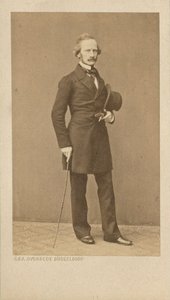
eduard julius friedrich bendemann
1811 - 1889 , Germany
Основные сведения
- Artistic Movement Or Style: Düsseldorf School
- Artists Who Influenced This Artist: ['Wilhelm Schadow']
- Date Of Birth: December 3, 1811
- Date Of Death: December 27, 1889
- Full Name: Eduard Julius Friedrich Bendemann
- Nationality: German
- Notable Artworks:
- Childhood
- Wedding
- Gymnastic Games
- Place Of Birth: Berlin, Germany
Похожие статьи

От джунглей до золотой геометрии: тренды муралов для стильных интерьеров отелей
Узнайте о последних трендах муралов для отелей! Экспертные советы по выбору стиля, заказу и интеграции настенной живописи в дизайн интерьера. Создайте уникальную атмосферу с .

Преображение интерьеров: как муралы переосмысливают кухни и ванные комнаты
Узнайте, как муралы преобразят вашу кухню и ванную комнату! Экспертные советы по выбору дизайна, материалам и уходу. Создайте уникальный интерьер с помощью росписи стен.

10 легендарных бронзовых скульптур, изменивших искусство навсегда | ArtsDot
Погрузитесь в мир великих бронзовых скульптур! От Давида Микеланджело до работ Родена – история искусства, техники и вдохновения. Купите репродукции шедевров для вашего интерьера на ArtsDot.com

Белые шедевры: 10 знаменитых картин, покоривших мир (репродукции, декор)
Откройте для себя 10 знаменитых картин, где белый цвет – главный герой! Моне, Дега и другие мастера. История искусства, техники живописи и вдохновение для вашего интерьера. Репродукции высокого качества на ArtsDot.com
Топ-10 знаменитых картин в оттенках серо-голубого: искусство и декор от ArtsDot
Погрузитесь в мир серо-голубых оттенков! От Моне до Ренуара – 10 знаменитых картин, вдохновляющих на создание уникального интерьера. Репродукции высокого качества от ArtsDot.com. Explore the full collection online!