

 Предпросмотр
 Поделиться
 Поделиться
 Детали произведения

 Скачать
 Похожие работы
 Рентгенография
 Слайд-шоу
 Статистика
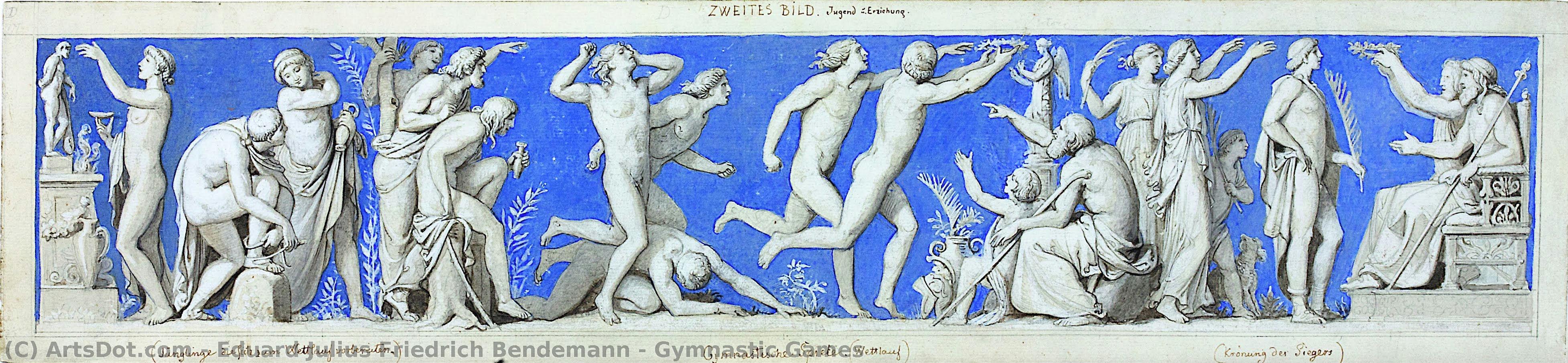
Gymnastic Games
 Painting
- Düsseldorf School
 1838
1838- 19th Century
 610.0 x 130.0 cm
 Kunstpalast
 Читать далее
Жикле / Арт-принт
Печать (жикле) или холст музейного качества с быстрыми сроками изготовления и широким выбором вариантов отделки. ( Купить картину ручной работы Перейти к цифровым изображениям)




P118B $10

P118H $10

P118W $10

P438Z $10

P508JH $12

P508YH $12

P805H $10

P805Z $10

P919BZ $10

P919G $10

P919XJ $10

P959ZH $10

P968JZ $12

W106C $8

W218G $10

W218JH $8

W218Y $10

W307PJ $10

W316G $10

W316PJ $8

W316Y $10

W398PJ $8

W4111J $10

W500HY $15

W500JH $15

W692G $12

W849H $8

W940BG $15

W953PJ $8




Выберите один из наших стандартных размеров, соответствующих оригинальным пропорциям произведения искусства.

Вы можете указать свои собственные размеры, чтобы репродукция идеально подошла под конкретную раму или пространство. Если выбранный вами размер не будет соответствовать пропорциям оригинала, мы либо обрежем произведение, либо дополним изображение зеркальным отражением краев или однотонной заливкой. Перед началом производства вам будет отправлен цифровой макет для утверждения.
Пожалуйста, обратите внимание, что предварительный просмотр на экране не отображает фактическую обрезку или расширение изображения. Только макет точно покажет финальную композицию.
Несмотря на возможность заказа индивидуальных размеров, мы рекомендуем выбирать размер из предопределенного списка, чтобы сохранить оригинальные пропорции.
Доставка по всему миру () за 2 недели вместо стандартных 4/5 недель. (13 Сентябрь)

Бесплатная экспресс-доставка по всему миру

Высококачественный льняной холст

Полное страхование доставки

Гарантия возмещения таможенных пошлин

Гарантия точного соответствия цветов

100-дневная политика возврата (только при обнаружении дефектов)

Гарантия возврата 100% средств

Предложение оптовых скидок
 Вариант со стеклом доступен только для размеров менее 110 см

Gymnastic Games
Жикле / Арт-принт
Размер репродукции
-


Итоговая стоимость
$ 62
A Symphony of Motion: The Eternal Spirit of Gymnastic Games
In the sweeping expanse of Eduard Julius Friedrich Bendemann’s Gymnastic Games, viewers are transported to a realm where the boundaries between the mortal and the divine blur into a seamless dance of vitality. Created in 1838, this monumental work serves as a breathtaking window into the Düsseldorf School's mastery of narrative and form. The composition unfolds like a grand theatrical performance, capturing a spirited assembly of figures engaged in the rhythmic rigors of athletic pursuit. From the focused intensity of runners to the playful grace of those maneuvering balls, every movement is imbued with an infectious energy that breathes life into the canvas. A solitary horse stands amidst the human flurry, acting as a silent, powerful anchor that grounds the exuberant chaos of the scene.
The technical brilliance of Bendemann lies in his ability to orchestrate such a vast array of simultaneous actions within a narrow, frieze-like format. The artist employs a technique reminiscent of classical sculptural reliefs, where the figures possess a luminous, marble-like clarity that makes them appear to leap forward from their surroundings. This creates a stunning visual tension; while the subjects are rendered with the anatomical precision taught by the great Wilhelm von Schadow, there is an undeniable decorative elegance at play. The interplay of light and shadow across the muscular forms provides a sense of three-dimensional weight, ensuring that each individual participant—among the thirteen visible souls—possesses a distinct personality and emotional resonance.
Historical Resonance and the Classical Ideal
To understand Gymnastic Games is to understand the heart of 19th-century Romanticism’s obsession with antiquity. Bendemann, working during a period when the shadows of the past were being used to illuminate the present, draws heavily upon Roman models to evoke a sense of timelessness. The work was originally conceived as part of a larger decorative program for the Dresden Schloss ballroom, intended to function as a ceremonial frieze that would celebrate the cycle of life through the lens of Greek ideals. In this context, the athletic games are not merely physical contests but metaphors for the human condition—a continuous loop of struggle, victory, and grace.
For the discerning collector or interior designer, this piece offers more than mere decoration; it provides a profound sense of historical continuity. The way Bendemann blends the worlds of gods and men suggests a universe that is both orderly and wildly spontaneous. As an art piece, it commands attention through its vibrant mood and monumental scale, making it an ideal centerpiece for grand halls or sophisticated galleries. A high-quality reproduction of this masterpiece allows one to invite this sense of disciplined passion and classical beauty into a contemporary space, serving as a constant reminder of the enduring strength found in movement and the eternal pursuit of excellence.
Похожие произведения

![Школа Афин (деталь) [05] — Рафаэль, Italian Renaissance](/media/artworks/images-thumb/ca/a9/caa9f9be8f76fbc617e906bfcb543fad.jpg)

Биография художника
Eduard Bendemann: A Düsseldorf School Pioneer
Eduard Julius Friedrich Bendemann (1811 – 1889) stands as a prominent figure within the Düsseldorf School of Painting, an influential movement that championed academic realism and dramatic storytelling during the Romantic era. Born in Berlin to a family steeped in artistic tradition—his father was a banker and his mother descended from another banking lineage—Bendemann’s upbringing instilled in him a deep appreciation for visual art and nurtured his innate talent for capturing human emotion through meticulous observation and skillful technique. His formative years were spent under the tutelage of Wilhelm von Schadow, arguably Düsseldorf's most celebrated painter, whose teachings profoundly shaped Bendemann’s artistic sensibilities. Schadow’s emphasis on anatomical accuracy, tonal gradation, and theatrical presentation served as a cornerstone for Bendemann’s subsequent oeuvre. This influence is palpable in his paintings, which consistently strive to convey profound psychological depth alongside breathtaking visual splendor. Bendemann's artistic journey commenced with a dedication to studying anatomy and drawing—skills deemed essential for achieving the desired level of realism—before enrolling at Schadow’s academy in Düsseldorf. It was here that he honed his craft and began collaborating closely with fellow artists, fostering an environment conducive to experimentation and innovation within established conventions. Notably, Bendemann's artistic partnership with Franz Xavier Groß depicted biblical scenes, demonstrating a shared commitment to portraying religious narratives with dramatic intensity. Bendemann’s stylistic hallmark is undeniably the Düsseldorf School’s characteristic approach: bold colors juxtaposed against subdued tonal backgrounds, creating an illusion of depth and atmosphere. He skillfully employed chiaroscuro—the interplay of light and shadow—to sculpt figures and imbue his canvases with palpable emotion. His compositions are dynamic and theatrical, mirroring the grandeur of historical events or the solemnity of religious iconography. Among Bendemann’s most celebrated works include “Childhood,” “Wedding,” and “Gymnastic Games”—scenes rendered in meticulous detail that exemplify the Düsseldorf School's commitment to capturing fleeting moments of human experience with remarkable sensitivity. These paintings, currently housed in museums like Kunstpalast Düsseldorf and Bayerisches Nationalmuseum, offer invaluable insights into Bendemann’s artistic vision and his contribution to the broader artistic landscape of 19th-century Germany. His legacy continues to inspire artists today, cementing his place as a pivotal figure in German art history.- Notable Collaborations: Franz Xavier Groß
- Influences: Wilhelm von Schadow
- Style Characteristics: Bold Colors, Dramatic Composition, Chiaroscuro Technique
Major Achievements & Recognition
Bendemann’s artistic reputation grew steadily throughout his career, earning him recognition as a respected teacher and mentor at Düsseldorf Academy of Art. He instilled in his students the principles of academic realism and dramatic storytelling—values that would define the Düsseldorf School's aesthetic for decades to come. Furthermore, Bendemann’s paintings achieved considerable acclaim during his lifetime, securing commissions from prominent patrons and establishing him as one of Germany’s foremost artists. His works were exhibited extensively throughout Europe, garnering critical praise and bolstering his artistic stature.Museum Collections
Bendemann's artwork finds its home in prestigious institutions across Germany, including Kunstpalast Düsseldorf and Bayerisches Nationalmuseum. These collections provide invaluable opportunities for scholars and enthusiasts alike to appreciate Bendemann’s artistic legacy firsthand. Visitors can examine masterpieces such as “Childhood,” “Wedding,” and “Gymnastic Games”—testaments to his unparalleled skill and dedication—and gain a deeper understanding of the Düsseldorf School's aesthetic ideals.Further Exploration
For more comprehensive information on Eduard Bendemann’s life, work, and artistic contributions, consult Wikipedia (Wikipedia) or delve into the Düsseldorf School of Painting on Wikipedia.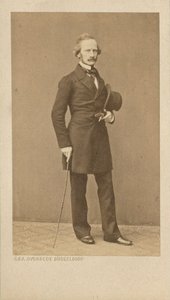
eduard julius friedrich bendemann
1811 - 1889 , Germany
Основные сведения
- Artistic Movement Or Style: Düsseldorf School
- Artists Who Influenced This Artist: ['Wilhelm Schadow']
- Date Of Birth: December 3, 1811
- Date Of Death: December 27, 1889
- Full Name: Eduard Julius Friedrich Bendemann
- Nationality: German
- Notable Artworks:
- Childhood
- Wedding
- Gymnastic Games
- Place Of Birth: Berlin, Germany
Похожие статьи
Мазки и битвы с боссами: Художники, создающие игровые вселенные вручную
Узнайте о секретах создания игровых вселенных вручную! Экспертный обзор техник, материалов и влияния уникальных художественных школ на современный геймдев. Вдохновение для художников и разработчиков игр.
За пределами пикселей и игрового процесса: эстетическая и идентичностная значимость игрового искусства для современного коллекционера
Исследуйте мир игрового искусства с экспертами! Узнайте об авторстве, эстетике и инвестициях в редкий арт из видеоигр. Коллекционируйте уникальные произведения и откройте новые горизонты современного цифрового творчества.
Пиксельная Престижность: Исследование Дефицита, Ценности и Культурного Влияния Лимитированных Изданий Игровых Карти́н
Исследуйте мир лимитированных изданий игровых артов! Узнайте о ценности, дефиците и культурном влиянии цифрового искусства. Инвестиции, аутентификация и перспективы рынка – экспертный анализ для коллекционеров.

От пикселей до подиумов: как эстетика игр формирует современную культуру
Узнайте, как эстетика видеоигр формирует современную культуру, моду и дизайн. Анализ трендов Y2K, пиксель-арта и влияния игр на искусство. Экспертный взгляд!
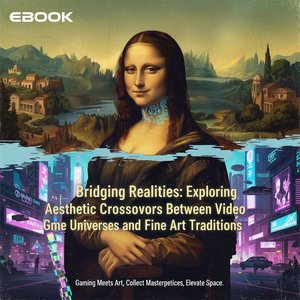
Пересечение реальностей: исследование эстетических взаимосвязей между вселенными видеоигр и традициями изобразительного искусства
Исследование эстетических связей между видеоиграми и традиционным искусством. Анализ визуальных языков, семиотики и образовательного потенциала игр. Экспертный взгляд для коллекционеров и ценителей.