

 Предпросмотр
 Поделиться
 Поделиться
 Детали произведения

 Скачать
 Похожие работы
 Рентгенография
 Слайд-шоу
 Статистика
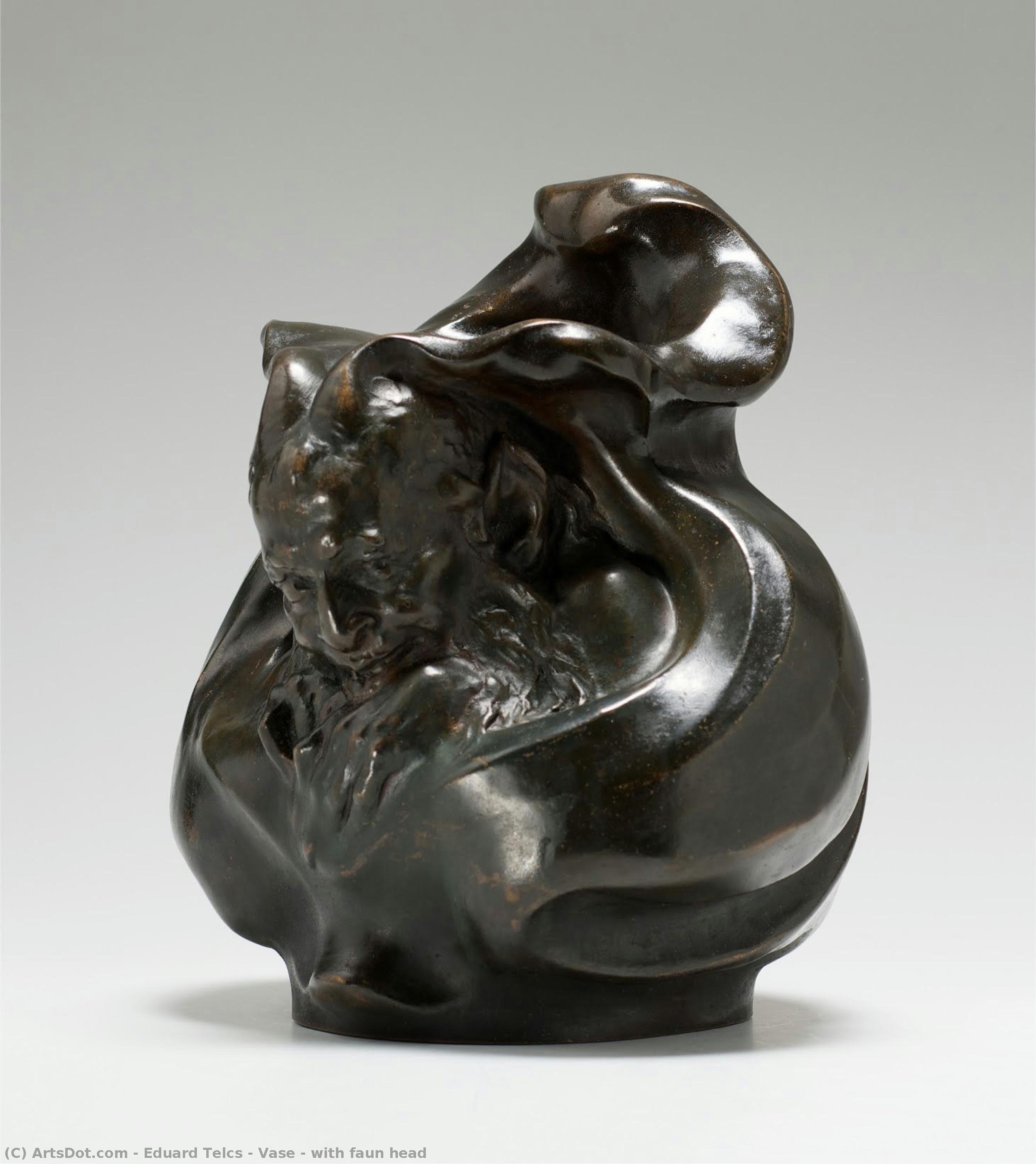
Vase - with faun head
 1910
1910 5.0 x 11.0 cm
 Музей прикладного искусства
 Читать далее
Приобретите цифровое изображение высокого разрешения в улучшенном качестве, которое значительно превосходит онлайн-превью.
Каждый файл тщательно подготавливается нашими специалистами с использованием передовых инструментов и экспертной ручной ретуши. Мы гарантируем исключительную четкость, точную цветопередачу и детальную проработку каждого изображения.
Финальный файл доставляется по электронной почте в течение 72 часов и оптимизирован для немедленного использования в профессиональной среде, при верстке и печати. Это тот же уровень качества, которому доверяют ведущие дизайнерские студии, издательства и галереи.
Цифровое изображение
Скачайте файл высокого разрешения для личного использования, печати и творческих проектов. ( Перейти к печати Купить картину ручной работы)
Включено в каждый заказ цифровых изображений
Гарантия экспертной цифровой доставки
Выбирая ArtsDot.com, вы получаете не просто изображение — вы приобретаете профессионально обработанное цифровое произведение искусства, созданное с безупречной точностью и под защитой гарантии качества. Вот всё, что автоматически входит в ваш заказ:

Мгновенная доставка по e-mail
Ваш цифровой файл в высоком разрешении будет отправлен вам по электронной почте в течение 72 часов после оформления заказа — и сразу станет доступен для использования.

Цифровой файл с ИИ-улучшением
Ваше произведение искусства проходит профессиональную оптимизацию с использованием передовых инструментов ИИ и ручной обработки, что гарантирует максимальную детализацию, четкость и точность цветопередачи.

Бессрочная бесплатная повторная доставка
Случайно удалили или потеряли файл? Не беспокойтесь — мы отправим его вам повторно в любое время и совершенно бесплатно.

Без импортных пошлин — навсегда
Наслаждайтесь вашим произведением искусства мгновенно без таможенных пошлин, сборов или затрат на доставку — цифровые загрузки всегда не облагаются налогом.

Гарантия точности цветопередачи
Мы гарантируем, что ваше цифровое изображение максимально точно передает оригинальные цвета благодаря использованию профессиональных инструментов и систем управления цветом.

Гарантия удовлетворенности 100 дней
Если вы не будете удовлетворены своим цифровым изображением, мы внесем правки или вернем 100% стоимости в течение 100 дней — без лишних вопросов.

100% Гарантия возврата средств
Не удовлетворены покупкой? Получите полный возврат средств в течение 100 дней после получения цифрового файла — без лишних вопросов.

Скидки на оптовые заказы
Купите 3 изображения, сэкономьте 10% — Купите 5, сэкономьте 15% — Купите 10+, сэкономьте 20%. Отличное решение для творческих проектов, галерей и агентств.
Похожие произведения





Биография художника
The Sculptor of Memory: The Life and Legacy of Eduard Telcs
In the heart of Central Europe, where history is etched into stone and bronze, the name Eduard “Ede” Telcs resonates as a master of form and a chronicler of national identity. Born on May 12, 1872, in the Hungarian town of Baja, Telcs was a man whose hands possessed the rare ability to breathe life into cold metal and heavy marble. His journey began not in the grand academies of Europe, but with a precocious talent that saw him moving to Budapest at just twelve years old to study decorative arts. This early immersion in the ornamental traditions of his homeland provided the foundational rhythm for a career that would eventually span the realms of monumental sculpture and delicate medallist work.
The trajectory of Telcs’s artistry took a transformative turn when he ventured to Vienna, the imperial epicenter of art and culture. Between 1888 and 1892, he immersed himself in the rigorous atmosphere of the Allgemeine Bildhauerschule, honing his technical prowess under the watchful eyes of masters like Carl von Zumbusch and György Zala. It was during this formative period that Telcs began to bridge the gap between classical tradition and a burgeoning modern realism. His talent was recognized early through prestigious accolades, such as the Füger Gold Medal for his evocative work “St. Boniface Striende Down the Banner of Wotan,” a piece that demonstrated his ability to handle dramatic, historical narratives with profound emotional weight.
A Mastery of Bronze and Spirit
As Telcs’s reputation grew, so did the scale of his ambitions. He became a sculptor of the people, a creator of monuments that served as anchors for Hungarian collective memory. His work was never merely about the physical representation of a subject; it was an attempt to capture the very essence of the figures he portrayed. This is perhaps most evident in his celebrated commissions for historical giants. In Budapest, his statue of the poet Mihály Vörösmarty stands as a testament to the Romantic spirit of Hungarian literature, while his portrait of Lajos Kossuth in Kecskemét serves as a powerful symbol of national struggle and leadership.
Beyond the grand scale of public monuments, Telcs possessed a remarkable versatility. He was equally adept at the intimate precision required for medallist work, where every millimeter of relief tells a story. His ability to navigate between the monumental and the miniature allowed him to touch various facets of Hungarian life, from the architectural adornments of the city to the solemn dignity of funerary sculpture in the Fiumei Road National Graveyard. His works often reflected a deep respect for the styles of the past, yet they were infused with an individual voice that prevented them from becoming mere echoes of antiquity.
Resilience Amidst the Shadows of History
The later years of Telcs’s life were marked by the profound turbulence of the twentieth century. As a Jewish artist living through the dark era of World War II, he faced the harrowing realities of the Holocaust in Budapest. The imposition of the Judenstern (Jewish badge) was a heavy burden on a man who had spent his life elevating the human spirit through art. Yet, even in these darkest hours, history records moments of profound humanity; it is noted that the legendary diplomat Raoul Wallenberg played a role in helping to prevent his deportation, allowing the artist to survive the storm.
When Telcs passed away in Budapest in 1948, he left behind a legacy that was much more than a collection of statues. He left a visual language for a nation. His achievements can be summarized through the enduring impact of his contributions:
- International Recognition: From winning medals at the 1894 World’s Fair in Antwerp to receiving first prize for his monument to Empress Elizabeth, Telcs brought Hungarian sculptural excellence to the global stage.
- Cultural Preservation: Through his portraits of historical figures like Kossuth and Vörösmarty, he helped solidify the icons of Hungarian identity in the physical landscape of the country.
- Artistic Versatility: His mastery over diverse mediums—ranging from large-scale public monuments to intricate medals and architectural reliefs—demonstrated a rare breadth of technical skill.
Today, the works of Eduard Telcs remain vital components of the European artistic heritage. To look upon his sculptures is to witness a dialogue between the weight of history and the lightness of creative genius, a testament to an artist who could turn the permanence of stone into the fluidity of human emotion.
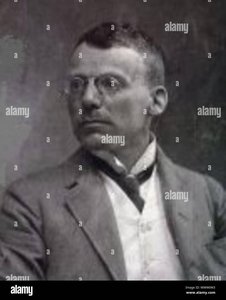
eduard telcs
1872 - 1948 , Hungary
Основные сведения
- Artistic Movement Or Style: Realism sculpture
- Artists Who Influenced This Artist: ['Carl von Zumbusch']
- Date Of Birth: May 12, 1872
- Date Of Death: 1948
- Full Name: Eduard Telcs
- Nationality: Hungarian
- Notable Artworks:
- St. Boniface Striking Down the Banner of Wotan
- Two Drinkers
- Monument to Empress Elizabeth
- Statue of Vörösmarty
- Statue of Kossuth
- Place Of Birth: Baja, Hungary