

 Предпросмотр
 Поделиться
 Поделиться
 Детали произведения

 Скачать
 Похожие работы
 Рентгенография
 Слайд-шоу
 Статистика
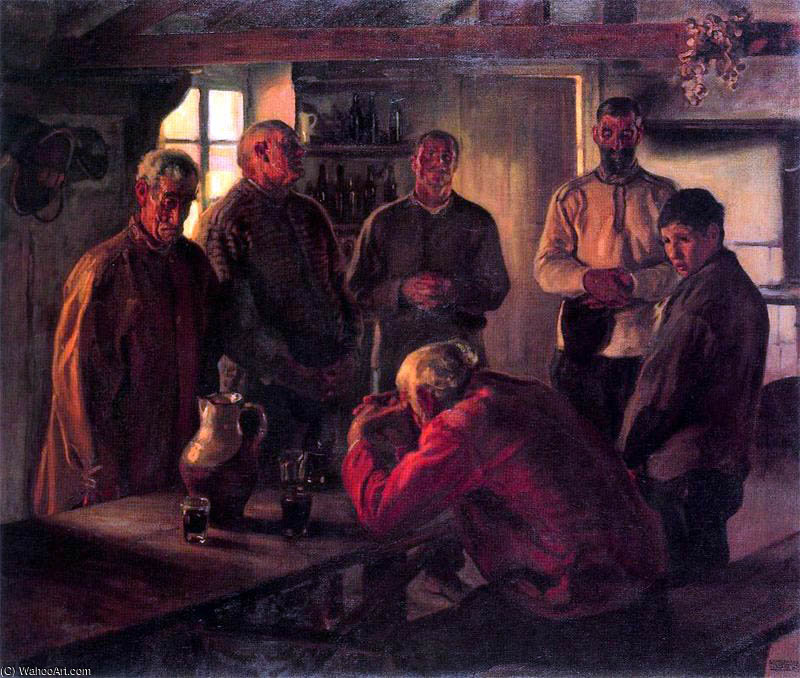
Escena
 Читать далее
Приобретите цифровое изображение высокого разрешения в улучшенном качестве, которое значительно превосходит онлайн-превью.
Каждый файл тщательно подготавливается нашими специалистами с использованием передовых инструментов и экспертной ручной ретуши. Мы гарантируем исключительную четкость, точную цветопередачу и детальную проработку каждого изображения.
Финальный файл доставляется по электронной почте в течение 72 часов и оптимизирован для немедленного использования в профессиональной среде, при верстке и печати. Это тот же уровень качества, которому доверяют ведущие дизайнерские студии, издательства и галереи.
Цифровое изображение
Скачайте файл высокого разрешения для личного использования, печати и творческих проектов. ( Перейти к печати Купить картину ручной работы)
Включено в каждый заказ цифровых изображений
Гарантия экспертной цифровой доставки
Выбирая ArtsDot.com, вы получаете не просто изображение — вы приобретаете профессионально обработанное цифровое произведение искусства, созданное с безупречной точностью и под защитой гарантии качества. Вот всё, что автоматически входит в ваш заказ:

Мгновенная доставка по e-mail
Ваш цифровой файл в высоком разрешении будет отправлен вам по электронной почте в течение 72 часов после оформления заказа — и сразу станет доступен для использования.

Цифровой файл с ИИ-улучшением
Ваше произведение искусства проходит профессиональную оптимизацию с использованием передовых инструментов ИИ и ручной обработки, что гарантирует максимальную детализацию, четкость и точность цветопередачи.

Бессрочная бесплатная повторная доставка
Случайно удалили или потеряли файл? Не беспокойтесь — мы отправим его вам повторно в любое время и совершенно бесплатно.

Без импортных пошлин — навсегда
Наслаждайтесь вашим произведением искусства мгновенно без таможенных пошлин, сборов или затрат на доставку — цифровые загрузки всегда не облагаются налогом.

Гарантия точности цветопередачи
Мы гарантируем, что ваше цифровое изображение максимально точно передает оригинальные цвета благодаря использованию профессиональных инструментов и систем управления цветом.

Гарантия удовлетворенности 100 дней
Если вы не будете удовлетворены своим цифровым изображением, мы внесем правки или вернем 100% стоимости в течение 100 дней — без лишних вопросов.

100% Гарантия возврата средств
Не удовлетворены покупкой? Получите полный возврат средств в течение 100 дней после получения цифрового файла — без лишних вопросов.

Скидки на оптовые заказы
Купите 3 изображения, сэкономьте 10% — Купите 5, сэкономьте 15% — Купите 10+, сэкономьте 20%. Отличное решение для творческих проектов, галерей и агентств.
Похожие произведения







Биография художника
Eduardo Chicharro y Agüera: A Master of Spanish Portraiture and Roman Echoes
Eduardo Chicharro y Agüera (18 June 1873, Madrid – 24 May 1949, Madrid) stands as a significant figure in late 19th and early 20th-century Spanish art. More than simply a painter, he was a meticulous observer of the human form and spirit, deeply influenced by both the classical traditions of Rome and the burgeoning Symbolist movement. His work, characterized by rich color palettes, dramatic chiaroscuro, and an underlying sense of melancholy, continues to resonate with viewers today, offering glimpses into a world where beauty and introspection intertwine.
Born into a family connected to the craft of glassmaking in Madrid, Chicharro’s early life was marked by exposure to artistic techniques. Though his father's untimely death at a young age instilled a sense of loss, it simultaneously ignited within him a profound passion for art – a passion nurtured and encouraged by his mother. His initial training began with basic classes at the School of Arts and Crafts, but it was his enrollment in the Real Academia de Bellas Artes de San Fernando at fifteen that truly set him on his artistic trajectory. There, under the tutelage of masters like Joaquín Sorolla, Manuel Domínguez Sánchez, and Carlos de Haes, he honed his skills and developed a distinctive style – one deeply rooted in academic training yet infused with a personal vision.
The Roman Influence and Early Development
Chicharro’s time in Rome as a pensioner between 1900 and 1904 proved transformative. This immersion in the heart of classical art profoundly shaped his aesthetic sensibilities. He studied the ruins, absorbed the atmosphere, and engaged with the artistic currents circulating within the city's academies. It was during this period that he produced some of his most celebrated works, including “The Temptation of Buddha,” a powerful depiction of spiritual struggle rendered in vibrant colors and evocative lighting. This painting, reflecting an interest in Eastern philosophies and spirituality – particularly influenced by the writings of Rabindranath Tagore – stands as a testament to Chicharro’s intellectual curiosity and artistic ambition.
Returning to Spain, he established himself in Ávila, marrying María Briones and continuing his artistic pursuits. He gained recognition for works like “The Three Wives,” further solidifying his reputation as a master of portraiture and landscape. His international exposure grew steadily, with exhibitions in Munich and Liège showcasing his talent to a wider European audience.
A Portraitist of Women and Symbolist Sensibilities
Chicharro’s most enduring legacy lies in his portraits, particularly those depicting women. These are not merely representations of physical appearance; they delve into the inner lives of his subjects, capturing their emotions, vulnerabilities, and quiet dignity. He employed a masterful use of light and shadow – a technique heavily influenced by the Spanish Baroque tradition – to create dramatic effects and heighten the emotional impact of each portrait. His brushwork is often loose and expressive, conveying a sense of movement and immediacy.
Beyond portraits, Chicharro explored landscapes imbued with symbolic meaning. His works frequently evoke a mood of melancholy and introspection, reflecting the broader currents of Symbolism in art. He skillfully blended classical elements – particularly Roman influences evident in his compositions and color palettes – with contemporary sensibilities, creating a unique artistic language that is both timeless and deeply rooted in Spanish culture.
Later Years and Legacy
Following his years in Rome, Chicharro returned to Madrid, where he served as a professor at the Escuela Superior de Bellas Artes. During the turbulent period of the Spanish Civil War, he found solace and inspiration in the company of his friend, the painter Luis Gallardo Pérez. He was awarded the Order of Alfonso X, the Wise, recognizing his contributions to Spanish art.
The rediscovery of “Pygmalion” in 2007 brought renewed attention to Chicharro’s oeuvre and cemented his place as a significant figure in Spanish art history. His work continues to be exhibited and studied, offering viewers a captivating glimpse into the world of a master portraitist and a sensitive observer of the human condition. His legacy resides not only in his stunning paintings but also in their ability to evoke profound emotions and invite contemplation on themes of beauty, spirituality, and the complexities of the human experience.
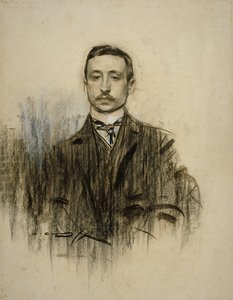
eduardo chicharro agüera
1873 - 1949 , Spain
Основные сведения
- Artistic Movement Or Style: Romanesque, Symbolism
- Artists Or Movements Influenced By This Artist: ['Rabindranath Tagore']
- Artists Who Influenced This Artist:
- Joaquin Sorolla
- Carlos de Haes
- Date Of Birth: June 18, 1873
- Date Of Death: May 24, 1949
- Full Name: Eduardo Chicharro y Agüera
- Nationality: Spanish
- Notable Artworks:
- Desnudos
- Hombre
- En El Bosque
- Place Of Birth: Madrid, Spain