

 Предпросмотр
 Поделиться
 Поделиться
 Детали произведения

 Скачать
 Похожие работы
 Рентгенография
 Слайд-шоу
 Статистика
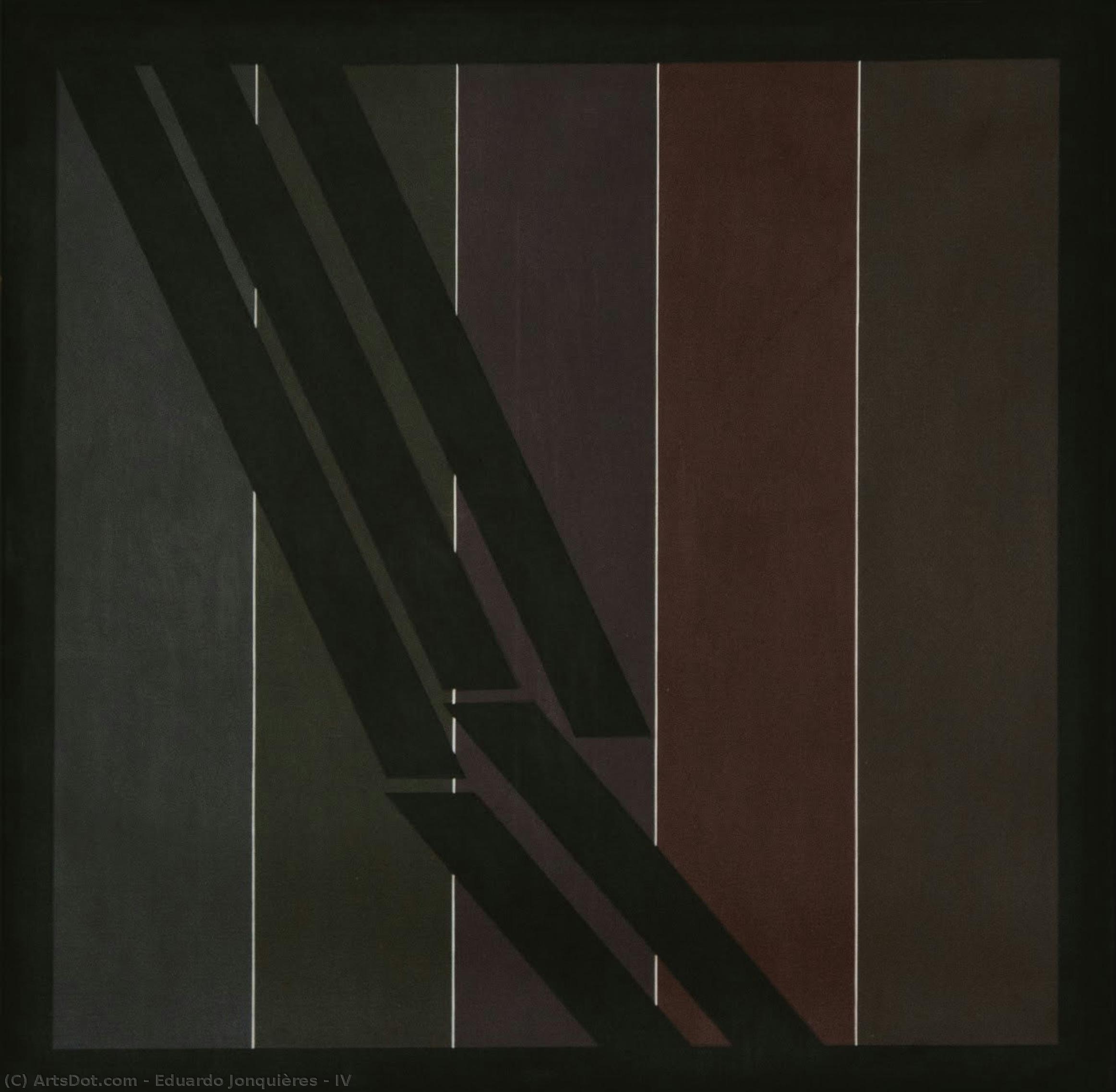
IV
 1984
1984 79.0 x 79.0 cm
 Museum of the Arts of the University of Guadalajara
 Читать далее
Приобретите цифровое изображение высокого разрешения в улучшенном качестве, которое значительно превосходит онлайн-превью.
Каждый файл тщательно подготавливается нашими специалистами с использованием передовых инструментов и экспертной ручной ретуши. Мы гарантируем исключительную четкость, точную цветопередачу и детальную проработку каждого изображения.
Финальный файл доставляется по электронной почте в течение 72 часов и оптимизирован для немедленного использования в профессиональной среде, при верстке и печати. Это тот же уровень качества, которому доверяют ведущие дизайнерские студии, издательства и галереи.
Цифровое изображение
Скачайте файл высокого разрешения для личного использования, печати и творческих проектов. ( Перейти к печати Купить картину ручной работы)
Включено в каждый заказ цифровых изображений
Гарантия экспертной цифровой доставки
Выбирая ArtsDot.com, вы получаете не просто изображение — вы приобретаете профессионально обработанное цифровое произведение искусства, созданное с безупречной точностью и под защитой гарантии качества. Вот всё, что автоматически входит в ваш заказ:

Мгновенная доставка по e-mail
Ваш цифровой файл в высоком разрешении будет отправлен вам по электронной почте в течение 72 часов после оформления заказа — и сразу станет доступен для использования.

Цифровой файл с ИИ-улучшением
Ваше произведение искусства проходит профессиональную оптимизацию с использованием передовых инструментов ИИ и ручной обработки, что гарантирует максимальную детализацию, четкость и точность цветопередачи.

Бессрочная бесплатная повторная доставка
Случайно удалили или потеряли файл? Не беспокойтесь — мы отправим его вам повторно в любое время и совершенно бесплатно.

Без импортных пошлин — навсегда
Наслаждайтесь вашим произведением искусства мгновенно без таможенных пошлин, сборов или затрат на доставку — цифровые загрузки всегда не облагаются налогом.

Гарантия точности цветопередачи
Мы гарантируем, что ваше цифровое изображение максимально точно передает оригинальные цвета благодаря использованию профессиональных инструментов и систем управления цветом.

Гарантия удовлетворенности 100 дней
Если вы не будете удовлетворены своим цифровым изображением, мы внесем правки или вернем 100% стоимости в течение 100 дней — без лишних вопросов.

100% Гарантия возврата средств
Не удовлетворены покупкой? Получите полный возврат средств в течение 100 дней после получения цифрового файла — без лишних вопросов.

Скидки на оптовые заказы
Купите 3 изображения, сэкономьте 10% — Купите 5, сэкономьте 15% — Купите 10+, сэкономьте 20%. Отличное решение для творческих проектов, галерей и агентств.
Похожие произведения
Биография художника
Eduardo Jonquières: Architect of Concrete Color
Born in Buenos Aires, Argentina, in 1918, Eduardo Jonquières emerged as a pivotal figure in the landscape of Argentine modern art. His journey, marked by a profound engagement with European avant-garde movements and an innovative embrace of acrylic paint, ultimately established him as a key contributor to *Arte Concreto Invención* – a movement that fundamentally reshaped artistic expression within South America. Jonquières’s career spanned nearly eight decades, culminating in his death in 2000, leaving behind a legacy characterized by geometric precision, vibrant color palettes, and a fearless exploration of abstract form.
Jonquières' early artistic development was deeply influenced by the European avant-garde, particularly the principles espoused by the Bauhaus school. This exposure instilled within him a desire to move beyond traditional representational art, seeking instead new modes of visual communication. His initial works reflected this shift, characterized by geometric shapes and bold, often contrasting, colors – a direct response to the dynamism and experimentation prevalent in European artistic circles at the time. The influence of *pinturas elementales*, a movement emphasizing pure abstraction and industrial materials, is readily apparent in these formative pieces, laying the groundwork for his later explorations.
The Rise of Concrete Art and Acrylic Innovation
Jonquières’s most significant contribution lies within his involvement with *Arte Concreto Invención* – a movement that gained momentum in Argentina during the 1940s. This group, comprised of artists like Julio Payró and Carlos Evora, sought to break free from the constraints of traditional painting by embracing abstraction and utilizing unconventional materials. Jonquières’s adoption of acrylic paint proved particularly transformative. Unlike oil paints, which required extensive drying times, acrylic allowed for rapid layering and a heightened sense of immediacy in his compositions. This facilitated the creation of dynamic, layered surfaces that pulsed with energy and visual complexity.
The use of geometric forms remained central to Jonquières’s aesthetic, but it evolved beyond simple shapes into intricate networks and interlocking patterns. He wasn't merely constructing geometric figures; he was building spatial relationships, creating a sense of depth and movement within his canvases. His work became less about depicting objects and more about exploring the inherent qualities of form and color themselves – a core tenet of *Arte Concreto Invención*.
Notable Works and Recognition
Jonquières’s artistic achievements have been recognized through inclusion in prestigious collections, notably the Imperial College Healthcare Charity Art Collection at the Imperial College London. This collection provides a testament to the enduring value of his work and its significance within the broader context of 20th-century art. Furthermore, his paintings have graced the walls of museums across Argentina, including the Museo Nacional de Bellas Artes in Buenos Aires, ensuring that his vision continues to be accessible to a wide audience.
A particularly illuminating example of Jonquières’s early style can be found in “Painting by ‘Prilidiano Pueyrredón,’” a work that demonstrates the influence of European avant-garde principles on his nascent artistic practice. Comparisons with other Argentine artists, such as Oscar Agustín Alejandro Schulz Solari and even Pablo Sináí, reveal shared explorations of new modes of expression, albeit each artist forging their own unique path within the broader movement.
A Lasting Legacy
Eduardo Jonquières’s death in 2000 marked the end of an era for Argentine art. However, his innovative use of acrylic paint and his pioneering role in *Arte Concreto Invención* cemented his place as a vital figure in the country's artistic history. His work continues to be studied and appreciated for its bold experimentation, its vibrant color palettes, and its profound engagement with the principles of abstraction. Jonquières’s legacy extends beyond individual artworks; it represents a pivotal moment in Argentine art – a conscious rejection of tradition and an embrace of a new, dynamic visual language.

eduardo jonquières
1918 - 2000 , Argentina
Основные сведения
- Artistic Movement Or Style: Concrete art & Acrylic
- Artists Or Movements Influenced By This Artist: ['Pablo Siná']
- Artists Who Influenced This Artist: ['Bauhaus School']
- Date Of Birth: 1918
- Date Of Death: 2000
- Full Name: Eduardo Jonquières
- Nationality: Argentinian
- Notable Artworks: ['Prilidiano Pueyrredón']
- Place Of Birth: Buenos Aires, Argentina