

 Предпросмотр
 Поделиться
 Поделиться
 Детали произведения

 Скачать
 Похожие работы
 Рентгенография
 Слайд-шоу
 Статистика
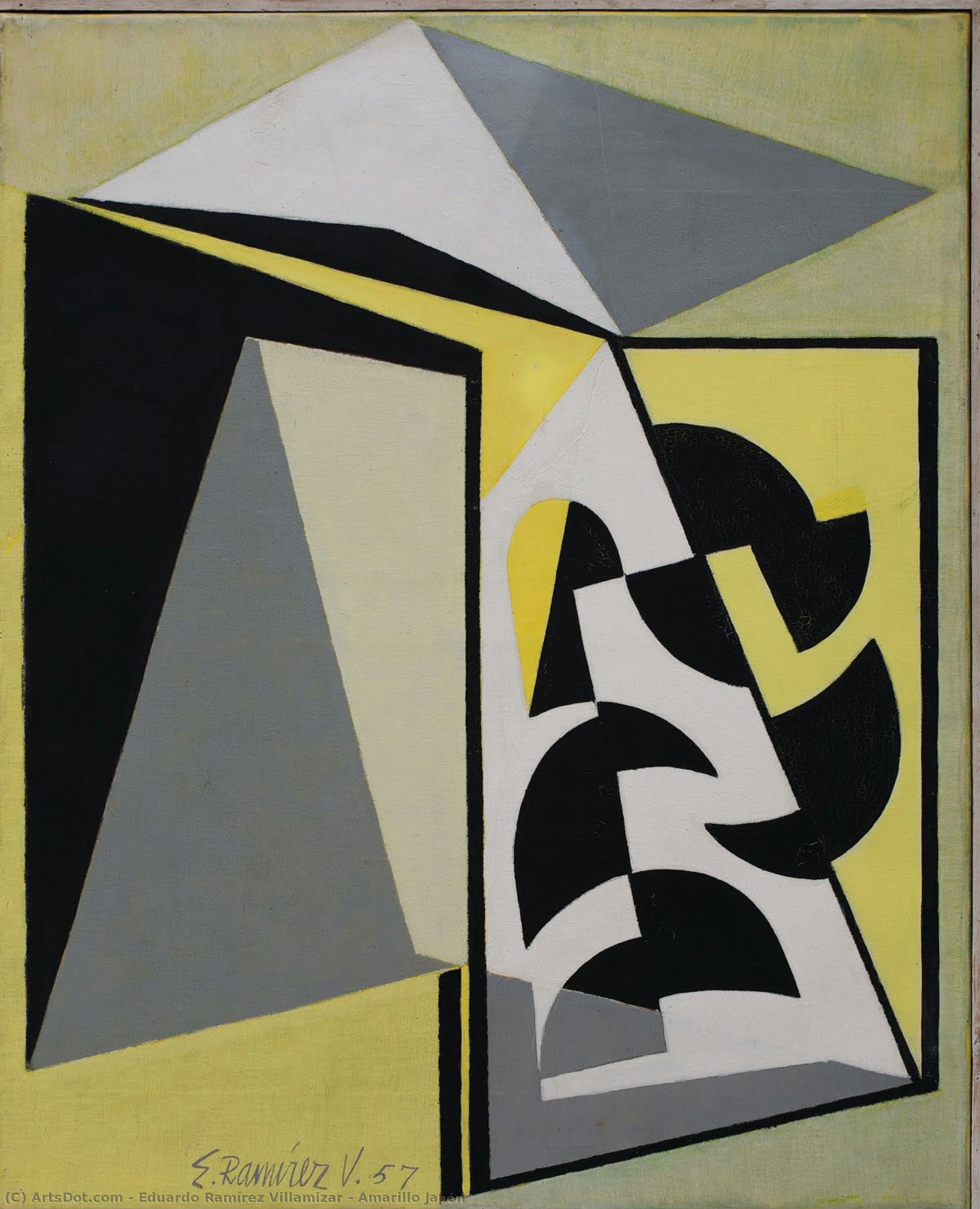
Amarillo Japón
 Acrylic On Canvas
- WallArt
- Geometric Abstraction
 1957
1957 60.0 x 50.0 cm
 Центр Культуры Банка Бразилии Рио-де-Жанейро
 Читать далее
Жикле / Арт-принт
Печать (жикле) или холст музейного качества с быстрыми сроками изготовления и широким выбором вариантов отделки. ( Купить картину ручной работы Перейти к цифровым изображениям)




P118B $10

P118H $10

P118W $10

P438Z $10

P508JH $12

P508YH $12

P805H $10

P805Z $10

P919BZ $10

P919G $10

P919XJ $10

P959ZH $10

P968JZ $12

W106C $8

W218G $10

W218JH $8

W218Y $10

W307PJ $10

W316G $10

W316PJ $8

W316Y $10

W398PJ $8

W4111J $10

W500HY $15

W500JH $15

W692G $12

W849H $8

W940BG $15

W953PJ $8




Выберите один из наших стандартных размеров, соответствующих оригинальным пропорциям произведения искусства.

Вы можете указать свои собственные размеры, чтобы репродукция идеально подошла под конкретную раму или пространство. Если выбранный вами размер не будет соответствовать пропорциям оригинала, мы либо обрежем произведение, либо дополним изображение зеркальным отражением краев или однотонной заливкой. Перед началом производства вам будет отправлен цифровой макет для утверждения.
Пожалуйста, обратите внимание, что предварительный просмотр на экране не отображает фактическую обрезку или расширение изображения. Только макет точно покажет финальную композицию.
Несмотря на возможность заказа индивидуальных размеров, мы рекомендуем выбирать размер из предопределенного списка, чтобы сохранить оригинальные пропорции.
Доставка по всему миру () за 2 недели вместо стандартных 4/5 недель. (11 Сентябрь)

Бесплатная экспресс-доставка по всему миру

Высококачественный льняной холст

Полное страхование доставки

Гарантия возмещения таможенных пошлин

Гарантия точного соответствия цветов

100-дневная политика возврата (только при обнаружении дефектов)

Гарантия возврата 100% средств

Предложение оптовых скидок
 Вариант со стеклом доступен только для размеров менее 110 см

Amarillo Japón
Жикле / Арт-принт
Размер репродукции
-


Итоговая стоимость
$ 62
Amarillo Japón: A Colombian Pioneer's Geometric Echoes
Eduardo Ramírez Villamizar’s “Amarillo Japón” (Yellow Japan), painted in 1957, is more than just a striking visual composition; it’s a profound meditation on form, color, and the enduring legacy of pre-Columbian culture. This vibrant oil painting, measuring 60 x 50 cm, resides within a pivotal period of artistic evolution in Colombia – a time when European avant-garde movements began to intertwine with indigenous traditions, forging a distinctly Latin American aesthetic.
At first glance, the artwork presents a deceptively simple arrangement: a bold, triangular yellow shape dominates the center, punctuated by a carefully considered hole. Surrounding this central element are secondary forms – a square and a circle – each rendered in muted tones that serve to both ground and elevate the primary motif. A subtle building is visible in the background, adding a layer of urban context to the otherwise abstract scene. However, beneath this apparent simplicity lies a complex interplay of geometric abstraction, influenced heavily by the principles of Constructivism and the pioneering work of Victor Vasarely.
The Influence of European Abstraction
Ramírez Villamizar’s journey toward geometric abstraction began in the early 1950s, fueled by extended stays in Paris. During these formative years, he immersed himself in the ateliers of Jean Dewasne and Edgard Pillet at the Atelier d’Art Abstrait, a hub for European artists exploring non-representational forms. This exposure to Parisian avant-garde movements – particularly the work of Piet Mondrian and Kazimir Malevich – profoundly shaped his artistic vision. He sought to distill visual experience into its purest geometric elements, rejecting traditional notions of representation in favor of pure form and color.
Yet, Ramírez Villamizar’s abstraction wasn't merely a mimicry of European styles. He skillfully integrated these influences with the rich cultural heritage of Colombia. The triangular shape itself can be interpreted as an echo of Inca architecture and symbolism – a recurring motif in pre-Columbian art that represented mountains, sacred peaks, or even the cosmos. This deliberate connection to indigenous traditions is a defining characteristic of his work, demonstrating a desire to create art that was both internationally relevant and deeply rooted in Colombian identity.
A Reflection of Andean Heritage
Born in Pamplona, Norte de Santander, in 1922, Ramírez Villamizar’s early life was shaped by the economic hardships of the Great Depression. His father, a jeweler, instilled in him an appreciation for craftsmanship and visual aesthetics. Later, his time spent working with sculptor Édgar Negret in Popayán exposed him to Basque artist Jorge Oteiza, who introduced him to European avant-garde art through the lens of Basque culture. This encounter proved crucial, bridging the gap between European abstraction and Latin American artistic sensibilities.
The painting’s title, “Amarillo Japón,” hints at a deeper symbolic layer. The color yellow, often associated with gold and divinity in Andean cultures, further emphasizes this connection to pre-Columbian beliefs. The deliberate hole within the triangle can be seen as an invitation – a visual portal suggesting a journey into the unknown or a contemplation of the infinite.
A Legacy of Innovation
“Amarillo Japón” stands as a testament to Eduardo Ramírez Villamizar’s pioneering role in Colombian art. His work, characterized by bold colors, dynamic compositions, and a unique synthesis of geometric abstraction and cultural symbolism, continues to inspire artists today. Recognized for his contributions to the field, he received numerous accolades including the Order of Boyacá, the Medal of ColCultura, and the José Eusebio Caro Medal. His legacy is preserved in the Ramírez Villamizar Museum of Modern Art in Pamplona, a fitting tribute to a visionary artist who dared to redefine the boundaries of Colombian art.
Похожие произведения
Биография художника
Early Life and Education
- Born: August 27, 1922, Pamplona, Norte de Santander, Colombia
- Died: August 24, 2004, Bogotá, Colombia
- Parents: Adela Villamizar and Jesús Ramírez Castro
- Youngest of eleven children. His father was a jeweler, providing early exposure to craftsmanship and visual art.
- Family moved to Cúcuta in 1929 due to economic hardship during the Great Depression.
- Studied architecture at the National University of Colombia (1940-1943) before switching to painting in 1944.
- Significant influence from a seven-month stay in Popayán (1947) working with sculptor Édgar Negret, who introduced him to European avant-garde art through Basque artist Jorge Oteiza.
Artistic Development and Influences
- Early work showed expressionist influences of Rouault and Van Gogh.
- Transitioned to geometric abstraction in the early 1950s, influenced by visits to Paris (1950-52 and 1955-56).
- Studied at the Atelier d’Art Abstrait in Paris under Jean Dewasne and Edgard Pillet. Shared this space with notable artists like Jesús Rafael Soto and Alejandro Otero.
- Inspired by Victor Vasarely's work, embracing the idea that color, form, and geometry could express creation without representing reality.
- Trip to Machu Picchu, Peru, sparked a deep interest in Inca culture, which heavily influenced his Constructivist art.
Major Works and Artistic Style
- Custody: A notable metal artwork exemplifying his abstract and minimalist style.
- El Dorado: A mural commission for the Banco de Bogotá (1957) marked a shift towards three-dimensional sculpture, blending geometric abstraction with themes from pre-Columbian art and colonial architecture of Pamplona.
- His work is characterized by vibrant colors, bold brushstrokes, and a connection to nature and Colombian culture.
- Explored the relationship between geometric figures and space, evolving from painting to sculpture.
- Incorporated elements of pre-Columbian artifacts and traditional goldwork into his sculptures.
Recognition and Legacy
- Received the Order of Boyacá (1978), Colombia's highest peacetime decoration.
- Awarded the Medal of ColCultura and the José Eusebio Caro Medal (1979).
- The Ramírez Villamizar Museum of Modern Art in Pamplona was established in his honor (1990).
- Recognized with the Order of Francisco de Miranda from Venezuela (1993).
- Named Doctor Honoris Causa by the National University of Colombia (1993).
- Featured in a Google Doodle on August 27, 2019.
- Considered a pioneer of abstract, minimalist, and Constructivist art in Colombia and Latin America. His work continues to be exhibited and celebrated for its innovative blend of geometric abstraction and cultural heritage.
Historical Significance
- Played a crucial role in the development of modern art in Colombia and throughout Latin America.
- Bridged the gap between European avant-garde movements and Latin American artistic traditions.
- His exploration of pre-Columbian themes within a geometric framework influenced subsequent generations of artists.
- Demonstrated the potential for abstract art to engage with cultural identity and historical narratives.

eduardo ramírez villamizar
1922 - 2004 , Colombia
Основные сведения
- Artistic Movement Or Style:
- Abstract art
- Minimalist art
- Constructivist art
- Artists Who Influenced This Artist:
- Victor Vasarely
- Rouault
- Van Gogh
- Date Of Birth: August 27, 1922
- Date Of Death: August 24, 2004
- Full Name: Eduardo Ramírez Villamizar
- Nationality: Colombian
- Notable Artworks:
- Custody
- Amarillo Japón
- Place Of Birth: Pamplona, Colombia
Похожие статьи
Beyond Form: Exploring the Philosophical Foundations of Geometric Abstraction
Explore the philosophical roots & artistic evolution of geometric abstraction with ArtsDot. Discover Mondrian, Malevich, De Stijl & more. Expert insights for collectors and art enthusiasts.

Геометрическая абстракция: 10 шедевров, изменивших искусство | ArtsDot.com
Погрузитесь в мир геометрической абстракции! От Кандинского до Малевича – 10 шедевров, изменивших искусство. Узнайте историю создания и значение культовых картин. Репродукции музейного качества на ArtsDot.com. Вдохновение для вашего интерьера!
Топ-25 шедевров Василия Кандинского: Абстрактное искусство для вашего интерьера
Погрузитесь в мир абстрактного искусства с Василием Кандинским! 25 шедевров экспрессионизма, баухауса и русского авангарда. Репродукции картин Кандинского для вдохновения и декора вашего интерьера. Откройте всю коллекцию на ArtsDot.com
Beyond Form & Color: Geometric Abstraction's Enduring Legacy in Art History
Explore the captivating world of geometric abstraction! Discover its origins, key artists like Malevich & Mondrian, and why this movement remains highly valued by art collectors today. Expert insights at ArtsDot.
Beyond Form & Color: Geometric Abstraction's Evolution in 20th/21st Century Art
Explore the evolution of geometric abstraction from Cubism to contemporary art. Discover key artists like Malevich & Mondrian, investment insights, and expert collecting advice at ArtsDot.