

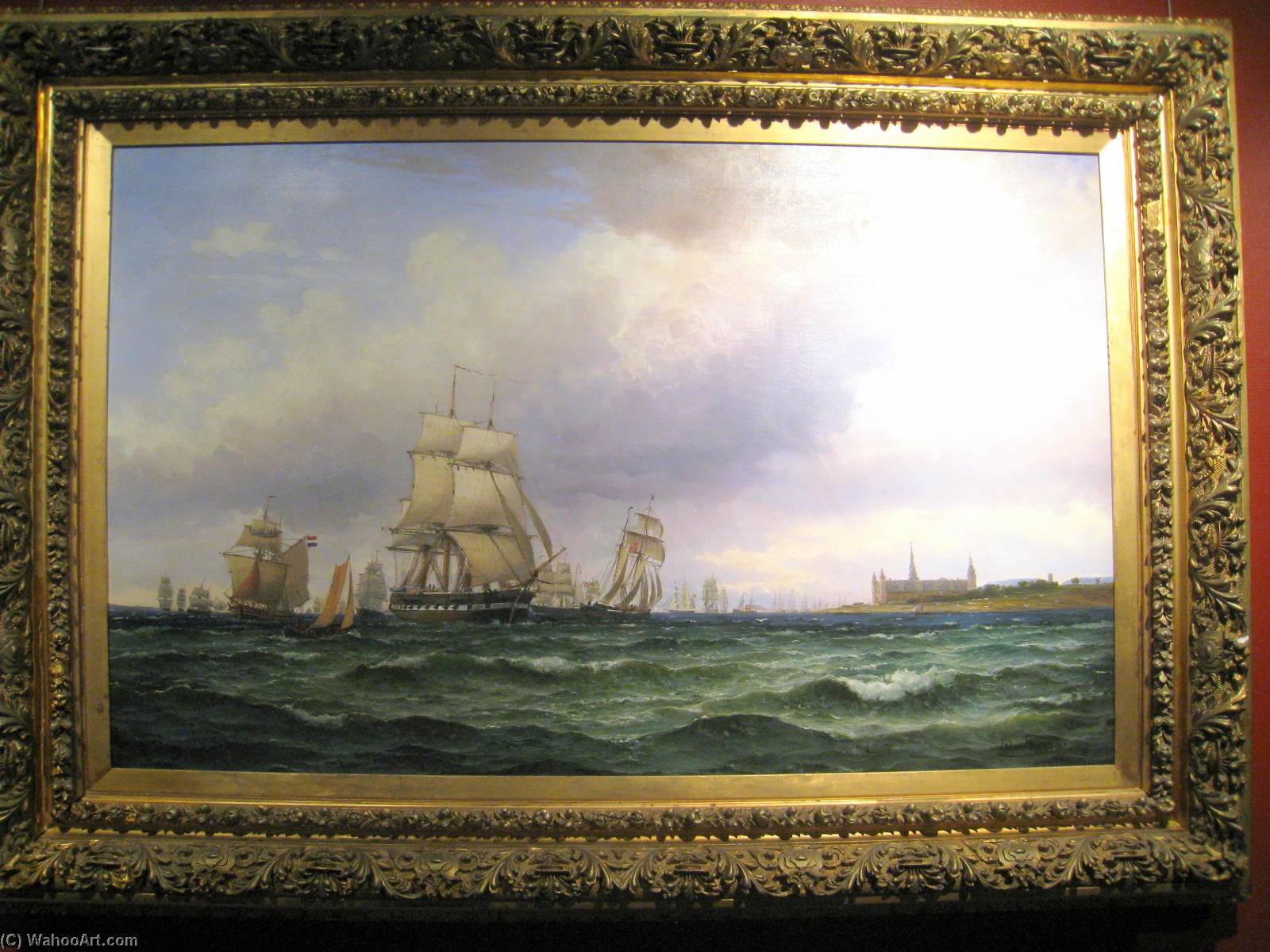
 Предпросмотр
 Поделиться
 Поделиться
 Детали произведения

 Скачать
 Похожие работы
 Рентгенография
 Слайд-шоу
 Статистика
Untitled (AQZVBE)
 Читать далее
Масляная репродукция ручной работы
Картина маслом на холсте в выбранном вами размере и раме, написанная на заказ нашими художниками. ( Перейти к печати Перейти к цифровым изображениям)




































Выберите один из наших стандартных размеров, соответствующих оригинальным пропорциям произведения искусства.

Вы можете указать собственные размеры, чтобы картина идеально вписалась в выбранную раму или пространство. Если выбранный вами размер не соответствует пропорциям оригинала, мы либо обрежем полотно, либо расширим его за счет дополнительных элементов, написанных вручную. Цифровой макет будет отправлен вам на утверждение перед началом производства.
Обратите внимание, что предварительный просмотр на экране не отражает фактическую обрезку или расширение. Только макет точно покажет окончательную композицию.
Хотя доступны индивидуальные размеры, мы рекомендуем выбирать вариант из предопределенного списка, чтобы сохранить исходные пропорции.
После оформления заказа команда ArtsDot.com свяжется с клиентом по электронной почте для уточнения деталей и предоставит предварительный макет
Доставка по всему миру () за 3–4 недели вместо стандартных 5 недель. (12 Сентябрь). Без компромиссов в качестве.

Бесплатная экспресс-доставка по всему миру

Высококачественный льняной холст

Полное страхование доставки

Гарантия возмещения таможенных пошлин

Гарантия точного соответствия цветов

100-дневная политика возврата (только при обнаружении дефектов)

Гарантия возврата 100% средств

Предложение оптовых скидок
 Вариант со стеклом доступен только для размеров менее 110 см

Untitled (AQZVBE)
Техника репродукции
Размер репродукции
-


Итоговая стоимость
$ 263
Похожие произведения








Биография художника
Edvard Munch: A Vision of Anxiety and Symbolism
Edvard Munch (1837 – 1903) stands as one of the most influential figures in Expressionist art, a movement that sought to convey inner emotional experience rather than objective reality. Born in Oslo, Norway, Munch’s life was marked by personal tragedy—the early deaths of his mother and sister—experiences which profoundly shaped his artistic vision and fueled his exploration of themes like anxiety, loss, and mortality. These formative influences instilled within him a deep sensitivity to psychological states and a conviction that art could serve as a conduit for confronting profound human emotions.- Early Life & Influences: Munch’s upbringing in Kristiania (now Oslo) exposed him to the intellectual currents of his time, including Symbolism and Nietzschean philosophy. These thinkers championed subjective experience and challenged conventional moral values—ideas that resonated deeply with Munch's burgeoning artistic sensibilities. His fascination with mythology and folklore also contributed to his distinctive style, evident in recurring motifs of darkness, isolation, and primal fear.
- The Formation of Style: Munch’s artistic journey began modestly, experimenting with landscapes before gravitating towards figurative painting. However, it was his encounter with Symbolism that truly liberated him from representational constraints. Artists like Gustave Moreau and Edvard Leidner served as inspiration, encouraging Munch to prioritize emotional expression over meticulous detail.
The Scream: An Icon of Modern Angst
Perhaps Munch’s most recognizable work is “The Scream,” painted in 1893. This haunting image depicts a solitary figure standing on a bridge overlooking Oslofjord, engulfed in an overwhelming sense of dread and despair. The distorted face, the swirling sky, and the vibrant reds and yellows are deliberately unsettling—designed to evoke visceral emotion rather than rational comprehension. Critics have interpreted “The Scream” as a reflection of Munch’s own psychological struggles and as a prescient depiction of the anxieties inherent in the burgeoning modern age. It transcends mere visual representation; it embodies a universal experience of existential terror.- Technique & Symbolism: Munch employed expressive brushstrokes and bold color palettes to convey emotion—a technique characteristic of Expressionist painting. The figure’s scream is not audible, yet its impact is palpable, communicating anguish through visual cues alone. Recurring motifs like the skull and barren landscape symbolize death and decay, underscoring the pervasive preoccupation with mortality that permeates Munch's oeuvre.
Major Works & Artistic Development
Munch’s artistic output spanned a remarkable range of subjects—landscapes, portraits, mythological scenes—all imbued with a distinctive psychological intensity. Notable paintings include “Madonna,” “Death and Melancholy I,” “Girls on the Ferry,” and “The Sick Child.” Throughout his career, Munch relentlessly pursued experimentation with color and form, refining his style and deepening his exploration of emotional themes. He moved from Impressionistic influences to Symbolism and ultimately established a uniquely personal Expressionist aesthetic.- Recurring Themes: Munch consistently tackled subjects related to human suffering—disease, grief, loneliness—often depicting them with unflinching honesty. His artistic vision was driven by an unwavering commitment to portraying the darker aspects of human experience.
Legacy & Historical Significance
Edvard Munch’s influence on subsequent generations of artists is undeniable. He paved the way for Expressionism and profoundly impacted movements like Surrealism and Abstract Expressionism, demonstrating that art could serve as a powerful tool for confronting psychological realities. “The Scream” remains an enduring symbol of anxiety and alienation—a testament to Munch's ability to capture the essence of human emotion with unparalleled sensitivity and artistic innovation. His work continues to resonate powerfully today, prompting viewers to contemplate profound questions about existence and the human condition.- Influence on Later Artists: Munch’s stylistic innovations—particularly his use of color and expressive brushwork—inspired artists across Europe who sought to convey subjective experience.
edvard skari
1837 - 1903
Основные сведения
- Artistic Movement Or Style: Expressionism
- Artists Or Movements Influenced By This Artist: ['German Expressionism']
- Artists Who Influenced This Artist:
- Vincent van Gogh
- James McNeill Whistler
- Date Of Birth: 1837
- Date Of Death: 1903
- Full Name: Edvard Munch
- Nationality: Norwegian
- Notable Artworks:
- The Scream
- Madonna
- Melancholy
- Place Of Birth: Oslo, Norway