

 Предпросмотр
 Поделиться
 Поделиться
 Детали произведения

 Скачать
 Похожие работы
 Рентгенография
 Слайд-шоу
 Статистика
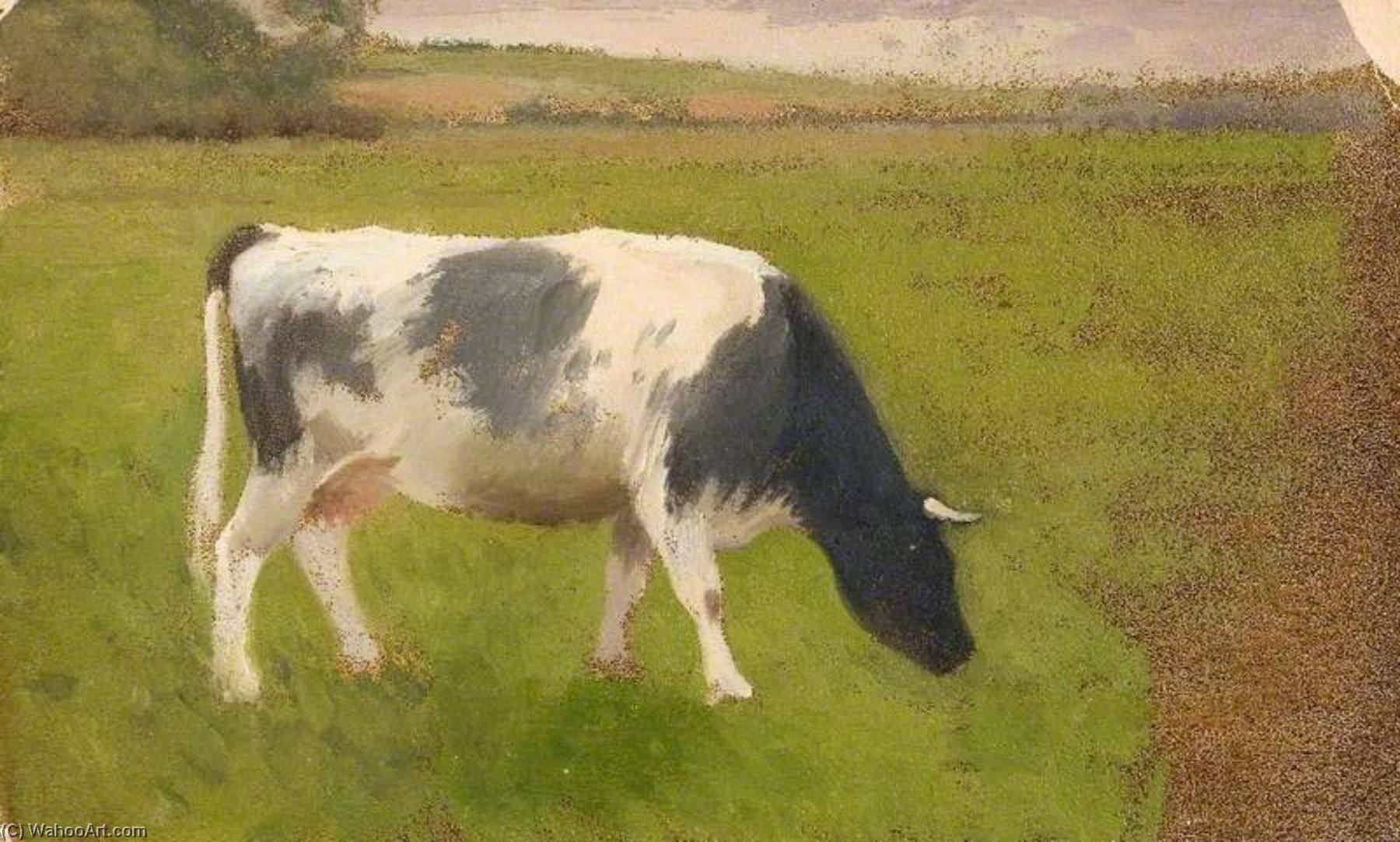
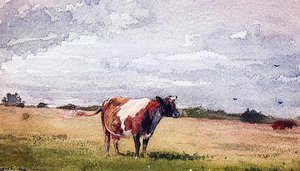
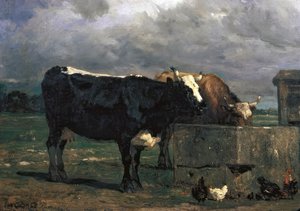
Study of a Cow
 Oil On Canvas
- WallArt
- Pre-Raphaelite Brotherhood
 12.0 x 19.0 cm
 Читать далее
Жикле / Арт-принт
Печать (жикле) или холст музейного качества с быстрыми сроками изготовления и широким выбором вариантов отделки. ( Купить картину ручной работы Перейти к цифровым изображениям)




P118B $10

P118H $10

P118W $10

P438Z $10

P508JH $12

P508YH $12

P805H $10

P805Z $10

P919BZ $10

P919G $10

P919XJ $10

P959ZH $10

P968JZ $12

W106C $8

W218G $10

W218JH $8

W218Y $10

W307PJ $10

W316G $10

W316PJ $8

W316Y $10

W398PJ $8

W4111J $10

W500HY $15

W500JH $15

W692G $12

W849H $8

W940BG $15

W953PJ $8




Выберите один из наших стандартных размеров, соответствующих оригинальным пропорциям произведения искусства.

Вы можете указать свои собственные размеры, чтобы репродукция идеально подошла под конкретную раму или пространство. Если выбранный вами размер не будет соответствовать пропорциям оригинала, мы либо обрежем произведение, либо дополним изображение зеркальным отражением краев или однотонной заливкой. Перед началом производства вам будет отправлен цифровой макет для утверждения.
Пожалуйста, обратите внимание, что предварительный просмотр на экране не отображает фактическую обрезку или расширение изображения. Только макет точно покажет финальную композицию.
Несмотря на возможность заказа индивидуальных размеров, мы рекомендуем выбирать размер из предопределенного списка, чтобы сохранить оригинальные пропорции.
Доставка по всему миру () за 2 недели вместо стандартных 4/5 недель. (11 Сентябрь)

Бесплатная экспресс-доставка по всему миру

Высококачественный льняной холст

Полное страхование доставки

Гарантия возмещения таможенных пошлин

Гарантия точного соответствия цветов

100-дневная политика возврата (только при обнаружении дефектов)

Гарантия возврата 100% средств

Предложение оптовых скидок
 Вариант со стеклом доступен только для размеров менее 110 см

Study of a Cow
Жикле / Арт-принт
Размер репродукции
-


Итоговая стоимость
$ 62
Edward Archibald Brown’s ‘Study of a Cow’: A Meditation on Light and Observation
Edward Archibald Brown, a figure often overshadowed by the more celebrated luminaries of the Pre-Raphaelite movement, offers a quietly profound exploration of the English countryside in his “Study of a Cow.” This intimate scene, rendered with meticulous detail and a masterful understanding of light, transcends a simple depiction of livestock to become a meditation on observation, atmosphere, and the subtle beauty found within the everyday. Measuring just 12 x 19 cm, the work’s diminutive scale only intensifies its impact, drawing the viewer into a remarkably detailed world.
A Photographic Legacy: The Influence of Francis Hadow
- Early Training: Brown's artistic trajectory was fundamentally shaped by his apprenticeship with the esteemed photographer Francis Hadow. This formative experience, beginning in the late 19th century, introduced him to a radically new way of seeing – one focused on precise tonal control and capturing transient effects of light.
- Manipulation of Tone: Hadow’s techniques, particularly the careful layering and blending of tones, instilled in Brown an unparalleled sensitivity to texture and atmosphere, influencing his approach to painting long before the rise of Impressionism.
- Detail-Oriented Approach: The emphasis on meticulous observation, honed through photographic practice, is immediately apparent in “Study of a Cow,” where every blade of grass and ripple of shadow is rendered with painstaking accuracy.
Technique and Style: Pre-Raphaelite Sensibilities Revisited
Executed in oil on canvas, the painting embodies the Pre-Raphaelite spirit – a commitment to realism, detailed observation, and an appreciation for the beauty of the natural world. Brown’s use of black and white for the cow itself creates a striking contrast against the vibrant green field, further emphasizing its form and drawing attention to its texture. The subdued lighting, characteristic of his style, evokes a sense of quiet contemplation and reinforces the painting's contemplative mood. The artist skillfully employs glazing techniques, layering thin washes of color to build up depth and luminosity, mimicking the effects of natural light.
Symbolism and Narrative: A Moment in Time
While seemingly straightforward, “Study of a Cow” invites interpretation. The presence of a solitary figure in the background suggests an act of observation, perhaps a moment of quiet contemplation or a connection between humanity and nature. The cow itself, a symbol of pastoral life and fertility, becomes imbued with a sense of timelessness. The composition – the animal positioned slightly off-center – adds to the painting’s feeling of naturalism and spontaneity, as if captured in an unguarded moment.
Emotional Impact and Collectible Value
"Study of a Cow" is more than just a depiction of a farm animal; it's a testament to Brown’s artistic vision and his ability to capture the essence of a fleeting moment. This hand-painted reproduction offers an exceptional opportunity to bring this evocative artwork into your home or office. Its small size makes it ideal for smaller spaces, while its timeless subject matter ensures that it will remain a captivating addition to any collection. A perfect piece for those seeking a touch of Pre-Raphaelite elegance and a reminder of the beauty found in simplicity.
Похожие произведения
Биография художника
Edward Archibald Brown: Weaver of Light and Shadow
Edward Archibald Brown, a name perhaps less instantly recognizable than some of his Pre-Raphaelite contemporaries, nevertheless possessed a singular vision – one deeply rooted in the evocative landscapes of England and imbued with a profound understanding of light and color. Born in 1866 in London, Brown’s artistic journey was shaped by a meticulous apprenticeship under the renowned photographer Francis Hadow, an experience that fundamentally altered his approach to seeing and representing the world. This early exposure to photographic techniques – particularly the careful manipulation of tones and textures – instilled in him a remarkable sensitivity to detail and a desire to capture fleeting moments of atmospheric effect.
Brown’s artistic development unfolded gradually, initially exploring watercolor landscapes before gravitating towards oil painting. His formative years were spent absorbing the influence of the Pre-Raphaelite Brotherhood, though he never fully embraced their overtly romantic or mythological themes. Instead, he found his strength in depicting the quiet beauty of the English countryside – the rolling hills of Cornwall, the misty moors of Yorkshire, and the serene shores of Dorset. He was particularly drawn to scenes of rural life, capturing the rhythms of daily existence with a remarkable degree of realism and emotional resonance.
The Language of Light
What distinguishes Brown’s work is his masterful manipulation of light. He wasn't simply aiming for accurate representation; he sought to convey the *feeling* of light – its warmth, its coolness, its ability to transform a scene with subtle shifts in hue and tone. This is most evident in paintings like “Stormy Evening” (1903) and “Lock Keeper Cottage” (1907), both iconic works that exemplify his unique style. He employed a broken color technique, layering thin washes of paint to build up complex gradations of light and shadow. His brushstrokes were often loose and expressive, creating a sense of movement and atmosphere. He studied the effects of weather with an almost scientific precision, meticulously observing how sunlight filtered through clouds or reflected off water surfaces.
Brown’s technical skill was further enhanced by his understanding of color theory. He wasn't afraid to use unexpected combinations – vibrant blues against muted greens, fiery oranges against somber browns – to create a sense of visual drama and emotional intensity. His palette was often restrained, favoring subtle harmonies rather than bold contrasts, yet within this restraint lay a remarkable power to evoke mood and atmosphere.
Influences and Artistic Connections
While Brown’s work is firmly rooted in the Pre-Raphaelite tradition, he also drew inspiration from other sources. The landscapes of J.M.W. Turner, with their atmospheric effects and emphasis on light, were undoubtedly a significant influence. He was also fascinated by the works of Constable, particularly his depictions of rural England. Furthermore, Brown’s time spent working as a photographer informed his approach to painting, encouraging him to see the world in terms of shapes, tones, and textures.
He maintained close friendships with several prominent artists of his era, including William Denselow and Frank Bramley. These artistic connections provided opportunities for mutual inspiration and critique, contributing to the vibrant cultural landscape of late Victorian England. His work was exhibited regularly at the Royal Academy and other prestigious galleries, gaining him a modest but loyal following.
Major Achievements and Legacy
Brown’s most celebrated works include “Stormy Evening,” “Lock Keeper Cottage,” and his series of paintings depicting the Cornish coast. These landscapes are characterized by their atmospheric depth, their subtle color harmonies, and their evocative portrayal of rural life. While he never achieved widespread fame during his lifetime, Brown's work is now recognized as a significant contribution to British landscape painting. His meticulous observation, his masterful manipulation of light, and his quiet sensitivity have secured him a place among the most accomplished artists of the Pre-Raphaelite era.
His legacy lies not in grand pronouncements or revolutionary innovations, but rather in the enduring beauty and emotional resonance of his paintings – works that invite viewers to pause, reflect, and connect with the quiet wonders of the English countryside. Edward Archibald Brown’s art is a testament to the power of observation, the importance of light, and the timeless appeal of simple beauty.
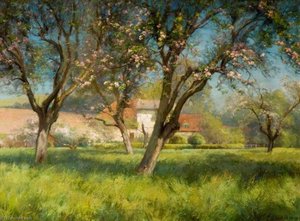
edward archibald brown
1866 - 1935
Основные сведения
- Artistic Movement Or Style: Pre-Raphaelite
- Artists Or Movements Influenced By This Artist: ['Pre-Raphaelites']
- Artists Who Influenced This Artist: ['Burne-Jones']
- Date Of Birth: 1866
- Date Of Death: 1935
- Full Name: Edward Archibald Brown
- Nationality: British
- Notable Artworks:
- Stormy Evening
- Lock Keeper Cottage
- Place Of Birth: London, England
Похожие статьи
The Pre-Raphaelite Brotherhood: Rebellion, Romance & Medieval Revival
Explore the captivating world of the Pre-Raphaelite Brotherhood! Discover their rebellious spirit, iconic masterpieces & lasting influence on art history. Learn about Rossetti, Millais & more.

От первоначального эскиза к бессмертному наследию: всестороннее исследование создания живописной репродукции маслом
Узнайте все о создании живописных репродукций маслом! Технология, материалы, ручная работа мастеров и индивидуальный подход к заказу. Сохраните любимые шедевры в своем доме с ArtsDot.
25 Шедевров Данте Габриэля Россетти: Искусство, Символизм и Декор для Вашего Дома
Погрузитесь в мир Данте Габриэля Россетти! 25 шедевров прерафаэлитов, полных символизма и страсти. Узнайте истории создания культовых картин и найдите идеальный декор для вашего дома на ArtsDot.com – музейное качество, вдохновение и искусство онлайн.

Непреходящая ценность масляной живописи ручной работы: эстетика, долговечность и эмоциональный отклик
Узнайте о непреходящей ценности масляной живописи ручной работы! История, техники, советы по уходу и инвестициям. Экспертная информация для ценителей искусства.
Ford Madox Brown: Pre-Raphaelite Visionary & Victorian Social Commentary
Explore the life & art of Ford Madox Brown, a pivotal Pre-Raphaelite painter renowned for his powerful social commentary and masterpiece 'Work'. Discover his lasting influence on British art history.