

 Предпросмотр
 Поделиться
 Поделиться
 Детали произведения

 Скачать
 Похожие работы
 Рентгенография
 Слайд-шоу
 Статистика
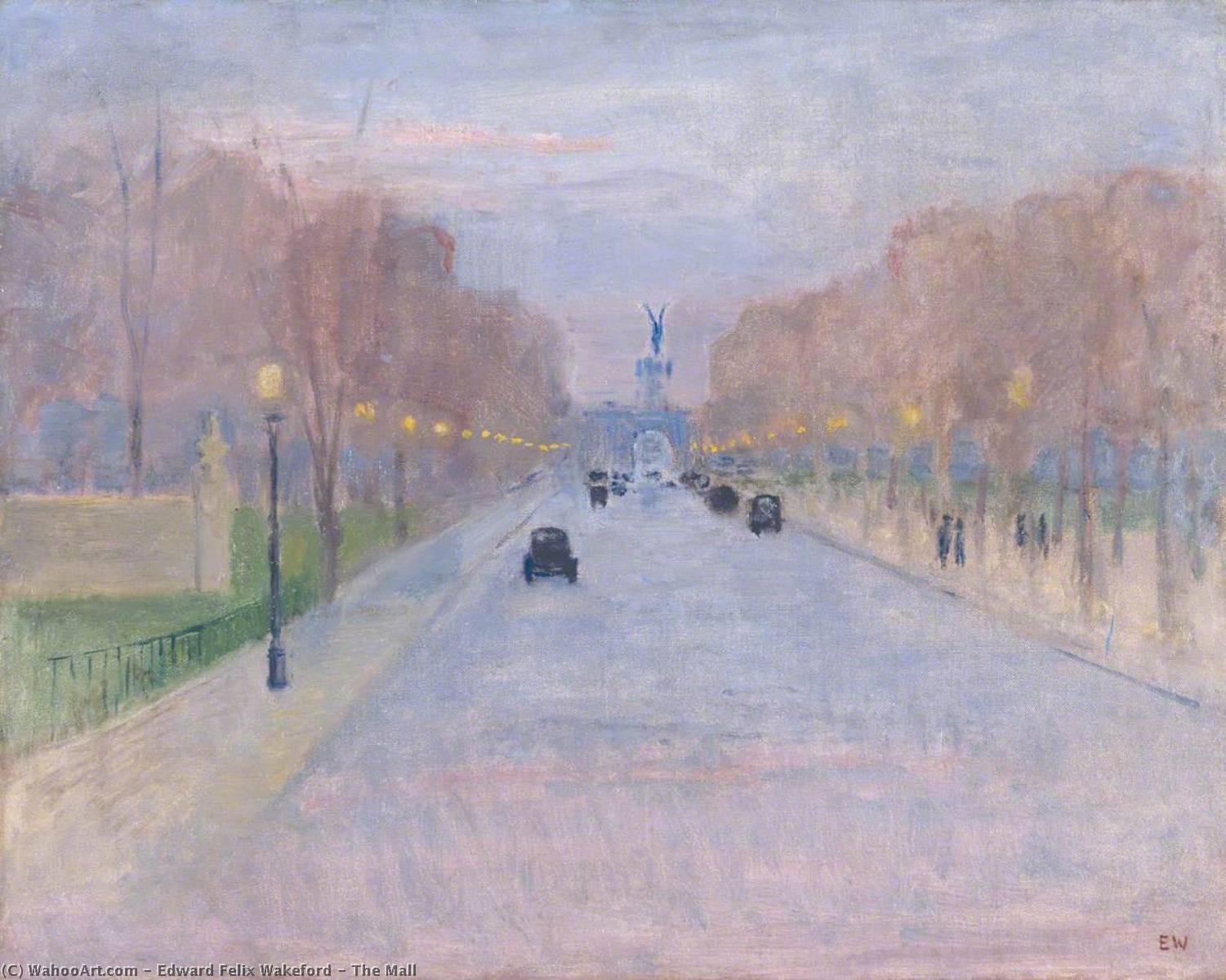
The Mall
 1950
1950 41.0 x 51.0 cm
 Читать далее
Масляная репродукция ручной работы
Картина маслом на холсте в выбранном вами размере и раме, написанная на заказ нашими художниками. ( Перейти к печати Перейти к цифровым изображениям)




































Выберите один из наших стандартных размеров, соответствующих оригинальным пропорциям произведения искусства.

Вы можете указать собственные размеры, чтобы картина идеально вписалась в выбранную раму или пространство. Если выбранный вами размер не соответствует пропорциям оригинала, мы либо обрежем полотно, либо расширим его за счет дополнительных элементов, написанных вручную. Цифровой макет будет отправлен вам на утверждение перед началом производства.
Обратите внимание, что предварительный просмотр на экране не отражает фактическую обрезку или расширение. Только макет точно покажет окончательную композицию.
Хотя доступны индивидуальные размеры, мы рекомендуем выбирать вариант из предопределенного списка, чтобы сохранить исходные пропорции.
После оформления заказа команда ArtsDot.com свяжется с клиентом по электронной почте для уточнения деталей и предоставит предварительный макет
Доставка по всему миру () за 3–4 недели вместо стандартных 5 недель. (12 Сентябрь). Без компромиссов в качестве.

Бесплатная экспресс-доставка по всему миру

Высококачественный льняной холст

Полное страхование доставки

Гарантия возмещения таможенных пошлин

Гарантия точного соответствия цветов

100-дневная политика возврата (только при обнаружении дефектов)

Гарантия возврата 100% средств

Предложение оптовых скидок
 Вариант со стеклом доступен только для размеров менее 110 см

The Mall
Техника репродукции
Размер репродукции
-


Итоговая стоимость
$ 263
Похожие произведения








Биография художника
Edward Felix Wakeford: A Master of Victorian Realism
Edward Felix Wakeford (born circa 1865) emerged as a prominent British artist during the late Victorian era, capturing the spirit of his time with meticulous detail and an unwavering commitment to realism. Though biographical information remains somewhat sparse—a testament perhaps to the quiet dedication of artists working outside the limelight—Wakeford’s oeuvre speaks volumes about his artistic vision and its resonance within the broader context of British art history. Primarily focused on landscapes and architectural depictions, he established himself as a respected Stourbridge artist known for his ability to convey atmosphere and emotion through painstakingly rendered surfaces. Early Life & Training: Wakeford’s formative years were spent in Worcestershire, where he honed his artistic skills under the tutelage of William Joseph Turner, a celebrated landscape painter who instilled in him a profound appreciation for tonal harmony and observational accuracy. This influence is palpable throughout Wakeford's work—particularly evident in his depictions of Northumberland scenery—where Turnerian techniques are skillfully employed to create luminous vistas brimming with subtle gradations of color. The artist’s meticulous attention to capturing the nuances of light and shadow—a hallmark of Turner’s style—served as a cornerstone of Wakeford’s artistic approach, shaping his compositional choices and informing his palette. Notable Works & Artistic Style: Wakeford’s artistic style can be characterized as a deliberate synthesis of Romantic idealism and Impressionistic observation. Unlike many of his contemporaries who embraced bold brushstrokes and expressive color palettes, Wakeford favored a restrained aesthetic, prioritizing tonal precision and textural nuance. His canvases—such as “St Sulpice, Paris” and “Embleton, Northumberland”—are populated with figures rendered in exquisite detail against backgrounds bathed in atmospheric light. The artist’s masterful manipulation of surface texture—particularly visible in “Two Horses (recto)”—added a remarkable dimension of physicality to his compositions, mirroring Turner's fascination with capturing the materiality of nature. He sought to convey not merely what he saw but also how it felt—a characteristic that distinguishes Wakeford from more purely decorative artists of the period. Influences & Artistic Development: Wakeford’s artistic journey was undoubtedly shaped by the prevailing aesthetic currents of the Victorian era. The burgeoning fascination with scientific illustration and the growing acceptance of plein air painting techniques contributed to his stylistic evolution. Furthermore, Wakeford’s exposure to Renaissance art—specifically the works of Leonardo da Vinci—inspired him to explore compositional strategies that prioritized clarity and anatomical correctness. This intellectual engagement fueled his desire for artistic excellence and underpinned his unwavering dedication to realism as a means of conveying truthfulness and beauty. Achievements & Legacy: Wakeford achieved considerable recognition during his lifetime for his artistic accomplishments. His landscapes were exhibited at prestigious institutions like the Royal Academy, cementing his reputation as a leading figure in British art. Though he didn’t achieve widespread fame, Wakeford's paintings continue to be admired for their technical mastery and evocative portrayal of Victorian Britain—a testament to his enduring contribution to the visual arts. He stands as an exemplar of Victorian realism—a stylistic commitment to faithfully representing observed reality with unwavering accuracy. His work serves as a valuable record of the era’s social landscape, capturing scenes of industrial progress alongside glimpses into rural life. Historical Significance: Wakeford’s oeuvre embodies the spirit of his time—a period marked by both scientific advancement and artistic introspection. He participated in documenting the transformative changes reshaping Britain during the Industrial Revolution, presenting a nuanced perspective on modernity alongside an appreciation for traditional beauty. His landscapes offer a poignant reminder of a bygone era—one characterized by a profound connection to nature and a steadfast belief in the power of art to illuminate human experience. Wakeford’s legacy resides not merely in his artistic skill but also in his unwavering commitment to upholding Victorian ideals of observation and representation—a contribution that continues to resonate with scholars and collectors alike.
Основные сведения
- Artistic Movement Or Style: Realism
- Artists Who Influenced This Artist: ['William Joseph Turner']
- Date Of Birth: (Living)
- Full Name: Edward Felix Wakeford
- Nationality: British
- Notable Artworks:
- St Sulpice, Paris
- Embleton, Northumberland
- Place Of Birth: Stourbridge