

 Предпросмотр
 Поделиться
 Поделиться
 Детали произведения

 Скачать
 Похожие работы
 Рентгенография
 Слайд-шоу
 Статистика
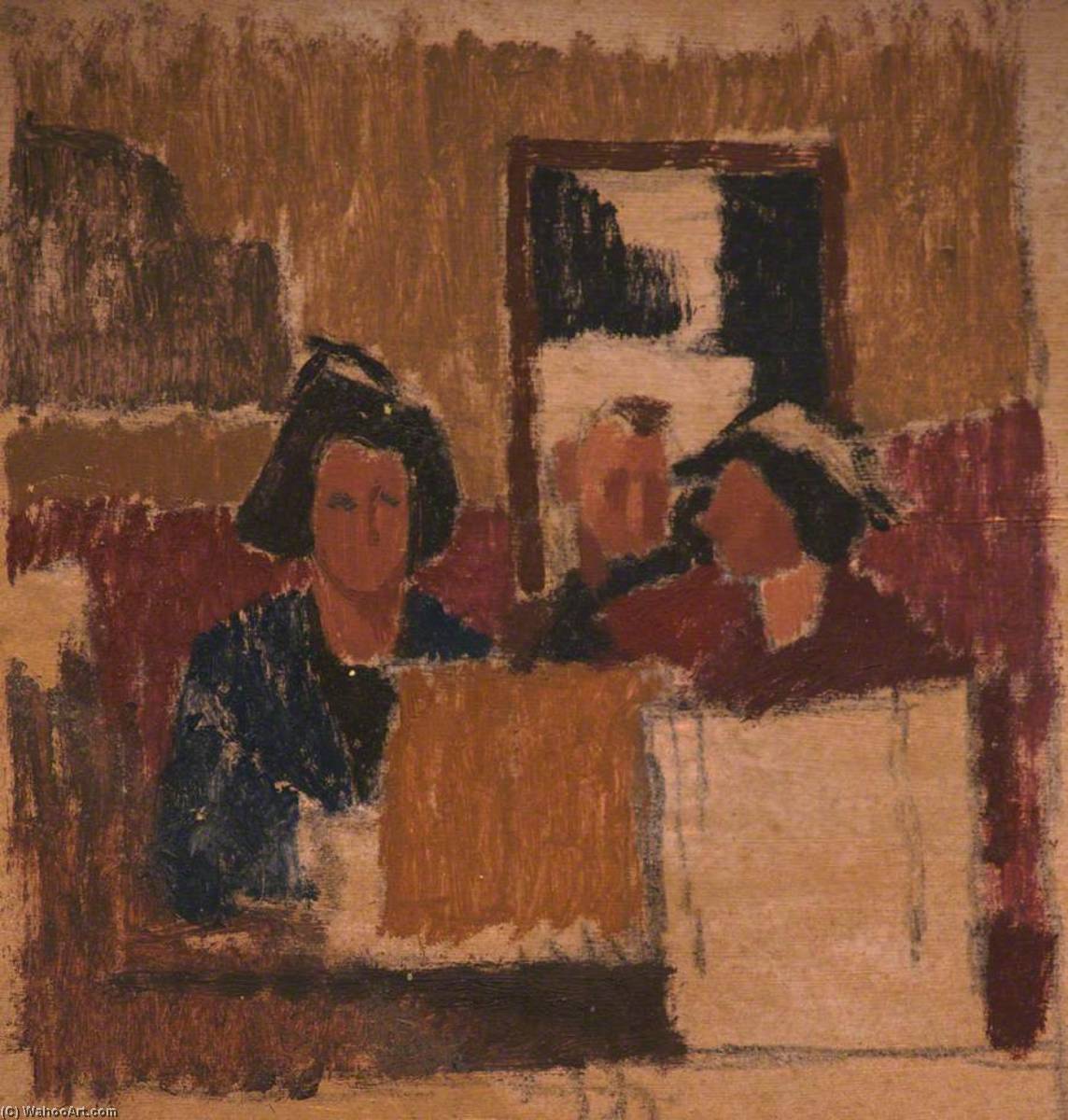
Three Figures in a Room
 1935
1935 26.0 x 25.0 cm
 Читать далее
Приобретите цифровое изображение высокого разрешения в улучшенном качестве, которое значительно превосходит онлайн-превью.
Каждый файл тщательно подготавливается нашими специалистами с использованием передовых инструментов и экспертной ручной ретуши. Мы гарантируем исключительную четкость, точную цветопередачу и детальную проработку каждого изображения.
Финальный файл доставляется по электронной почте в течение 72 часов и оптимизирован для немедленного использования в профессиональной среде, при верстке и печати. Это тот же уровень качества, которому доверяют ведущие дизайнерские студии, издательства и галереи.
Цифровое изображение
Скачайте файл высокого разрешения для личного использования, печати и творческих проектов. ( Перейти к печати Купить картину ручной работы)
Включено в каждый заказ цифровых изображений
Гарантия экспертной цифровой доставки
Выбирая ArtsDot.com, вы получаете не просто изображение — вы приобретаете профессионально обработанное цифровое произведение искусства, созданное с безупречной точностью и под защитой гарантии качества. Вот всё, что автоматически входит в ваш заказ:

Мгновенная доставка по e-mail
Ваш цифровой файл в высоком разрешении будет отправлен вам по электронной почте в течение 72 часов после оформления заказа — и сразу станет доступен для использования.

Цифровой файл с ИИ-улучшением
Ваше произведение искусства проходит профессиональную оптимизацию с использованием передовых инструментов ИИ и ручной обработки, что гарантирует максимальную детализацию, четкость и точность цветопередачи.

Бессрочная бесплатная повторная доставка
Случайно удалили или потеряли файл? Не беспокойтесь — мы отправим его вам повторно в любое время и совершенно бесплатно.

Без импортных пошлин — навсегда
Наслаждайтесь вашим произведением искусства мгновенно без таможенных пошлин, сборов или затрат на доставку — цифровые загрузки всегда не облагаются налогом.

Гарантия точности цветопередачи
Мы гарантируем, что ваше цифровое изображение максимально точно передает оригинальные цвета благодаря использованию профессиональных инструментов и систем управления цветом.

Гарантия удовлетворенности 100 дней
Если вы не будете удовлетворены своим цифровым изображением, мы внесем правки или вернем 100% стоимости в течение 100 дней — без лишних вопросов.

100% Гарантия возврата средств
Не удовлетворены покупкой? Получите полный возврат средств в течение 100 дней после получения цифрового файла — без лишних вопросов.

Скидки на оптовые заказы
Купите 3 изображения, сэкономьте 10% — Купите 5, сэкономьте 15% — Купите 10+, сэкономьте 20%. Отличное решение для творческих проектов, галерей и агентств.
Похожие произведения









Биография художника
The Soul of the Everyday: The Life and Legacy of Edward Morland Lewis
In the tapestry of British art history, few threads possess the quiet, poignant beauty found in the works of Edward Morland Lewis. Born in 1903 in Lichfield, Staffordshire, Lewis emerged as a master of what can be described as Victorian narrative realism—a style that sought to find the extraordinary within the ordinary. Though his life was tragically brief, spanning only until 1943, his ability to freeze moments of domestic tranquility and rural grace left an indelible mark on the landscape of early 20th-century British painting. His journey was one of profound connection to the tangible world, a pursuit of truth through the meticulous observation of light, texture, and the subtle rhythms of human existence.
The foundations of Lewis’s artistic vision were laid in an environment rich with creative heritage. Born Kathleen Margaret Godfrey-Faussett-Osborne, the artist adopted the pseudonym “Kit” Lewis, a move that signaled a deep-seated desire for professional autonomy and a departure from the weight of familial expectations. His lineage was steeped in the arts; his mother, Mary Ward, was the sister of the celebrated animal painter James Ward, providing a domestic atmosphere where fine art was not merely a hobby but a way of seeing. This early exposure to high-caliber craftsmanship, combined with the financial stability provided by his father, Henry Bryan Godfrey Godfrey-Faussett-Osborne, allowed Lewis to undergo rigorous formal training at the Chelsea College of Art. Under the mentorship of the modernist Graham Sutherland, Lewis learned to balance the burgeoning experimentalism of the era with a steadfast commitment to traditional, observational techniques.
A Vision Rooted in Reality and Connection
As his style matured, Lewis developed a unique sensitivity that set him apart from the more radical abstractionists of his time. While many of his contemporaries were moving toward the fragmented perspectives of Cubism or the fleeting impressions of light, Lewis remained anchored in the realist tradition. He found profound inspiration in the quiet dignity of everyday life, finding beauty in the subtle nuances of interior spaces and the evocative, rolling landscapes of the British countryside. His work often functioned as a window into a vanishing world, capturing the textures of stone, the softness of wildflowers, and the atmospheric weight of a coastal afternoon.
This dedication to realism was deeply personal, often reinforced by his marriage to Edward Williams, a fellow artist who shared his passion for documenting the essence of life. Together, their artistic lives were intertwined by a mutual devotion to themes of domesticity and labor. Lewis’s paintings, such as his evocative Village Scene or the tranquil Welsh Landscape, are characterized by an almost uncanny ability to capture the spirit of a specific place. He did not merely paint scenery; he painted the atmosphere of existence itself. His brushwork, while possessing a certain impressionistic lightness in works like Village Scene with Gate, Ferryside, never sacrificed the structural integrity and accuracy that defined his realist principles.
A Tragic End and Lasting Significance
The trajectory of Lewis’s career was one of rising promise, yet it was ultimately met with a profound historical tragedy. As the shadows of World War II descended upon Europe, Lewis transitioned from a painter of quiet interiors to a war artist. Serving in North Africa, he brought his keen observational eye to the documentation of conflict, a role that would eventually claim his life. His death in 1943 robbed the British art community of a talent that was just beginning to find its most profound voice, leaving behind a body of work that serves as both a technical triumph and a nostalgic eulogy for a peaceful era.
Today, the significance of Edward Morland Lewis lies in his role as a bridge between the grand narrative traditions of the Victorian era and the more intimate, psychological realism of the modern age. His achievements can be summarized through the enduring qualities of his oeuvre:
- Mastery of Atmosphere: An unparalleled ability to use light and muted tones to evoke peace, solitude, and the passage of time.
- Narrative Depth: The capacity to transform simple street scenes or domestic interiors into profound commentaries on social stability and human presence.
- Technical Precision: A refined skill set that blended the meticulous detail of classical training with a modern, sensitive touch.
- Historical Preservation: His work remains a vital visual record of British rural and urban life during a period of immense transition.
Though often categorized alongside the great realists, Lewis’s work possesses a singular, poetic intimacy. He remains a painter for those who find beauty in the understated—a chronicler of the small, beautiful moments that constitute the true fabric of human history.
edward morland lewis
1903 - 1943
Основные сведения
- Artistic Movement Or Style: Victorian Narrative Realism
- Artists Or Movements Influenced By This Artist: ['Burne-Jones']
- Artists Who Influenced This Artist: ['Graham Sutherland']
- Date Of Death: 1943
- Full Name: Edward Morland Lewis
- Nationality: British
- Notable Artworks:
- Man in an Armchair
- Working Man's Bedroom
- The Beach and Estuary with Boats