


 Предпросмотр
 Поделиться
 Поделиться
 Детали произведения

 Скачать
 Похожие работы
 Рентгенография
 Слайд-шоу
 Статистика
George Douglas Campbell (1823–1900), 8th Duke of Argyll
 1895
1895 77.0 x 64.0 cm
 Читать далее
Приобретите цифровое изображение высокого разрешения в улучшенном качестве, которое значительно превосходит онлайн-превью.
Каждый файл тщательно подготавливается нашими специалистами с использованием передовых инструментов и экспертной ручной ретуши. Мы гарантируем исключительную четкость, точную цветопередачу и детальную проработку каждого изображения.
Финальный файл доставляется по электронной почте в течение 72 часов и оптимизирован для немедленного использования в профессиональной среде, при верстке и печати. Это тот же уровень качества, которому доверяют ведущие дизайнерские студии, издательства и галереи.
Цифровое изображение
Скачайте файл высокого разрешения для личного использования, печати и творческих проектов. ( Перейти к печати Купить картину ручной работы)
Включено в каждый заказ цифровых изображений
Гарантия экспертной цифровой доставки
Выбирая ArtsDot.com, вы получаете не просто изображение — вы приобретаете профессионально обработанное цифровое произведение искусства, созданное с безупречной точностью и под защитой гарантии качества. Вот всё, что автоматически входит в ваш заказ:

Мгновенная доставка по e-mail
Ваш цифровой файл в высоком разрешении будет отправлен вам по электронной почте в течение 72 часов после оформления заказа — и сразу станет доступен для использования.

Цифровой файл с ИИ-улучшением
Ваше произведение искусства проходит профессиональную оптимизацию с использованием передовых инструментов ИИ и ручной обработки, что гарантирует максимальную детализацию, четкость и точность цветопередачи.

Бессрочная бесплатная повторная доставка
Случайно удалили или потеряли файл? Не беспокойтесь — мы отправим его вам повторно в любое время и совершенно бесплатно.

Без импортных пошлин — навсегда
Наслаждайтесь вашим произведением искусства мгновенно без таможенных пошлин, сборов или затрат на доставку — цифровые загрузки всегда не облагаются налогом.

Гарантия точности цветопередачи
Мы гарантируем, что ваше цифровое изображение максимально точно передает оригинальные цвета благодаря использованию профессиональных инструментов и систем управления цветом.

Гарантия удовлетворенности 100 дней
Если вы не будете удовлетворены своим цифровым изображением, мы внесем правки или вернем 100% стоимости в течение 100 дней — без лишних вопросов.

100% Гарантия возврата средств
Не удовлетворены покупкой? Получите полный возврат средств в течение 100 дней после получения цифрового файла — без лишних вопросов.

Скидки на оптовые заказы
Купите 3 изображения, сэкономьте 10% — Купите 5, сэкономьте 15% — Купите 10+, сэкономьте 20%. Отличное решение для творческих проектов, галерей и агентств.
Похожие произведения









Биография художника
A Chronicler of an Era: The Life and Art of Edward Travanyon Haynes
Edward Travanyon Haynes (1840-1922) occupies a fascinating, if often overlooked, niche in the pantheon of Victorian portraiture. He wasn’t a flamboyant innovator like Sargent or Whistler, nor did he strive for the Pre-Raphaelite brotherhood's romantic intensity. Instead, Haynes carved his reputation as a meticulous and highly skilled recorder of British society at its zenith – a chronicler of power, intellect, and aristocratic bearing. Born into a world rapidly transforming by industrialization and imperial expansion, Haynes’ art reflects both the stability he sought to capture and the subtle anxieties simmering beneath the polished veneer of Victorian life. While biographical details remain somewhat sparse, his body of work speaks volumes about his dedication to realism, his mastery of technique, and his keen understanding of character. He wasn't painting ideals; he was painting *people*, and in doing so, created a valuable historical record far beyond mere likenesses.Early Training and the Pursuit of Realism
The specifics of Haynes’ early artistic training are not extensively documented, but it is believed he received formal instruction at a leading art school – likely in London. The prevailing aesthetic climate during his formative years emphasized academic realism, a style that prioritized accurate representation and technical proficiency above all else. This influence is profoundly evident in his work. Unlike many of his contemporaries who experimented with looser brushwork or subjective interpretations, Haynes embraced detail with unwavering commitment. He meticulously rendered fabrics, textures, and the subtle nuances of facial expression. His early works demonstrate a clear fascination with light and shadow, skillfully employed to sculpt form and create a sense of depth. This dedication wasn’t simply about technical prowess; it was about capturing the essence of his sitters – their status, intelligence, and inner lives. He understood that in portraiture, every detail mattered, contributing to the overall narrative conveyed by the image.Portraits of Power: Haynes' Rise to Prominence
Haynes’ career truly blossomed with his commissions from prominent political figures and members of the British aristocracy. He became particularly known for his portraits of William Ewart Gladstone, the four-time Prime Minister, producing a series of images that captured Gladstone at various stages of his illustrious career. These weren't merely official state portraits; Haynes imbued them with a sense of intellectual gravitas and moral authority. Beyond Gladstone, he painted numerous members of the Windsor family, solidifying his position as a favored portraitist within royal circles. His ability to convey both power and personality attracted a steady stream of wealthy patrons eager to immortalize their likenesses. His portraits weren’t simply about displaying wealth or status; they were statements of identity and belonging. The meticulous detail in the clothing, furnishings, and backgrounds served as visual cues to the sitter's social standing and cultural affiliations.Technique and Style: A Master of Victorian Convention
Haynes’ technical approach was rooted in traditional oil painting techniques. He built up layers of paint with careful precision, employing a glazing method to achieve rich colors and subtle tonal variations. His brushwork is generally smooth and refined, avoiding overt displays of virtuosity. He prioritized clarity and accuracy over expressive flourishes. The compositions are typically straightforward and conventional, often featuring the sitter posed against a neutral background or within an elegant interior setting. However, within these constraints, Haynes demonstrated a remarkable ability to capture individual character. He paid close attention to the eyes – considered the windows to the soul – and skillfully rendered the subtle expressions that revealed his sitters’ inner thoughts and emotions. His use of light is particularly noteworthy, often employing dramatic chiaroscuro effects to highlight key features and create a sense of psychological depth.Legacy and Historical Significance
While Haynes may not be as widely celebrated as some of his more avant-garde contemporaries, his contribution to Victorian art history is significant. His portraits offer invaluable insights into the lives and personalities of Britain’s ruling elite during a period of profound social and political change.- His work provides a visual record of fashion, interior design, and material culture.
- He captured the likenesses of key historical figures, preserving their images for posterity.
- His dedication to realism reflects the Victorian emphasis on accuracy and detail.
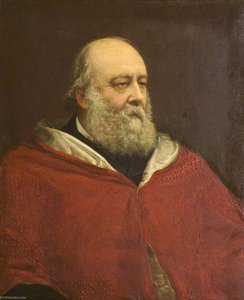
edward travanyon haynes
1840 - 1922
Основные сведения
- Artistic Movement Or Style: Victorian Portraiture
- Artists Or Movements Influenced By This Artist: ['Burne-Jones']
- Artists Who Influenced This Artist: ['Anthony van Dyck']
- Date Of Birth: 1840
- Date Of Death: 1922
- Full Name: Edward Travanyon Haynes
- Nationality: British
- Notable Artworks:
- Gladstone Painting
- Windsor Portrait
- Place Of Birth: Stourbridge, UK