 Предпросмотр
 Поделиться
 Поделиться
 Детали произведения

 Скачать
 Похожие работы
 Рентгенография
 Слайд-шоу
 Статистика
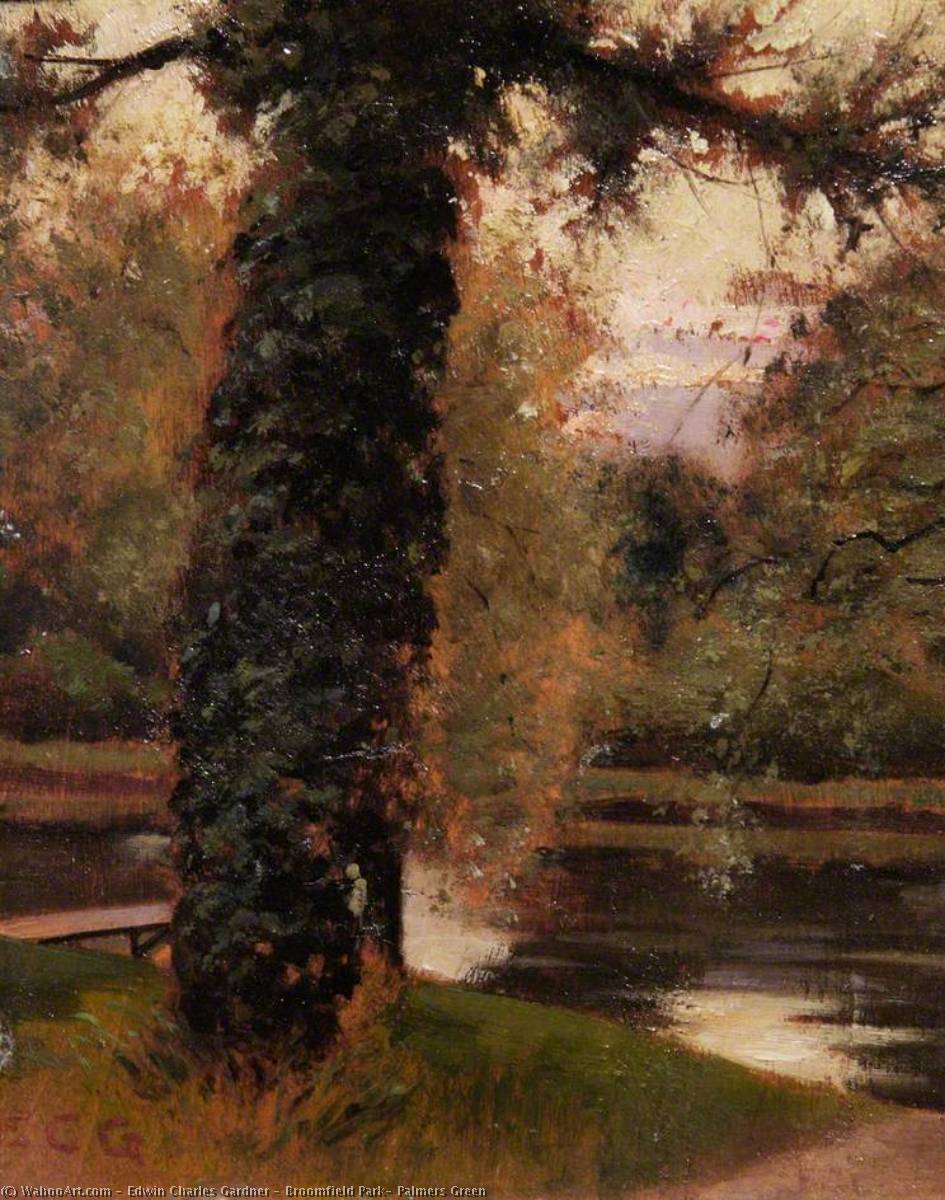
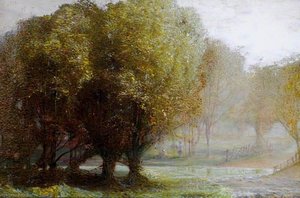
Broomfield Park, Palmers Green
 Impressionism
 1903
1903 12.0 x 10.0 cm
 Enfield Museum Service
 Читать далее
Приобретите цифровое изображение высокого разрешения в улучшенном качестве, которое значительно превосходит онлайн-превью.
Каждый файл тщательно подготавливается нашими специалистами с использованием передовых инструментов и экспертной ручной ретуши. Мы гарантируем исключительную четкость, точную цветопередачу и детальную проработку каждого изображения.
Финальный файл доставляется по электронной почте в течение 72 часов и оптимизирован для немедленного использования в профессиональной среде, при верстке и печати. Это тот же уровень качества, которому доверяют ведущие дизайнерские студии, издательства и галереи.
Цифровое изображение
Скачайте файл высокого разрешения для личного использования, печати и творческих проектов. ( Перейти к печати Купить картину ручной работы)
Включено в каждый заказ цифровых изображений
Гарантия экспертной цифровой доставки
Выбирая ArtsDot.com, вы получаете не просто изображение — вы приобретаете профессионально обработанное цифровое произведение искусства, созданное с безупречной точностью и под защитой гарантии качества. Вот всё, что автоматически входит в ваш заказ:

Мгновенная доставка по e-mail
Ваш цифровой файл в высоком разрешении будет отправлен вам по электронной почте в течение 72 часов после оформления заказа — и сразу станет доступен для использования.

Цифровой файл с ИИ-улучшением
Ваше произведение искусства проходит профессиональную оптимизацию с использованием передовых инструментов ИИ и ручной обработки, что гарантирует максимальную детализацию, четкость и точность цветопередачи.

Бессрочная бесплатная повторная доставка
Случайно удалили или потеряли файл? Не беспокойтесь — мы отправим его вам повторно в любое время и совершенно бесплатно.

Без импортных пошлин — навсегда
Наслаждайтесь вашим произведением искусства мгновенно без таможенных пошлин, сборов или затрат на доставку — цифровые загрузки всегда не облагаются налогом.

Гарантия точности цветопередачи
Мы гарантируем, что ваше цифровое изображение максимально точно передает оригинальные цвета благодаря использованию профессиональных инструментов и систем управления цветом.

Гарантия удовлетворенности 100 дней
Если вы не будете удовлетворены своим цифровым изображением, мы внесем правки или вернем 100% стоимости в течение 100 дней — без лишних вопросов.

100% Гарантия возврата средств
Не удовлетворены покупкой? Получите полный возврат средств в течение 100 дней после получения цифрового файла — без лишних вопросов.

Скидки на оптовые заказы
Купите 3 изображения, сэкономьте 10% — Купите 5, сэкономьте 15% — Купите 10+, сэкономьте 20%. Отличное решение для творческих проектов, галерей и агентств.
Похожие произведения


Биография художника
A Quiet Observer of the American Landscape: Edwin Charles Gardner
Edwin Charles Gardner, a name perhaps less heralded than his contemporaries in the Hudson River School tradition, nevertheless occupies a significant place in the pantheon of American landscape painters. Born in 1831, Gardner’s life unfolded during a period of immense change and artistic ferment in the United States. While biographical details remain somewhat sparse, the enduring quality of his work speaks volumes about his dedication to capturing the subtle beauty of the natural world. He wasn't driven by dramatic spectacle or grandiose pronouncements; instead, Gardner found solace and inspiration in the quiet corners of rural life, particularly within the landscapes surrounding Broomfield Park, New Jersey. His paintings are not statements of conquest over nature, but rather intimate conversations with it—a gentle reverence for its enduring power and delicate details.Early Influences and Artistic Development
Gardner’s artistic journey began in an era deeply influenced by the Barbizon School of France and, more directly, the Hudson River School painters like Thomas Cole, Frederic Church, and Asher B. Durand. These artists championed a distinctly American style of landscape painting, emphasizing realism, atmospheric effects, and a sense of national identity rooted in the unspoiled wilderness. While specific details regarding Gardner’s formal training are limited, it is evident that he absorbed these influences, developing a technique characterized by meticulous brushwork and a keen eye for light and shadow. He eschewed the more theatrical compositions favored by some of his peers, opting instead for scenes of understated elegance and harmonious balance. His early works demonstrate a commitment to accurate representation, but also hint at a growing sensitivity to mood and atmosphere—qualities that would become hallmarks of his mature style.Broomfield Park: A Muse and a Masterpiece
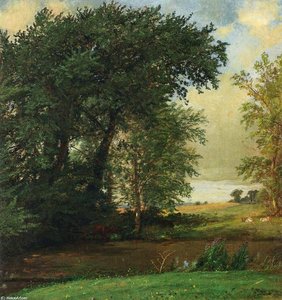
The landscapes surrounding Broomfield Park in Essex County, New Jersey, became the central focus of Gardner’s artistic output. He didn't travel extensively seeking exotic vistas; instead, he immersed himself in the familiar beauty of his local surroundings. This dedication to a specific locale allowed him to develop an unparalleled understanding of its nuances—the changing seasons, the quality of light at different times of day, and the subtle variations in vegetation. His paintings of Broomfield Park are not merely depictions of a place; they are expressions of a deep emotional connection to it. “The Old Mill at Broomfield Park” (1903), for example, exemplifies his ability to imbue an ordinary scene with a sense of timeless tranquility. The composition is carefully balanced, the light softly diffused, and the details rendered with exquisite precision. It’s a painting that invites contemplation—a quiet moment of communion with nature.Technique and Style: A Legacy of Detail
Gardner's technique reflects his dedication to realism and atmospheric effects. He employed a layering approach, building up the composition gradually through thin washes of color and meticulous brushwork. His palette is typically subdued, favoring earth tones, greens, and blues—colors that evoke a sense of harmony and naturalism. He was particularly adept at capturing the play of light on water and foliage, creating a luminous quality that distinguishes his work. Unlike some of his contemporaries who emphasized dramatic skies or imposing mountains, Gardner focused on the smaller details—the texture of bark, the delicate patterns of leaves, the subtle reflections in a stream. This attention to detail is not merely an exercise in technical skill; it’s a reflection of his deep respect for the natural world and his desire to capture its beauty in all its complexity.Historical Significance and Enduring Appeal
While Gardner may not be as widely recognized as some of the more prominent figures of the Hudson River School, his work holds an important place in American art history. He represents a quieter, more introspective strand within the movement—a commitment to capturing the subtle beauty of everyday landscapes. His paintings offer a glimpse into a vanishing way of life, a time when rural America was still largely unspoiled and nature held a central place in people’s lives. Today, Gardner's work continues to resonate with viewers who appreciate his meticulous technique, his harmonious compositions, and his gentle reverence for the natural world.- His paintings provide valuable insights into the landscapes of New Jersey during the late 19th and early 20th centuries.
- Gardner’s dedication to a specific locale—Broomfield Park—demonstrates the power of place in shaping an artist's vision.
- His work serves as a reminder of the importance of preserving natural beauty for future generations.