

 Предпросмотр
 Поделиться
 Поделиться
 Детали произведения

 Скачать
 Похожие работы
 Рентгенография
 Слайд-шоу
 Статистика
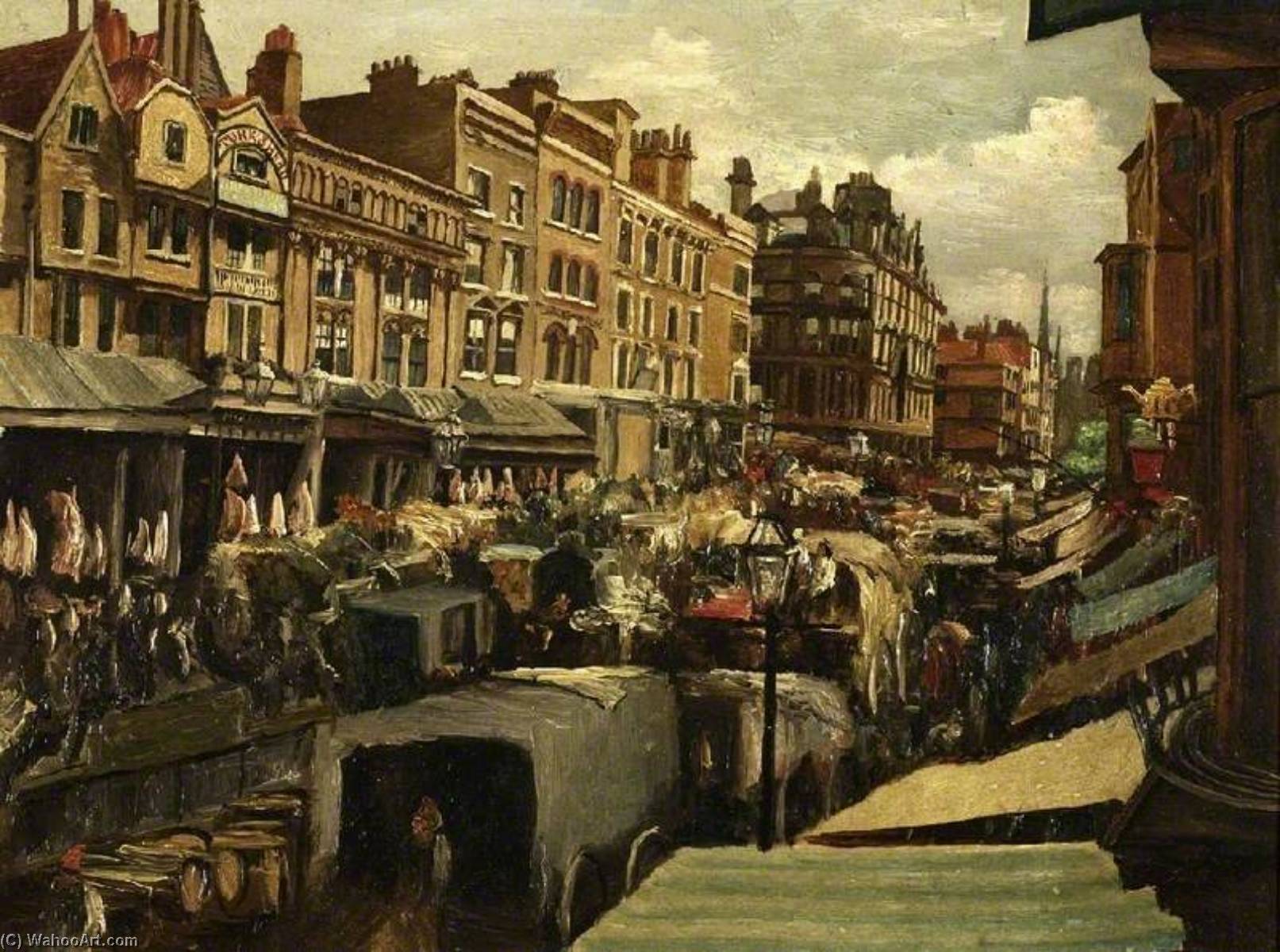
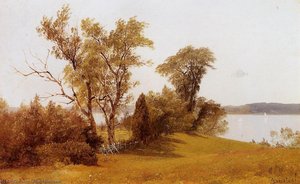
High Street, Whitechapel
 Acrylic On Canvas
- WallArt
- Hudson River School
 1869
1869 25.0 x 33.0 cm
 Фитцвильямский колледж
 Читать далее
Приобретите цифровое изображение высокого разрешения в улучшенном качестве, которое значительно превосходит онлайн-превью.
Каждый файл тщательно подготавливается нашими специалистами с использованием передовых инструментов и экспертной ручной ретуши. Мы гарантируем исключительную четкость, точную цветопередачу и детальную проработку каждого изображения.
Финальный файл доставляется по электронной почте в течение 72 часов и оптимизирован для немедленного использования в профессиональной среде, при верстке и печати. Это тот же уровень качества, которому доверяют ведущие дизайнерские студии, издательства и галереи.
Цифровое изображение
Скачайте файл высокого разрешения для личного использования, печати и творческих проектов. ( Перейти к печати Купить картину ручной работы)
Включено в каждый заказ цифровых изображений
Гарантия экспертной цифровой доставки
Выбирая ArtsDot.com, вы получаете не просто изображение — вы приобретаете профессионально обработанное цифровое произведение искусства, созданное с безупречной точностью и под защитой гарантии качества. Вот всё, что автоматически входит в ваш заказ:

Мгновенная доставка по e-mail
Ваш цифровой файл в высоком разрешении будет отправлен вам по электронной почте в течение 72 часов после оформления заказа — и сразу станет доступен для использования.

Цифровой файл с ИИ-улучшением
Ваше произведение искусства проходит профессиональную оптимизацию с использованием передовых инструментов ИИ и ручной обработки, что гарантирует максимальную детализацию, четкость и точность цветопередачи.

Бессрочная бесплатная повторная доставка
Случайно удалили или потеряли файл? Не беспокойтесь — мы отправим его вам повторно в любое время и совершенно бесплатно.

Без импортных пошлин — навсегда
Наслаждайтесь вашим произведением искусства мгновенно без таможенных пошлин, сборов или затрат на доставку — цифровые загрузки всегда не облагаются налогом.

Гарантия точности цветопередачи
Мы гарантируем, что ваше цифровое изображение максимально точно передает оригинальные цвета благодаря использованию профессиональных инструментов и систем управления цветом.

Гарантия удовлетворенности 100 дней
Если вы не будете удовлетворены своим цифровым изображением, мы внесем правки или вернем 100% стоимости в течение 100 дней — без лишних вопросов.

100% Гарантия возврата средств
Не удовлетворены покупкой? Получите полный возврат средств в течение 100 дней после получения цифрового файла — без лишних вопросов.

Скидки на оптовые заказы
Купите 3 изображения, сэкономьте 10% — Купите 5, сэкономьте 15% — Купите 10+, сэкономьте 20%. Отличное решение для творческих проектов, галерей и агентств.
Edwin Edwards’s “High Street, Whitechapel”: A Window Into Victorian Urban Life
Edwin Edwards’s “High Street, Whitechapel,” painted circa 1869, isn't merely a depiction of a London street; it’s a carefully crafted snapshot of Victorian society grappling with rapid industrialization and social change. Executed in an Impressionistic style—a deliberate departure from the academic conventions of his time—the painting captures not just what the eye sees but also how light and atmosphere contribute to the overall mood.
- Subject Matter: The canvas portrays a bustling thoroughfare, Whitechapel High Street, nestled within Tower Hamlets. Beyond the immediate street scene are glimpses of residential buildings—primarily brick structures—and a prominent church spire dominating the skyline. This composition speaks to the everyday realities of Victorian urban life, reflecting both commerce and faith.
- Style & Technique: Edwards’s Impressionistic approach is characterized by visible brushstrokes that prioritize capturing fleeting moments of light and color rather than precise detail. The muted palette—dominated by earthy tones—creates a sense of solemnity and reinforces the painting's melancholic atmosphere. This technique aligns with the broader aesthetic trends of the Hudson River School, where artists sought to convey the sublime beauty of nature.
- Historical Context: Painted during the reign of Queen Victoria, “High Street, Whitechapel” reflects the anxieties and aspirations of a nation undergoing transformative shifts. The Industrial Revolution was reshaping Britain’s economy and social fabric, prompting artists like Edwards to explore how these changes impacted human experience. Furthermore, the painting's location in Whitechapel—a district known for its poverty and crime—adds another layer of complexity to its narrative.
- Symbolism: The church spire serves as a visual anchor, symbolizing spiritual solace amidst the urban hustle. Its overcast sky reinforces this theme, suggesting contemplation and perhaps hinting at the challenges faced by Victorian society. Edwards’s deliberate use of color contributes to the painting's emotional impact—the subdued hues evoke feelings of quietude and introspection.
- Emotional Impact: “High Street, Whitechapel” succeeds in transporting viewers back to 1869, capturing not just a visual record but also an intangible sense of place. The artist’s masterful rendering of light and texture invites contemplation on the passage of time and the enduring beauty found within ordinary scenes.
The painting's quiet grandeur—a testament to Edwards’s skill in conveying atmosphere—continues to resonate with audiences today, offering a poignant glimpse into Victorian England and its artistic sensibilities. It stands as an exemplary piece of Hudson River School art, prioritizing emotional resonance over photographic accuracy.
Похожие произведения

Биография художника
Sanford Robinson Gifford: A Master of Light and the Hudson
Sanford Robinson Gifford (1823–1880) stands as a pivotal figure in American art, often considered the second-generation leader of the Hudson River School. Born in Greenfield, Saratoga County, New York, on May 5th, 1823, into a family deeply rooted in the region’s industrial and financial landscape – his father was an iron foundry owner and banker – Gifford's artistic journey began not with formal training but with a profound connection to the natural world. His early life, marked by movement between Greenfield and Hudson, fostered a lifelong fascination with the dramatic light and atmospheric shifts of the Catskill Mountains and the Hudson Valley, landscapes that would become the very essence of his art. Unlike many of his contemporaries who sought artistic refinement in Europe, Gifford’s education was largely self-directed, fueled by an intense admiration for the pioneering landscape painters of the first generation, particularly Thomas Cole and Asher B. Durand. Gifford's artistic development was significantly shaped by a formative trip to Europe in 1855–57. Inspired by the revolutionary techniques of J.M.W. Turner, he spent time studying in Düsseldorf, Germany, immersing himself in the Romantic tradition’s emphasis on capturing fleeting moments and atmospheric effects. This experience profoundly altered his approach, moving him away from detailed realism towards a looser, more expressive style characterized by luminous color, diffused light, and an almost palpable sense of atmosphere. He wasn't merely depicting scenes; he was conveying *feeling* – the quiet majesty of a winter morning, the vibrant energy of a summer afternoon, the solemn beauty of a twilight landscape. His time in Rome further honed his skills, allowing him to master techniques of color mixing and brushwork that would become hallmarks of his distinctive style.A Distinctive Style: Light, Atmosphere, and the Catskills
Gifford’s artistic signature lies in his masterful manipulation of light and atmosphere. He wasn't interested in precise topographical accuracy; instead, he sought to capture the *impression* of a place – its mood, its energy, its inherent beauty. His paintings are often bathed in a soft, diffused glow, achieved through layers of translucent color and delicate brushstrokes. He frequently depicted scenes from the Catskill Mountains, particularly the Gorge at Hunter, but his subjects extended beyond this iconic locale to include views of the Hudson River, forests, and glimpses of rural life. Gifford’s compositions are typically balanced and harmonious, reflecting a deep appreciation for the inherent order and beauty of nature. He avoided dramatic contrasts or violent gestures, preferring instead to create a sense of quiet contemplation and serene observation. His work is frequently described as “atmospheric,” a term that perfectly encapsulates his ability to evoke a specific mood and feeling through color, light, and texture.Influences and Artistic Connections
Gifford’s artistic lineage extends beyond the Hudson River School's founding figures. He was deeply influenced by the work of earlier landscape painters like Henry Raeburn, whose portraits captured a sense of character and personality through skillful use of light and shadow. Furthermore, he maintained close relationships with other prominent artists of his time, including Edward Moran, William Stanley Hazeltine, and William Trost Richards. He served as a mentor to several younger artists, imparting his knowledge of color theory, brushwork techniques, and the importance of capturing atmospheric effects. His dedication to teaching and fostering artistic talent further solidified his position within the American art community.Legacy and Historical Significance
Sanford Robinson Gifford’s contribution to American landscape painting is undeniable. He helped establish a distinctly American style within the Hudson River School, moving beyond mere imitation of European masters to develop a unique voice rooted in the beauty and character of his native land. His paintings are celebrated for their luminous color, atmospheric effects, and evocative sense of place. Gifford’s work continues to resonate with viewers today, offering a glimpse into a bygone era and reminding us of the enduring power of nature to inspire awe and wonder. His legacy is preserved through numerous works in public collections, including those at the Metropolitan Museum of Art, the Smithsonian American Art Museum, and the National Gallery of Art, ensuring that his art will continue to be appreciated for generations to come. His paintings are not just representations of landscapes; they are windows into a specific time and place, imbued with the spirit of the Hudson Valley and the artistic vision of one remarkable artist.
edwin edwards
1823 - 1879
Основные сведения
- Artistic Movement Or Style: Genre/Figurative Art
- Artists Or Movements Influenced By This Artist: ['Birmingham School of Art']
- Artists Who Influenced This Artist: ['William Oliver (1804–1853)']
- Date Of Birth: 1823
- Date Of Death: 1901
- Full Name: William Oliver Williams
- Nationality: English
- Notable Artworks: ['Young Women Series']
- Place Of Birth: Worcester, England