

 Предпросмотр
 Поделиться
 Поделиться
 Детали произведения

 Скачать
 Похожие работы
 Рентгенография
 Слайд-шоу
 Статистика
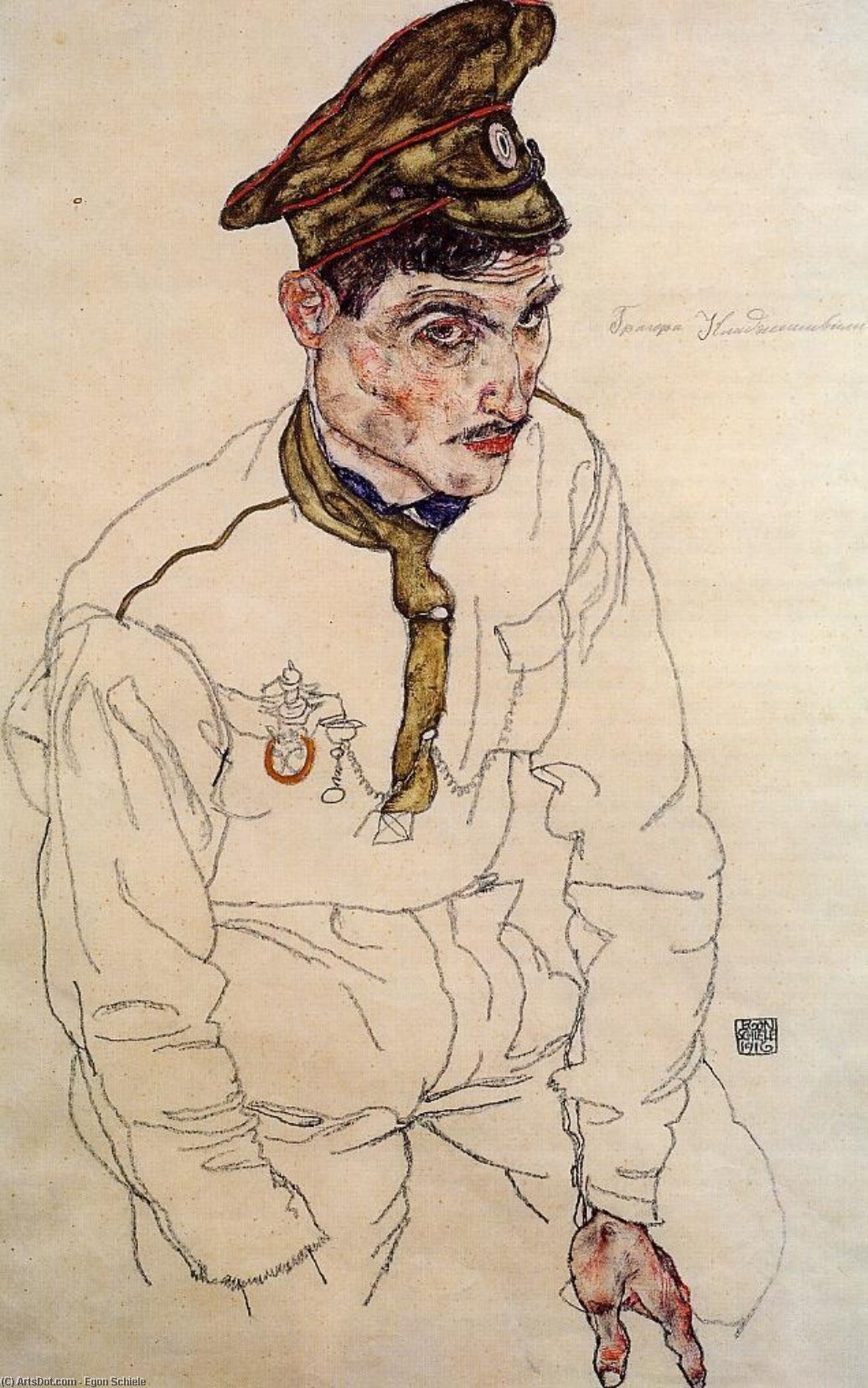
Russian Prisoner of War (Grigori Kladjishuli)


 Читать далее
Приобретите цифровое изображение высокого разрешения в улучшенном качестве, которое значительно превосходит онлайн-превью.
Каждый файл тщательно подготавливается нашими специалистами с использованием передовых инструментов и экспертной ручной ретуши. Мы гарантируем исключительную четкость, точную цветопередачу и детальную проработку каждого изображения.
Финальный файл доставляется по электронной почте в течение 72 часов и оптимизирован для немедленного использования в профессиональной среде, при верстке и печати. Это тот же уровень качества, которому доверяют ведущие дизайнерские студии, издательства и галереи.
Цифровое изображение
Скачайте файл высокого разрешения для личного использования, печати и творческих проектов. ( Перейти к печати Купить картину ручной работы)
Включено в каждый заказ цифровых изображений
Гарантия экспертной цифровой доставки
Выбирая ArtsDot.com, вы получаете не просто изображение — вы приобретаете профессионально обработанное цифровое произведение искусства, созданное с безупречной точностью и под защитой гарантии качества. Вот всё, что автоматически входит в ваш заказ:

Мгновенная доставка по e-mail
Ваш цифровой файл в высоком разрешении будет отправлен вам по электронной почте в течение 72 часов после оформления заказа — и сразу станет доступен для использования.

Цифровой файл с ИИ-улучшением
Ваше произведение искусства проходит профессиональную оптимизацию с использованием передовых инструментов ИИ и ручной обработки, что гарантирует максимальную детализацию, четкость и точность цветопередачи.

Бессрочная бесплатная повторная доставка
Случайно удалили или потеряли файл? Не беспокойтесь — мы отправим его вам повторно в любое время и совершенно бесплатно.

Без импортных пошлин — навсегда
Наслаждайтесь вашим произведением искусства мгновенно без таможенных пошлин, сборов или затрат на доставку — цифровые загрузки всегда не облагаются налогом.

Гарантия точности цветопередачи
Мы гарантируем, что ваше цифровое изображение максимально точно передает оригинальные цвета благодаря использованию профессиональных инструментов и систем управления цветом.

Гарантия удовлетворенности 100 дней
Если вы не будете удовлетворены своим цифровым изображением, мы внесем правки или вернем 100% стоимости в течение 100 дней — без лишних вопросов.

100% Гарантия возврата средств
Не удовлетворены покупкой? Получите полный возврат средств в течение 100 дней после получения цифрового файла — без лишних вопросов.

Скидки на оптовые заказы
Купите 3 изображения, сэкономьте 10% — Купите 5, сэкономьте 15% — Купите 10+, сэкономьте 20%. Отличное решение для творческих проектов, галерей и агентств.
The Haunting Beauty of “Russian Prisoner of War” – Egon Schiele’s Expressionist Masterpiece
Egon Schiele's "Russian Prisoner of War (Grigori Kladjishuli)," painted in 1916, is not merely a portrait; it’s a visceral exploration of human suffering, isolation, and the unsettling beauty found within despair. Created during the tumultuous years of World War I, this watercolor on paper work transcends simple representation, plunging the viewer into the psychological landscape of its subject – Grigori Kladjishuli, a man caught between the brutal realities of war and the quiet desperation of his confinement.
Schiele’s signature style—characterized by elongated figures, angular lines, and a deliberate distortion of form—is powerfully evident here. The painting immediately arrests attention with its dramatic use of color; muted reds and browns dominate, hinting at exposure to harsh conditions, perhaps even the lingering effects of illness or hardship. These earthy tones are juxtaposed against the stark white of the paper, amplifying the sense of vulnerability and isolation. The artist’s masterful control of watercolor allows for a remarkable fluidity in the lines, creating an almost palpable texture that mirrors the subject's physical state – weary, worn, yet retaining a stubborn dignity.
A Study in Expressionist Anatomy and Psychological Intensity
Beyond its technical brilliance, “Russian Prisoner of War” is deeply rooted in the principles of Expressionism. Schiele wasn’t interested in capturing a realistic likeness; instead, he sought to convey an emotional truth—the weight of experience, the burden of confinement, and the quiet anguish etched onto Kladjishuli's face. The figure’s posture – slumped slightly, with his head bowed – speaks volumes about his internal state. The hands, rendered in meticulous detail, are particularly compelling; one is partially visible, revealing a network of veins and suggesting both physical endurance and a deep-seated weariness.
Schiele's fascination with mortality, intensified by the early loss of his father and sister, permeates this work. The painting’s unsettling atmosphere—a blend of vulnerability and stoicism—reflects the artist’s own preoccupation with the fragility of life and the inevitability of death. The gaze directed towards the viewer is not one of defiance or anger, but rather a quiet resignation, a silent plea for understanding.
Historical Context and Symbolic Resonance
Painted in 1916, during the height of World War I, “Russian Prisoner of War” offers a poignant glimpse into the human cost of conflict. The image speaks to the widespread displacement and suffering experienced by millions across Europe. The uniform, though suggesting military status, also underscores his subjugation – a symbol of powerlessness in the face of war’s devastation. Interestingly, this work aligns with Schiele's broader exploration of themes related to death, sexuality, and the human condition, often depicted through self-portraits and studies of figures.
Further research reveals that this painting is part of a series depicting Russian prisoners of war, highlighting Schiele’s engagement with contemporary events. The work was created in Vienna, Austria, during a period of significant social and political upheaval. The artist's personal life—marked by illness, loss, and a struggle for artistic recognition— undoubtedly informed the emotional intensity of his art.
Bringing “Russian Prisoner of War” Home: A Reproduction to Cherish
ArtsDot offers meticulously crafted hand-painted reproductions of Egon Schiele’s "Russian Prisoner of War," allowing you to experience the profound beauty and haunting power of this iconic artwork in your own space. Our skilled artists faithfully recreate Schiele's distinctive style, capturing the nuances of color, texture, and emotional depth with exceptional precision. Whether displayed as a statement piece or incorporated into a carefully curated interior design scheme, a ArtsDot reproduction will serve as a timeless reminder of Schiele’s artistic genius and the enduring relevance of his exploration of human experience.
Explore our selection of “Russian Prisoner of War” reproductions today and bring this extraordinary work of art into your world. Click here to view the artwork database.
Похожие произведения
Биография художника
A Life Forged in Expression
Egon Schiele, born in Tulln an der Donau in 1890 – a town nestled amidst the rolling hills and vineyards of Austria – embarked on a life that was both intensely creative and profoundly marked by personal tragedy. His early years were shadowed by illness and loss; his father, Adolf Eugen Schiele, succumbed to syphilis when Egon was just fourteen, a devastating event that would indelibly shape the artist’s perspective and fuel an enduring preoccupation with mortality and the fragility of human existence. Raised initially by his mother and later under the somewhat controlling guardianship of his uncle Leopold Czihaczek, Schiele's childhood lacked the stability often associated with conventional upbringing, yet it fostered within him a remarkable independence of spirit – a characteristic that would become central to his artistic approach. Even as a young boy, he displayed an undeniable fascination with trains—a motif that subtly and repeatedly reappeared in his paintings, symbolizing both movement and perhaps, the relentless passage of time. Alongside this burgeoning interest in trains, Schiele cultivated a talent for drawing, though it was initially met with reservations from his father who viewed artistic pursuits as a distraction from more practical endeavors. The untimely death of his sister Elvira further deepened the emotional landscape of his youth, contributing to a sense of vulnerability and loss that would permeate much of his work. These formative experiences—a confluence of illness, grief, and familial constraints—instilled within Schiele a profound sensitivity and an emotional rawness that became defining features of his artistic expression, driving him to grapple with the fundamental questions of life, death, and the human condition.The Crucible of Vienna: Artistic Development
Schiele’s formal artistic training commenced at the Kunstgewerbeschule (School of Arts and Crafts) in Vienna, but he quickly found himself stifled by its conservative curriculum and adherence to traditional methods. Seeking a more liberating environment, he transferred to the Akademie der bildenden Künste (Academy of Fine Arts), only to discover that even this institution failed to satisfy his artistic aspirations. The rigid academic traditions and restrictive approach left him feeling disillusioned, leading him to abandon formal training altogether in favor of forging his own path—a bold decision that underscored his unwavering conviction in his artistic vision. Crucially, Schiele’s early years were profoundly influenced by the work of Gustav Klimt, a celebrated figure of Viennese Secessionism. He admired Klimt's distinctive decorative style and his exploration of symbolism, even receiving mentorship from the established artist. However, Schiele soon diverged significantly from Klimt’s aesthetic, developing a uniquely personal style characterized by its stark honesty, psychological intensity, and unflinching portrayal of human vulnerability. This divergence was further solidified through his involvement in the *Neues Wiener Kunstgruppe* (New Viennese Art Group), an avant-garde collective that challenged prevailing artistic norms and embraced innovative approaches to artmaking. The group, comprised of artists like Anton Faistauer and Hans Ehrlich, provided a space for Schiele to experiment with new techniques and explore unconventional themes, solidifying his position as a leading figure in the burgeoning modern art scene of Vienna.Raw Emotion and Unflinching Truth
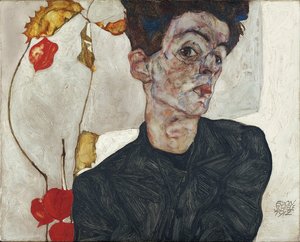
Egon Schiele’s art is immediately recognizable for its raw honesty and psychological depth. He fearlessly confronted subjects often considered taboo – sexuality, death, anxiety, isolation – with an unflinching gaze. His distinctive style features elongated figures, contorted poses, and expressive lines that convey a sense of unease and emotional intensity. The human form, particularly the nude, became his primary subject, not as an object of idealized beauty but as a vehicle for exploring the complexities of human experience. Self-portraits constitute a significant portion of his oeuvre, offering intimate glimpses into his inner world—a world often marked by loneliness and self-doubt. He didn’t shy away from depicting himself in unflattering or vulnerable poses, revealing a profound level of self-awareness and introspection. Beyond self-portraiture, Schiele created numerous portraits of others, capturing their likenesses with an unsettling realism that seemed to penetrate beneath the surface. His landscapes, while less central to his work than his figurative paintings, demonstrate his mastery of form and color, often reflecting the same emotional intensity as his portraits. Recurring motifs like the *Physalis* plant – symbolizing death and transience with its delicate, papery husk – further underscore this preoccupation with mortality. The use of line is particularly striking in Schiele’s work; it's not merely a tool for defining shape but an expressive force that conveys emotion and psychological tension.A Legacy Cut Short: Achievements & Significance
Despite facing censorship and legal challenges—including a brief imprisonment for allegedly corrupting minors with his art—Schiele gained recognition within Vienna’s avant-garde circles. His work challenged the conventions of the time, provoking both admiration and outrage. By the time of his untimely death during the Spanish flu pandemic in 1918 at the age of twenty-eight, he had established himself as a leading figure in Austrian Expressionism. Significant works such as *Self-Portrait with Physalis*, *Couple Embracing*, and *Field Landscape (Kreuzberg near Krumau)* stand as testaments to his artistic genius. His influence on subsequent generations of artists is undeniable, particularly those interested in exploring psychological themes and challenging conventional artistic norms. Schiele’s bold approach to form and subject matter continues to resonate with audiences today, making him one of the most important and influential figures in early 20th-century art. His paintings are now held in major museum collections worldwide, including the Leopold Museum in Vienna and the Egon Schiele Art Centrum in Český Krumlov, ensuring his artistic legacy endures. He left behind a body of work that is not merely aesthetically compelling but profoundly human—a testament to the power of art to confront the complexities of existence with honesty, courage, and unwavering vision.- Key Themes: Mortality, sexuality, isolation, psychological turmoil.
- Influences: Gustav Klimt, Viennese Secession, personal trauma.
- Style Characteristics: Elongated figures, contorted poses, expressive lines, raw emotion.
Шиле
1890 - 1918 , Австрия
Основные сведения
- Artistic Movement Or Style: Экспрессионизм
- Artists Or Movements Influenced By This Artist: ['Экспрессионизм']
- Artists Who Influenced This Artist: ['Густав Климт']
- Date Of Birth: 1890
- Date Of Death: 1918
- Full Name: Egon Leo Adolf Ludwig Schiele
- Nationality: Австриец
- Notable Artworks:
- Автопортрет с физиалисом
- Пара обнимаются
- Полевая панорама (Крُمáу)
- Place Of Birth: Тюльн, Австрия