

 Предпросмотр
 Поделиться
 Поделиться
 Детали произведения

 Скачать
 Похожие работы
 Рентгенография
 Слайд-шоу
 Статистика
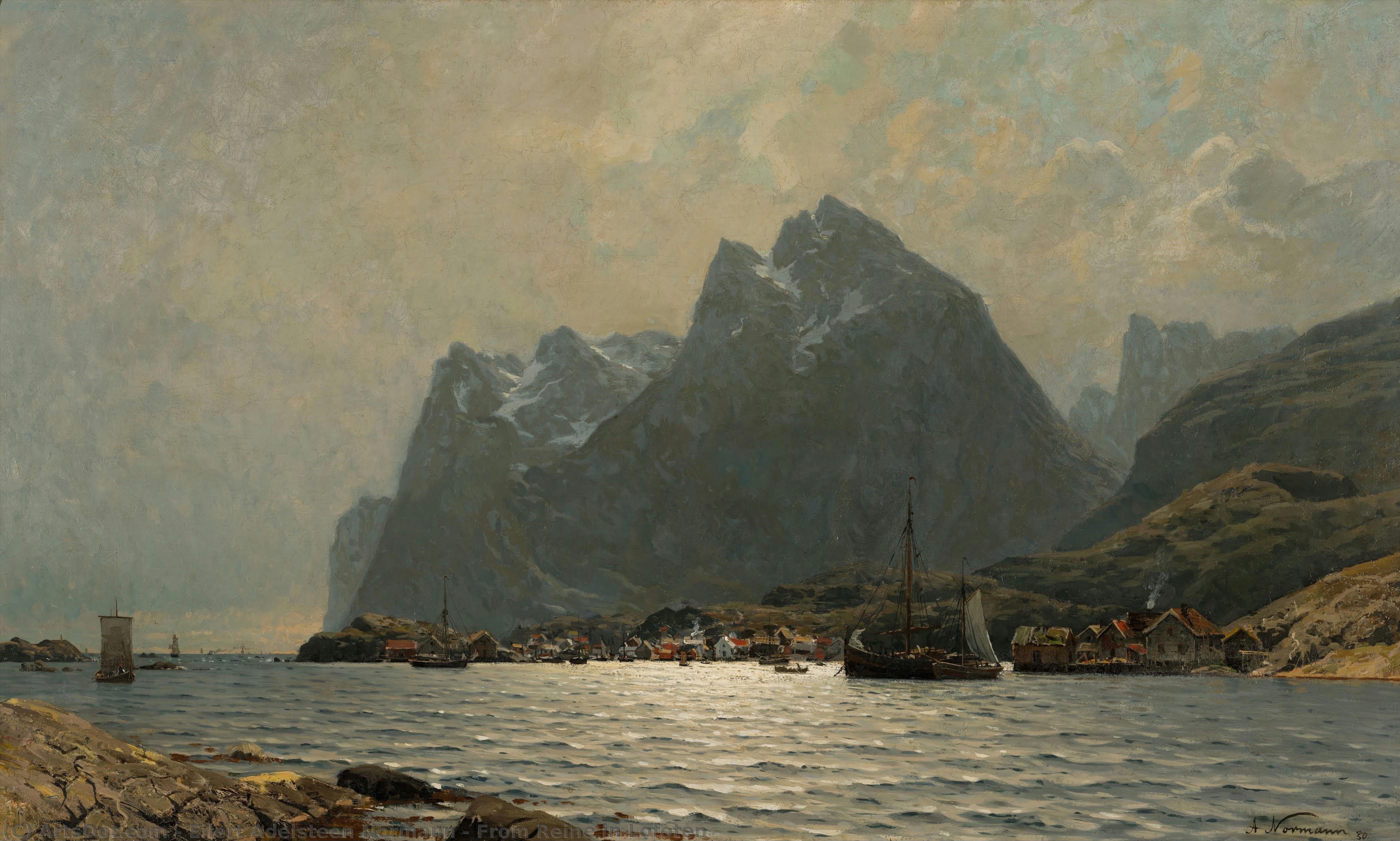
From Reine in Lofoten
 1880
1880 78.0 x 130.0 cm
 Nordnorsk Kunstmuseum
 Читать далее
Приобретите цифровое изображение высокого разрешения в улучшенном качестве, которое значительно превосходит онлайн-превью.
Каждый файл тщательно подготавливается нашими специалистами с использованием передовых инструментов и экспертной ручной ретуши. Мы гарантируем исключительную четкость, точную цветопередачу и детальную проработку каждого изображения.
Финальный файл доставляется по электронной почте в течение 72 часов и оптимизирован для немедленного использования в профессиональной среде, при верстке и печати. Это тот же уровень качества, которому доверяют ведущие дизайнерские студии, издательства и галереи.
Цифровое изображение
Скачайте файл высокого разрешения для личного использования, печати и творческих проектов. ( Перейти к печати Купить картину ручной работы)
Включено в каждый заказ цифровых изображений
Гарантия экспертной цифровой доставки
Выбирая ArtsDot.com, вы получаете не просто изображение — вы приобретаете профессионально обработанное цифровое произведение искусства, созданное с безупречной точностью и под защитой гарантии качества. Вот всё, что автоматически входит в ваш заказ:

Мгновенная доставка по e-mail
Ваш цифровой файл в высоком разрешении будет отправлен вам по электронной почте в течение 72 часов после оформления заказа — и сразу станет доступен для использования.

Цифровой файл с ИИ-улучшением
Ваше произведение искусства проходит профессиональную оптимизацию с использованием передовых инструментов ИИ и ручной обработки, что гарантирует максимальную детализацию, четкость и точность цветопередачи.

Бессрочная бесплатная повторная доставка
Случайно удалили или потеряли файл? Не беспокойтесь — мы отправим его вам повторно в любое время и совершенно бесплатно.

Без импортных пошлин — навсегда
Наслаждайтесь вашим произведением искусства мгновенно без таможенных пошлин, сборов или затрат на доставку — цифровые загрузки всегда не облагаются налогом.

Гарантия точности цветопередачи
Мы гарантируем, что ваше цифровое изображение максимально точно передает оригинальные цвета благодаря использованию профессиональных инструментов и систем управления цветом.

Гарантия удовлетворенности 100 дней
Если вы не будете удовлетворены своим цифровым изображением, мы внесем правки или вернем 100% стоимости в течение 100 дней — без лишних вопросов.

100% Гарантия возврата средств
Не удовлетворены покупкой? Получите полный возврат средств в течение 100 дней после получения цифрового файла — без лишних вопросов.

Скидки на оптовые заказы
Купите 3 изображения, сэкономьте 10% — Купите 5, сэкономьте 15% — Купите 10+, сэкономьте 20%. Отличное решение для творческих проектов, галерей и агентств.
Похожие произведения










Биография художника
Paul Gauguin: A Savage’s Martyrdom for Art
Paul Gauguin, born in 1848 in Paris, was a figure of captivating contradiction – a wolfish wild man and a sensitive martyr for art, as he himself famously declared. His life was a relentless pursuit of the exotic, fueled by a restless spirit inherited from his Peruvian Creole mother and a yearning to escape the perceived constraints of European civilization. From humble beginnings as a stockbroker’s son, Gauguin embarked on a peripatetic journey that took him across continents, ultimately leading him to the South Seas where he would forge an artistic legacy that continues to resonate today. His story is not simply one of an artist; it's a narrative of rebellion, self-invention, and a profound engagement with the primal forces of nature and human emotion.Early Years and Artistic Training
Gauguin’s early life was marked by instability and travel. Descended from Peruvian nobility through his mother’s lineage, he spent his childhood in Lima, Peru, before returning to Paris at a young age. This early exposure to different cultures instilled within him a fascination with the “other,” a theme that would permeate much of his work. He began his artistic training as an unofficial pupil of Camille Pissarro, absorbing the Impressionist’s techniques of capturing light and atmosphere. However, Gauguin quickly outgrew the limitations of Impressionism, seeking a more direct and expressive approach to art. He studied Cézanne intensely, adopting the artist's use of parallel brushstrokes and simplified forms – though he ultimately rejected them in favor of his own distinctive style. Crucially, he purchased several of Cézanne’s paintings, not merely for study but as a means to understand the underlying structure of form and color. This early experimentation laid the groundwork for his later exploration of symbolism and primitive aesthetics.The Search for Paradise: Tahiti and Beyond
In 1891, Gauguin abandoned his Parisian life and sought refuge in Tahiti, a volcanic archipelago in French Polynesia. He envisioned this island paradise as a sanctuary from the corruption and materialism of European society – a place where he could rediscover a lost connection to nature and create art rooted in primal experience. His arrival was met with curiosity and suspicion by the local population, but he quickly established himself as an eccentric figure, immersing himself in their culture and adopting aspects of their customs. Tahiti became the subject of numerous paintings, capturing the vibrant colors, lush vegetation, and captivating faces of its inhabitants. However, his idyllic vision soon shattered as tensions arose with the islanders and personal relationships crumbled. Disillusioned by this experience, he left Tahiti in 1895, embarking on a series of voyages to other remote locations – Brittany, Panama, and Martinique – each seeking a similar “primitive” source of inspiration.Style and Symbolism: A Revolutionary Approach
Gauguin’s artistic style was revolutionary for its time. Rejecting the naturalistic representation favored by many of his contemporaries, he employed bold colors, simplified forms, and emphatic outlines to express emotional states and spiritual visions. He drew inspiration from various sources – Polynesian art, Japanese prints (Ukiyo-e), and the works of Cézanne – blending them into a unique synthesis. His use of color was often non-representational, prioritizing its expressive power over its ability to accurately depict reality. He employed thick impasto, creating textured surfaces that seemed to pulsate with energy. Crucially, Gauguin’s work is deeply symbolic, exploring themes of life, death, love, and spirituality through evocative imagery and carefully chosen motifs. His most famous painting, *Where Do We Come From? Who Are We? Where Are We Going?* (1897-98), exemplifies this approach, presenting a complex allegory of the human condition through a series of interconnected figures.Legacy and Influence
Paul Gauguin died in 1903 at the age of 54, leaving behind a body of work that profoundly impacted the course of modern art. His rejection of academic conventions and his embrace of subjective expression paved the way for movements such as Fauvism and Expressionism. He was also a key figure in the Symbolist movement, inspiring artists to explore the realm of dreams, myths, and subconscious imagery. His influence extends beyond painting, impacting sculpture, ceramics, and printmaking. Even today, Gauguin’s work continues to captivate audiences with its raw emotion, vibrant colors, and enduring exploration of the human spirit. He remains a potent symbol of artistic rebellion, a testament to the power of individual vision, and a reminder that art can be both a reflection of the world and a window into the soul.
eilert adelsteen normann
1848 - 1918 , Norway
Основные сведения
- Artistic Movement Or Style:
- Post-Impressionism
- Symbolism
- Synthetism
- Artists Or Movements Influenced By This Artist:
- Nabis
- Fauvism
- Artists Who Influenced This Artist:
- Cézanne
- van Gogh
- Date Of Birth: June 7, 1848
- Date Of Death: May 8, 1903
- Full Name: Paul Gauguin
- Nationality: French
- Notable Artworks:
- Vision of the Sermon
- Where Do We Come From?
- Iahona and Teha
- Place Of Birth: Paris, France