

 Предпросмотр
 Поделиться
 Поделиться
 Детали произведения

 Скачать
 Похожие работы
 Рентгенография
 Слайд-шоу
 Статистика
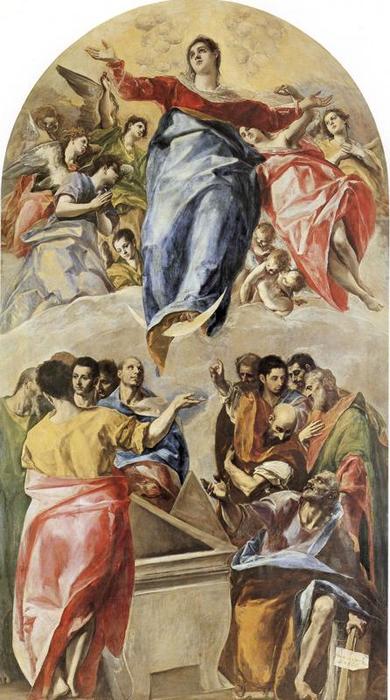
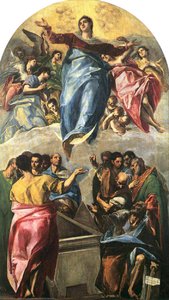
Assumption of the Virgin


 Читать далее
Приобретите цифровое изображение высокого разрешения в улучшенном качестве, которое значительно превосходит онлайн-превью.
Каждый файл тщательно подготавливается нашими специалистами с использованием передовых инструментов и экспертной ручной ретуши. Мы гарантируем исключительную четкость, точную цветопередачу и детальную проработку каждого изображения.
Финальный файл доставляется по электронной почте в течение 72 часов и оптимизирован для немедленного использования в профессиональной среде, при верстке и печати. Это тот же уровень качества, которому доверяют ведущие дизайнерские студии, издательства и галереи.
Цифровое изображение
Скачайте файл высокого разрешения для личного использования, печати и творческих проектов. ( Перейти к печати Купить картину ручной работы)
Включено в каждый заказ цифровых изображений
Гарантия экспертной цифровой доставки
Выбирая ArtsDot.com, вы получаете не просто изображение — вы приобретаете профессионально обработанное цифровое произведение искусства, созданное с безупречной точностью и под защитой гарантии качества. Вот всё, что автоматически входит в ваш заказ:

Мгновенная доставка по e-mail
Ваш цифровой файл в высоком разрешении будет отправлен вам по электронной почте в течение 72 часов после оформления заказа — и сразу станет доступен для использования.

Цифровой файл с ИИ-улучшением
Ваше произведение искусства проходит профессиональную оптимизацию с использованием передовых инструментов ИИ и ручной обработки, что гарантирует максимальную детализацию, четкость и точность цветопередачи.

Бессрочная бесплатная повторная доставка
Случайно удалили или потеряли файл? Не беспокойтесь — мы отправим его вам повторно в любое время и совершенно бесплатно.

Без импортных пошлин — навсегда
Наслаждайтесь вашим произведением искусства мгновенно без таможенных пошлин, сборов или затрат на доставку — цифровые загрузки всегда не облагаются налогом.

Гарантия точности цветопередачи
Мы гарантируем, что ваше цифровое изображение максимально точно передает оригинальные цвета благодаря использованию профессиональных инструментов и систем управления цветом.

Гарантия удовлетворенности 100 дней
Если вы не будете удовлетворены своим цифровым изображением, мы внесем правки или вернем 100% стоимости в течение 100 дней — без лишних вопросов.

100% Гарантия возврата средств
Не удовлетворены покупкой? Получите полный возврат средств в течение 100 дней после получения цифрового файла — без лишних вопросов.

Скидки на оптовые заказы
Купите 3 изображения, сэкономьте 10% — Купите 5, сэкономьте 15% — Купите 10+, сэкономьте 20%. Отличное решение для творческих проектов, галерей и агентств.
Introduction to El Greco and his Artistic Style
El Greco (Doménikos Theotokopoulos) was a Greek painter, sculptor, and architect who lived during the Spanish Renaissance. He is best known for his dramatic and expressionistic style, characterized by elongated figures and vivid colors. El Greco's unique approach to art set him apart from his contemporaries and established him as a precursor of both Expressionism and Cubism.The Assumption of the Virgin: A Masterpiece of Mannerism
The Assumption of the Virgin is one of El Greco's most famous works, painted in 1577 for the central panel of the High Altarpiece of the church of Santo Domingo el Antiguo in Toledo, Spain. This painting marks the beginning of El Greco's career in Spain and is the only work by him bearing a date of execution. The Assumption of the Virgin is an oil on canvas painting that measures 401 x 229 cm. It depicts the Virgin Mary ascending to heaven, surrounded by a crowd of apostles and angels. The composition is divided into two parts: the lower part shows the apostles gathered around the empty tomb of the Virgin, while the upper part shows her being received by God the Father and the Holy Spirit. El Greco's use of light in this painting is particularly noteworthy. He employs a technique called chiaroscuro, which involves the contrast between light and dark to create a sense of depth and volume. The use of light also serves to emphasize the spiritual nature of the scene, with the divine light illuminating the Virgin Mary and her surroundings.Additional Details about the Painting
The Assumption of the Virgin is an excellent example of El Greco's Mannerist style, which is characterized by elongated figures, dramatic gestures, and vivid colors. The painting also reflects El Greco's deep religious faith, as well as his knowledge of theology and biblical symbolism. The painting was commissioned by the Brotherhood of Santo Domingo el Antiguo, a Catholic religious order based in Toledo, Spain. It was intended to be the central panel of the High Altarpiece of their church, which was being renovated at the time. The commission was secured thanks to El Greco's friendship from Rome with Luis, the son of Diego de Castilla, who was a member of the Brotherhood and one of the most influential figures in Toledo at the time. The Assumption of the Virgin is now housed in the Art Institute of Chicago, where it forms part of their permanent collection. The painting has been widely praised for its artistic merit and has been the subject of numerous scholarly studies and exhibitions.Conclusion
The Assumption of the Virgin by El Greco is a masterpiece of Mannerism, characterized by elongated figures, vivid colors, and dramatic gestures. The painting reflects El Greco's deep religious faith and his knowledge of theology and biblical symbolism. It is an excellent example of El Greco's unique approach to art, which set him apart from his contemporaries and established him as a precursor of both Expressionism and Cubism. If you are interested in learning more about El Greco and his art, please visit our website El Greco (Doménikos Theotokopoulos) or browse our collection of handmade oil paintings reproductions, including The Assumption of the Virgin. Note: All informations used in this article are from https://ArtsDot.com and Wikipedia.org.Похожие произведения
Биография художника
Doménikos Theotokópoulos, Known As El Greco – A Pioneer Of Expressionism And Cubism
Doménikos Theotokópoulos, universally recognized as El Greco – “the Greek” – stands apart in the annals of Western art history. Born in Crete, Greece, around 1541, his artistic journey traversed Venice and Rome before finding its definitive expression in the spiritual crucible of Toledo, Spain. He wasn’t merely a product of these locations; he synthesized their diverse influences into an unparalleled style that foreshadowed the emotional fervor of Expressionism and the fragmented forms of Cubism centuries ahead of time. His formative years within the Byzantine tradition instilled in him meticulous attention to detail and a profound understanding of religious iconography – principles that would permeate his entire oeuvre.Early Training And Venetian Influence
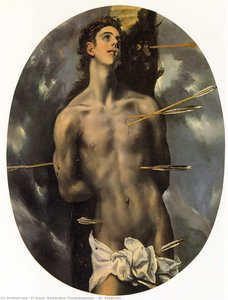
El Greco’s artistic education began in Crete, where he absorbed the stylistic conventions of Byzantium—characterized by serene compositions, stylized figures, and luminous colors. However, his relocation to Venice around 1567 irrevocably altered his trajectory. Immersed in the bustling artistic milieu of the Serenissima Republic, he encountered titans of Venetian painting – Titian, Tintoretto, Veronese – absorbing their mastery of color palettes, compositional strategies, and dramatic lighting techniques. He deliberately loosened his brushwork, embracing the sensual qualities of oil paint and experimenting with dynamic poses that departed from traditional Byzantine conventions. This Venetian influence is palpable in early masterpieces like *St. Sebastian* (1600), where anatomical accuracy harmoniously blends with theatrical illumination—a testament to El Greco’s ability to synthesize disparate artistic traditions.Roman Exposure And Mannerist Style
A subsequent pilgrimage to Rome exposed him to Mannerism, a stylistic movement that prioritized elongated figures, distorted perspectives, and sophisticated compositional arrangements. While he demonstrated considerable talent within the Roman art world – attracting commissions from prominent patrons – El Greco struggled to gain widespread acclaim amidst the competitive landscape of Florentine artistic circles. Despite facing challenges in establishing himself as a celebrated artist during his formative years, his unwavering dedication to experimentation and innovation would ultimately propel him toward his singular artistic vision.Toledo And Spiritual Expression
El Greco’s final artistic home was Toledo, Spain—a city steeped in religious fervor during the Counter-Reformation. This environment fostered both patronage and an atmosphere conducive to exploring themes of spirituality and transcendence. It was here that he achieved his most profound artistic breakthroughs, producing works imbued with a palpable sense of emotional intensity and visionary grandeur. His distinctive style – characterized by elongated figures bathed in ethereal light—became synonymous with the expressive power of Mannerism and foreshadowed the stylistic innovations of Expressionism and Cubism. Consider *The Burial of the Count of Orgaz* (1586-1588), a monumental painting that exemplifies El Greco’s masterful blending of Byzantine tradition and Venetian realism. The depiction of a miraculous event—the descent of saints to bury a nobleman—captures the sublime beauty of religious devotion while simultaneously conveying an overwhelming sense of spiritual awe.Legacy And Recognition
El Greco's artistic legacy extends far beyond his lifetime, resonating powerfully with artists across subsequent eras. His pioneering use of elongated figures and dramatic lighting captivated contemporaries like Picasso and Braque, who recognized him as a precursor to modern art—particularly Cubism—admiring his unconventional perspectives and stylistic boldness. Furthermore, El Greco’s emotive style found kinship with Expressionist painters who sought to convey profound psychological states through vibrant colors and forceful brushstrokes. Today, El Greco is revered as one of the most influential figures in Western art history—a visionary painter whose oeuvre continues to inspire awe and contemplation, securing his place among the titans of artistic innovation and spiritual expression. His paintings remain enduring symbols of faith, emotion, and the boundless capacity of human imagination.
Эль Греко
1541 - 1614 , Греция
Основные сведения
- Artistic Movement Or Style: Маньеризм, Барокко
- Artists Or Movements Influenced By This Artist:
- Экспрессионизм
- Кубизм
- Artists Who Influenced This Artist:
- Тициан
- Тинторетто
- Date Of Birth: 1541 г.
- Date Of Death: 1614 г.
- Full Name: Доминикс Феотокóпулос
- Nationality: Греко-Испанский
- Notable Artworks:
- Положение Графа Оргаза
- Вид Толедо
- Одевание Христа
- Place Of Birth: Крета, Греция