 Предпросмотр
 Поделиться
 Поделиться
 Детали произведения

 Скачать
 Похожие работы
 Рентгенография
 Слайд-шоу
 Статистика
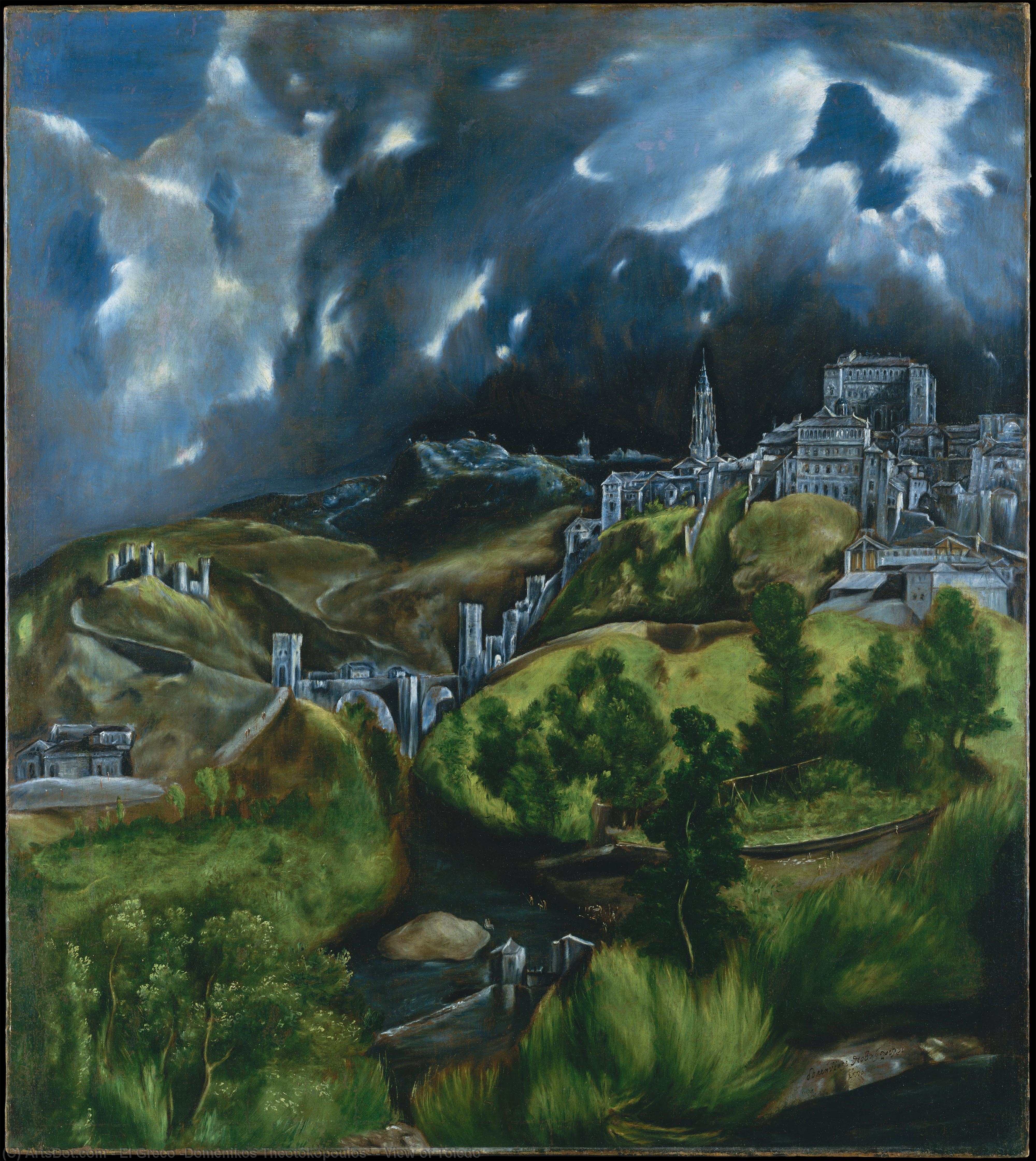
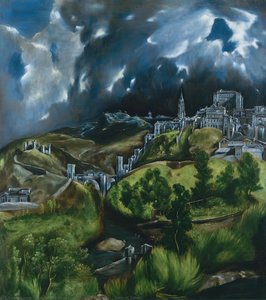
View of Toledo
 Oil On Canvas
- WallArt
- Mannerist Landscape
 1599
1599- Renaissance
 121.0 x 108.0 cm
 Читать далее
Жикле / Арт-принт
Печать (жикле) или холст музейного качества с быстрыми сроками изготовления и широким выбором вариантов отделки. ( Купить картину ручной работы Перейти к цифровым изображениям)




P118B $10

P118H $10

P118W $10

P438Z $10

P508JH $12

P508YH $12

P805H $10

P805Z $10

P919BZ $10

P919G $10

P919XJ $10

P959ZH $10

P968JZ $12

W106C $8

W218G $10

W218JH $8

W218Y $10

W307PJ $10

W316G $10

W316PJ $8

W316Y $10

W398PJ $8

W4111J $10

W500HY $15

W500JH $15

W692G $12

W849H $8

W940BG $15

W953PJ $8




Выберите один из наших стандартных размеров, соответствующих оригинальным пропорциям произведения искусства.

Вы можете указать свои собственные размеры, чтобы репродукция идеально подошла под конкретную раму или пространство. Если выбранный вами размер не будет соответствовать пропорциям оригинала, мы либо обрежем произведение, либо дополним изображение зеркальным отражением краев или однотонной заливкой. Перед началом производства вам будет отправлен цифровой макет для утверждения.
Пожалуйста, обратите внимание, что предварительный просмотр на экране не отображает фактическую обрезку или расширение изображения. Только макет точно покажет финальную композицию.
Несмотря на возможность заказа индивидуальных размеров, мы рекомендуем выбирать размер из предопределенного списка, чтобы сохранить оригинальные пропорции.
Доставка по всему миру () за 2 недели вместо стандартных 4/5 недель. (10 Сентябрь)

Бесплатная экспресс-доставка по всему миру

Высококачественный льняной холст

Полное страхование доставки

Гарантия возмещения таможенных пошлин

Гарантия точного соответствия цветов

100-дневная политика возврата (только при обнаружении дефектов)

Гарантия возврата 100% средств

Предложение оптовых скидок
 Вариант со стеклом доступен только для размеров менее 110 см

View of Toledo
Жикле / Арт-принт
Размер репродукции
-


Итоговая стоимость
$ 62
Doménikos Theotokopoulos: A Visionary Bridging Byzantium and Renaissance
El Greco, born Doménikos Theotokópoulos in Crete in 1541, wasn’t merely a painter; he was an artist who fundamentally reshaped Western artistic sensibilities. His journey began in the Orthodox traditions of his homeland, absorbing the solemn grandeur of Byzantine iconography – meticulous detail and spiritual depth were hallmarks of his formative years. Yet, he refused to remain tethered to these roots, embarking on expeditions to Venice and Rome where he encountered the burgeoning Renaissance spirit, skillfully integrating its humanist ideals into his distinctive oeuvre. This synthesis resulted in a style utterly unparalleled, anticipating movements like Expressionism and Cubism centuries ahead of their time—a testament to his visionary genius.- Style: El Greco’s signature style is undeniably Mannerist, characterized by elongated figures, distorted perspectives, and dramatic use of color. He deliberately eschewed naturalistic representation, prioritizing emotional intensity over accurate depiction. This stylistic choice wasn't a rejection of observation but rather an elevation of feeling, aiming to convey spiritual truths beyond the confines of visual realism.
- Technique: Employing oil paint on canvas with remarkable precision and layering techniques—a hallmark of Venetian painting—El Greco achieved luminous effects that seemed to emanate from within his canvases. He meticulously blended pigments, creating textures that captured both solidity and ethereal beauty. His brushstrokes were deliberate and expressive, conveying a palpable sense of movement and dynamism despite the static nature of the subject matter.
“View of Toledo”: A Landscape Steeped in Symbolism
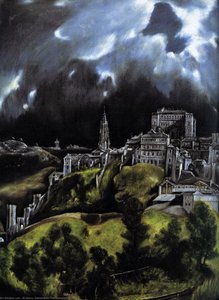
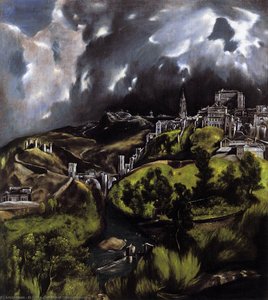
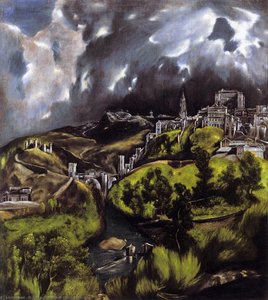
Painted in 1599, “View of Toledo” stands as one of El Greco’s most celebrated landscapes—a genre he rarely pursued with such fervor. Situated at the Museo de El Greco in Toledo, Spain, this monumental canvas (121 x 108 cm) immediately captivates viewers with its brooding atmosphere and masterful composition. The scene depicts a cityscape dominated by a formidable castle, rendered under a turbulent sky ablaze with ominous clouds—a visual metaphor for spiritual struggle and divine judgment.- Composition: El Greco’s compositional choices are deliberate and imbued with symbolic significance. The central figure, positioned prominently amidst the bustling townscape, represents humanity confronting faith and uncertainty. The castle symbolizes authority and resilience, while the swirling sky embodies turbulent emotions and impending doom.
- Color Palette: Dominant hues of ochre, crimson, and indigo contribute to the painting’s dramatic impact. El Greco skillfully manipulated color to heighten emotional resonance, emphasizing contrasts between light and shadow—a technique that underscores the interplay between divine grace and earthly imperfection.
Historical Context & Artistic Legacy
“View of Toledo” emerged during a period of profound religious upheaval in Spain – the Spanish Inquisition gripped the nation with fervor, shaping artistic discourse and influencing creative expression. El Greco’s depiction reflects this climate of anxiety and conviction, capturing a moment frozen in time yet resonating powerfully across centuries. His influence extended far beyond his immediate contemporaries; artists like Rembrandt and Caravaggio acknowledged his pioneering spirit, recognizing him as a precursor to Expressionist sensibilities.Emotional Impact & Reproduction Recommendations
Ultimately, “View of Toledo” transcends mere visual representation—it communicates an enduring message about faith, resilience, and the human condition. Its haunting beauty continues to inspire awe and contemplation. To experience this masterpiece firsthand is impossible for many; however, ArtsDot.com offers exceptional reproductions crafted by skilled artisans who meticulously recreate El Greco’s original vision. Visit /art/list/?Filter=8XXUH4-El-Greco-(Domenikos-Theotokopoulos)-View-of-Toledo to explore our collection and bring the spirit of Toledo into your home!Похожие произведения
Биография художника
Doménikos Theotokópoulos, Known As El Greco – A Pioneer Of Expressionism And Cubism
Doménikos Theotokópoulos, universally recognized as El Greco – “the Greek” – stands apart in the annals of Western art history. Born in Crete, Greece, around 1541, his artistic journey traversed Venice and Rome before finding its definitive expression in the spiritual crucible of Toledo, Spain. He wasn’t merely a product of these locations; he synthesized their diverse influences into an unparalleled style that foreshadowed the emotional fervor of Expressionism and the fragmented forms of Cubism centuries ahead of time. His formative years within the Byzantine tradition instilled in him meticulous attention to detail and a profound understanding of religious iconography – principles that would permeate his entire oeuvre.Early Training And Venetian Influence
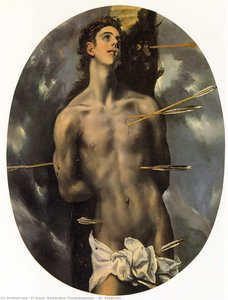
El Greco’s artistic education began in Crete, where he absorbed the stylistic conventions of Byzantium—characterized by serene compositions, stylized figures, and luminous colors. However, his relocation to Venice around 1567 irrevocably altered his trajectory. Immersed in the bustling artistic milieu of the Serenissima Republic, he encountered titans of Venetian painting – Titian, Tintoretto, Veronese – absorbing their mastery of color palettes, compositional strategies, and dramatic lighting techniques. He deliberately loosened his brushwork, embracing the sensual qualities of oil paint and experimenting with dynamic poses that departed from traditional Byzantine conventions. This Venetian influence is palpable in early masterpieces like *St. Sebastian* (1600), where anatomical accuracy harmoniously blends with theatrical illumination—a testament to El Greco’s ability to synthesize disparate artistic traditions.Roman Exposure And Mannerist Style
A subsequent pilgrimage to Rome exposed him to Mannerism, a stylistic movement that prioritized elongated figures, distorted perspectives, and sophisticated compositional arrangements. While he demonstrated considerable talent within the Roman art world – attracting commissions from prominent patrons – El Greco struggled to gain widespread acclaim amidst the competitive landscape of Florentine artistic circles. Despite facing challenges in establishing himself as a celebrated artist during his formative years, his unwavering dedication to experimentation and innovation would ultimately propel him toward his singular artistic vision.Toledo And Spiritual Expression
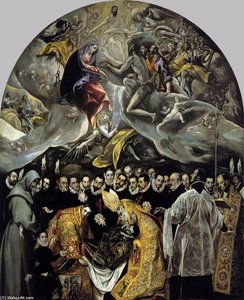
El Greco’s final artistic home was Toledo, Spain—a city steeped in religious fervor during the Counter-Reformation. This environment fostered both patronage and an atmosphere conducive to exploring themes of spirituality and transcendence. It was here that he achieved his most profound artistic breakthroughs, producing works imbued with a palpable sense of emotional intensity and visionary grandeur. His distinctive style – characterized by elongated figures bathed in ethereal light—became synonymous with the expressive power of Mannerism and foreshadowed the stylistic innovations of Expressionism and Cubism. Consider *The Burial of the Count of Orgaz* (1586-1588), a monumental painting that exemplifies El Greco’s masterful blending of Byzantine tradition and Venetian realism. The depiction of a miraculous event—the descent of saints to bury a nobleman—captures the sublime beauty of religious devotion while simultaneously conveying an overwhelming sense of spiritual awe.Legacy And Recognition
El Greco's artistic legacy extends far beyond his lifetime, resonating powerfully with artists across subsequent eras. His pioneering use of elongated figures and dramatic lighting captivated contemporaries like Picasso and Braque, who recognized him as a precursor to modern art—particularly Cubism—admiring his unconventional perspectives and stylistic boldness. Furthermore, El Greco’s emotive style found kinship with Expressionist painters who sought to convey profound psychological states through vibrant colors and forceful brushstrokes. Today, El Greco is revered as one of the most influential figures in Western art history—a visionary painter whose oeuvre continues to inspire awe and contemplation, securing his place among the titans of artistic innovation and spiritual expression. His paintings remain enduring symbols of faith, emotion, and the boundless capacity of human imagination.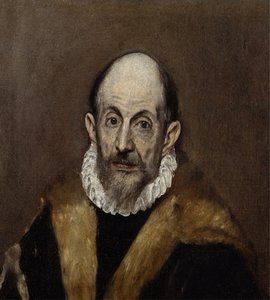
Эль Греко
1541 - 1614 , Греция
Основные сведения
- Artistic Movement Or Style: Маньеризм, Барокко
- Artists Or Movements Influenced By This Artist:
- Экспрессионизм
- Кубизм
- Artists Who Influenced This Artist:
- Тициан
- Тинторетто
- Date Of Birth: 1541 г.
- Date Of Death: 1614 г.
- Full Name: Доминикс Феотокóпулос
- Nationality: Греко-Испанский
- Notable Artworks:
- Положение Графа Оргаза
- Вид Толедо
- Одевание Христа
- Place Of Birth: Крета, Греция
Похожие статьи

Топ-25 шедевров Прадо: Искусство Веласкеса, Гойи и Эль Греко для вашего интерьера
Погрузитесь в мир шедевров Прадо! От Веласкеса до Гойи – история искусства Испании, барокко и знаменитые картины. Купите репродукции высокого качества для вашего интерьера на ArtsDot.com.
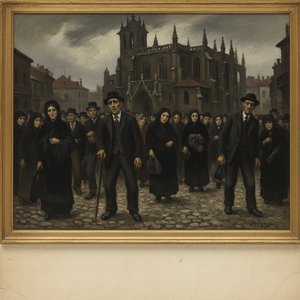
José Gutiérrez Solana: A Chronicle of Spanish Society Through Expressionist Vision
Explore the captivating world of José Gutiérrez Solana, a pivotal Spanish Expressionist painter. Discover his haunting depictions of early 20th-century Spain, influenced by Goya & El Greco. Learn about his key works and lasting legacy.

Эль Греко: 25 шедевров гения. Купить картины онлайн | ArtsDot
Погрузитесь в мир Эль Греко! 25 величайших шедевров испанского маньеризма. Узнайте историю создания культовых картин, технику и символизм. Купите репродукции высокого качества для вашего интерьера на ArtsDot.com.
El Greco: Spirituality, Style & Innovation – A Renaissance Master's Legacy
Explore the captivating world of El Greco! Discover his unique style, spiritual intensity, and lasting impact on art history. Learn about this Renaissance master's life, iconic paintings & legacy.
Манеризм: 10 шедевров, изменивших искусство. Купить картины онлайн | ArtsDot
Погрузитесь в мир манеризма! 10 шедевров от Понтормо до Пармиджанино. Узнайте историю, технику и влияние этого уникального стиля живописи. Купите репродукции картин высокого качества на ArtsDot.com – вдохновение для вашего интерьера!