

 Предпросмотр
 Поделиться
 Поделиться
 Детали произведения

 Скачать
 Похожие работы
 Рентгенография
 Слайд-шоу
 Статистика
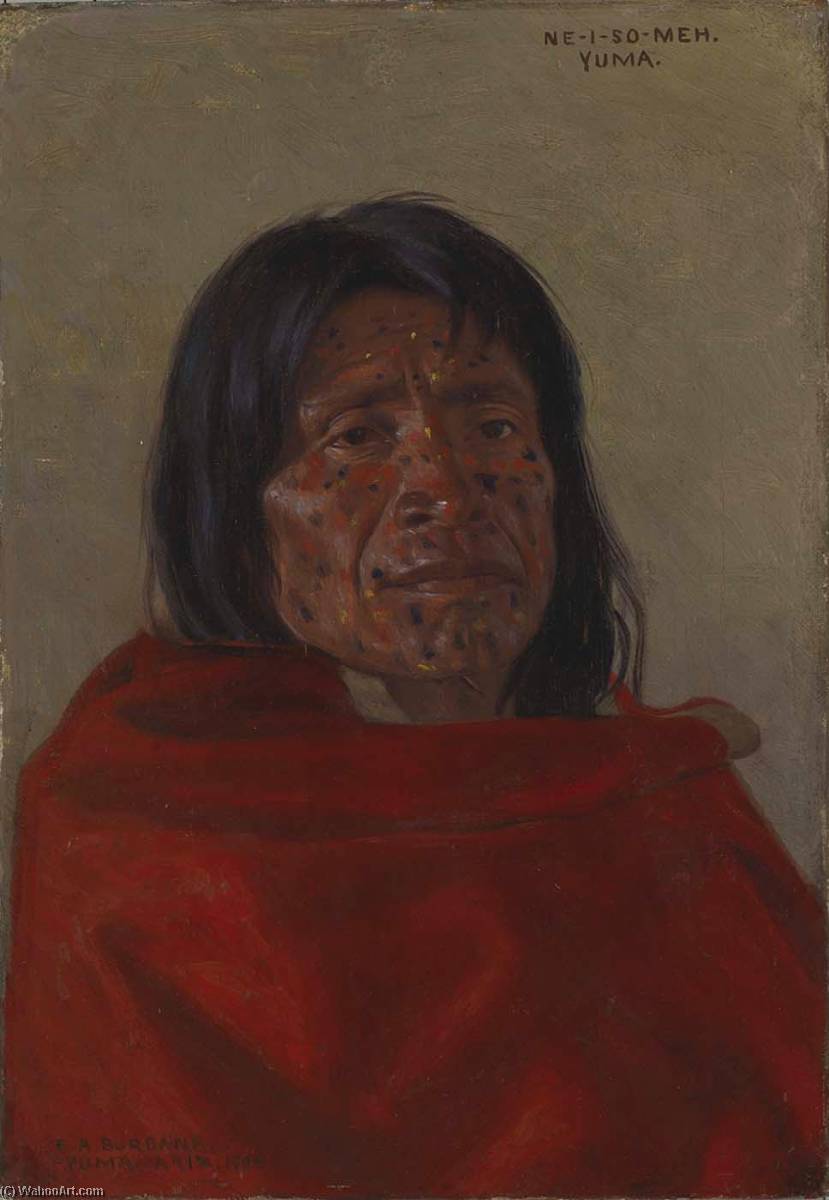
Ne i so meh
 1904
1904 33.0 x 23.0 cm
 Читать далее
Масляная репродукция ручной работы
Картина маслом на холсте в выбранном вами размере и раме, написанная на заказ нашими художниками. ( Перейти к печати Перейти к цифровым изображениям)




































Выберите один из наших стандартных размеров, соответствующих оригинальным пропорциям произведения искусства.

Вы можете указать собственные размеры, чтобы картина идеально вписалась в выбранную раму или пространство. Если выбранный вами размер не соответствует пропорциям оригинала, мы либо обрежем полотно, либо расширим его за счет дополнительных элементов, написанных вручную. Цифровой макет будет отправлен вам на утверждение перед началом производства.
Обратите внимание, что предварительный просмотр на экране не отражает фактическую обрезку или расширение. Только макет точно покажет окончательную композицию.
Хотя доступны индивидуальные размеры, мы рекомендуем выбирать вариант из предопределенного списка, чтобы сохранить исходные пропорции.
После оформления заказа команда ArtsDot.com свяжется с клиентом по электронной почте для уточнения деталей и предоставит предварительный макет
Доставка по всему миру () за 3–4 недели вместо стандартных 5 недель. (11 Сентябрь). Без компромиссов в качестве.

Бесплатная экспресс-доставка по всему миру

Высококачественный льняной холст

Полное страхование доставки

Гарантия возмещения таможенных пошлин

Гарантия точного соответствия цветов

100-дневная политика возврата (только при обнаружении дефектов)

Гарантия возврата 100% средств

Предложение оптовых скидок
 Вариант со стеклом доступен только для размеров менее 110 см

Ne i so meh
Техника репродукции
Размер репродукции
-


Итоговая стоимость
$ 263
The Artist's Background
Elbridge Ayer Burbank was a prominent American artist known for his portraits of Native Americans. He studied art in Chicago and later traveled to Munich, Germany, to further his skills under notable German artists. Burbank's work is characterized by its attention to detail and ability to convey the dignity and strength of his subjects.The Painting's Significance
Ne i so meh is a poignant portrait that showcases Burbank's mastery of capturing the subtleties of human expression. The subject, a Native American man, is wrapped in a red blanket, with a scar on his face and a look of quiet contemplation. This painting is not only a testament to Burbank's skill as an artist but also a window into the lives and experiences of Native Americans during the early 20th century.- The use of color and composition in Ne i so meh creates a sense of intimacy and vulnerability, drawing the viewer into the subject's world.
- Burbank's attention to detail is evident in the intricate folds of the blanket and the subtle expression on the subject's face.
- The painting's small size, measuring only 33 x 23 cm, belies its emotional impact, making it a powerful example of Burbank's ability to convey complex emotions through his art.
The Smithsonian American Art Museum is home to an extensive collection of American art, including works by Elbridge Ayer Burbank. To learn more about the museum and its collections, visit /art/list/?Filter=A@D3BUTX-Brigham-Young-University-Museum-of-Art-(United-States).
For a deeper understanding of Elbridge Ayer Burbank's life and work, see his biography on Wikipedia: https://en.wikipedia.org/wiki/Elbridge_Ayer_Burbank.
Похожие произведения








Биография художника
The Chronicler of a Vanishing Era
Elbridge Ayer Burbank stands as a singular figure in the annals of American art, recognized primarily for his meticulous and emotionally resonant depictions of Native Americans during the late 19th and early 20th centuries. Born on April 10, 1858, in Harvard, Illinois, to Anna Maria and Abner Jewett Burbank, his life’s work became a profound bridge between two worlds. While his roots were firmly planted in the American Midwest, his artistic soul was forged in the prestigious studios of Europe. This unique blend of American subject matter and European academic rigor allowed him to approach his subjects with a level of technical sophistication that elevated portraiture from mere documentation to high art.
Burbank’s artistic journey began with formal training at the Chicago Academy of Design, but it was his decision to travel to Germany in his thirties that would profoundly shape his stylistic approach and intellectual grounding. Studying at the Düsseldorf Kunstakademie under masters such as Anton Melbye, he absorbed the tenets of Realism and the burgeoning influences of Impressionism. These European currents instilled in him a commitment to capturing the subtle interplay of light and atmosphere—a technique he would later skillfully adapt to portray the vast landscapes and sacred ceremonies of Native American communities across the American frontier.
A Legacy of Direct Observation
Upon returning to the United States, Burbank dedicated himself wholeheartedly to documenting the lives and traditions of indigenous peoples. He embarked on extensive expeditions across the Plains states and the Southwest, driven by a mission that was as much ethnographic as it was artistic. His dedication was unparalleled; he is credited with sketching and painting more than 1,200 portraits from over 125 different tribes. This monumental undertaking required not only immense physical stamina but also a deep sense of empathy and respect for the individuals who sat before his easel.
Burbank’s artistic method was rigorously disciplined yet imbued with a profound humanity. He famously employed a technique known as direct observation, painstakingly rendering his subjects from life without the use of preparatory sketches or studies. This approach demanded unwavering attention to detail—capturing the subtle expressions, the intricate textures of beadwork, and the nuanced colors of traditional regalia that conveyed not merely physical likeness but also psychological character. His canvases are distinguished by their remarkable ability to capture the intensity and dignity of his subjects, making him perhaps the only artist believed to have painted the legendary war chief Geronimo from life.
Historical Significance and Artistic Impact
The significance of Burbank’s work extends far beyond the aesthetic beauty of his oil paintings. His portfolio serves as an invaluable historical document, providing a visual record of prominent chiefs, elders, and tribal members at a pivotal moment in American history. Through his eyes, we witness the strength, resilience, and cultural richness of Native American communities during a period of immense transition. Works such as One Star (1903) and Ne i so meh (1904), both housed in the Smithsonian American Art Museum, exemplify his ability to draw the viewer into an intimate connection with the subject's gaze.
As a pioneer of Native American portraiture, Burbank’s influence remains palpable in the study of American frontier art. His life, which concluded in 1949, left behind a legacy that transcends simple biography. He was more than a painter; he was a witness to history. His ability to blend the technical precision of the German academies with the raw, spiritual essence of the American West ensures that his portraits remain timeless, offering a window into a world that continues to command our respect and fascination.
elbridge ayer burbank
1858 - 1949
Основные сведения
- Artistic Movement Or Style: Realism
- Artists Or Movements Influenced By This Artist: ['Romanticism']
- Artists Who Influenced This Artist:
- Mehetable Sumner (Welles)
- Hudson River School
- Date Of Birth: 1858
- Date Of Death: 1949
- Full Name: Elbridge Ayer Burbank
- Nationality: American
- Notable Artworks:
- Geronimo Portrait
- Red Cloud Portrait
- Place Of Birth: Wellesley Hills, Massachusetts