

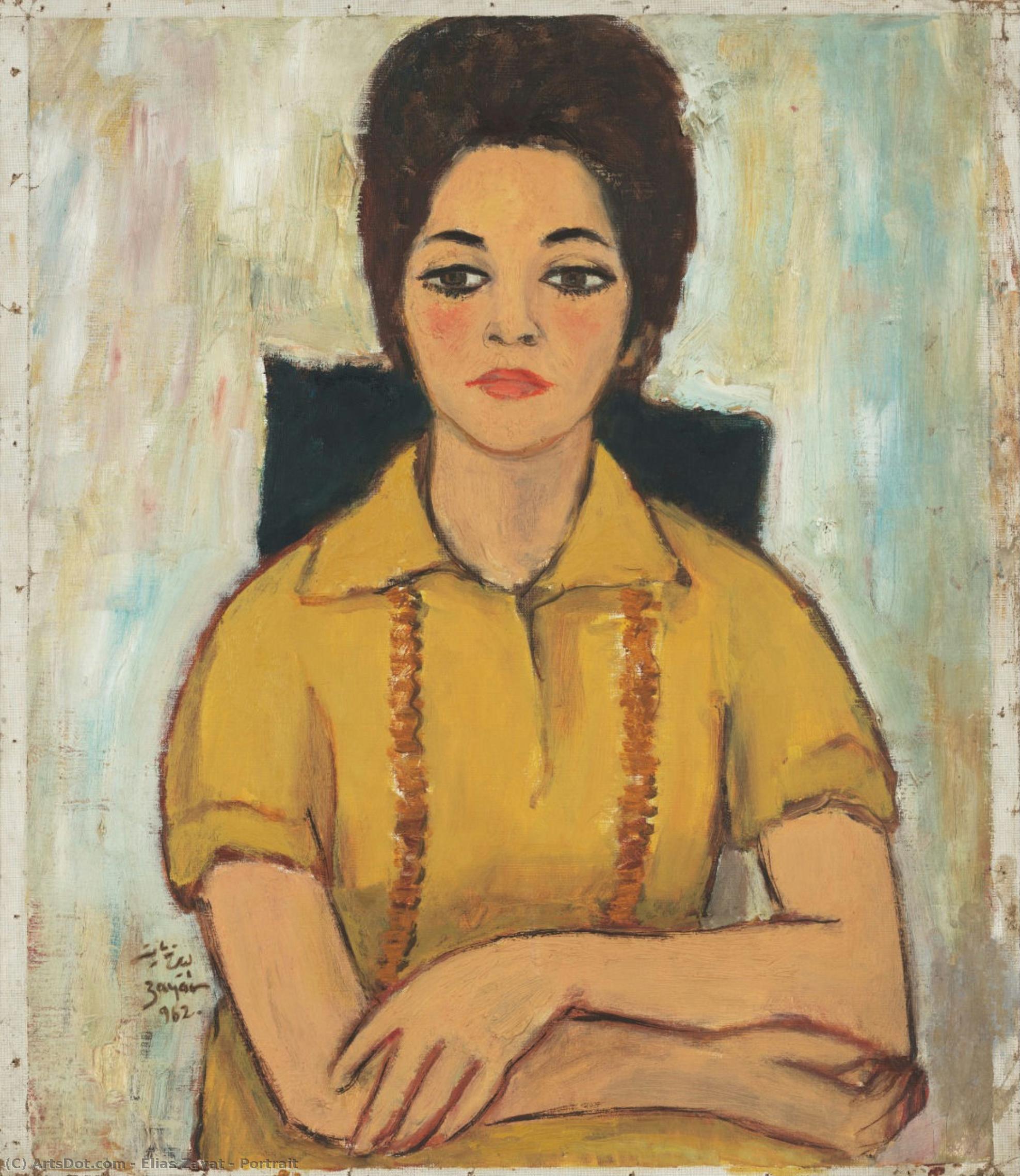
 Предпросмотр
 Поделиться
 Поделиться
 Детали произведения

 Скачать
 Похожие работы
 Рентгенография
 Слайд-шоу
 Статистика
Portrait
 71.0 x 58.0 cm
 Barjeel Art Foundation
 Читать далее
Масляная репродукция ручной работы
Картина маслом на холсте в выбранном вами размере и раме, написанная на заказ нашими художниками. ( Перейти к печати Перейти к цифровым изображениям)




































Выберите один из наших стандартных размеров, соответствующих оригинальным пропорциям произведения искусства.

Вы можете указать собственные размеры, чтобы картина идеально вписалась в выбранную раму или пространство. Если выбранный вами размер не соответствует пропорциям оригинала, мы либо обрежем полотно, либо расширим его за счет дополнительных элементов, написанных вручную. Цифровой макет будет отправлен вам на утверждение перед началом производства.
Обратите внимание, что предварительный просмотр на экране не отражает фактическую обрезку или расширение. Только макет точно покажет окончательную композицию.
Хотя доступны индивидуальные размеры, мы рекомендуем выбирать вариант из предопределенного списка, чтобы сохранить исходные пропорции.
После оформления заказа команда ArtsDot.com свяжется с клиентом по электронной почте для уточнения деталей и предоставит предварительный макет
Доставка по всему миру () за 3–4 недели вместо стандартных 5 недель. (11 Сентябрь). Без компромиссов в качестве.

Бесплатная экспресс-доставка по всему миру

Высококачественный льняной холст

Полное страхование доставки

Гарантия возмещения таможенных пошлин

Гарантия точного соответствия цветов

100-дневная политика возврата (только при обнаружении дефектов)

Гарантия возврата 100% средств

Предложение оптовых скидок
 Вариант со стеклом доступен только для размеров менее 110 см

Portrait
Техника репродукции
Размер репродукции
-


Итоговая стоимость
$ 263
Похожие произведения


Биография художника
Early Life and Artistic Beginnings
James Lewis Dine, born in 1935 in Cincinnati, Ohio, emerged from a family steeped in artistic tradition – his mother was a painter and his grandfather a sculptor. This early exposure to creative expression profoundly shaped his future trajectory. Dine’s initial formal training began at the Art Academy of Cincinnati in 1952, a formative period fueled by a serendipitous encounter with prints by German Expressionist masters like Ernst Ludwig Kirchner and Max Beckmann. These works ignited within him a deep appreciation for graphic techniques and a desire to explore alternative methods of image-making beyond traditional painting. He continued his studies at the University of Cincinnati, honing his skills in printmaking under the guidance of Donald Roberts, absorbing influences from both European masters and the burgeoning American avant-garde. This early immersion laid the groundwork for Dine’s distinctive approach – a deliberate rejection of conventional artistic norms and a commitment to direct, accessible forms of art.The Rise of Happenings and Performance Art
The late 1950s witnessed a seismic shift in the art world, with the emergence of “happenings” – immersive, often participatory events that blurred the boundaries between art and life. Dine was at the forefront of this movement, collaborating with fellow artists like Claes Oldenburg, Allan Kaprow, and Bob Whitman at the Judson Church in Greenwich Village. His seminal work, *The Smiling Workman* (1959), epitomized this new aesthetic – a simple, hand-printed image of a smiling worker affixed to a wall, inviting viewers to engage directly with the artwork. This marked a deliberate departure from traditional gallery settings and signaled Dine’s commitment to creating art that was immediate, engaging, and often challenging the established conventions of the art world. The Judson Gallery became a vital incubator for experimentation, fostering a spirit of collaboration and pushing the boundaries of artistic expression.Printmaking as a Central Language
While involved in happenings and performance, Dine’s core practice remained rooted in printmaking. He masterfully employed a vast array of techniques – woodcuts, etchings, lithographs, gravure, intaglio prints, and even letterpress – each offering unique possibilities for exploring form, texture, and imagery. Dine's approach to printmaking was characterized by its directness and simplicity. He often used simple, hand-drawn images—often of everyday objects like tools, furniture, or human figures—rendered in bold black lines on white paper. This minimalist aesthetic wasn’t about elaborate detail but rather about conveying a sense of immediacy and clarity. His prints weren't merely reproductions; they were independent works of art, imbued with his unique sensibility and reflecting his interest in the process of making itself.Conceptual Shifts and the "Dine Cut"
Throughout the 1960s and beyond, Dine’s work underwent a significant evolution. He began to experiment with “cuts”—simple geometric shapes cut from paper or cardboard—that he would then reproduce as prints. This seemingly reductive process became a defining feature of his oeuvre, representing a shift towards conceptual art – an emphasis on the idea behind the artwork rather than its purely aesthetic qualities. The "Dine Cut" became instantly recognizable, a symbol of Dine’s commitment to stripping away unnecessary ornamentation and focusing on essential forms. This exploration of simplicity and repetition continued throughout his career, reflecting a persistent desire to challenge conventional notions of art and engage viewers in a direct, intellectual dialogue.Legacy and Historical Significance
Jim Dine's impact on contemporary art is profound and multifaceted. He played a crucial role in the development of conceptual art, popularizing the idea that an artwork’s significance resides not just in its appearance but also in its concept or process. His accessible approach—using readily available materials and employing techniques that could be learned by anyone—democratized artmaking and challenged the elitism often associated with the art world. Dine's work continues to resonate today, influencing artists across a wide range of disciplines. He remains a vital figure in American art history, celebrated for his innovative spirit, his commitment to simplicity, and his enduring ability to challenge our perceptions of what constitutes “art.”
elias zayat
1935 - 2022 , Syrian Arab Republic
Основные сведения
- Artistic Movement Or Style: Happenings, Printmaking
- Artists Or Movements Influenced By This Artist: ['Allan Kaprow']
- Artists Who Influenced This Artist:
- Paul J. Sachs
- Ernst Ludwig Kirchner
- Date Of Birth: June 16, 1935
- Full Name: James Lewis Dine
- Nationality: American
- Notable Artworks:
- The Smiling Workman
- Cut Cards
- Place Of Birth: Cincinnati, Ohio, USA