 Предпросмотр
 Поделиться
 Поделиться
 Детали произведения

 Скачать
 Похожие работы
 Рентгенография
 Слайд-шоу
 Статистика
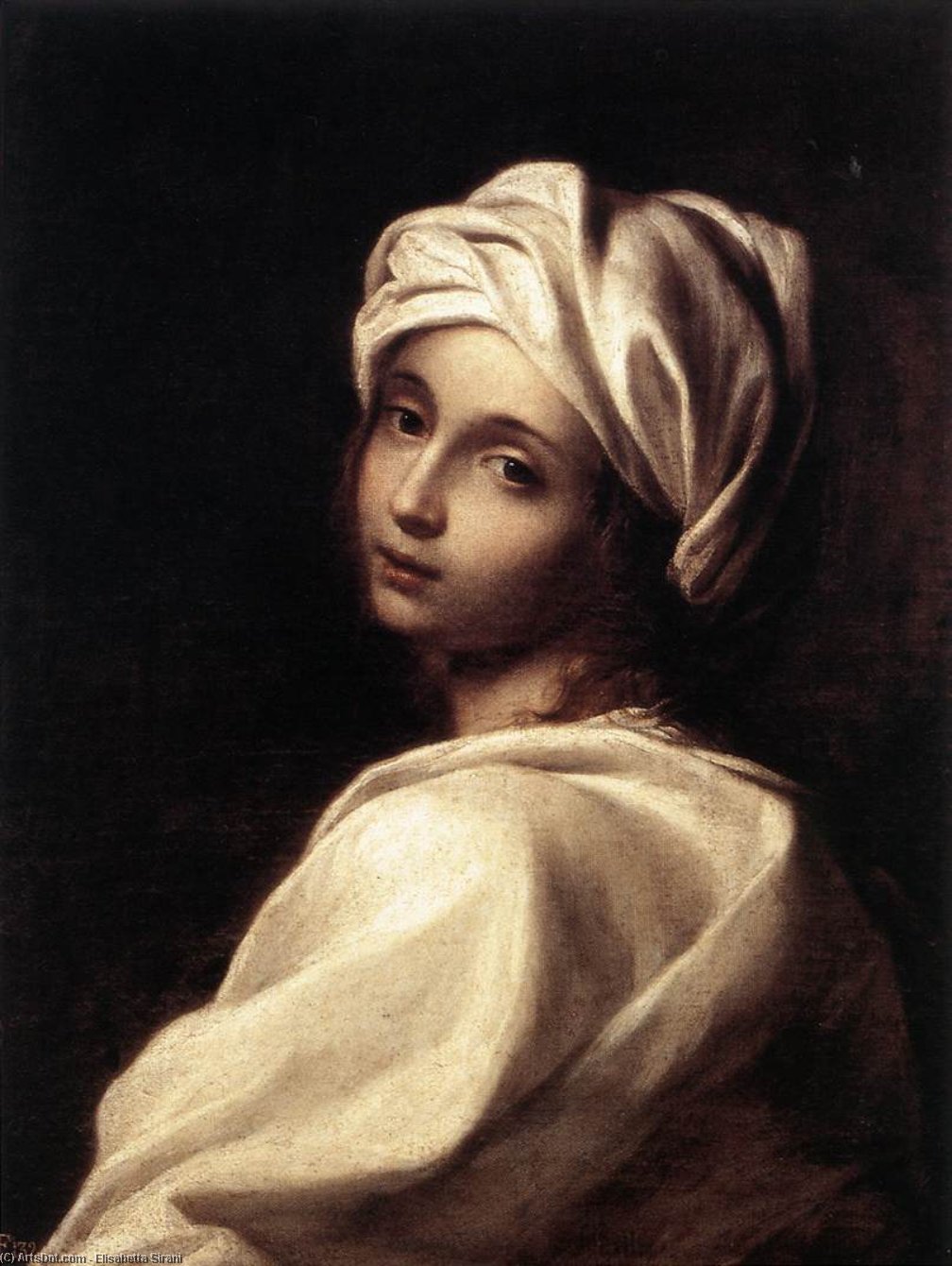
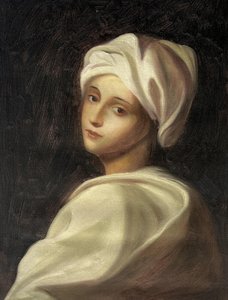
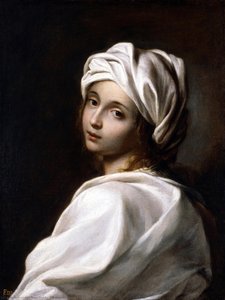
Portrait of Beatrice Cenci
 Oil
Oil- WallArt
- Italian Baroque
 1662
1662- Early Modern
 64.0 x 49.0 cm
 Галерея Национа́льная д’Арте Анта́йка
 Читать далее
Жикле / Арт-принт
Печать (жикле) или холст музейного качества с быстрыми сроками изготовления и широким выбором вариантов отделки. ( Купить картину ручной работы Перейти к цифровым изображениям)




P118B $10

P118H $10

P118W $10

P438Z $10

P508JH $12

P508YH $12

P805H $10

P805Z $10

P919BZ $10

P919G $10

P919XJ $10

P959ZH $10

P968JZ $12

W106C $8

W218G $10

W218JH $8

W218Y $10

W307PJ $10

W316G $10

W316PJ $8

W316Y $10

W398PJ $8

W4111J $10

W500HY $15

W500JH $15

W692G $12

W849H $8

W940BG $15

W953PJ $8




Выберите один из наших стандартных размеров, соответствующих оригинальным пропорциям произведения искусства.

Вы можете указать свои собственные размеры, чтобы репродукция идеально подошла под конкретную раму или пространство. Если выбранный вами размер не будет соответствовать пропорциям оригинала, мы либо обрежем произведение, либо дополним изображение зеркальным отражением краев или однотонной заливкой. Перед началом производства вам будет отправлен цифровой макет для утверждения.
Пожалуйста, обратите внимание, что предварительный просмотр на экране не отображает фактическую обрезку или расширение изображения. Только макет точно покажет финальную композицию.
Несмотря на возможность заказа индивидуальных размеров, мы рекомендуем выбирать размер из предопределенного списка, чтобы сохранить оригинальные пропорции.
Доставка по всему миру () за 2 недели вместо стандартных 4/5 недель. (12 Сентябрь)

Бесплатная экспресс-доставка по всему миру

Высококачественный льняной холст

Полное страхование доставки

Гарантия возмещения таможенных пошлин

Гарантия точного соответствия цветов

100-дневная политика возврата (только при обнаружении дефектов)

Гарантия возврата 100% средств

Предложение оптовых скидок
 Вариант со стеклом доступен только для размеров менее 110 см

Portrait of Beatrice Cenci
Жикле / Арт-принт
Размер репродукции
-


Итоговая стоимость
$ 62
A Gaze Through Time: The Soul of Beatrice Cenci
In the quiet intensity of Elisabetta Sirani’s Portrait of Beatrice Cenci, we encounter more than just a likeness; we meet a haunting presence that transcends the boundaries of the seventeenth century. Painted in 1662, this masterpiece serves as a profound window into the Baroque era, capturing a moment of stillness amidst a life often shrouded in tragedy and historical intrigue. The subject, draped in a luminous white veil that rests softly upon her head, gazard directly at the viewer with an expression that is simultaneously poised and profoundly solemn. There is an undeniable gravity in her eyes, a weight of character that suggests a narrative far deeper than the mere surface of the canvas. For the discerning collector or interior designer, this portrait offers a focal point of immense psychological depth, making it an ideal centerpiece for spaces that demand a sense of history, elegance, and contemplative grace.
The technical brilliance of Sirani is on full display through her masterful command of chiaroscuro. The composition is defined by a dramatic interplay between light and shadow, a hallmark of the Bolognese school. The artist utilizes a dark, atmospheric background to push the subject forward, allowing the brightness of the white turban and the delicate textures of the skin to emerge with startling clarity. This high contrast does more than create visual impact; it sculptively defines the contours of the face, lending the portrait a three-dimensional vitality. Every brushstroke serves to balance the composition, ensuring that while the subject dominates the frame, there remains an airy sophistication and a sense of equilibrium that prevents the darkness from becoming overwhelming.
Beyond its aesthetic splendor, the painting carries a heavy emotional resonance rooted in its historical context. Elisabetta Sirani, a pioneering force in the male-dominated art world of Bologna, possessed a unique ability to imbue her portraits with a sense of lived experience. In depicting Beatrice Cenci, Sirani captures a duality of spirit—the outward appearance of aristocratic refinement contrasted against an inner landscape of melancholy and strength. This tension between the visible elegance of the attire and the invisible weight of the subject's expression creates a magnetic pull for the viewer. For those looking to adorn a home or gallery with high-quality reproductions, this piece provides an unparalleled opportunity to introduce a work that is not merely decorative, but deeply evocative, inviting conversation and emotional connection within any sophisticated interior.
Похожие произведения


Биография художника
Elisabetta Sirani - A Life in Baroque Bologna
Elisabetta Sirani was a luminous figure in the 17th-century art world, a testament to talent and determination flourishing amidst the societal constraints of her time. Born in Bologna on January 8, 1638, she rose to prominence as one of the most celebrated painters of the Italian Baroque period—a remarkable feat for any artist, but particularly extraordinary for a woman navigating a profession overwhelmingly dominated by men. Her story is not merely that of an artistic prodigy; it’s a narrative interwoven with entrepreneurial spirit, familial dedication, and a progressive vision that extended to establishing opportunities for other women in the arts.Artistic Roots and Early Development
Elisabetta's artistic journey began within the vibrant atmosphere of her family home. Her father, Giovanni Andrea Sirani, was himself a respected painter and art merchant, deeply connected to the Bolognese school—a tradition profoundly influenced by the legacy of Guido Reni. While some accounts suggest initial hesitation on his part regarding fully embracing Elisabetta as a pupil, fearing she might surpass his own skill, it quickly became evident that her talent was exceptional. She absorbed and mastered his techniques with astonishing speed, developing a distinctive style that blended the grace and idealism of Reni with an emerging dynamism all her own. Giovanni Andrea had been a student and close collaborator of Guido Reni, ensuring that this master’s influence permeated the family studio. This connection to Reni was crucial; it instilled in Elisabetta a mastery of light and shadow, elegant compositions, and a refined sense of form that would characterize much of her work. Beyond technical skill, she received a broad education encompassing classical mythology and biblical narratives—essential foundations for an artist working within the religious and mythological traditions of the Baroque era. She studied the works of Annibale Carracci, Lorenzo Pasinelli, Desubleo, Simone Cantarini, and Carlo Cignani, absorbing their stylistic innovations and mastering their techniques.A Prolific Career and Innovative Style
Despite a tragically short career—she died at just 27 years old in August 1665—Elisabetta Sirani produced an astonishing body of work. Over 120 paintings, countless drawings, and numerous etchings attest to her relentless creativity and productivity. This output wasn’t simply the result of innate talent; it was fueled by necessity. By 1654, with her father incapacitated by gout, Elisabetta assumed responsibility for managing the family workshop, becoming the primary breadwinner for her parents and siblings. She skillfully balanced artistic creation with the demands of running a business—accepting commissions for portraits, religious scenes, and mythological subjects while simultaneously teaching students in her studio. Contemporaries like Carlo Cesare Malvasia praised her “originality of composition,” her distinctive drawing style, and the speed with which she worked—a testament to both her technical prowess and her artistic vision. She wasn’t merely replicating existing styles; she was forging a new path, infusing traditional subjects with a fresh energy and emotional depth. Her paintings were characterized by dynamic compositions, vibrant colors, and an ability to capture emotion and movement with remarkable skill.Legacy and Lasting Significance
Elisabetta Sirani cultivated a devoted following during her lifetime, becoming arguably more famous than both her father and her sisters. She was often hailed as the “diva” of Bolognese painting—the female reincarnation of Guido Reni himself. Her sudden death at such a young age, initially shrouded in suspicion due to accusations of poisoning by a maidservant (though these charges were later dropped), only amplified public fascination with her life and work. The most likely cause was peritonitis resulting from a ruptured peptic ulcer, exacerbated by the stresses of managing her household and workshop. Her elaborate funeral—complete with an enormous catafalque adorned with a life-sized sculpture and orations composed in her honor—underscored the high esteem in which she was held by her contemporaries. Beyond her artistic achievements, Elisabetta’s most enduring legacy lies in her commitment to empowering other women artists. She established an academy for female artists in Bologna, providing them with opportunities for training and professional development at a time when such avenues were largely closed to them. This act of defiance against societal norms cemented her place as a pioneer—a champion of gender equality within the art world. Today, Elisabetta Sirani’s contributions are increasingly recognized, solidifying her position as a significant figure in Baroque art history and an inspiration for generations of artists to come. Her story serves as a powerful reminder that talent knows no gender and that determination can overcome even the most formidable barriers.Key Works
- Judith with Holofernes: A dramatic depiction of the biblical heroine, showcasing Sirani’s mastery of chiaroscuro and emotional intensity.
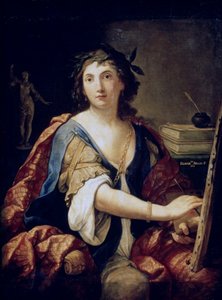
- Self-Portrait: An intimate and revealing portrayal of the artist herself, offering a glimpse into her personality and artistic confidence.
- Study for the Baptism of Christ: A dynamic sketch demonstrating Sirani’s skill in capturing movement and anatomical detail.
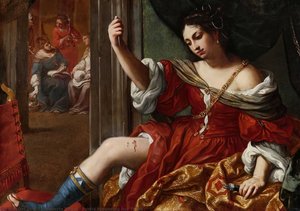
- Portia Wounding Her Thigh: An unusual and compelling interpretation of a Shakespearean scene, highlighting Sirani’s willingness to tackle complex narratives.
- The Virgin Crowned by Christ Child with Roses: A tender and devotional image showcasing Sirani's ability to convey warmth and intimacy in her religious paintings.
Элизабетта Сирани
1638 - 1665 , Италия
Основные сведения
- Artistic Movement Or Style: Барокко
- Artists Who Influenced This Artist: ['Гуидо Реньи']
- Date Of Birth: Янв 8 1638
- Date Of Death: Авг 28 1665
- Full Name: Elisabetta Sirani
- Nationality: Итальянская
- Notable Artworks:
- Юдит и Голофенос
- Автопортрет
- Студия для крещения Христа
- Порция ранит бедро
- Дева Мария с розами
- Place Of Birth: Болонья, Италия
Похожие статьи

Simon Vouet: A Baroque Master's Journey from Italian Influence to French Classicism
Explore the life & art of Simon Vouet, a pivotal French Baroque painter who introduced Italian styles to France. Discover his masterpieces and lasting influence on 17th-century art.

The Dramatic Flourish: Exploring the Baroque Movement's Enduring Legacy in Art History
Explore the dramatic world of Baroque art! Discover iconic artists like Caravaggio & Rubens, defining techniques, and its lasting impact on art history. Expert insights for collectors & enthusiasts at ArtsDot.

The Visceral Stage: Exploring Dramatic Narratives & Emotional Intensity in Baroque Art
Explore the dramatic world of Baroque art! Discover iconic masters like Caravaggio & Rembrandt, their techniques, and the movement's lasting impact. Expert insights for collectors & enthusiasts at ArtsDot.

10 Шедевров Барокко: Искусство, изменившее мир | ArtsDot.com
Погрузитесь в мир барокко! 10 шедевров Караваджо, Рембрандта и других великих художников. Узнайте историю создания культовых картин и найдите идеальную репродукцию для вашего интерьера на ArtsDot.com

Барочная драма: Искусство величия в современном интерьере
Погрузитесь в мир роскоши и величия барокко! Узнайте об истории стиля, ключевых элементах интерьера и архитектуре. Вдохновляйтесь с и создайте свой неповторимый дизайн.