 Предпросмотр
 Поделиться
 Поделиться
 Детали произведения

 Скачать
 Похожие работы
 Рентгенография
 Слайд-шоу
 Статистика
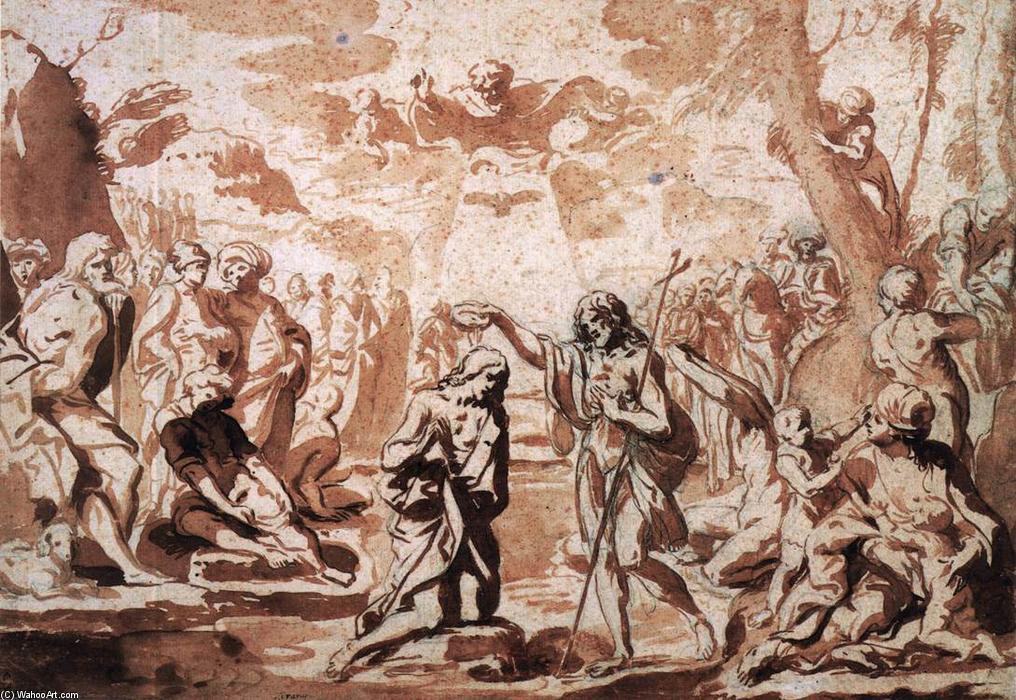
Study for the Baptism of Christ
 Pencil
- Baroque Art
 1658
1658- Early Modern
 258.0 x 370.0 cm
 Графическая коллекция Альбертина
 Читать далее
Масляная репродукция ручной работы
Картина маслом на холсте в выбранном вами размере и раме, написанная на заказ нашими художниками. ( Перейти к печати Перейти к цифровым изображениям)




P118B $10

P118H $10

P118W $10

P438Z $10

P508JH $12

P508YH $12

P805H $10

P805Z $10

P919BZ $10

P919G $10

P919XJ $10

P959ZH $10

P968JZ $12

W106C $8

W218G $10

W218JH $8

W218Y $10

W307PJ $10

W316G $10

W316PJ $8

W316Y $10

W398PJ $8

W4111J $10

W500HY $15

W500JH $15

W692G $12

W849H $8

W940BG $15

W953PJ $8




Выберите один из наших стандартных размеров, соответствующих оригинальным пропорциям произведения искусства.

Вы можете указать собственные размеры, чтобы картина идеально вписалась в выбранную раму или пространство. Если выбранный вами размер не соответствует пропорциям оригинала, мы либо обрежем полотно, либо расширим его за счет дополнительных элементов, написанных вручную. Цифровой макет будет отправлен вам на утверждение перед началом производства.
Обратите внимание, что предварительный просмотр на экране не отражает фактическую обрезку или расширение. Только макет точно покажет окончательную композицию.
Хотя доступны индивидуальные размеры, мы рекомендуем выбирать вариант из предопределенного списка, чтобы сохранить исходные пропорции.
После оформления заказа команда ArtsDot.com свяжется с клиентом по электронной почте для уточнения деталей и предоставит предварительный макет
Доставка по всему миру () за 3–4 недели вместо стандартных 5 недель. (10 Сентябрь). Без компромиссов в качестве.

Бесплатная экспресс-доставка по всему миру

Высококачественный льняной холст

Полное страхование доставки

Гарантия возмещения таможенных пошлин

Гарантия точного соответствия цветов

100-дневная политика возврата (только при обнаружении дефектов)

Гарантия возврата 100% средств

Предложение оптовых скидок
 Вариант со стеклом доступен только для размеров менее 110 см

Study for the Baptism of Christ
Техника репродукции
Размер репродукции
-


Итоговая стоимость
$ 263
Study for the Baptism of Christ: A Baroque Masterpiece Illuminated
Elisabetta Sirani’s *Study for the Baptism of Christ*, completed in 1658, stands as an extraordinary testament to artistic brilliance and a pivotal moment in Baroque art history. More than just a preparatory sketch, it embodies the fervor and intellectual depth characteristic of its era—a period defined by papal patronage and a fervent desire to communicate religious faith through visual splendor. Housed at the Graphische Sammlung Albertina in Vienna, Austria, this pencil drawing offers an intimate glimpse into Sirani’s creative process and reveals her unparalleled command of composition, light, and shadow.The Artist's Vision: Elisabetta Sirani – A Pioneer Among Women
Elisabetta Sirani (1638-1665) defied societal expectations to become one of the most celebrated painters of her time—a remarkable achievement considering the limitations placed upon women artists during the Baroque period. Born in Bologna, she benefited from a familial connection to artistic tradition fostered by her father, Giovanni Andrea Sirani, who himself was a respected painter and art dealer deeply rooted in the Bolognese school’s legacy. This upbringing instilled in her an unwavering dedication to honing her craft and establishing herself as a formidable talent within a male-dominated profession. Her determination to pursue artistic excellence speaks volumes about the spirit of innovation and ambition that propelled Baroque artists forward.A Window into Baroque Theology: Composition and Symbolism
The drawing meticulously depicts a scene from Christian theology—the baptism of Jesus Christ by John the Baptist in the Jordan River. Sirani’s compositional choices are deliberate, prioritizing balance and harmony to draw the viewer's eye toward the central figures. The triangular arrangement subtly guides our gaze, emphasizing the importance of this sacred ritual. Dominating the canvas is a luminous depiction of Christ, bathed in ethereal light—a technique characteristic of Baroque art aimed at conveying divine majesty. Surrounding him are angels and other religious characters rendered with exquisite detail, reinforcing the narrative’s spiritual significance. The inclusion of the Jordan River symbolizes purification and rebirth – core tenets of Christian belief.Technique and Detail: Pencil Drawing as Artistic Expression
Sirani's masterful use of pencil demonstrates her exceptional skill in capturing nuanced tonal values and conveying texture. Unlike oil paint, which allows for blending and layering, pencil drawing necessitates precise lines and shading—a technique that demands meticulous observation and artistic sensitivity. The artist’s attention to detail is evident in every stroke, reflecting a profound respect for the subject matter and an unwavering commitment to achieving visual accuracy. The subtle gradations of tone create depth and drama, mirroring the Baroque fascination with chiaroscuro – the dramatic interplay between light and shadow—a stylistic hallmark that elevates the drawing beyond mere representation.Beyond Reproduction: Exploring Sirani’s Legacy
The *Study for the Baptism of Christ* serves as a poignant reminder of Elisabetta Sirani's pioneering spirit and her enduring contribution to Baroque art. It exemplifies the artistic fervor of an era driven by faith and intellectual curiosity—a legacy that continues to inspire artists and collectors alike. To appreciate this masterpiece fully, consider commissioning a high-quality oil painting reproduction from ArtsDot.com – allowing you to immerse yourself in Sirani’s vision and experience the beauty of Baroque art firsthand. For further insights into Elisabetta Sirani's life and work, visit https://ArtsDot.com or explore the Wikipedia page dedicated to this remarkable artist.Похожие произведения
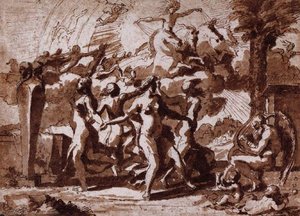
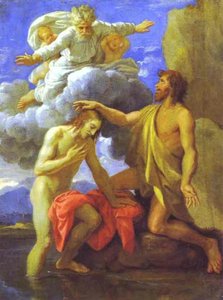
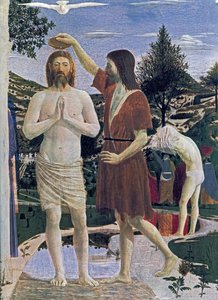
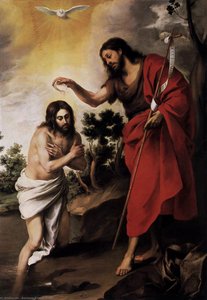
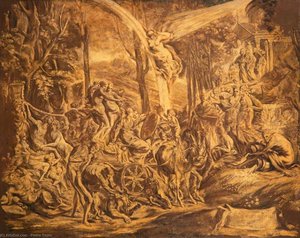
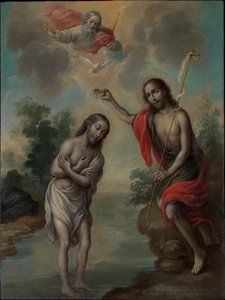
![Scrovegni - [23] - Baptism Of Christ — Джотто Ди Бондоне, Early Renaissance](/media/artworks/images-thumb/17/af/17af47626cb93b2000ad3d13e045f189.jpg)
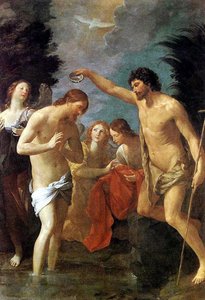
Биография художника
Elisabetta Sirani - A Life in Baroque Bologna
Elisabetta Sirani was a luminous figure in the 17th-century art world, a testament to talent and determination flourishing amidst the societal constraints of her time. Born in Bologna on January 8, 1638, she rose to prominence as one of the most celebrated painters of the Italian Baroque period—a remarkable feat for any artist, but particularly extraordinary for a woman navigating a profession overwhelmingly dominated by men. Her story is not merely that of an artistic prodigy; it’s a narrative interwoven with entrepreneurial spirit, familial dedication, and a progressive vision that extended to establishing opportunities for other women in the arts.Artistic Roots and Early Development
Elisabetta's artistic journey began within the vibrant atmosphere of her family home. Her father, Giovanni Andrea Sirani, was himself a respected painter and art merchant, deeply connected to the Bolognese school—a tradition profoundly influenced by the legacy of Guido Reni. While some accounts suggest initial hesitation on his part regarding fully embracing Elisabetta as a pupil, fearing she might surpass his own skill, it quickly became evident that her talent was exceptional. She absorbed and mastered his techniques with astonishing speed, developing a distinctive style that blended the grace and idealism of Reni with an emerging dynamism all her own. Giovanni Andrea had been a student and close collaborator of Guido Reni, ensuring that this master’s influence permeated the family studio. This connection to Reni was crucial; it instilled in Elisabetta a mastery of light and shadow, elegant compositions, and a refined sense of form that would characterize much of her work. Beyond technical skill, she received a broad education encompassing classical mythology and biblical narratives—essential foundations for an artist working within the religious and mythological traditions of the Baroque era. She studied the works of Annibale Carracci, Lorenzo Pasinelli, Desubleo, Simone Cantarini, and Carlo Cignani, absorbing their stylistic innovations and mastering their techniques.A Prolific Career and Innovative Style
Despite a tragically short career—she died at just 27 years old in August 1665—Elisabetta Sirani produced an astonishing body of work. Over 120 paintings, countless drawings, and numerous etchings attest to her relentless creativity and productivity. This output wasn’t simply the result of innate talent; it was fueled by necessity. By 1654, with her father incapacitated by gout, Elisabetta assumed responsibility for managing the family workshop, becoming the primary breadwinner for her parents and siblings. She skillfully balanced artistic creation with the demands of running a business—accepting commissions for portraits, religious scenes, and mythological subjects while simultaneously teaching students in her studio. Contemporaries like Carlo Cesare Malvasia praised her “originality of composition,” her distinctive drawing style, and the speed with which she worked—a testament to both her technical prowess and her artistic vision. She wasn’t merely replicating existing styles; she was forging a new path, infusing traditional subjects with a fresh energy and emotional depth. Her paintings were characterized by dynamic compositions, vibrant colors, and an ability to capture emotion and movement with remarkable skill.Legacy and Lasting Significance
Elisabetta Sirani cultivated a devoted following during her lifetime, becoming arguably more famous than both her father and her sisters. She was often hailed as the “diva” of Bolognese painting—the female reincarnation of Guido Reni himself. Her sudden death at such a young age, initially shrouded in suspicion due to accusations of poisoning by a maidservant (though these charges were later dropped), only amplified public fascination with her life and work. The most likely cause was peritonitis resulting from a ruptured peptic ulcer, exacerbated by the stresses of managing her household and workshop. Her elaborate funeral—complete with an enormous catafalque adorned with a life-sized sculpture and orations composed in her honor—underscored the high esteem in which she was held by her contemporaries. Beyond her artistic achievements, Elisabetta’s most enduring legacy lies in her commitment to empowering other women artists. She established an academy for female artists in Bologna, providing them with opportunities for training and professional development at a time when such avenues were largely closed to them. This act of defiance against societal norms cemented her place as a pioneer—a champion of gender equality within the art world. Today, Elisabetta Sirani’s contributions are increasingly recognized, solidifying her position as a significant figure in Baroque art history and an inspiration for generations of artists to come. Her story serves as a powerful reminder that talent knows no gender and that determination can overcome even the most formidable barriers.Key Works
- Judith with Holofernes: A dramatic depiction of the biblical heroine, showcasing Sirani’s mastery of chiaroscuro and emotional intensity.
- Self-Portrait: An intimate and revealing portrayal of the artist herself, offering a glimpse into her personality and artistic confidence.
- Study for the Baptism of Christ: A dynamic sketch demonstrating Sirani’s skill in capturing movement and anatomical detail.
- Portia Wounding Her Thigh: An unusual and compelling interpretation of a Shakespearean scene, highlighting Sirani’s willingness to tackle complex narratives.
- The Virgin Crowned by Christ Child with Roses: A tender and devotional image showcasing Sirani's ability to convey warmth and intimacy in her religious paintings.
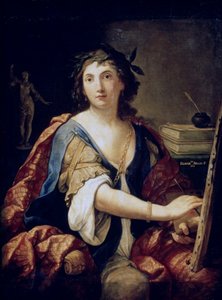
Элизабетта Сирани
1638 - 1665 , Италия
Основные сведения
- Artistic Movement Or Style: Барокко
- Artists Who Influenced This Artist: ['Гуидо Реньи']
- Date Of Birth: Янв 8 1638
- Date Of Death: Авг 28 1665
- Full Name: Elisabetta Sirani
- Nationality: Итальянская
- Notable Artworks:
- Юдит и Голофенос
- Автопортрет
- Студия для крещения Христа
- Порция ранит бедро
- Дева Мария с розами
- Place Of Birth: Болонья, Италия
Похожие статьи
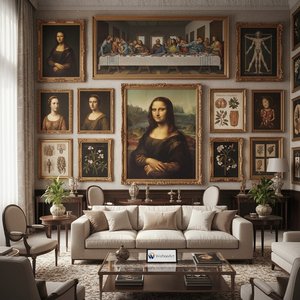
Леонардо да Винчи: Топ-25 шедевров для ценителей искусства и роскошного интерьера
Погрузитесь в мир гения Леонардо да Винчи! 25 шедевров эпохи Возрождения, истории создания картин и техники великого мастера. Репродукции высокого качества для вашего интерьера на ArtsDot.com. Откройте всю коллекцию онлайн!

The Dramatic Flourish: Exploring the Baroque Movement's Enduring Legacy in Art History
Explore the dramatic world of Baroque art! Discover iconic artists like Caravaggio & Rubens, defining techniques, and its lasting impact on art history. Expert insights for collectors & enthusiasts at ArtsDot.

10 Шедевров Барокко: Искусство, изменившее мир | ArtsDot.com
Погрузитесь в мир барокко! 10 шедевров Караваджо, Рембрандта и других великих художников. Узнайте историю создания культовых картин и найдите идеальную репродукцию для вашего интерьера на ArtsDot.com

The Visceral Stage: Exploring Dramatic Narratives & Emotional Intensity in Baroque Art
Explore the dramatic world of Baroque art! Discover iconic masters like Caravaggio & Rembrandt, their techniques, and the movement's lasting impact. Expert insights for collectors & enthusiasts at ArtsDot.

Барочная драма: Искусство величия в современном интерьере
Погрузитесь в мир роскоши и величия барокко! Узнайте об истории стиля, ключевых элементах интерьера и архитектуре. Вдохновляйтесь с и создайте свой неповторимый дизайн.